June is a busy month in the garden, with spring-flowering shrubs finishing their display, fast-growing hedges putting on new growth and some fruit trees ready for a careful trim and tidy.
But there's one job you should prioritise: pruning now can help keep plants healthy, shapely and flowering well next year.
Richard Barker, gardening guru and commercial director at LBS Horticulture, gave us some top tips on which plants to prune
1. Rosemary
Rosemary can be cut back in early summer, once it has finished flowering. This helps prevent the plant from becoming straggly, woody or bare at the base.
Start by removing old flowerheads, along with any dead, damaged or diseased stems. You can then lightly trim the rest of the shrub to keep it compact and neat.
Avoid cutting into old wood, as rosemary does not reliably regrow from bare, woody stems. A light, regular trim is better than a hard prune.
2. Magnolia
Some magnolias can suffer from dieback if pruned during the dormant season, while pruning in spring can cause them to bleed sap. For many types, early summer — when the plant is in full leaf and has finished flowering — is a safer time for light pruning.
Remove dead, damaged or diseased stems, and avoid heavy pruning unless necessary. Magnolias generally need very little routine pruning, so focus on tidying the shape rather than cutting back hard.
Deadheading spent blooms can also help the plant direct energy into healthy growth and next year’s flower buds, rather than seed production.
3. Privet
Privet is a fast-growing hedge and may need regular trimming through the growing season to keep it looking neat. Early summer is one of the key times to prune it.
Before you begin, check carefully for nesting birds. If you find an active nest, leave the hedge alone until the birds have finished nesting.
Remove any dead, damaged or diseased branches first, then trim the hedge to shape. For taller hedges, aim for a slightly tapered outline, with the top narrower than the base. This allows light to reach the lower branches and helps prevent bare patches.
Avoid removing more than one-third of the growth in one go.
4. Plum trees
Plum trees are best pruned between spring and midsummer, when they are actively growing. Avoid pruning them in winter, as this can increase the risk of silver leaf disease.
Pruning plums is relatively straightforward. Remove dead, diseased or damaged wood, along with crossing branches or stems growing inwards.
Aim to create an open-centred, goblet-shaped tree. This allows light and air to circulate through the canopy, helping fruit to ripen and reducing the risk of disease.
5. Weigela
Weigela should be pruned after flowering. If your plant is still in bloom, wait until the flowers have finished before reaching for the secateurs.
Cut flowered stems back to below the spent blooms, and remove any dead, damaged or weak growth. On older plants, one or two of the oldest stems can be cut right down to the base to encourage fresh new shoots.
This helps keep weigela vigorous and prevents it from becoming congested or woody.
6. Wisteria
Wisteria should be pruned twice a year: once in winter, when the plant is dormant, and again in summer after flowering.
In June, once the flowers have faded, reduce the long, green, whippy shoots back to around five or six leaves. This helps keep the plant under control, prevents it from becoming too tangled, and encourages better flowering next year.
You can also tie in new growth where needed to extend the framework or replace older branches.
Other plants you can prune in June
A few more plants are worth adding to your June pruning list:
Philadelphus – prune after flowering by cutting back flowered stems and removing a few older stems at the base.
Deutzia – tidy after flowering to keep the shrub compact and encourage new flowering wood.
Lilac – remove spent flowerheads and cut out dead, weak or congested growth.
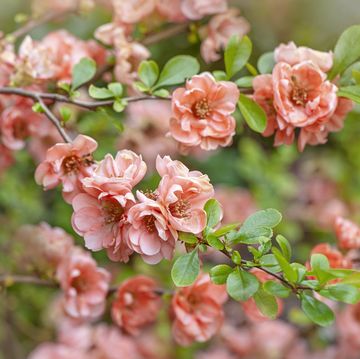
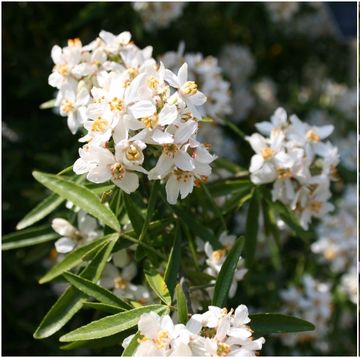
Kerria, choisya, chaenomeles and ribes – prune lightly after flowering.
Evergreen clematis, such as Clematis armandii – cut back after flowering if it has outgrown its space.
A quick note before you prune
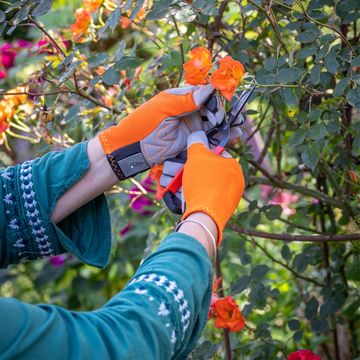
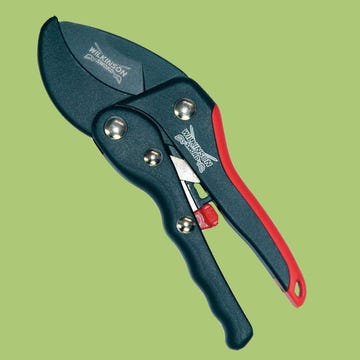
Always use clean, sharp secateurs and avoid pruning in very hot, dry weather. Check shrubs, hedges and climbers carefully for nesting birds before cutting. If you spot an active nest, leave the plant alone and return to the job later in the season.
It’s worth noting that you should always check for nesting birds (including blackbirds, robins and wrens) before cutting hedges, shrubs or climbers.