
Plummeting winter temperatures often lead to frost damage in plants, causing the water in plant cells to freeze. While winter weather can vary drastically throughout the UK, there are lots of ways to protect our beautiful gardens and landscapes from the bitter chill still to come.
"Just like us, our outdoor plants can get upset by the continuous change in weather conditions," Richard Cheshire, plant doctor at Patch Plants, says. "Outdoor plants are often left outside in the cold to battle rain, wind, occasional storms, and even snow sometimes! Whilst some will resist, most need to be prepped for the somewhat extreme weather they may have to face."
Are you worried about sudden frost damaging your outdoor plants? Take a look at the four simple things you can do below...
1. Put your plants in frost-proof pots
While terracotta plant pots look beautiful placed on a patio, they are more prone to crack with the sudden change in temperature and frost. A simple way to protect your plants from the first frost snap is to choose glazed terracotta, stone or fibreglass pots instead, as they will reduce the risk of cracks.
2. Wrap plant pots in bubblewrap
Trap warm air around your garden plants by wrapping them in bubblewrap. Cold weather, particularly frost, causes the water in plant cells to freeze, but bubblewrap can help them to survive windy winter weather. Have you ever tried it?
"Although it is an unusual suggestion, by doing so, you are creating a layer of insulation that protects the plant's roots from cycles of freezing and then thawing," says Richard. "Do not worry if the snow covers the top of your plant, the white blanket will also protect your plant's roots from the wind and cold."


3. Place your plants in a sheltered position
Move your plants to more sheltered, frost-free position over the harsh winter months. While a greenhouse is the ideal spot, other areas that work well include a garage, shed or more secluded outdoor spaces.
Richard adds: "When extreme weather is forecasted, most people's first instinct is to take all of their plant pots in heated indoor spaces. But, the sudden change in temperature may shock the plant and cause more harm than good."
4. Get hardier plants for your balcony or rooftop
Hardier plants can stand up to freezing weather —at least down to certain temperatures — so they are worth considering if you want your garden to survive the winter months. Some of the hardy plants to consider include foxgloves, red clover, holly and crab apple trees.
"Ultimately, you need to trust that your plants are probably tougher than they look, and with time you will learn what corners of your urban garden each of your plants prefer," says Richard.


Follow Country Living on Instagram.
Waterproof gloves: 22 to keep your hands warm and dry in 2024
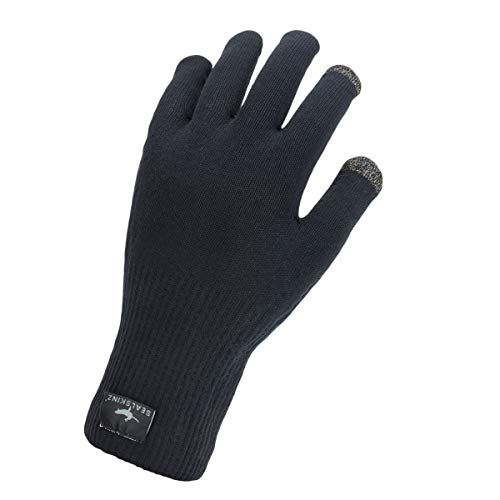
For a knitted pair of waterproof gloves that protect hands from wind, water, mud and cold, these come highly rated. They're available in various colours and made 100% waterproof and windproof. The unique multipurpose waterproof gloves for men are made close fitting and feature silicone printed fingers for ultra grip. The touchscreen capabilities and all-round design for everything from commuting to fishing and running to hiking, make this pair one of the best around.
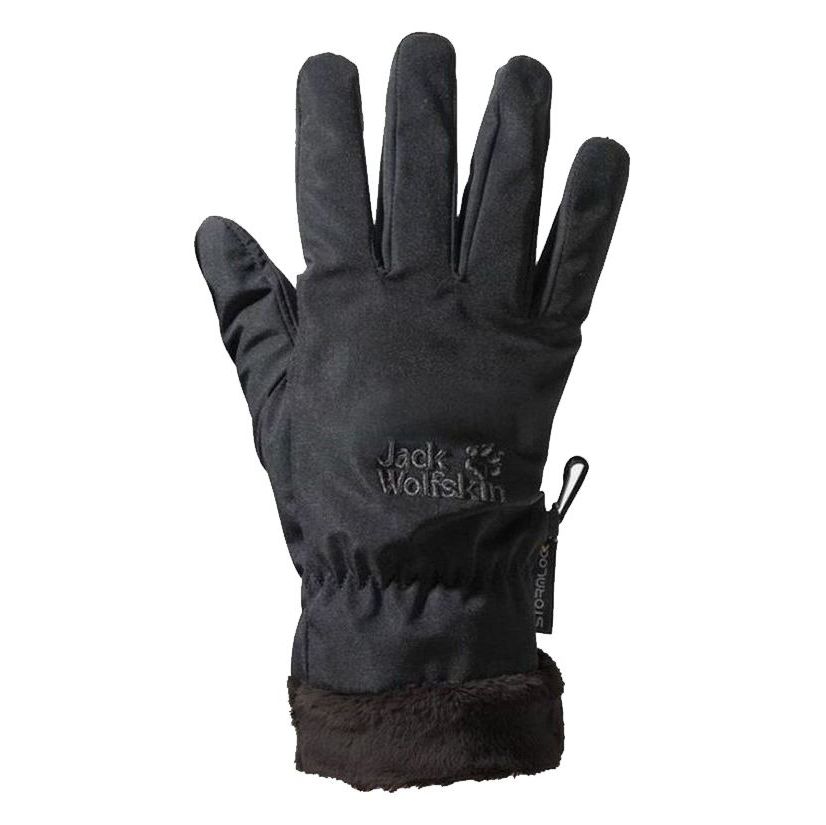
Loved by wearers for being "lovely, soft, warm, windproof, but not bulky," Jack Wolfskin's popular gloves are water-repellent, stretchy and lightweight, too. The fleece lining keep your fingers warm during the chilliest of days and they're extra breathable so they don't get too sweaty.
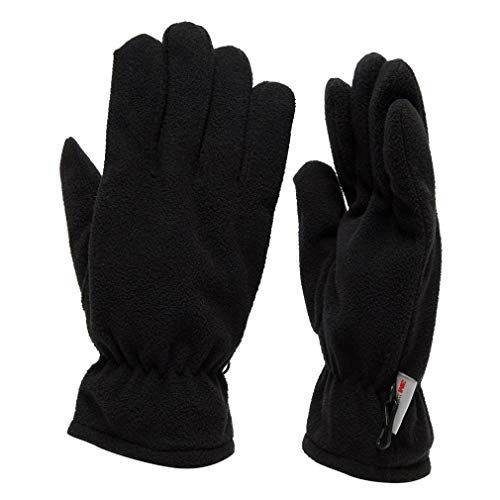
A toasty pair of waterproof gloves to keep your hands warm and dry this winter, Peter Storm's affordable gloves feature Thinsulate technology for extra protection against the weather. They have a palm grip and an adjustable wrist strap, and can be used for ski holidays too, as they were made with extreme temperatures in mind.
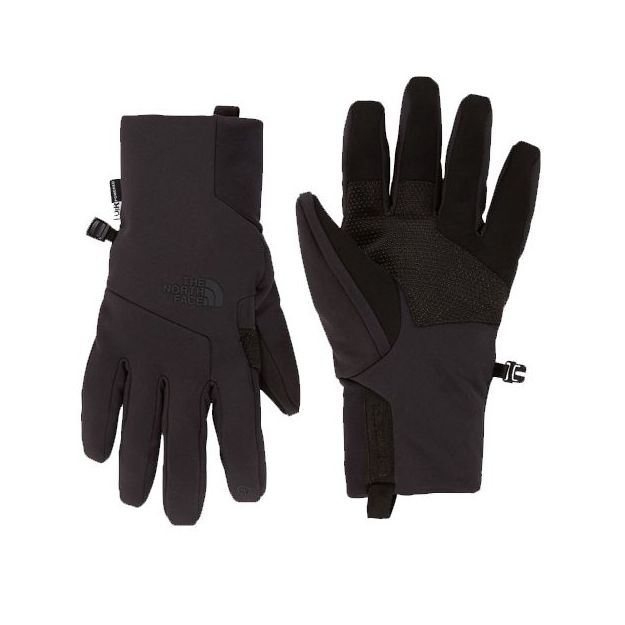
Supremely versatile, lightly insulated and touchscreen-compatible, The North Face's Men's Apex + Etip Glove comes in soft shell material, offering you comfort and optimum performance. Whether you're heading out for snowy dog walks or you get caught into the rain during a hike, these are a trusty companion.
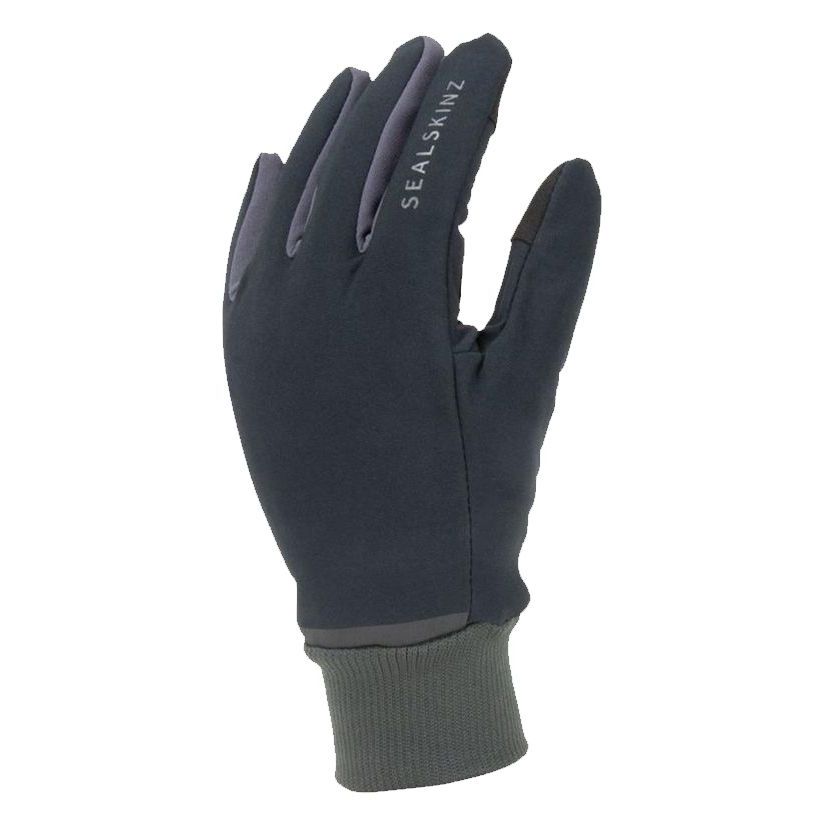
SealSkinz Waterproof All Weather Lightweight Glove with Fusion Control
With its 100 per cent waterproof and extremely breathable material, these waterproof gloves from SealSkinz are worth checking out. The perfect lightweight solution, the fleece-backed lycra gloves are made from three layers and eliminate movement between the layers to create extreme dexterity and improve your grip. If you're after a pair that keeps you warm, dry, and protected in any type of weather, the SealSkinz Waterproof All Weather Lightweight Glove with Fusion Control is one to add to your basket.
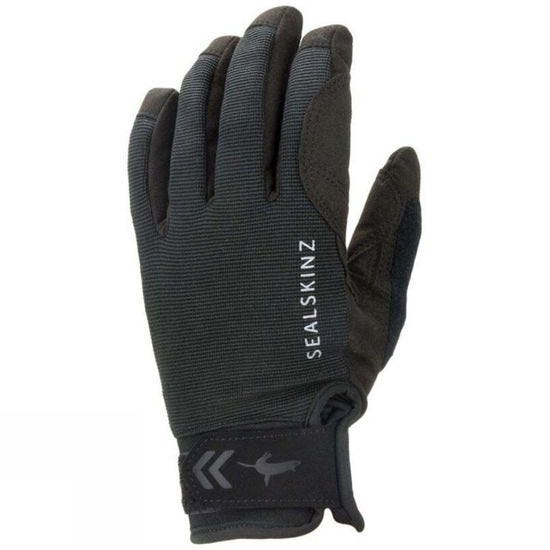
SealSkinz Mens Waterproof All Weather Glove
Another pair of waterproof gloves from SealSkinz, the experts in all-weather hand warmers, this men's design is waterproof, breathable and lightweight. The rugged and technical waterproof gloves feature a suede palm and pre-curved fingers for extra comfort. The thumb wiper is for a variety of uses, including wiping water or snow from your glasses.
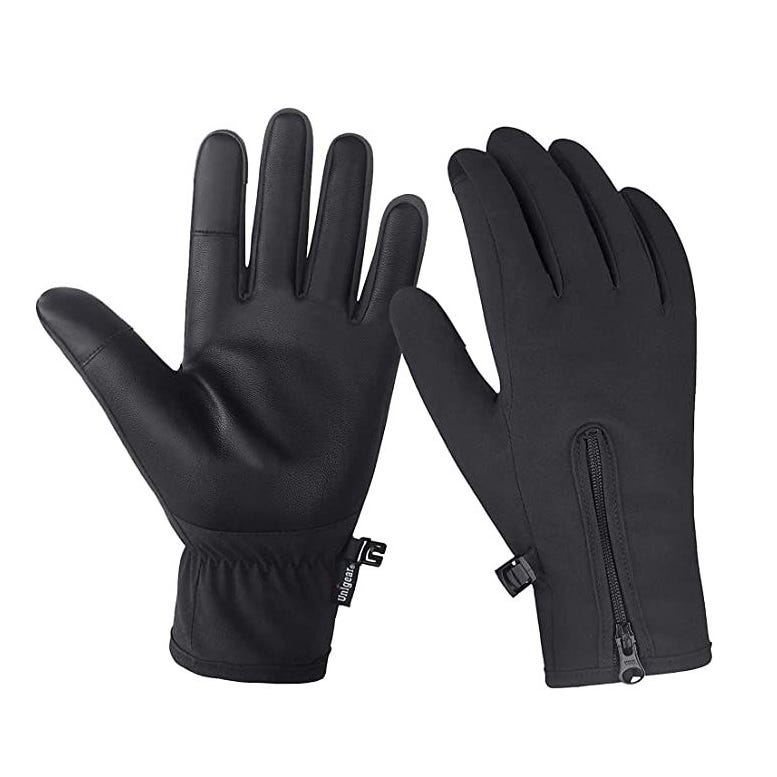
Highly praised by Amazon shoppers and affordable, these unisex waterproof gloves are useful for hiking, running, cycling, driving and more. They feature a zip closure on the back, making them easy to remove, and sensitive touchscreen capability so you'll have no problem using your phone. They're also non-slip and will keep both water and wind out.
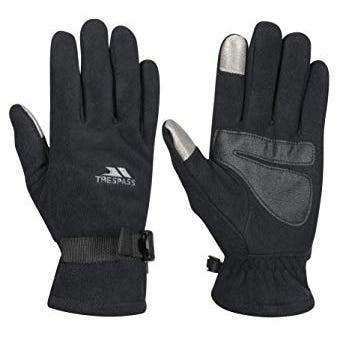
Described as "so warm" and "really easy to use your smartphone with," these waterproof gloves from Trespass are made from fleece material and are ideal for staying connected and checking your texts while you stay toasty. They're designed to be waterproof and breathable while the adjustable wrist strap ensures a snug fit.
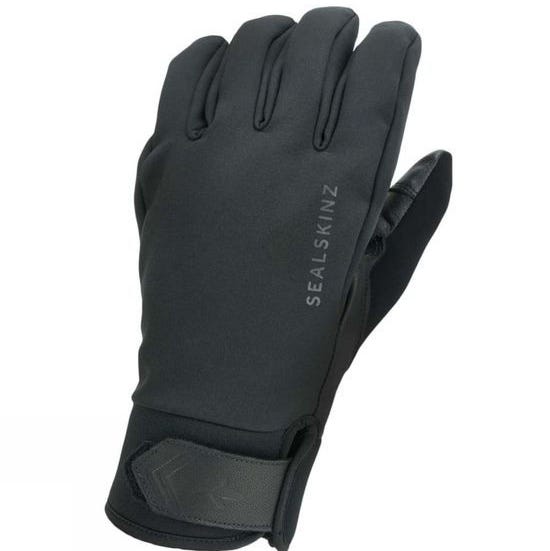
SealSkinz Women's Waterproof All Weather Insulated Glove
With its three-layer construction, touchscreen compatibility and goatskin palm for durability, this is a pair of waterproof gloves that last. The women's design is versatile, offers wrist closure for a secure fit and feels comfortable enough for everyday use and an array of adventures, from hiking to cycling. The all-weather waterproof gloves are constructed to fend off all conditions and you can expect excellent thermal protection.
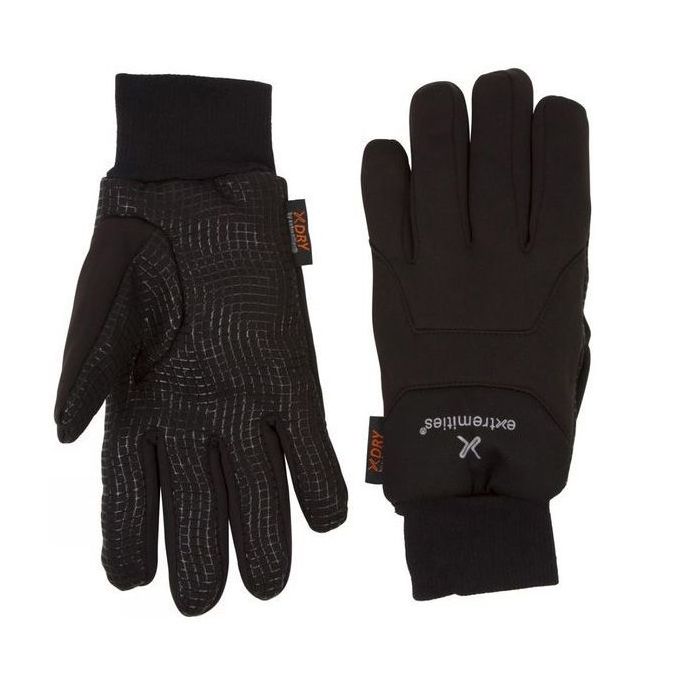
Extremities Insulated Waterproof Sticky Power Liner Glove
Warm, breathable and thermal, these waterproof gloves are perfect for occasions and activities where dexterity is key but you also need dry hands. Extremities has taken its popular sticky power liner thermal gloves and added a waterproof, breathable membrane, as well as insulation, to create an all-round winter glove. They're constructed from a warm and quick-drying stretch fabric, and feature a sticky silicone print palm and fingers for a secure grip.
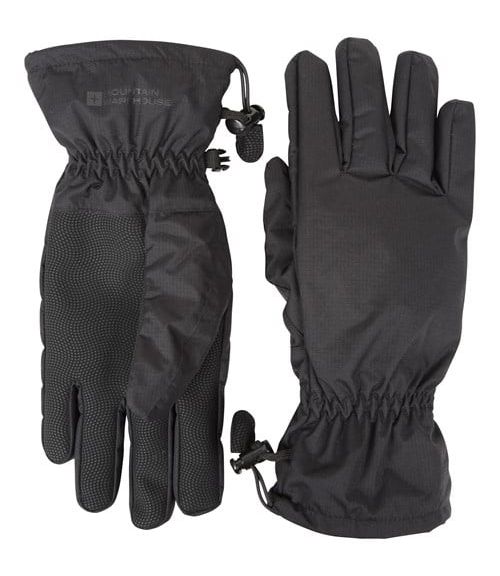
Mountain Warehouse Classic Waterproof Men's Gloves
Doing what they say on the tin, Mountain Warehouse's Classic Waterproof Gloves are fleece-lined for warmth, breathable and feature an elastic draw cord at the wrists to keep out the rain and snow. Ideal for walking and other outdoor activities, they have a textured palm and fingers, plus ripstop fabric for a pair that lasts. We like the thoughtful buckle to keep them together when you're not wearing the waterproof gloves.
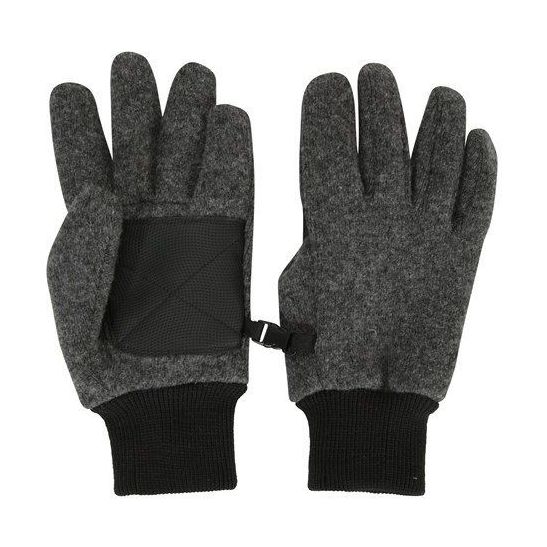
Mountain Warehouse Knitted Windproof/Waterproof Gloves
A cosy knit construction with an affordable price tag places Mountain Warehouse's waterproof gloves on our list of the best ones to buy this year. The unisex gloves are practical, featuring wide ribbed cuffs for a snug fit and textured patches on the palms for a firm grip. We like the classic knit fabric that's perfect for keeping your hands warm while you're outdoors. They're also windproof, breathable and offer a close fit around the wrists to keep the wet weather out.
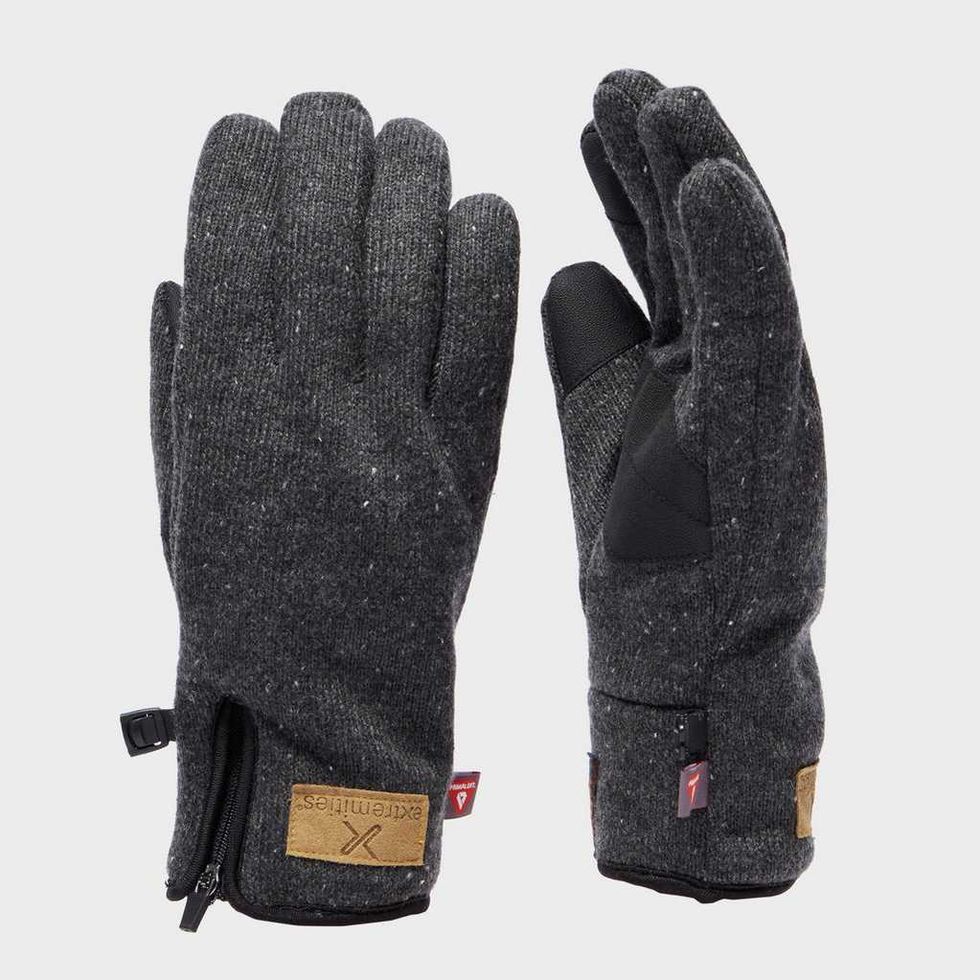
Extremities know a thing or two about keeping fingers warm and these waterproof gloves are worth checking out if you're after a pair that go beyond keeping your hands dry. They feature super-insulating Primaloft Gold, X-Dry waterproofing and smartphone compatible technology. The woolly waterproof gloves also have a PU leather palm and a zip so you can easily slip them off.
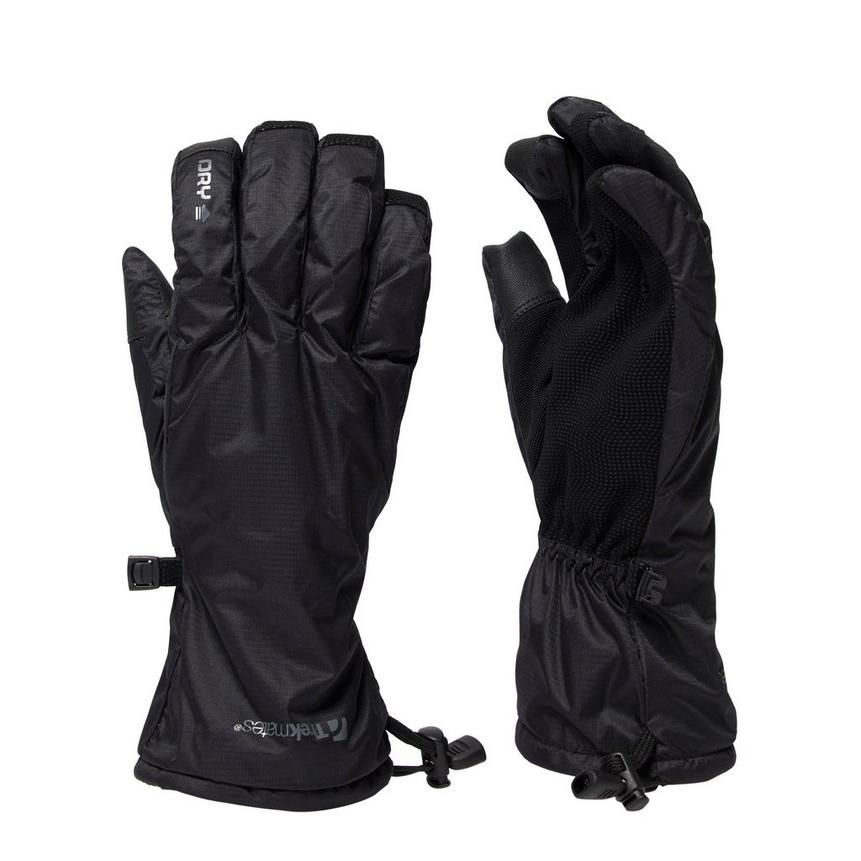
These clever waterproof gloves from Trekmates use DRY Shield technology, which offers lightweight protection from the elements at an affordable price. The brushed soft microfleece lining and elasticated wrist and adjuster help to retain warmth and superb comfort. They also have a tough and grippy palm and fingers with touchscreen compatibility.
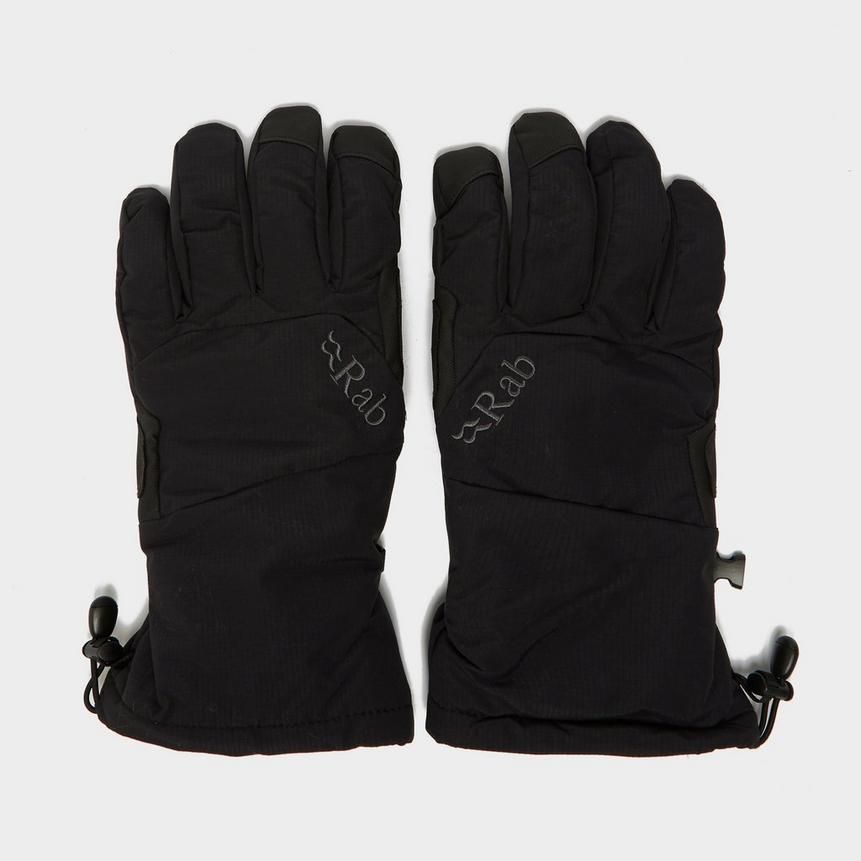
A tough pair of men's waterproof gloves that are ideal for fast hikes, strenuous scrambles and everyday downpours, these are made with Porelle waterproof membrane and inserts. They'll keep you super dry and provide ultimate warmth, too. The Porelle inserts are sandwiched between the shell and the lining to increase storm protection while still wicking away sweat. If you're after waterproof gloves for every season, these are worth checking out.
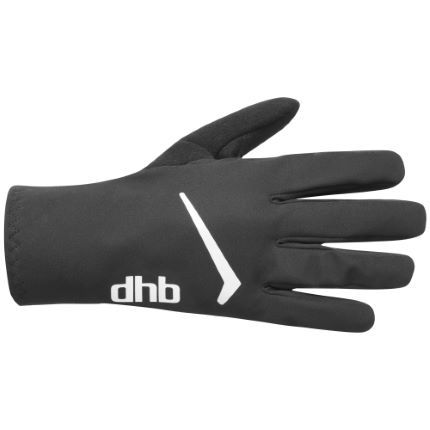
Designed with cyclists in mind, these men's gloves feature a waterproof and breathable membrane that keeps out the rain while allowing sweat to escape. The brushed fleece lining adds warmth for colder days and the stretch neoprene cuff offers an effective seal from the weather. The silicone grippers on the index and middle finger are ideal for shifting and braking duties while you cycle.
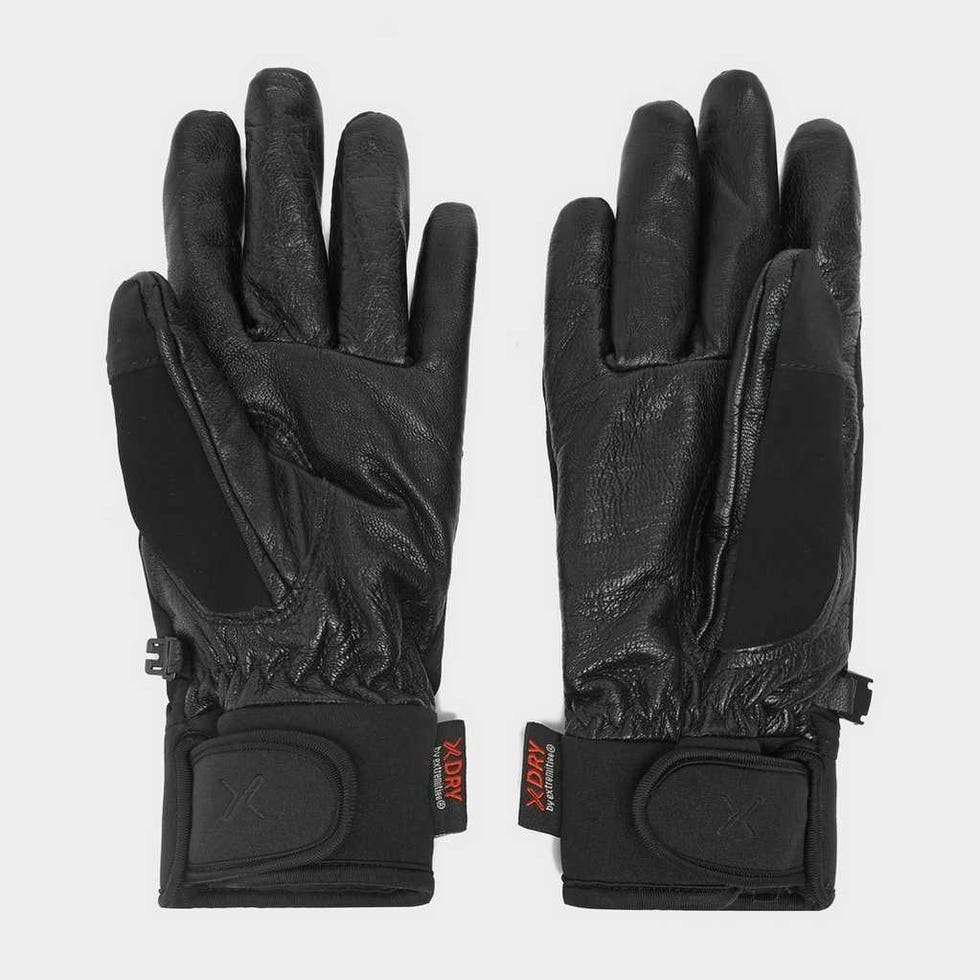
These leather waterproof gloves for men will protect hands from the cold weather and keep them dry. They're fully waterproof and feature a nose wipe for frosty days. There is also an adjustable neoprene cuff to keep cool winds at bay and the hard-wearing leather palm offers longevity of wear. If you're looking for a pair of waterproof gloves that look great and do the job, these are worth considering.
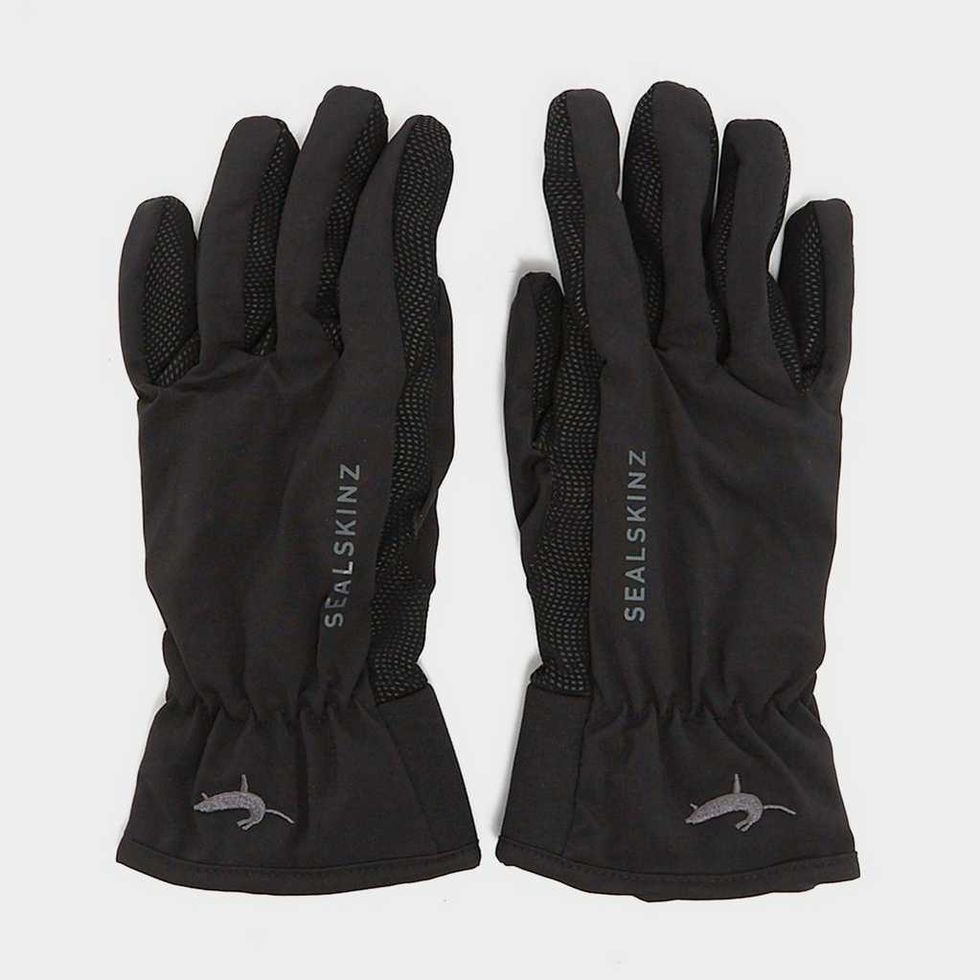
SealSkinz Women’s Waterproof All Weather Lightweight Glove
Fully functional, these waterproof gloves will take you from dawn to dusk with guaranteed protection from the wet weather and light snow. They keep you dry and warm on walks around town, doing outdoor work in wet conditions, and out on the trail with the dog. Think of these as the grippy, waterproof and thoughtfully designed gloves you'll want to take on every adventure.
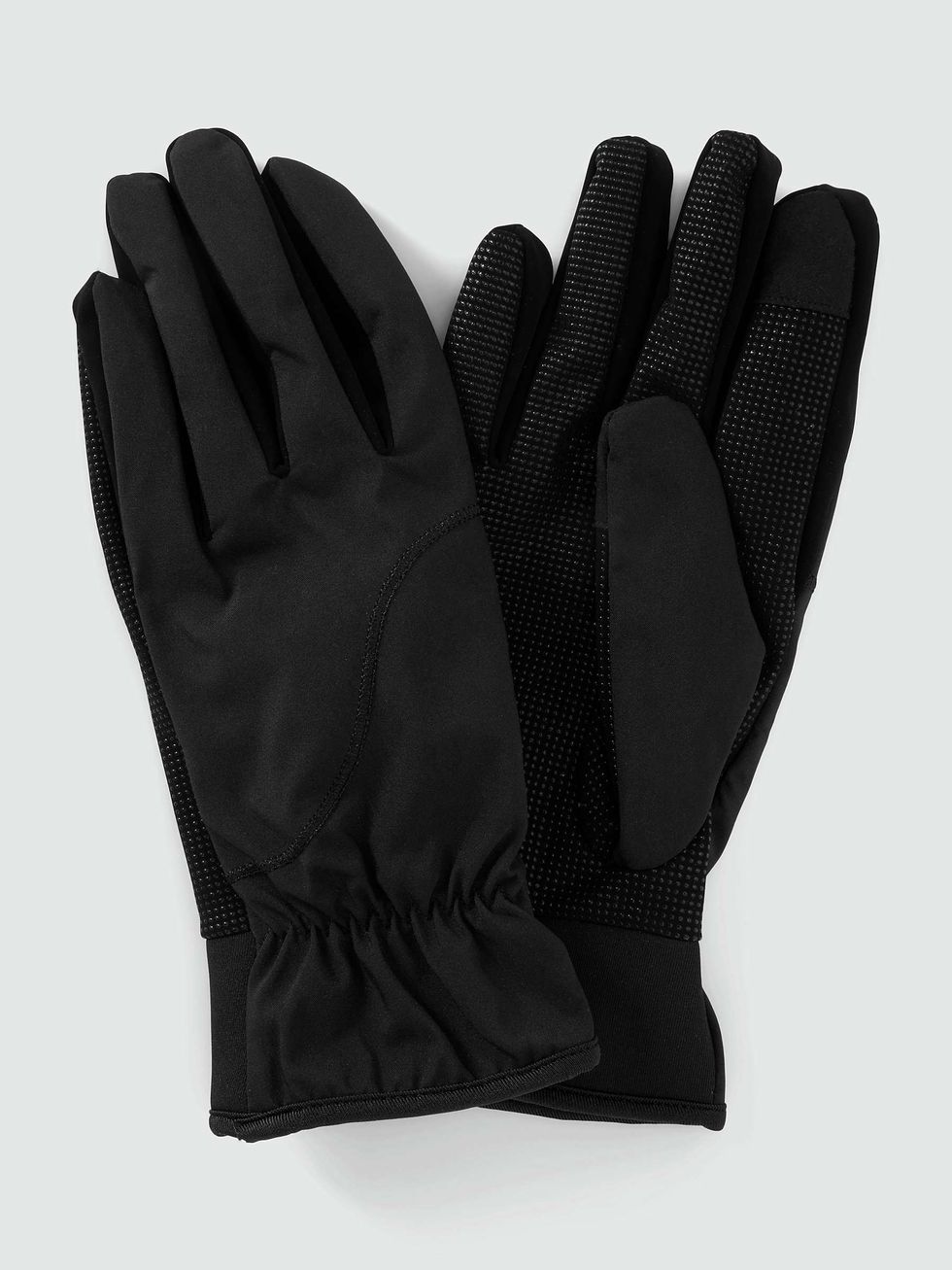
If you're looking for outdoorwear brands with pedigree, you can't do much better than British institution Barbour. These unisex gloves are straightforwardly practical, with plastic studding on the fingers and palm to give you grip while a thinner construction means you don't sacrifice dexterity for warmth and dryness.
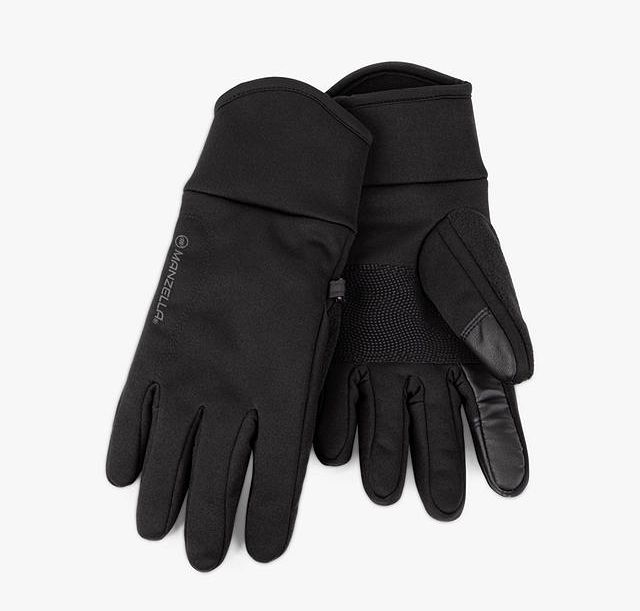
These gloves offer the best of all worlds: warm and dry enough to make your hands forget you're out in the thick of it, but thin and tech-packed enough – the All Elements 4.0 TouchTip tech in the thumbs and index fingers mean you'll be able to use touchscreens – to keep you in touch with everything around you too.
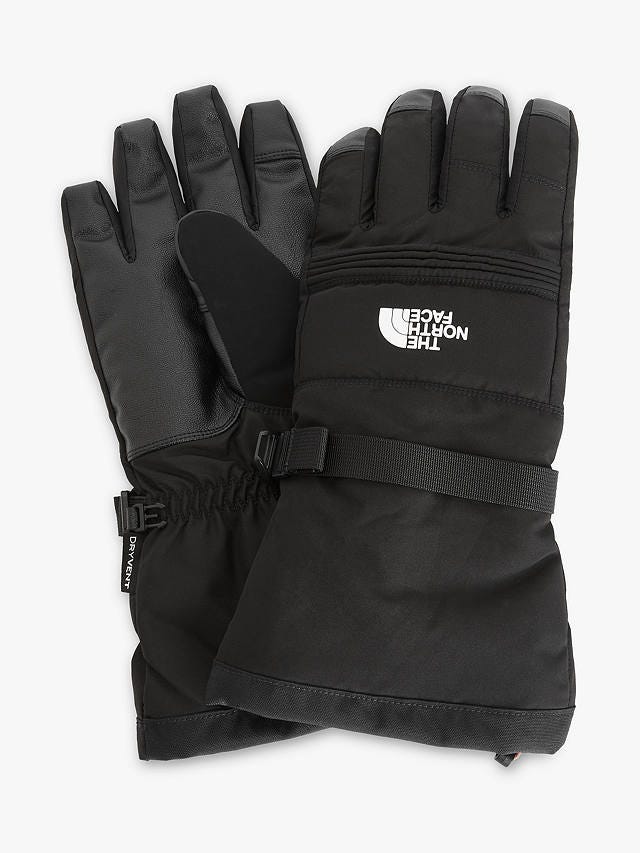
When the slopes are calling, only heavy-duty gloves will do. North Face's Montana gloves do everything that you need them to, and do it with recycled materials and an emphasis on keeping your hands dry from the inside as well as the outside. They're warm, they're waterproof, they're breathable, and you can use your phone with them too.
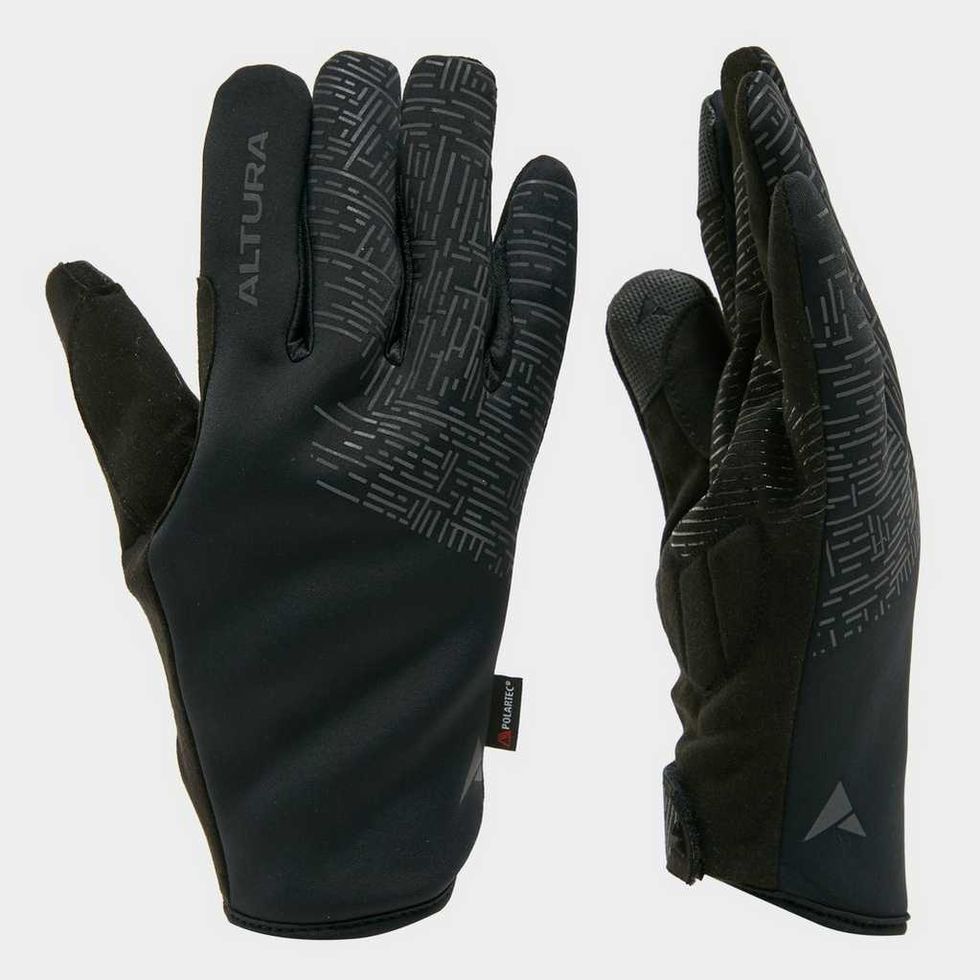
One for anyone who's after a pair of gloves which don't compromise on warmth while never getting in the way with their bulk, the Thermal Polartec Microgrid technical fleece which Altura uses in these gloves makes sure you get all the breathability and cosiness you want, and none of the extra padding you don't need.
Lisa Joyner is the Deputy Daily Editor at House Beautiful UK and Country Living UK, where she's busy writing about home and interiors, gardening, dog breeds, pets, health and wellbeing, countryside news, small space inspiration, and the hottest properties on the market. Previously, she has written for Conde Nast Traveller, House & Garden and Marie Claire magazine. Lisa studied at University For The Creative Arts, where she completed a BA in Fashion Journalism.


