
Are you wondering how to stop dog urine from destroying your grass? Dog urine is naturally rich in nitrogen, meaning high concentrations can cause our luscious lawns to burn.
"When urine is deposited frequently in the same spot, it can discolour and kill your grass," the team at Tails.com say. "The level of nitrogen found in your dog's urine can depend on a few different factors, including breed, gender and what it eats on a day-to-day basis.
"Larger breeds will often pee more, thus causing more damage. Female dogs tend to cause more damage than male dogs, this has to do with the way in which they urinate. It's simply because when they squat, the urine collects in one area, while male dogs spray all over."
Although urine pH levels can have a bearing on lawn health, too much can cause your grass to suffer. Some of the ways you can stop dog urine from damaging your grass include:
1. Dilute the nitrogen with water
When your dog pees on the grass, throughly rinse the spot afterwards with a watering can or hose to prevent the grass soaking up too much nitrogen.
"When nitrogen is diluted it can act as a form of fertiliser for your grass, but in your dog's urine, it's too concentrated and can have an adverse effect," explain the experts at Tails.com. "After your dog has urinated, pour water on the area, this will help to dilute the nitrogen within the urine and lessen the damage caused to the lawn by preventing the grass and soil from soaking up too much nitrogen."


2. Create a designated toilet area
Encourage your dog to urinate in the same spot each time by creating a designated toilet away from high-traffic areas. Depending on how much space you have, you could either build a small fence around a corner of your garden or simply buy a litter box that's large enough for your dog to climb into.

Tails.com add: "Put your dog on its lead, take them to a specific part of your garden and encourage them to do their business there — this can be an area with stones or compost that won't be destroyed with urine. You can establish the cue by rewarding your dog with a treat right after they have urinated in the designated area."
3. Encourage your dog to drink more water
"It's important that you encourage your dog to drink plenty of water throughout the day," explain the experts. "It goes without saying that ensuring your dog is hydrated is the best way to keep them healthy. By consuming more water, your dog's urine will dilute meaning there is less chance of your grass suffering from nitrogen burn and discolouration."
4. Find resistant grass
If you are still having trouble, it could be time to change your grass to varieties that are less sensitive to dog urine. While this won't prevent the long-term damage caused, the grass will take longer to show the damage and will be stronger at recovering. Resistant grass varieties include:
- Ryegrass
- Seashore paspalum
- St. Augustine grass
- Kikuyu grass
- Tall and Red fescues
- Kentucky Bluegrass
- Several Bentgrass species
- Buffalo grass


5. Apply a lawn repair treatment
"Using a lawn repair treatment will help to flush out the nitrogen and salts from the grass and stimulate root growth," add Tails.com. "Fertilisers will often contain enzymes and acids that will help to prevent lawn burns caused by urine, but some can cause an upset stomach if consumed by our pets.
"After you have treated your lawn, be sure to water the product off the grass and leaves after the application. This will make it safer for your pets."
12 dog toy boxes to keep your pet’s toys neat and tidy
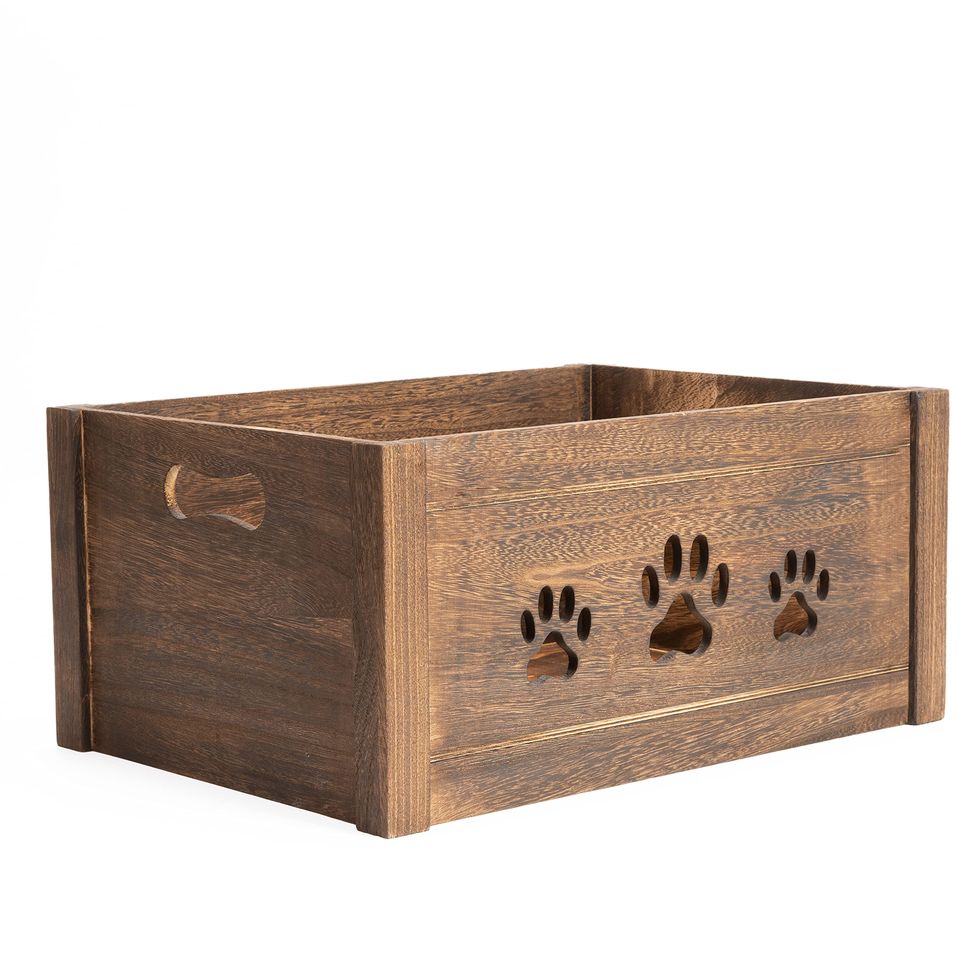
Paw Shaped Cutout Dog Toys Chest
This large wooden crate is perfect for storing larger toys or a whole host of smaller ones. We think the paw shaped cutout design adds a nice decorative touch, making this an ideal option to keep on display. Our pick is the brown version, but it also comes in a more minimal grey hue if you prefer. For dinky-sized dogs try the smaller size, which has adequate storage space, too.
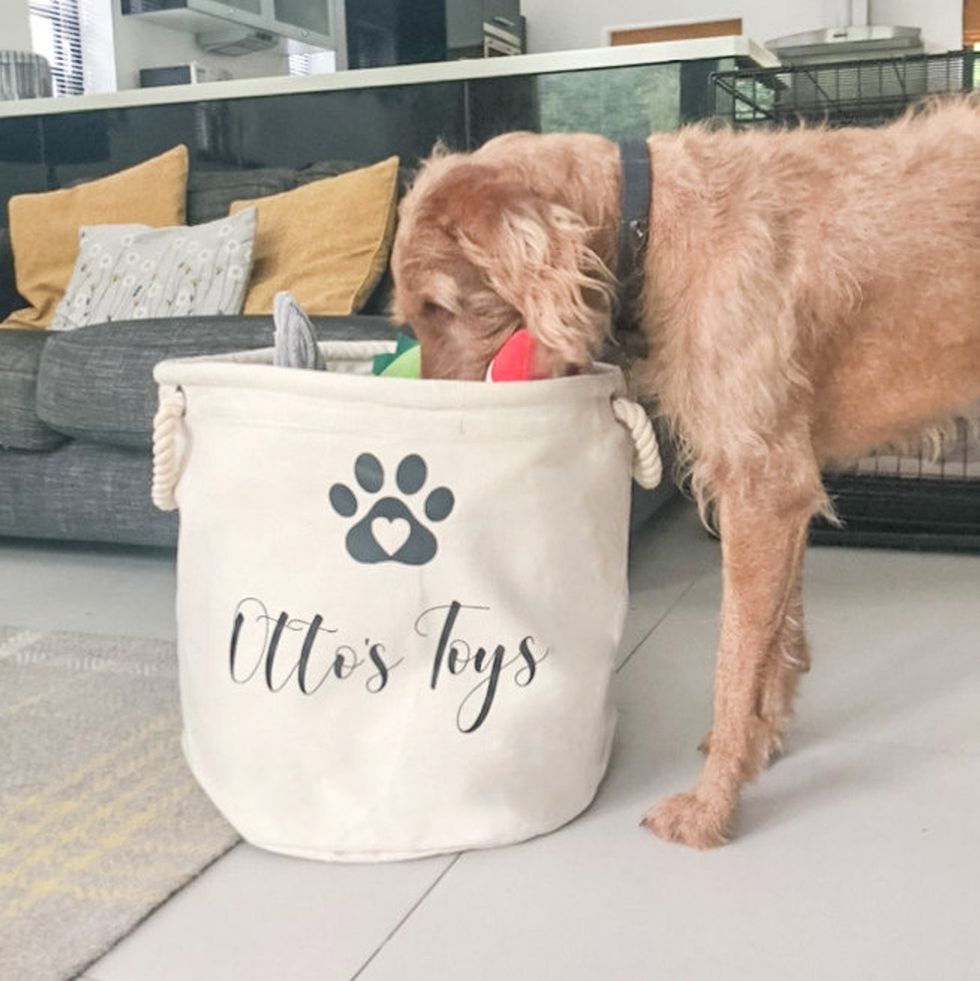
Personalised Pet Toy basket
This simple toy basket can be personalised with the name of your pooch with three sizes and two colours to choose from. Crafted from cotton, it features sturdy rope handles so you can move it around easily. We think it would make a thoughtful gift for a dog owner, too.
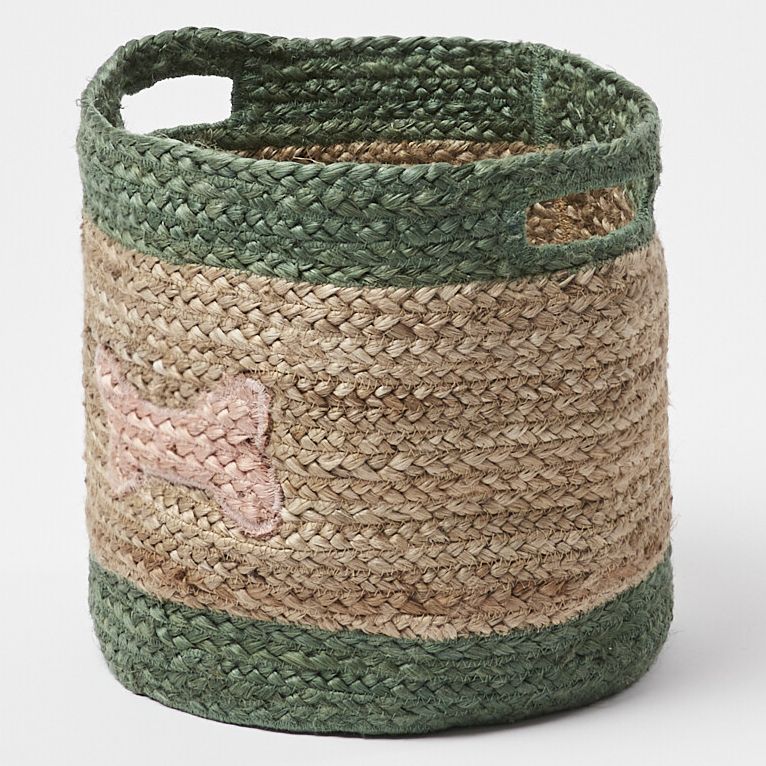
Dog Toy Blue Jute Storage Basket
We love a good jute storage basket for storing a whole range of different things in our home, so of course we had to include a jute dog toy storage option.
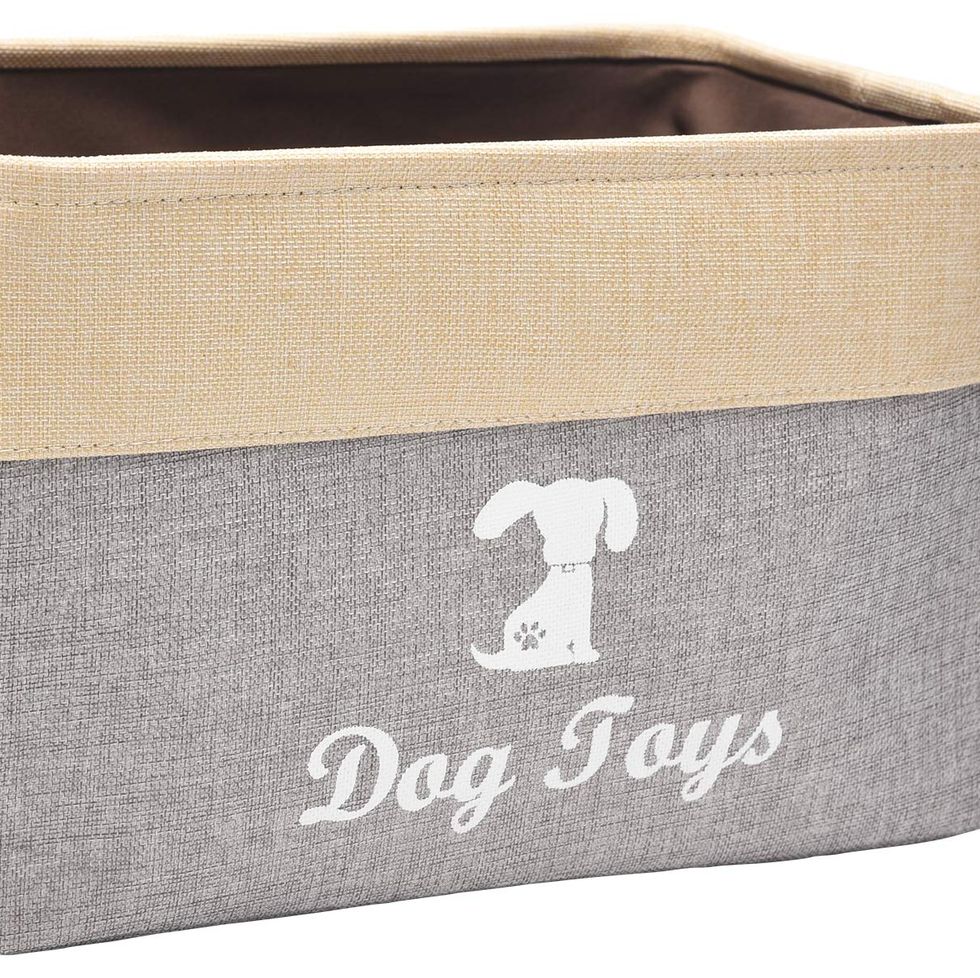
Linen Storage Basket
Available in grey, brown or blue colourways, this fun linen storage box will save you from tripping over your dog's toys or belongings. It's also fantastic for storing rolled up pet blankets as it will slot neatly onto most shelves. It’s also a great space-saving option as it’s fully collapsible so you can fold it down and pack away if needed.
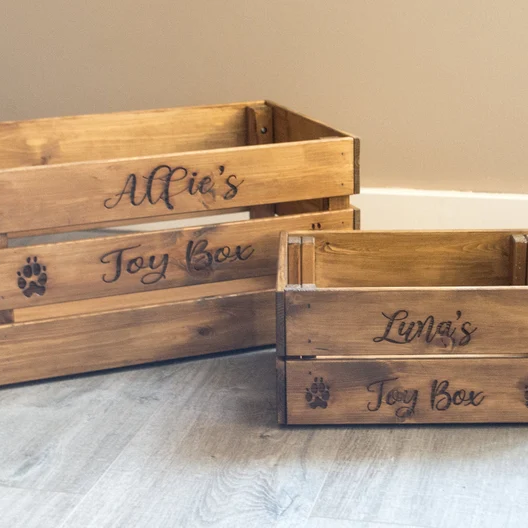
Large Dog Toy Box
This toy organiser box will allow you to store all of your dog’s favourite games in one place. Handmade from pine wood, it’s a super stylish storage solution to keep your pups toys tucked away neatly. We think this will look great everywhere, but particularly in rustic-inspired interior schemes.
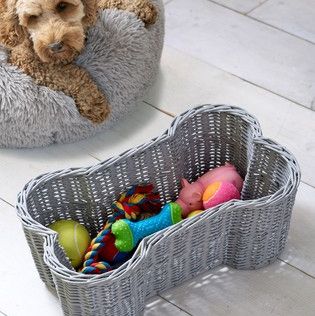
We're big fans of this bone shaped storage basket from Next. The rattan material suits a range of different interior styles.
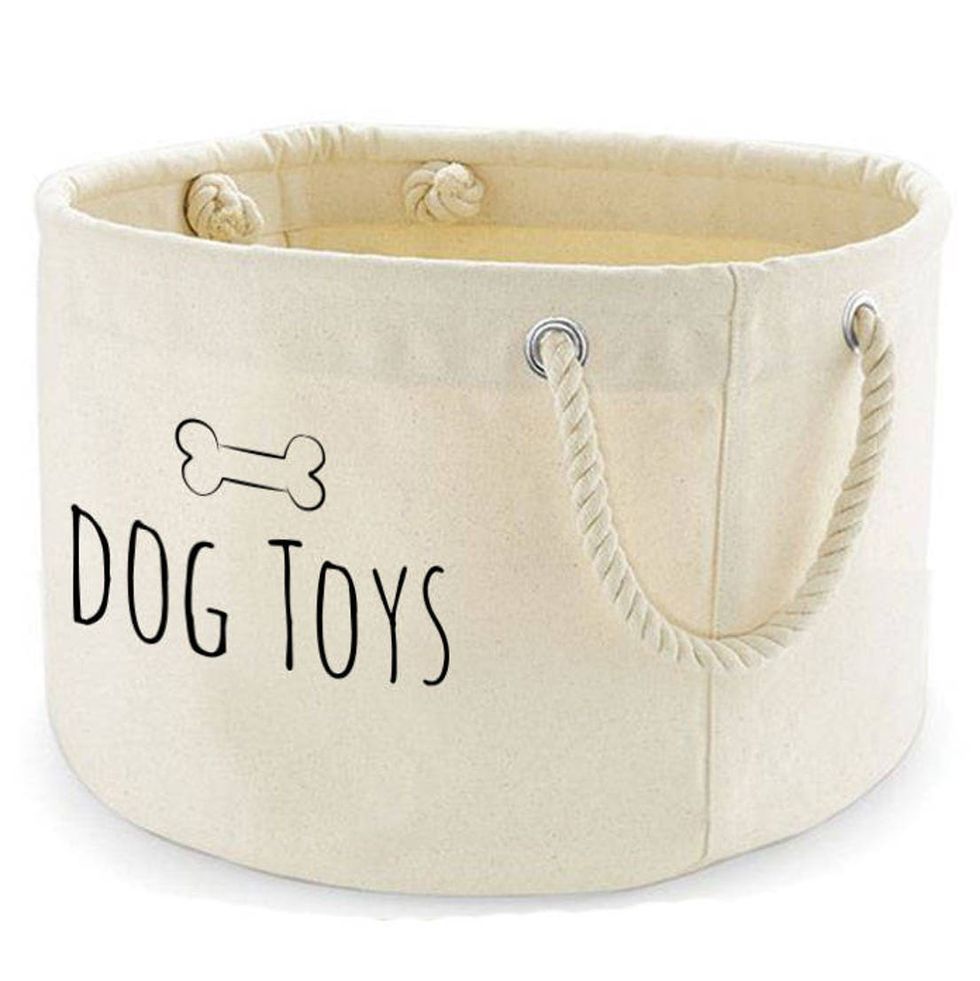
Dog Toys Basket
This simple cotton bag is made of a durable canvas and is a brilliant option for puppies or smaller dogs, whose toys tend to be a little bit smaller.
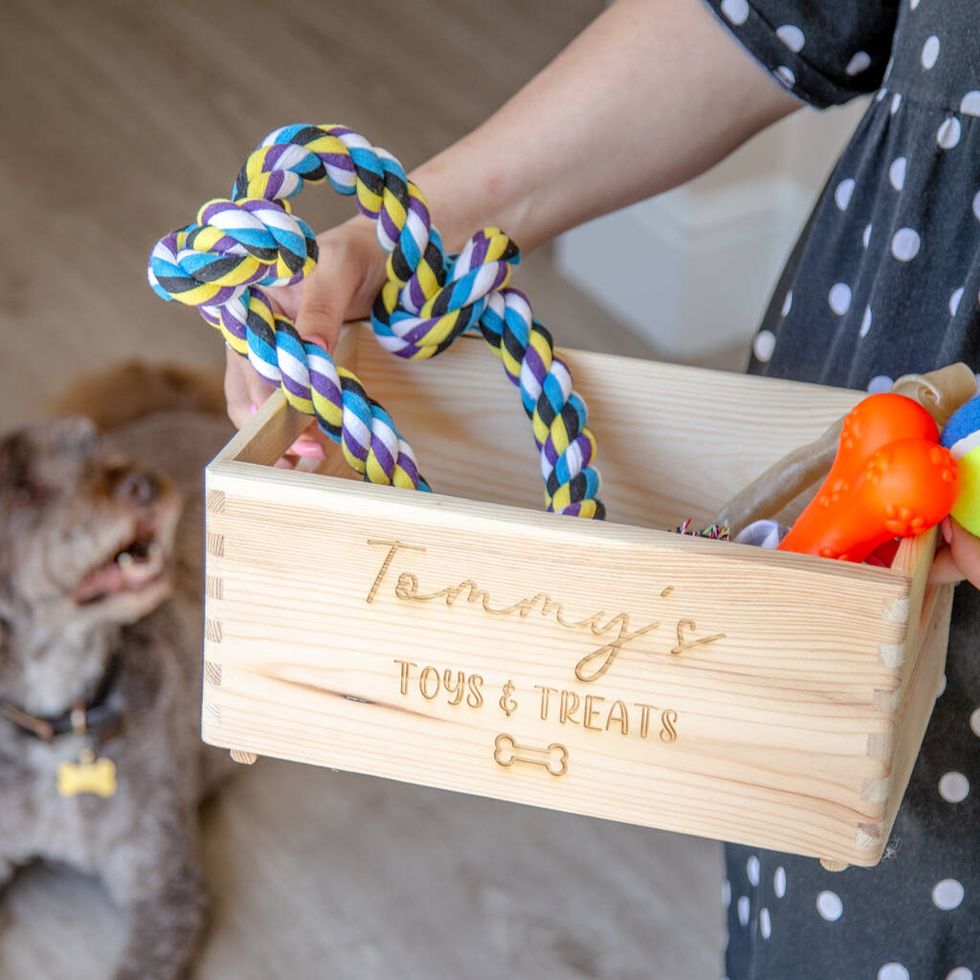
If you're looking for a personalised option, we love this wooden crate from Not On The High Street. You can choose to add two different lines of text and, if you're shopping for a cat as well as a dog, you can change the bone engraving to a fish logo.
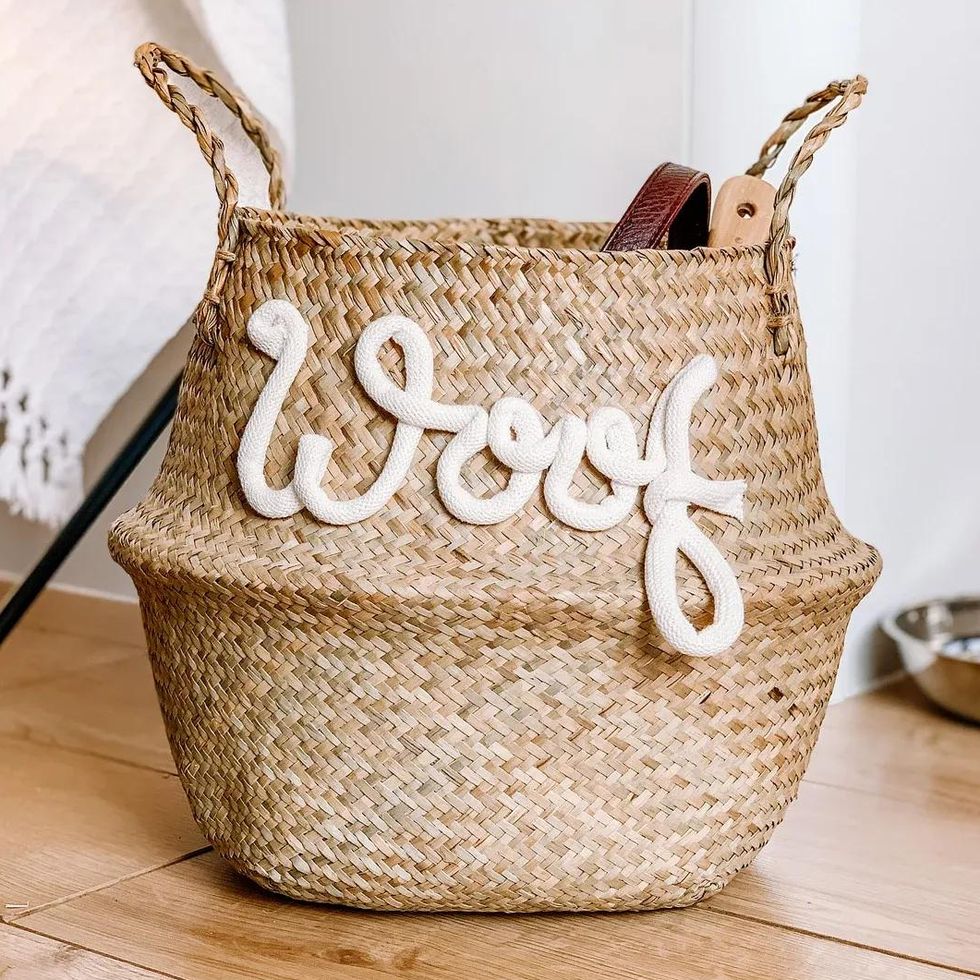
Dog Toy Basket
Support a small local business with this handmade seagrass dog toy basket from Etsy. We love the neutral colours.
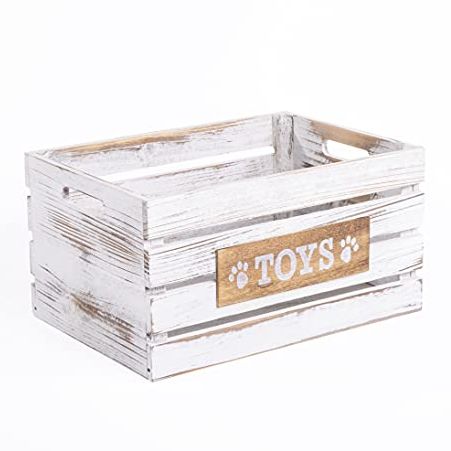
Wooden Pet Toys Storage Box
This shabby chic wooden dog toy storage box would look great in beachy or minimalist decors. It also comes in three sizes: small, medium and large.
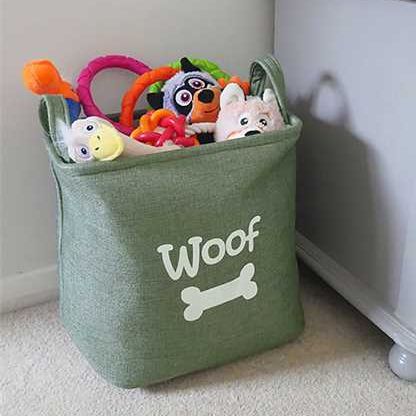
This canvas toy basket is ideal for storing some of their most loved stuffed animals and squeaker toys. We like the forest green shade of this particular basket.
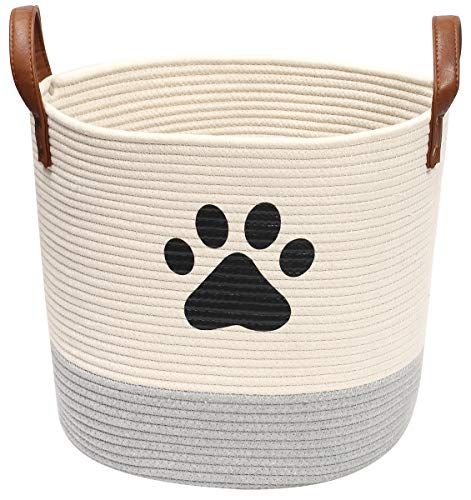
Round Cotton Rope Storage Basket
With lots of 5 star reviews, this sturdy cotton rope storage basket is machine washable and would work in a variety of different rooms in your home.
Lisa Joyner is the Deputy Daily Editor at House Beautiful UK and Country Living UK, where she's busy writing about home and interiors, gardening, dog breeds, pets, health and wellbeing, countryside news, small space inspiration, and the hottest properties on the market. Previously, she has written for Conde Nast Traveller, House & Garden and Marie Claire magazine. Lisa studied at University For The Creative Arts, where she completed a BA in Fashion Journalism.


