
As welcome as spring is, it also marks the start of mould season. Rising temperatures following months of frequent rainfall lead to increased humidity, creating the perfect conditions for mould growth in your home.
A 2023 report by the UK Health Security Agency found that around two million people –roughly 3% of the population – live in damp or mouldy homes, putting them at greater risk of health issues like respiratory infections.
Next to taking measures like opening windows frequently to improve airflow and drying the washing outside, there is also a selection of houseplants that can help keep the springtime mould at bay.
Recognising the seasonal risk, window and door designer The Residence Collection has compiled a list of mould-repellent indoor plants to keep your home happy and healthy this spring.
1. English Ivy


The dense foliage of English Ivy allows it to trap airborne particles, such as mould spores. It’s also great at absorbing excess moisture in the air. Ivy will do its best job placed on a windowsill where it can absorb the sunlight while protecting curtains or blinds from catching mould. A word of caution: Ivy is poisonous, so ensure your pets can't reach it.
2. Peace Lily


Like mould, this pretty plant thrives in high humidity and low levels of sunlight, making it the perfect plant to keep in dark and damp environments like bathrooms. Its leaves have air-purifying qualities and can help reduce moisture in the air.
What to Read Next
As with English Ivy, keep your Peace Lily away from your pets, as its leaves can be dangerous when ingested.
3. Boston Fern


Also known as Sword Fern, Boston Fern loves moisture and thrives in indirect light, which makes it the perfect plant for humid bathrooms. "Boston Ferns are fantastic at balancing the humidity in your home, making it less favourable for mould to grow," the experts say.
4. Spider Plant


A popular and low-maintenance houseplant, Spider Plants are great at filtering out harmful pollutants from the air and absorbing moisture, making them the perfect choice for mould prevention in the home. Place them in a well-lit area.
5. Aloe Vera


Aloe Vera's moisture-absorbing and antifungal properties make this plant an excellent mould-repelling variety. Place it near a window as the succulent loves bright but indirect sunlight. With Aloe Vera, too, caution for pets is advised.
6. Snake Plant


Dracaena trifasciata, better known as Snake Plant, is another great choice for humid environments. Not only are they easy to grow and nice to look at, but they also excel at absorbing toxins and moisture while improving the air quality by releasing oxygen at night. What more could you ask for?
The houseplant edit
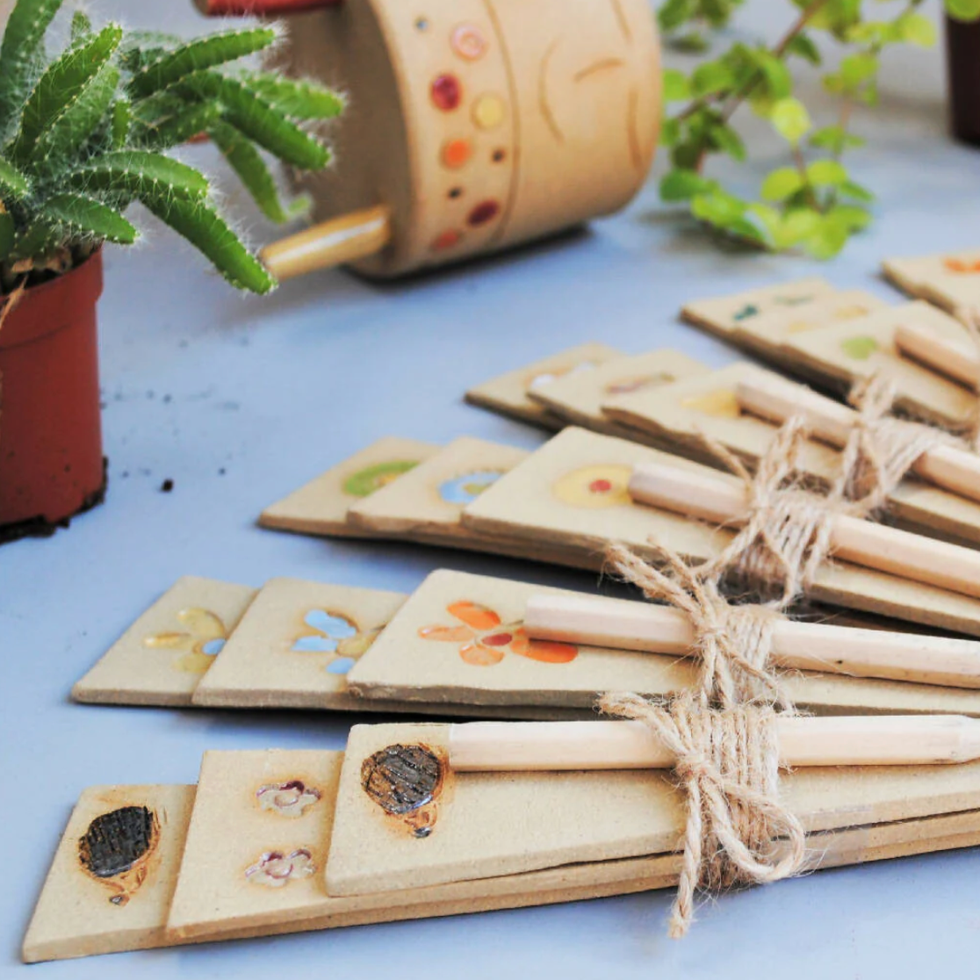
Stoneware Ceramic Plant Markers and Labels Set
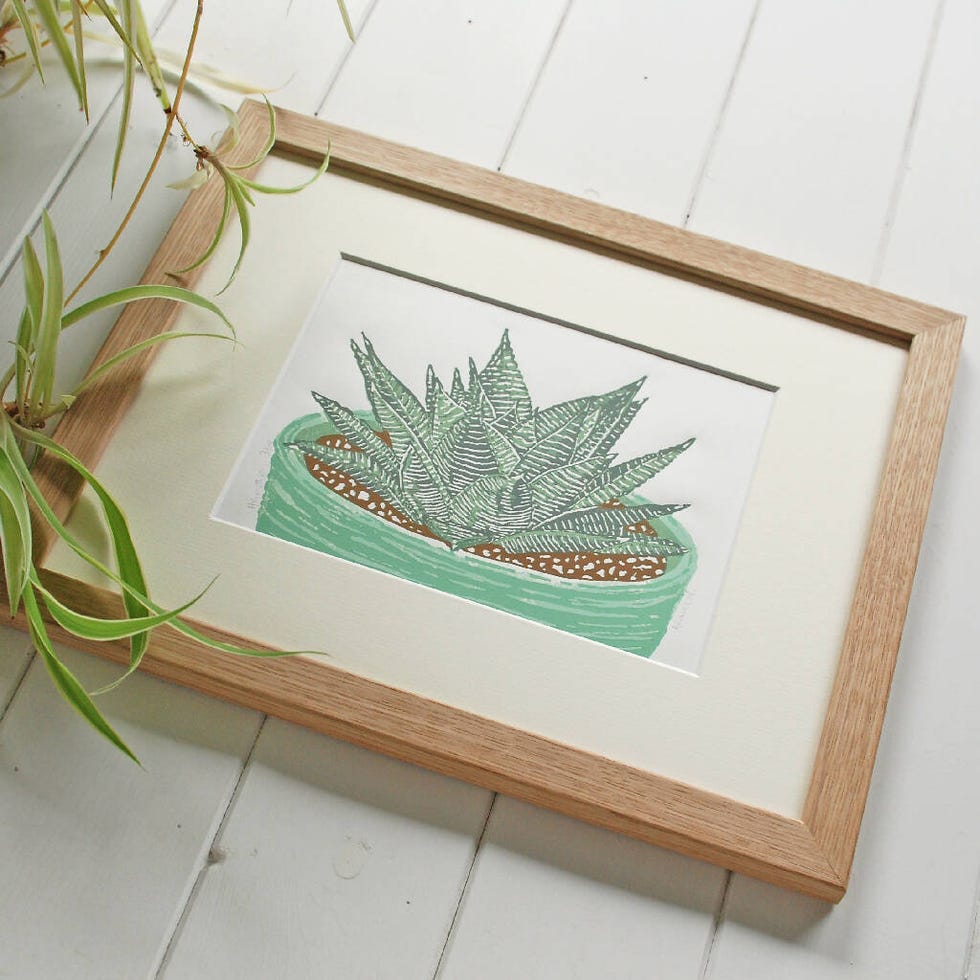
Haworthia - Original Linocut Print
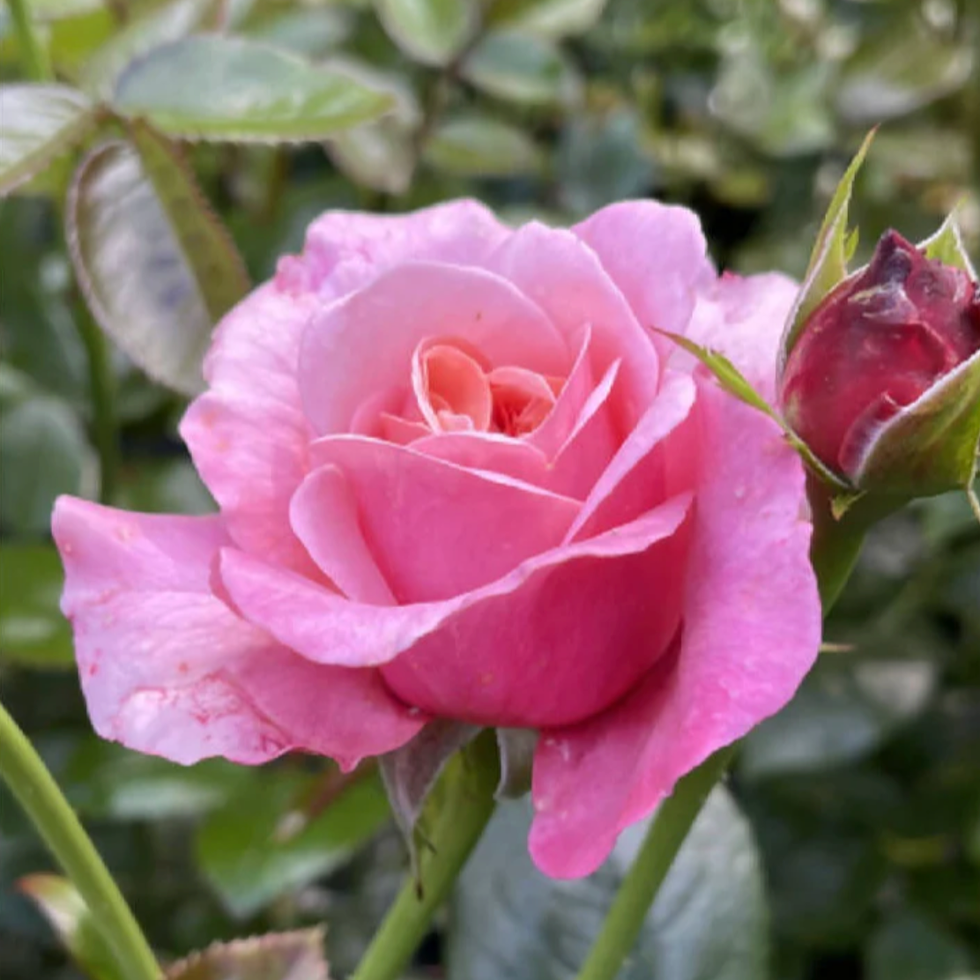
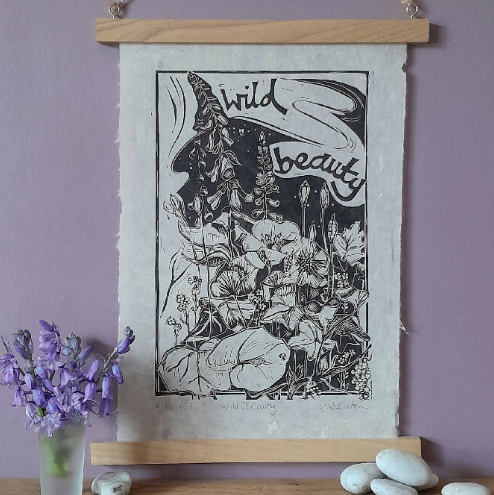
'Wild Beauty' Linocut Print on Handmade Paper
Wanda Sachs is the Multiplatform Writer for Country Living and House Beautiful, exploring the latest in gardening, wildlife and sustainable living alongside interiors and property. She is particularly interested in human-interest stories, the intersection of design and pop culture, and the evolving relationship between urban and rural life. Previously, she served as Associate Editor at The Berliner in Berlin, where she reported on culture and fashion. Wanda studied English and German at the Goethe University Frankfurt and Exeter University.


