

As the autumn evenings cool, our gardens begin to wind down for the season. But one of the things most gardeners and plant lovers dread is the first frost or freeze of the season.
Frost and freeze dates change from year to year and depend on where you live, but both conditions damage plants. Factors such as the temperature and duration of cold influence the severity of the damage.
If you’re ready for the growing season to end, it’s fine to let nature take its course when a frost or freeze is forecast. However, if you hope to extend your growing season, you will need to shield tender plants.
"Overall, it's more important to protect plants from frosts and freezes in spring than in autumn, since most plants are going dormant anyway," says Stacey Hirvela, horticulturalist and marketing manager for Proven Winners Color Choice Shrubs. "However, if a frost or freeze threatens early in the early, but more normal weather is expected ahead, you might want to protect annuals or vegetables to enjoy them for more weeks."


What is a frost?
A frost occurs when the dew point is below freezing. "You can essentially think of frost as frozen dew," says Hirvela. The air temperature can be above freezing (between 0-2.2°C), but if the dew point is below freezing, frost will form on the surfaces of plants.
Frost damage usually appears as burnt leaf or flower edges and leaf and bloom drop. Some plants can survive frost damage and hang on until there’s a freeze.

What is a freeze?
A freeze occurs any time the air temperature drops below 0°C, says Hirvela. If freezing temperatures develop briefly, damage to sensitive plant tissue is often minimal, whereas if low temperatures persist, damage will be severe and widespread.
Freeze damage kills plants because water in the plant cells freezes and expands. The plants may wilt, flop over and turn brown or black.

How can I protect my plants from a frost or freeze?
If a frost or freeze is forecast, here’s what you can do to shield vulnerable plants if you cannot bring them indoors:
- Cover them. Your grandma probably used old sheets or blankets, and that’s fine. But use stakes to keep blankets from weighing down more delicate plants. Cloches, baskets or large, overturned pots also work. But avoid using plastic or tarps, which can trap moisture, says Hirvela.
- Start early. Cover the entire plant before sunset so you capture some warm air, and anchor the edges with landscape fabric staples or rocks. Remove the coverings the next day after it warms up.
- Cluster pots together up against your house. This will allow them to benefit from the heat your house accumulates during the day. The heat will radiate and offer a slightly warmer microclimate that may mitigate cold damage, says Hirvela.
- Use row covers. Row covers can raise temperatures a few degrees for the plants underneath them, which can be enough to keep a plant from freezing.
16 great books for gardening and indoor plant inspiration
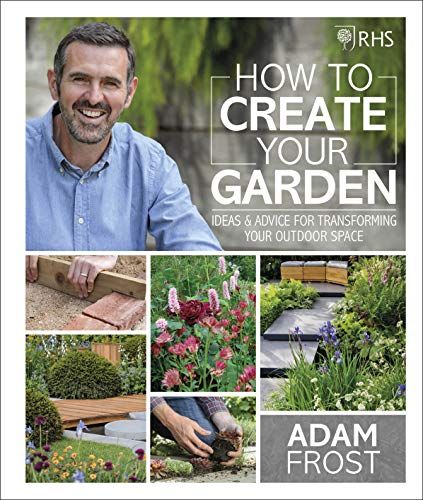
RHS How to Create your Garden: Ideas and Advice for Transforming your Outdoor Space
Adam Frost's practical, no-nonsense approach will help you plan and build a garden that works for you. The Gardeners' World presenter takes you step by step through the whole process, from simple garden design ideas to a full garden makeover.
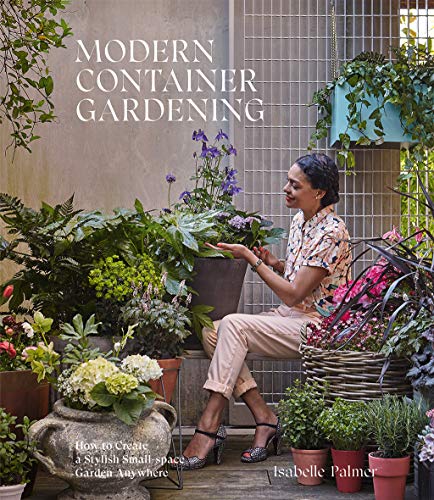
Modern Container Gardening: How to Create a Stylish Small-Space Garden Anywhere
Isabelle Palmer shows you how to make the most of every little space with a series of projects for small gardens, singular containers and window boxes, that can be completed in a day or weekend. Perfect for novice gardeners, Modern Container Gardening offers beautiful photography and clear step-by-step instructions.
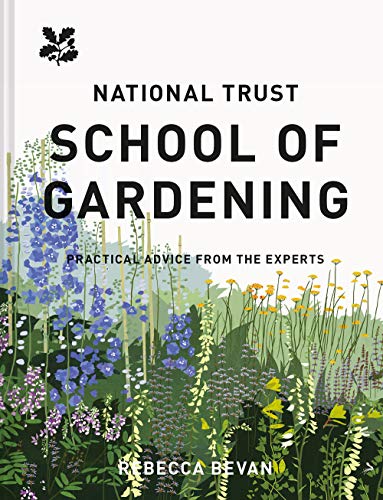
National Trust School of Gardening: Practical Advice from the Experts
The National Trust employs over 500 gardeners with an extraordinary wealth of expertise. And now, in this in-depth guide, they pass on their wisdom and provide the answers any new and seasoned gardener is looking for. This book is intended to give you inspiration and confidence to make the most of your garden, without being overwhelmed with unnecessary technical detail.
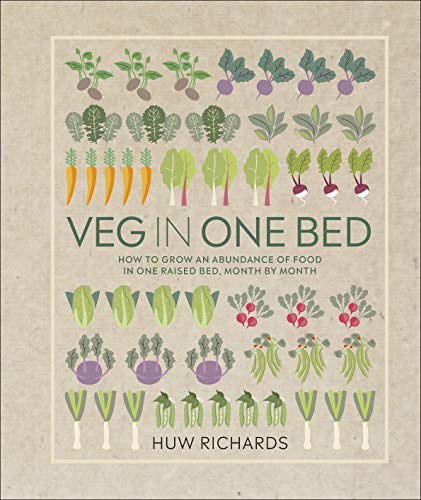
Veg in One Bed: How to Grow an Abundance of Food in One Raised Bed, Month by Month
Veg In One Bed explains how to build your bed and grow from seed, as well advice on planting, feeding, and harvesting. YouTube gardening star Huw Richards shows how to guarantee early success by starting off young plants on a windowsill and suggests what to grow in each part of the bed.
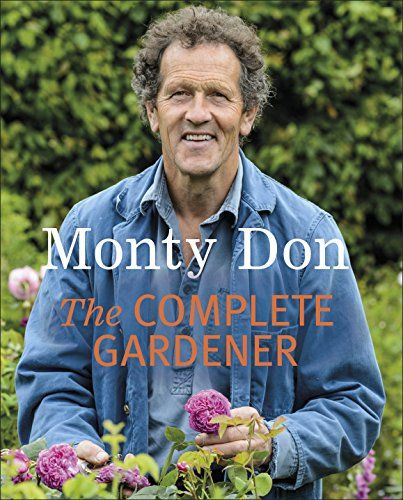
DK The Complete Gardener: A Practical, Imaginative Guide to Every Aspect of Gardening
Monty Don offers straightforward gardening advice in this book, revealing the secrets of growing vegetables, fruits, flowers, and herbs, while respecting the needs of the environment by gardening organically. You can also enjoy a tour of his Herefordshire garden, including his flower garden, herb garden, kitchen garden, and more.
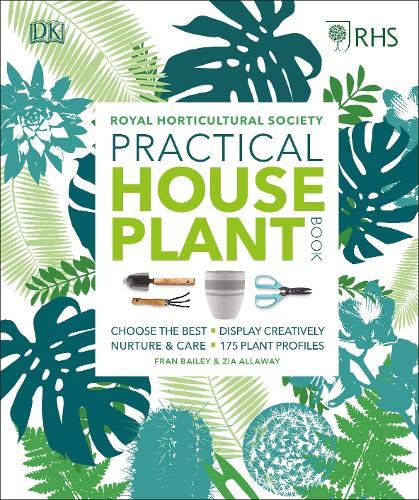
DK RHS Practical House Plant Book
The Practical House Plant Book by the RHS contains a dozen step-by-step projects to help you assemble an eye-catching terrarium, create a floating kokedama 'string garden', or propagate succulents. Complete with 175 in-depth plant profiles, this is an essential practical guide for indoor gardeners.
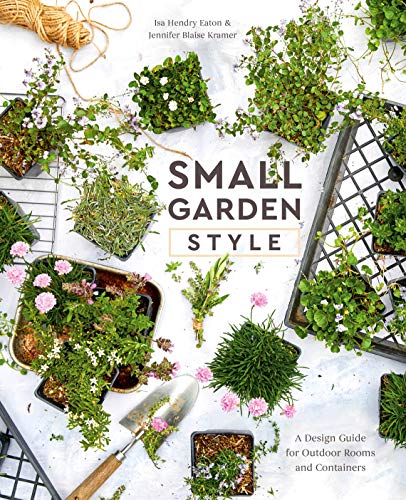
Ten Speed Press Small Garden Style: A Design Guide for Outdoor Rooms and Containers
A small garden space – an urban patio, a tiny backyard, or even just a pot by your door – doesn't have to sacrifice style. In Small Garden Style, garden designer Isa Hendry Eaton and lifestyle writer Jennifer Blaise Kramer show you how to use good design to create a joyful, elegant, and exciting yet compact outdoor living space.
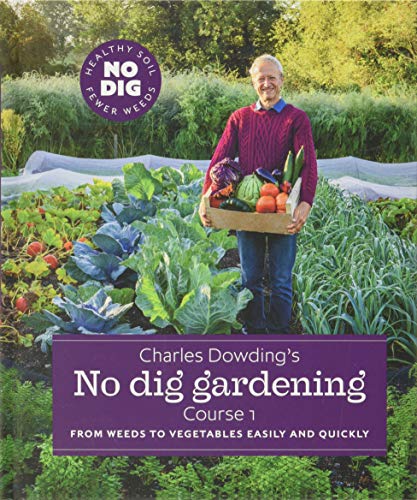
No Dig Garden Charles Dowding's No Dig Gardening: From Weeds to Vegetables Easily and Quickly: Course 1
Charles Dowding, innovator of no dig, teaches you everything you need to know about this method of organic gardening. With 19 chapters, you'll learn how to use no dig on different soil types, recognise and massively reduce the different types of weeds, know the difference between soil and types of compost, and grow an abundance of vegetables using the no dig method.
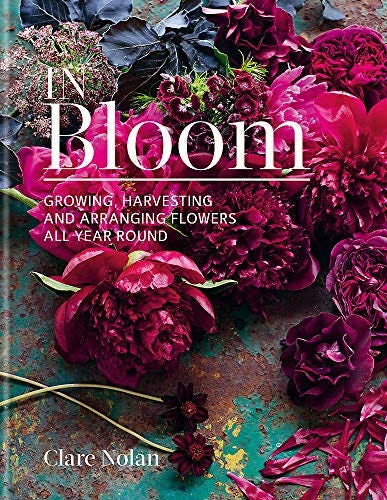
Kyle Books In Bloom: Growing, harvesting and arranging flowers all year round
Get all the inspiration you need for planting cut flowers, and fill your home with colour and the gorgeous scent of the garden year-round with In Bloom. Clare Nolan reveals her secrets for growing a bountiful harvest as well as styling spectacular homegrown displays in this beautifully designed book.
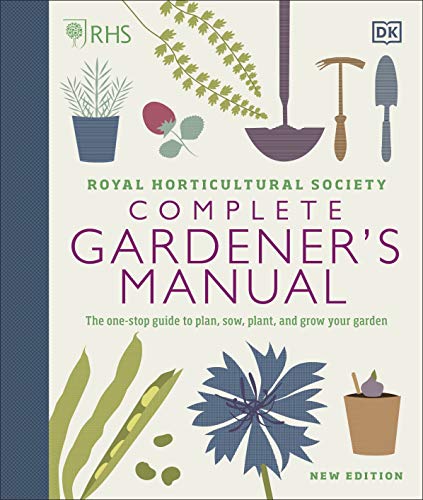
The RHS' Complete Gardener's Manual will help you choose plants that will thrive in your space, design a border for year-round colour, grasp different pruning techniques, discover how to protect your veg patch from pests, and make the best compost.
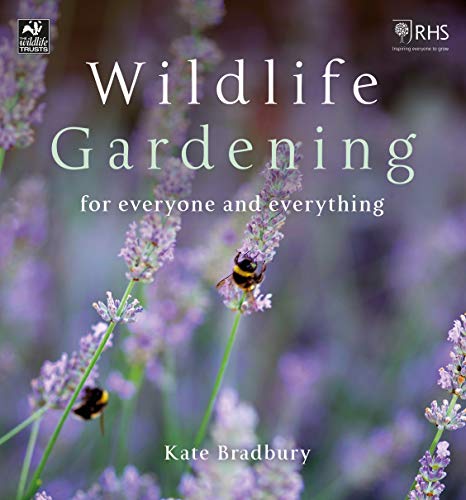
Bloomsbury Wildlife Wildlife Gardening: For Everyone and Everything
Do you want to attract more bees, birds, frogs and hedgehogs into your garden? In Wildlife Gardening for Everyone and Everything, Kate Bradbury teams up with the Wildlife Trusts and the RHS to help you discover how you can make your garden, balcony, doorstep or patio a haven for garden wildlife. You'll find handy charts, practical projects and fact files.
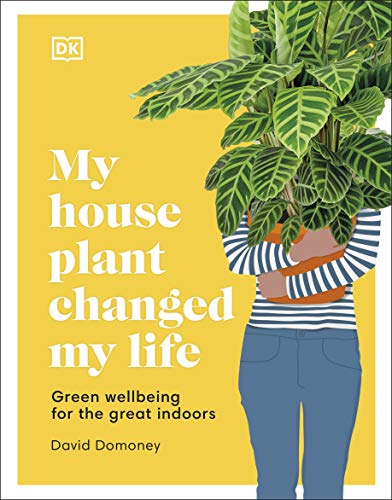
DK My House Plant Changed My Life: Green wellbeing for the great indoors
Gardener and TV presenter David Domoney is a firm believer that indoor plants can make 'a practical and emotional contribution to our wellbeing'. In this book, David explains the hard science behind the positive effect of the humble houseplant on wellness, and provides expert tips on how to keep your plants thriving, plus shares his top 50 life-enhancing houseplants.
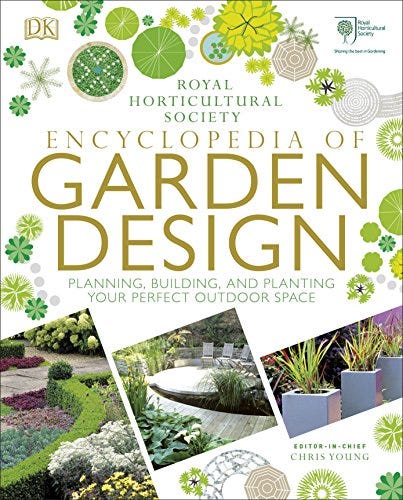
DK RHS Encyclopedia of Garden Design: Planning, Building and Planting Your Perfect Outdoor Space
If you're looking for new garden ideas, the RHS Encyclopedia of Garden Design will guide you from planning to planting, such as choosing the correct materials for your structures and assessing your drainage, to laying patios, making ponds, and planting perennials.
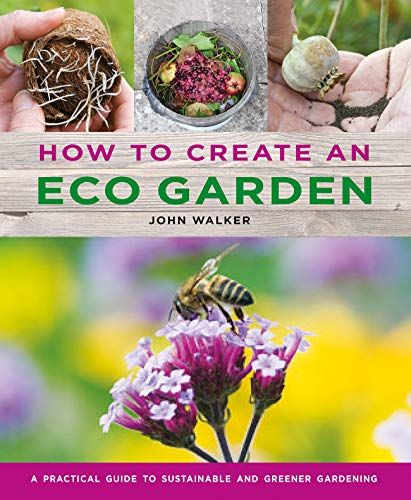
Lorenz Books How to Create an Eco Garden: The practical guide to sustainable and greener gardening
This planet-friendly book is filled with ideas for creating your own eco garden on any scale, from a small courtyard to a large garden or allotment. Discover organic techniques that improve biodiversity, learn the value of using recycled and reclaimed materials for landscaping, and take on simple projects such as making a pond and a wildlife hotel.
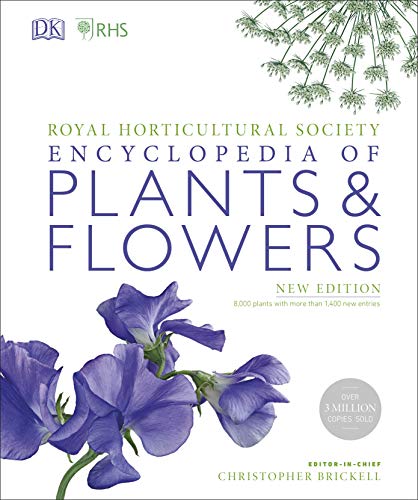
DK RHS Encyclopedia Of Plants and Flowers
Drawing on expert advice from the RHS, this best-selling reference book – organised by colour, size, and type, rather than as an A-Z directory – will help you select the right varieties for your outdoor space.
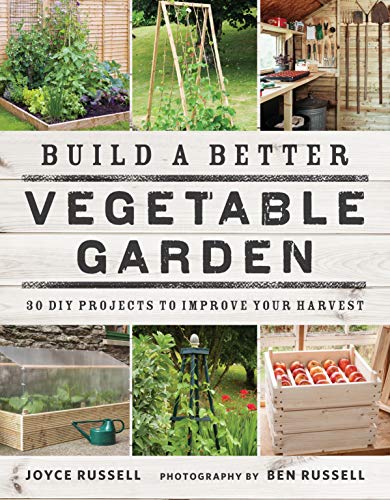
Frances Lincoln Publishers Ltd Build a Better Vegetable Garden: 30 DIY Projects to Improve your Harvest
Joyce and Ben Russell have devised 30 kitchen garden projects, devised to either extend the season, protect crops from pests or improve yields. These projects transform your vegetable plot into somewhere more productive, more attractive and more secure.
Arricca Elin SanSone is a writer, editor, and content creator who specializes in lifestyle and gardening. With a background in health reporting, she applies these same research skills when writing about the science of growing things. She trials new plants in her expansive garden, and her houseplant collection consists of 60+ varieties. Arricca has written thousands of articles for publications such as Country Living, House Beautiful, Good Housekeeping, Prevention, VERANDA, Southern Living, and more. She’s happiest when digging in the dirt, baking, or spending time with the people and dogs she loves.


