
Daffodils and crocuses might be the most popular spring-flowering bulbs to plant now, but there's another overlooked variety that quietly steals the show — and it can turn your garden into a natural meadow come spring.
While they are less common, wild tulips (often known as ‘botanical tulips’) are excellent at adapting to different soils and settings. Native to hard-to-reach corners of the earth, including in rocky mountainous regions, these hardy tulip varieties are made of much stronger stuff.
They are smaller, perfect for rock and gravel gardens, and will often multiply in number. Unlike their cultivated cousins, they are more natural-looking and have star-shaped blooms in dazzling yellow, pink, red or white shades.
If you're winding down your garden for winter, now is the perfect time to plant your wild tulip bulbs before the first frost arrives.
Plant them about 10-15cm deep (aim for around three times the bulb's height), and space 5-10cm apart for a natural look. For a layered spring display, plant bulbs such as miniature daffodils and crocuses in a container.


"Wild tulips are incredibly tough and resilient — perfect for rough, challenging spots where more delicate bulbs fail," says Julian Palphramand, Head of Plants at British Garden Centres.
"Unlike many hybrid tulips, wild species are more likely to naturalise and return for several years, offering a low-maintenance splash of colour each spring. Their star-shaped or pointed flowers make for an early spring display. They are well-suited to naturalistic planting or weaving through meadows, rockeries, and borders."
For best results, Julian recommends planting wild tulips in a hole with the pointed end facing up. Space the bulbs about 4-6 inches apart. Cover with soil, press down lightly and water well to help settle the soil.
"If growing in a pot, use a large container with drainage holes. Fill halfway with compost, add bulbs at three times the height of the bulb, and top up with more compost. Water once after planting, then wait for spring shoots."
Remember that bulbs may rot in badly drained soil that doesn't drain well in summer. Flowers in the shade may not open fully.
10 of the best bulb planters to buy in 2021
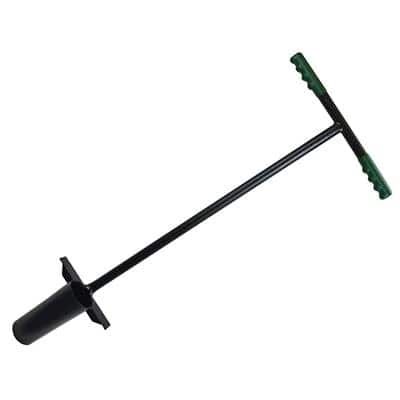
faithfull Faithfull Essentials Long Handle Bulb Planter
With a forged head and foot treads, this steel bulb planter provides stability and durability to help you plant your bulbs with ease. Best of all, the long-handled bulb planter will save your back as no digging is required.
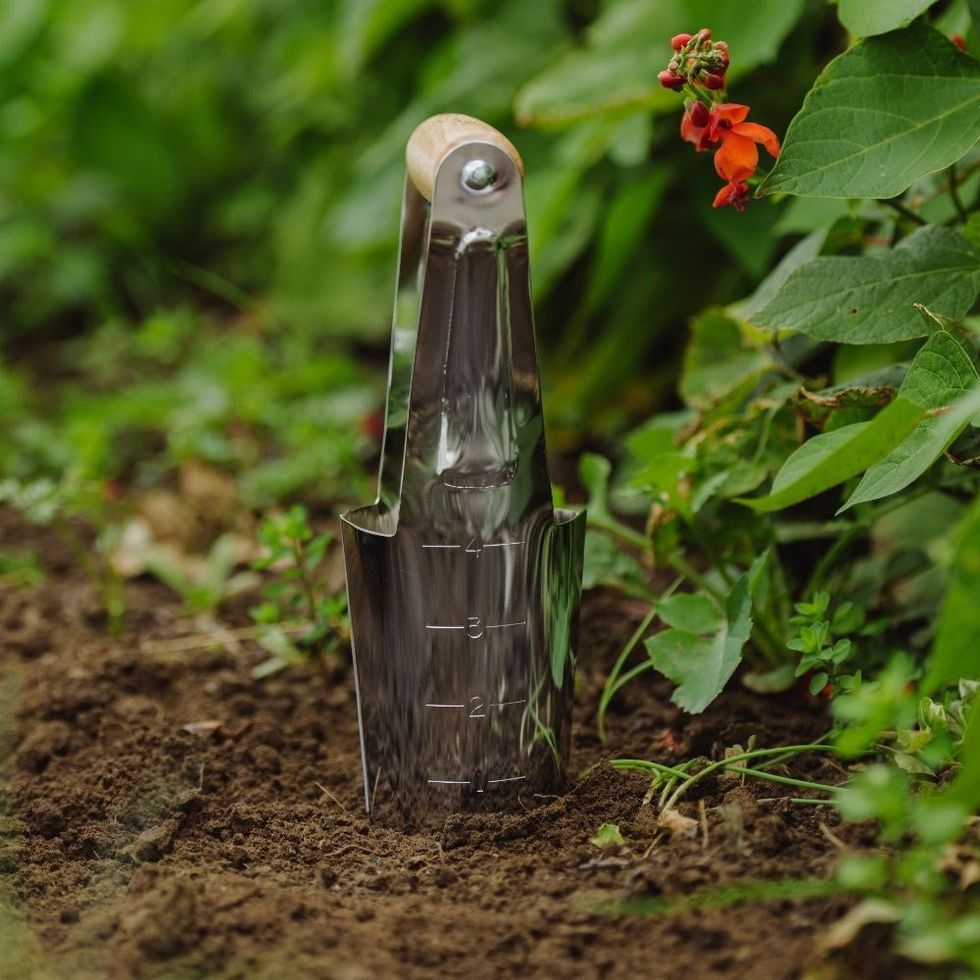
On the hunt for a hand-held bulb planter? Well, this affordable style ticks all the right boxes. Thanks to its serrated stainless steel blade, it provides easy movement through the soil and excellent rust resistance. It's also much easier to store away in a shed or garage.
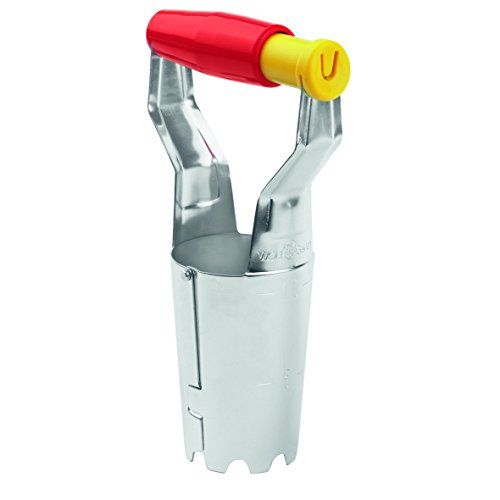
Looking for a handheld bulb planter? Well, this style from Wolf-Garten has automatic soil release, side depth gauge and a colourful handle.
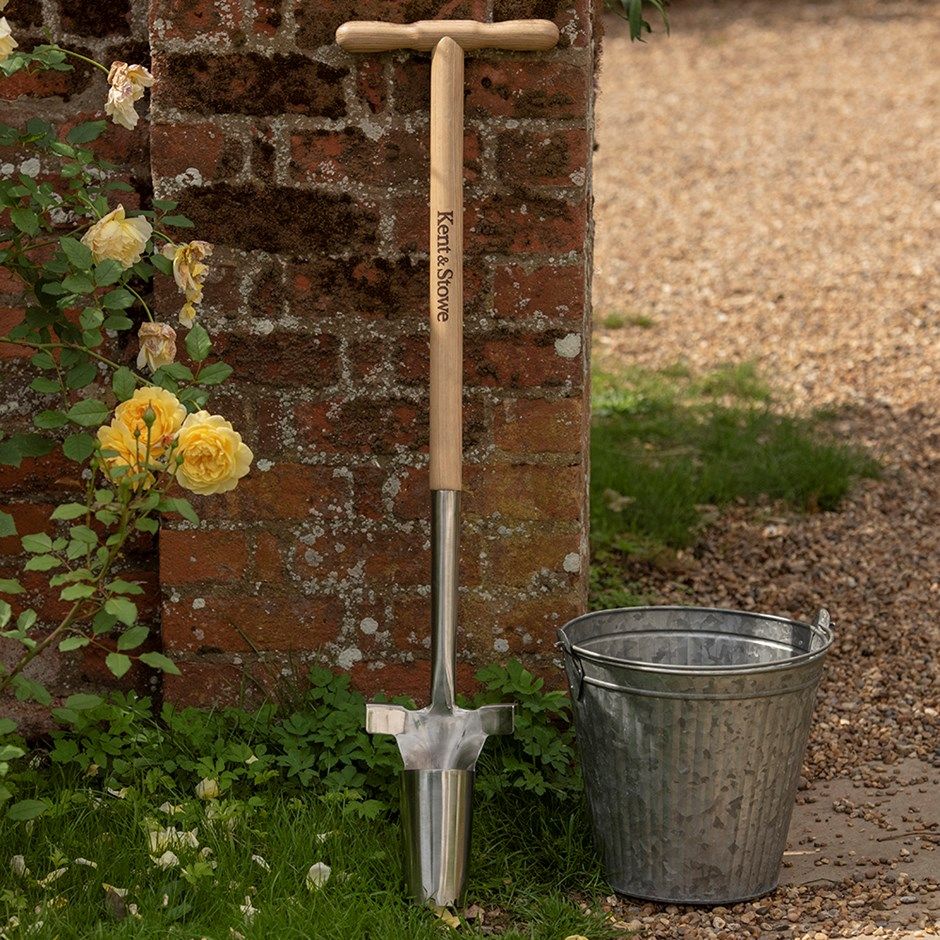
This stainless steel bulb planter has a large T-shaped handle to make the grip and manoeuvre much easier. Marked with a 4-inch scale for accuracy, the head also features a tread-edge to make it easy to apply enough force to create the perfect depth holes for your bulbs.
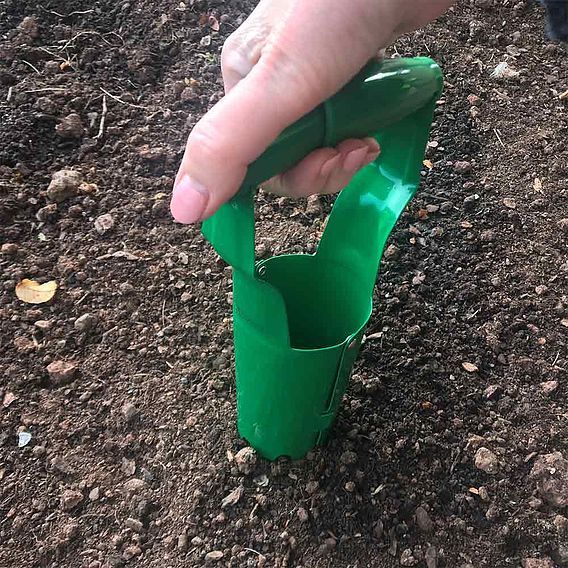
This smaller bulb planter is easy to use; simply twist the bulb planter firmly into the ground to the required depth to remove a core of soil. Place the bulb into the hole and push the button to release the soil over it. You'll have beautiful flowers in no time!
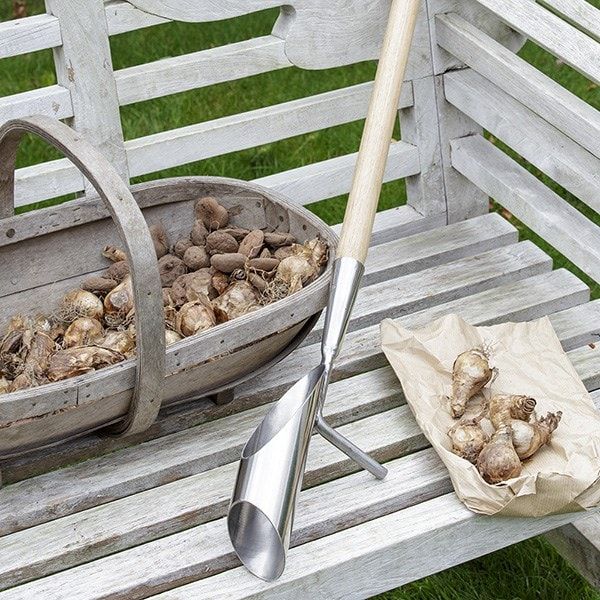
This long-handled planter has an angled blade and polished head to allow easier penetration into soil, with better access to remove soil plugs after use. Made with rust-resistant stainless steel, it has been designed to stand the test of time.
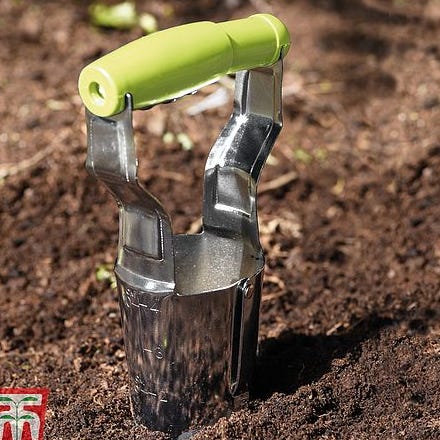
Available to snap up for under £5, this bulb planter from Thompson Morgan helps you create the perfect hole to plant you bulbs into. As well as being easy to use, it has depth markings to ensure all bulbs are planted at their correct depths. Clever!
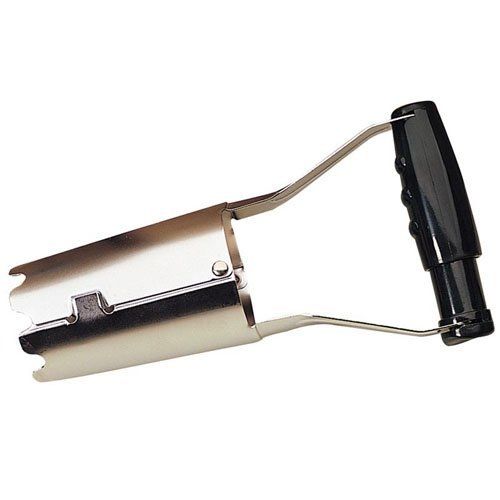
In stainless steel, this handy bulb planter is ideal for bulbs and bedding plants. It has a hardened tool steel precision ground blades to help you precisely make a hole in the ground.
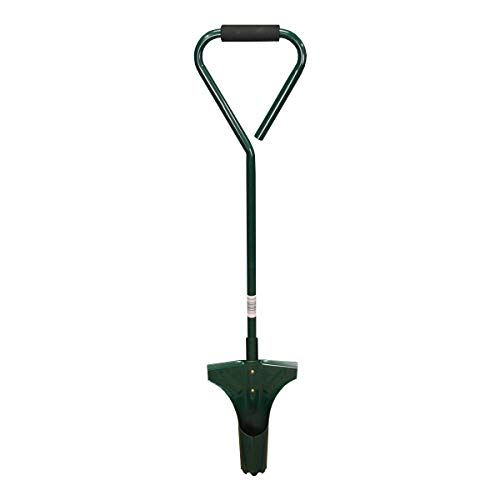
This 100cm long-handled garden bulb planter is ideal for gardeners who don't want to crouch down to reach the soil. To use, simply stand on the foot rest and apply pressure to insert the corer into the ground.
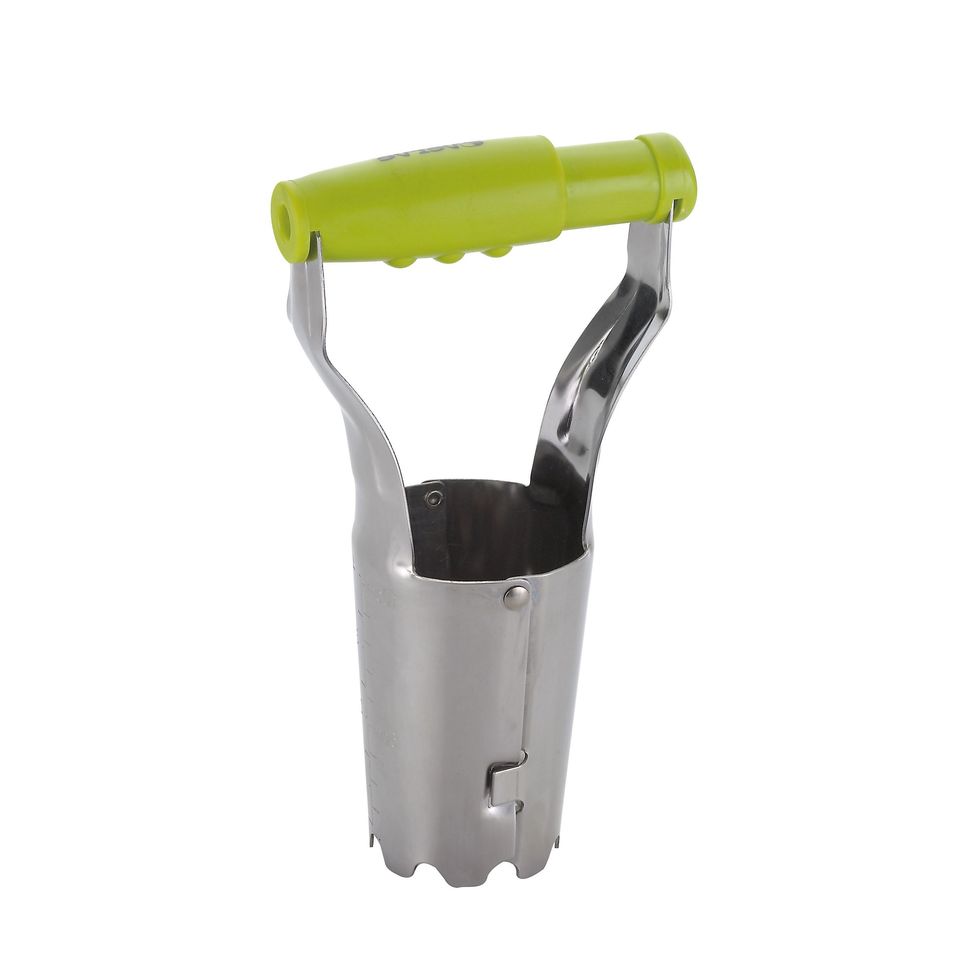
Coming in at just under £5, this stainless steel bulb planter is great for planting bulbs and seedlings fast. Simply brush off dirt after use to keep it in the best possible condition.
Lisa Joyner is the Deputy Daily Editor at House Beautiful UK and Country Living UK, where she's busy writing about home and interiors, gardening, dog breeds, pets, health and wellbeing, countryside news, small space inspiration, and the hottest properties on the market. Previously, she has written for Conde Nast Traveller, House & Garden and Marie Claire magazine. Lisa studied at University For The Creative Arts, where she completed a BA in Fashion Journalism.


