
It was a significant week for garden bird lovers as the RSPB published updated feeding guidance alongside some concerning findings from this year's Big Garden Birdwatch.
On the final weekend of January, hundreds of thousands of participants across the country recorded the birds visiting their gardens.
The results revealed a sharp decline in greenfinch sightings in British gardens.
According to the UK's largest bird charity, it is largely due to trichomonosis, a fatal disease linked to flat tray feeders, where birds congregate and linger, increasing the risk of transmission.
To help tackle the issue, the RSPB is now urging homeowners to stop using all kinds of flat bird feeders. However, one particularly popular garden visitor is especially fond of them.


Robins are ground feeders, foraging lawns, leaf litter and soil for worms and seeds, so they naturally favour tray feeders over hanging varieties.
So, with the updated guidance, how can homeowners continue to attract these much-loved, red-breasted birds? We asked the RSPB.
The good news is that food choice makes the biggest difference to whether birds visit your garden – and there's one type robins find hard to resist.
"Robins are partial to mealworms, which we advise is ok to feed all year round in small amounts," says RSPB wildlife expert Charlotte Ambrose.
"Mealworms can be provided either scattered on the floor or in a mealworm feeder – robins will happily eat from both places.


"Additionally, if you don't have dogs or cats, another food item you can put out is dried fruits." This is important, as certain dehydrated fruits, such as raisins, can be toxic to pets.
You can also consider planting certain fruit bushes and shrubs to provide a natural source of food in your garden. "Robins will eat the berries of a number of plants, including Spindle and Wild Privet," Charlotte adds.
Follow these simple steps and you'll create a safer, more welcoming space, where robins can continue to thrive without putting their health at risk.
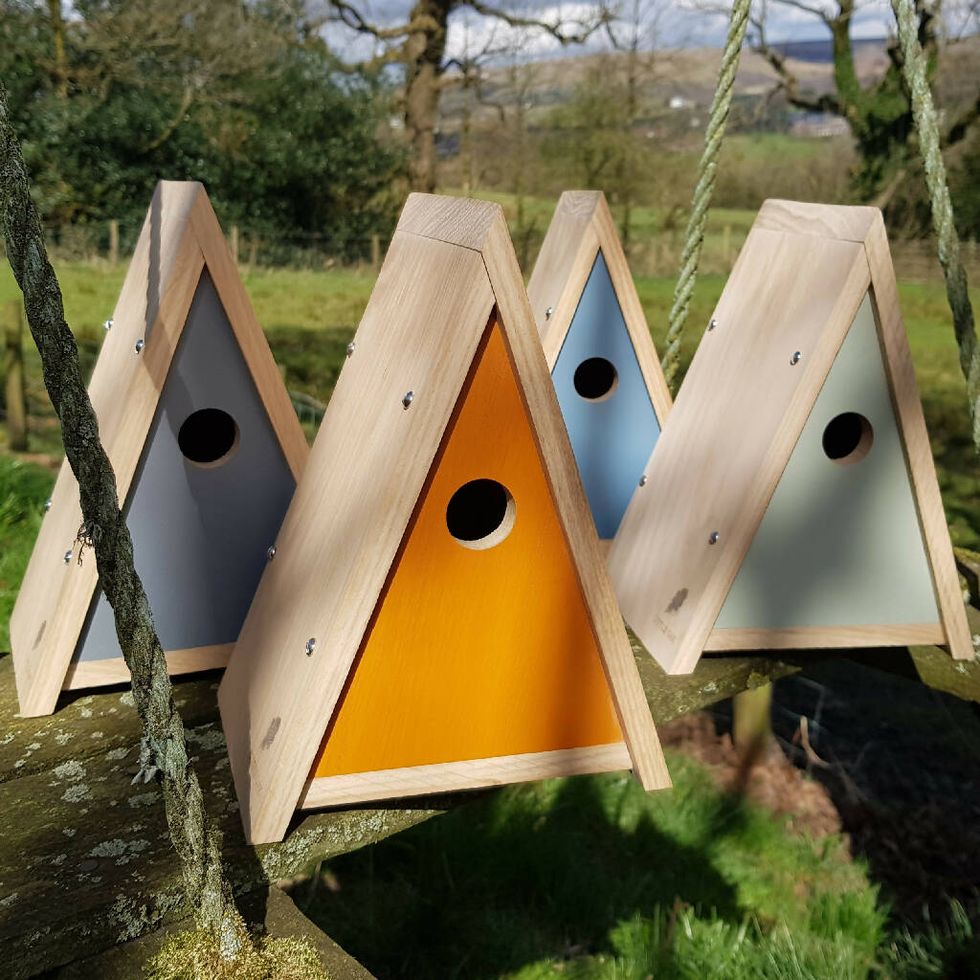
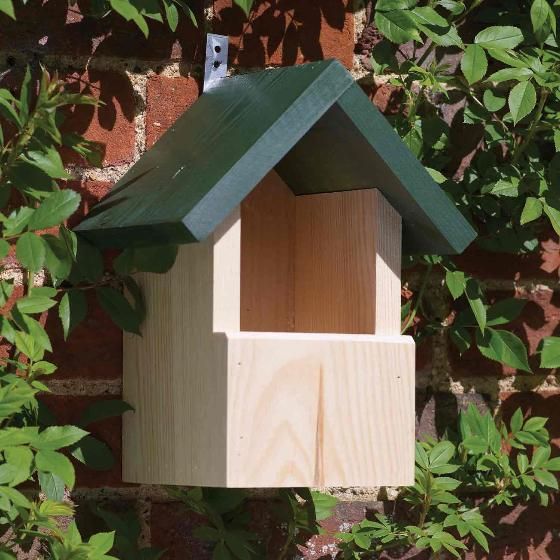
bird box gallery

Smart Bird Box
Wanda Sachs is the Multiplatform Writer for Country Living and House Beautiful, exploring the latest in gardening, wildlife and sustainable living alongside interiors and property. She is particularly interested in human-interest stories, the intersection of design and pop culture, and the evolving relationship between urban and rural life. Previously, she served as Associate Editor at The Berliner in Berlin, where she reported on culture and fashion. Wanda studied English and German at the Goethe University Frankfurt and Exeter University.


