

Growing tomatoes is one of the joys of summer, especially when the fruits of your harvest can be tossed into a fresh salad and served at an alfresco supper.
But before you get ahead of yourself, it’s important to understand that tomatoes don't like chilly weather.
Native to coastal Peru and Chile, tomatoes are tropical plants. "Tomatoes evolved in a drier climate, so they aren't accustomed to our rainy, humid weather, which is why we often have to deal with many different diseases," says Frank Hyman, author of Ripe Tomato Revolution and former organic tomato farmer.
Because of this, it’s typically recommended to plant tomato plants about a week or two after the last average frost date in your region.
Another key factor is when it's best to set out your transplants. "The real issue is soil temperature," says Gary Pilarchik of The Rusted Garden and author of The Modern Homestead Garden. Their ideal soil temperature is around 18°C to 21°C.
Read on to learn more about the absolute best time to plant tomatoes:

What happens if you plant tomatoes too soon?
Essentially, not much. "If you plant too early, they'll just sit there, so you're not gaining anything by getting them in the ground before growing conditions are right," says Gary. "The root system tells the plant what to do, so if the soil isn't warm, the plants are not going to grow."
You're not gaining anything by early planting. "There's no advantage to putting tomato plants in the ground early," says Frank. "In fact, tomatoes put in the ground later, when the soil is warm, catch up and have the same harvest date and yield as any that were planted earlier in the season in cold soil."

What is the best time to plant tomatoes?
Of course, waiting until after the last average frost date is recommended before planting tomatoes. In the UK, the best time to plant tomatoes outside is late May to early June.
Keep an eye on the forecast
Watch the 10-day forecast. This will keep you from putting your transplants at risk by planting on a warm day, only to be followed by colder weather.
Protect your baby plants
If you see a late frost forecast, cover your tomato plants. A frost cloth, an old sheet, a cloche, or even a large glass vase all work to protect your young plants from a frost.
Use black plastic "mulch"

This sheeting is especially helpful if you have a short growing season because it helps warm up the soil more quickly.
Lay down the plastic mulch, then cut a 3-inch hole where you want to place your transplant. This technique also helps keep down weeds, retains moisture, and minimises the risk of soilborne microbes splashing up on the plant. You can find biodegradable types that are made from cornstarch.
Don’t worry if you planted late
Late-planted tomatoes tend to catch up and provide just as bountiful a harvest as those planted earlier in the season. Don't worry if you didn't plant them in the recommended window.

• Tomato growing essentials •
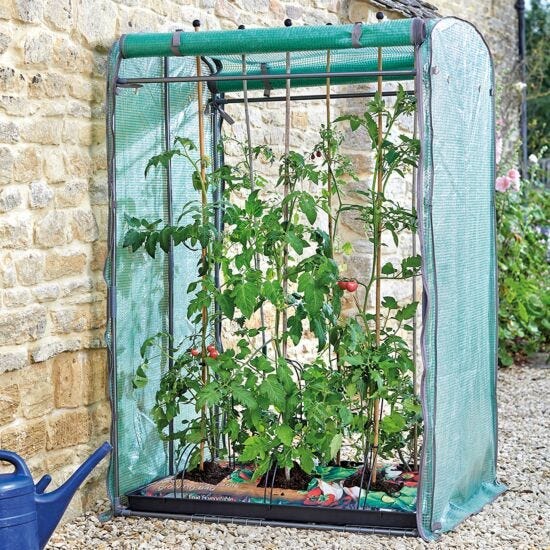
Gro-Zone Tomato Max Growhouse
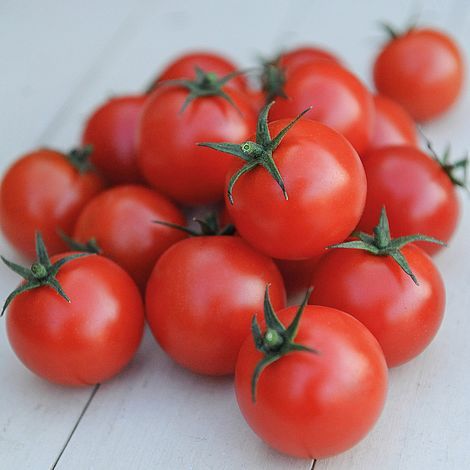
Tomato 'Gardener's Delight' SeedsSolanum lycopersicum L.
Arricca Elin SanSone is a writer, editor, and content creator who specializes in lifestyle and gardening. With a background in health reporting, she applies these same research skills when writing about the science of growing things. She trials new plants in her expansive garden, and her houseplant collection consists of 60+ varieties. Arricca has written thousands of articles for publications such as Country Living, House Beautiful, Good Housekeeping, Prevention, VERANDA, Southern Living, and more. She’s happiest when digging in the dirt, baking, or spending time with the people and dogs she loves.
Lisa Joyner is the Deputy Daily Editor at House Beautiful UK and Country Living UK, where she's busy writing about home and interiors, gardening, dog breeds, pets, health and wellbeing, countryside news, small space inspiration, and the hottest properties on the market. Previously, she has written for Conde Nast Traveller, House & Garden and Marie Claire magazine. Lisa studied at University For The Creative Arts, where she completed a BA in Fashion Journalism.


