
A garden full of beautiful butterflies isn't just luck – it’s about giving them exactly what they need to feed, grow and thrive.
With the right mix of plants and a few simple tweaks (several of which will save you time), you can turn almost any outdoor space into a butterfly-friendly habitat.
1. Plant host plants (most people skip this)

This is one that many people don't think about. Host plants are vital because they are where butterflies lay their eggs – and what caterpillars feed on once they hatch. Examples include milkweed, parsley and fennel, many of which have edible flowers you can enjoy too.
2. Add nectar-rich flowers butterflies love
Butterflies are drawn to nectar-rich blooms. The more variety you plant, the better, since different species prefer different flower shapes, sizes, and colours.
Good options include sage, lantana, and coneflowers – although we've gathered a full list of flowers that attract butterflies here. Short on space? Try vertical growers like passionflower or honeysuckle, which add height without taking up much ground – great for urban gardens where space is at a premium.
3. Group plants in clusters across your garden
Plant several areas of host and nectar plants throughout your garden to give butterflies room to spread out. This also helps protect the population: if predators strike in one area, other areas are likely to be safe.
What to Read Next
And avoid planting just one of each variety. Group the same plants together in clusters so butterflies and caterpillars have enough food to sustain them through every life stage.
4. Offer shelter butterflies will actually use
Butterflies need safe places to rest, hide from predators and escape harsh weather. Shrubs and trees are ideal, and stacks of twigs also create shelter. You can also try a butterfly house, but it is often less effective than a natural shelter.


5. Avoid these garden mistakes that affect butterflies
Pesticides
Pesticides can harm butterflies at every stage of life – from eggs to caterpillars to adults – so it’s best to avoid them entirely. Try these plants that act as natural pest repellants instead.
Single bloom times
If all your plants bloom at once, butterflies won’t have a steady food source. Choose a mix of plants that flower throughout the growing season.
Early spring cleanup
Resist the urge to tidy up too soon. Leaves and garden debris provide crucial shelter for overwintering eggs and caterpillars. Waiting a bit longer in spring can make a big difference.
The artisan garden edit

Acqua Garden Rose Plant 'Special Anniversary' Full Plants in 5 Litre Pots
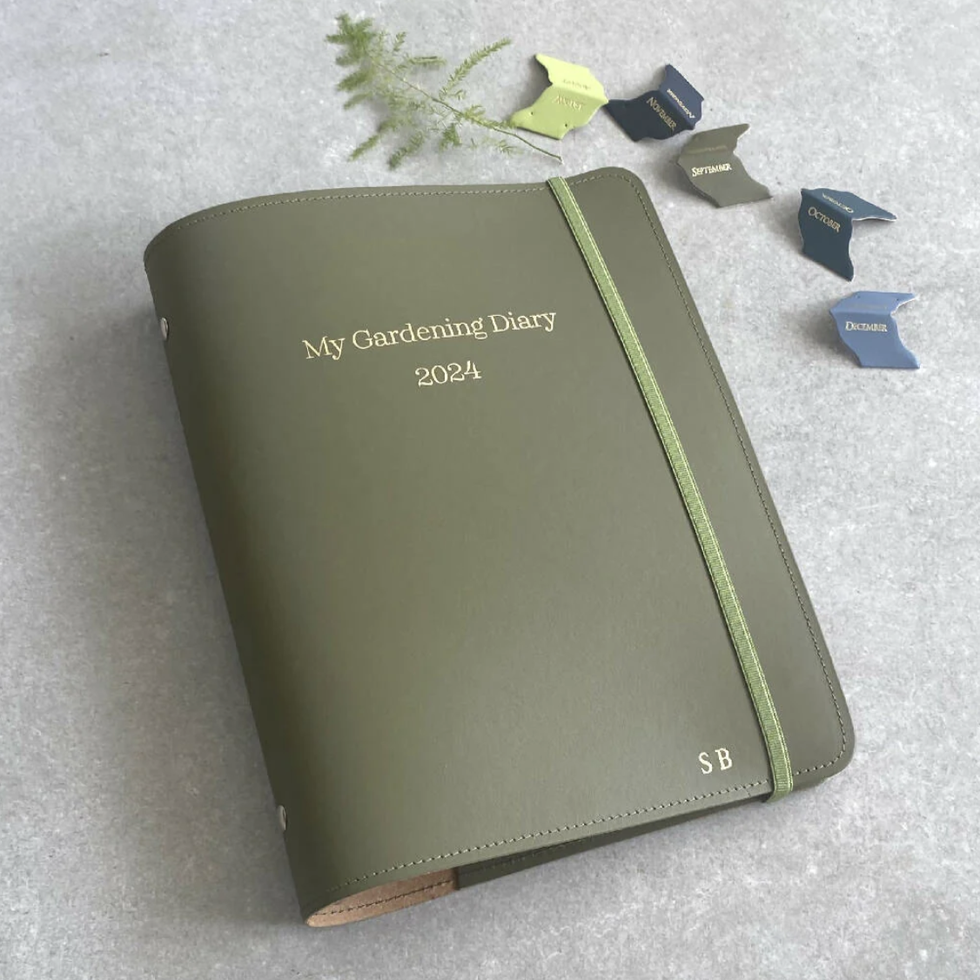
Recycled Leather Personalised Garden Diary
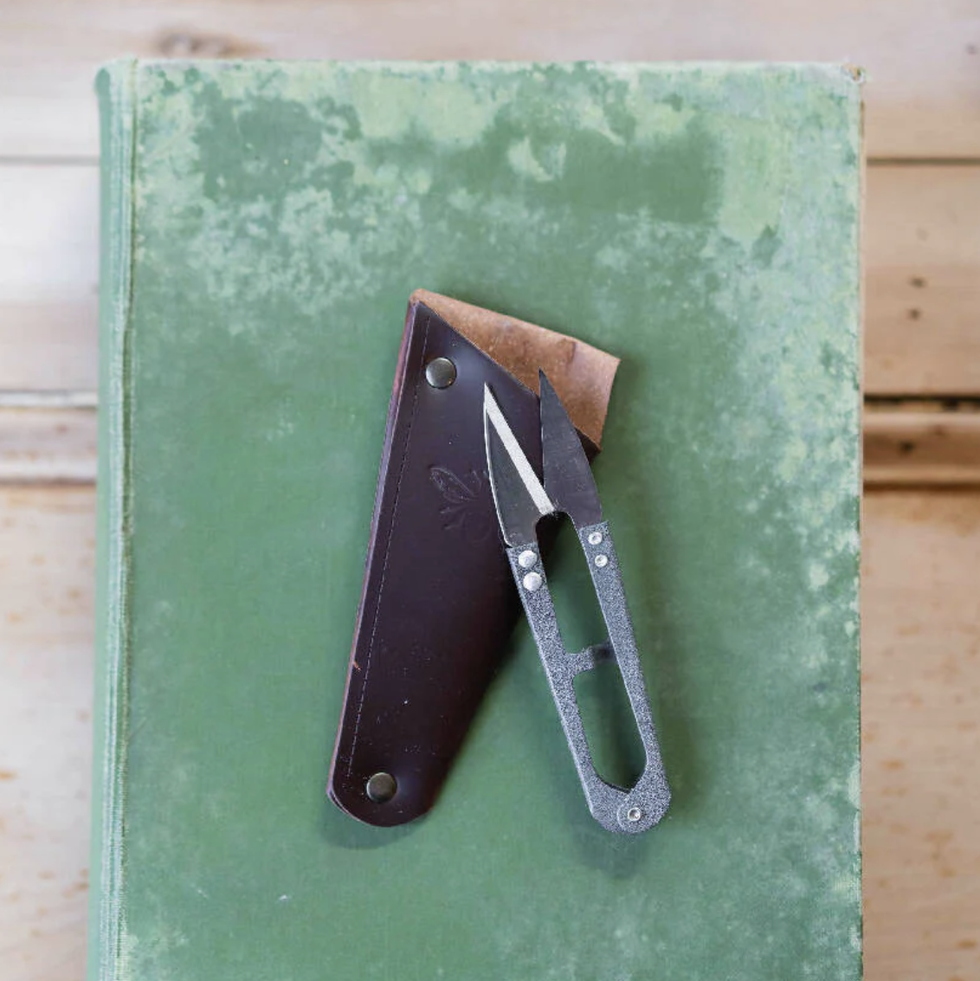

Country Cut Flowers Small 15cm Rope Spring Wreath

Filberts of Dorset Gardeners Hand Salve
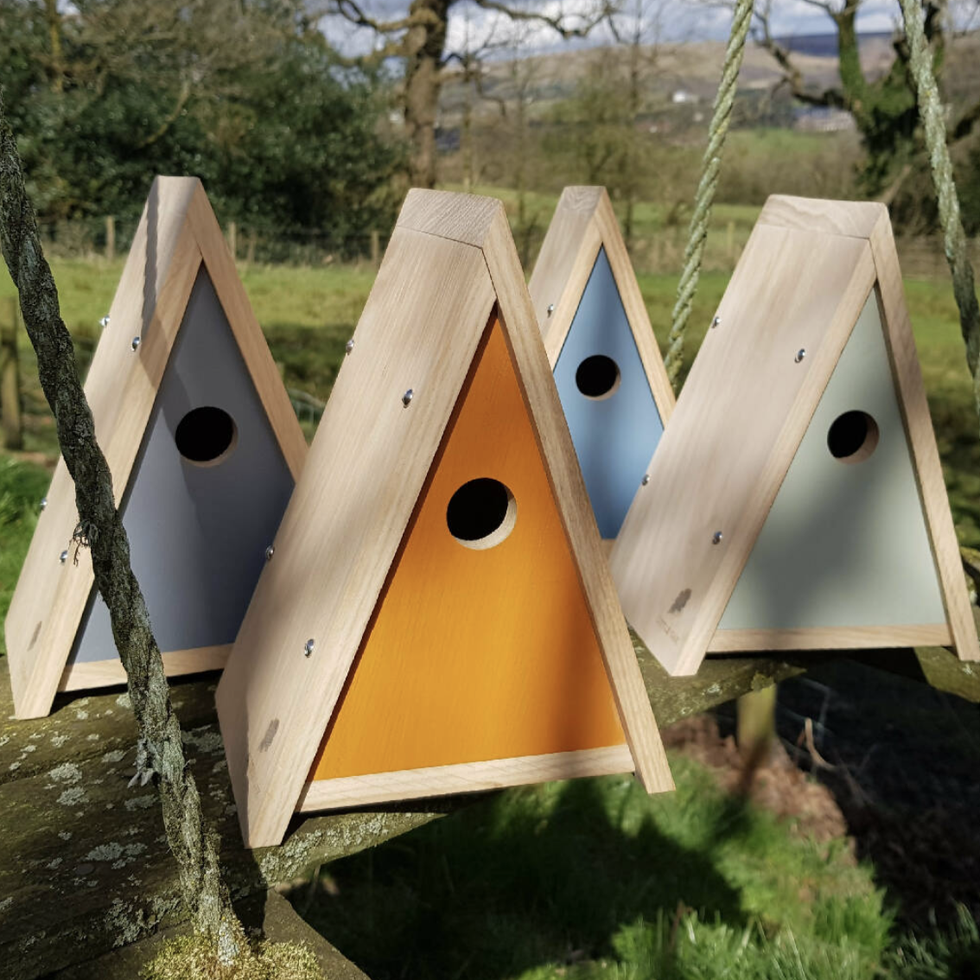
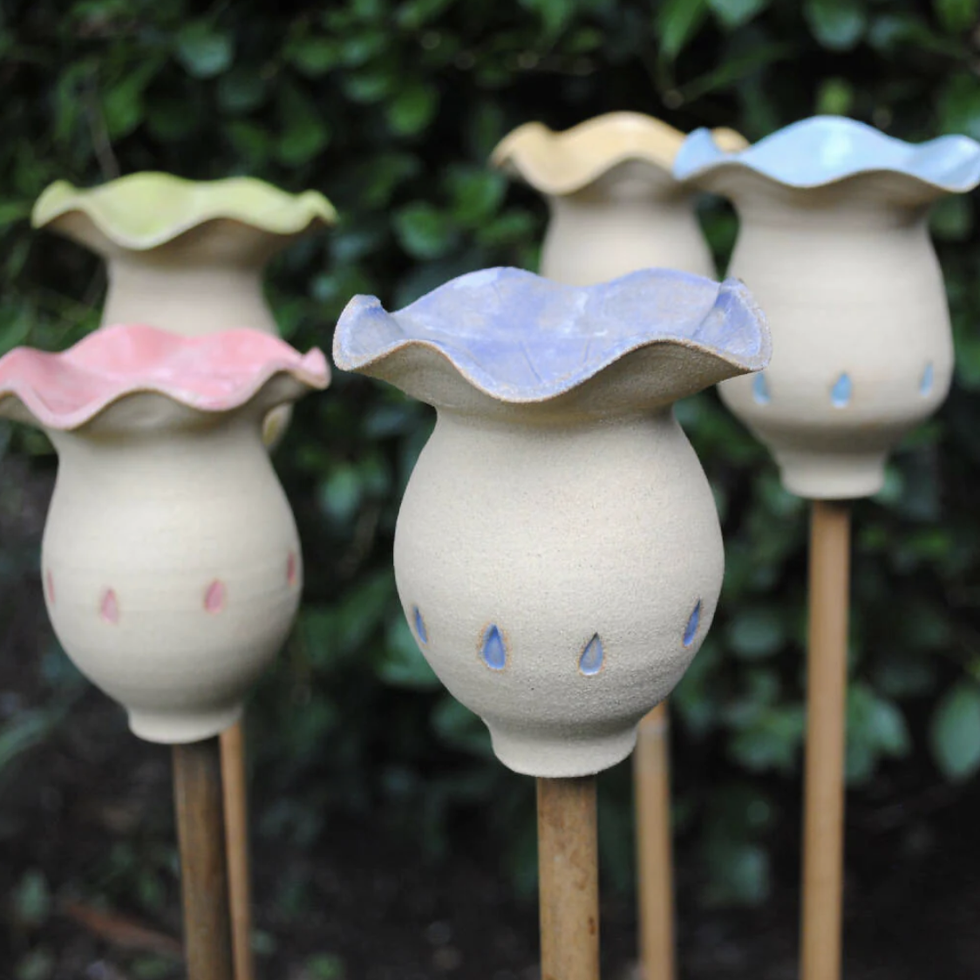
Ceramic Poppy Seed Head in Six Colour Options
Charlyne Mattox is the Food and Crafts director with over 20 years recipe development, recipe editing, and crafting experience. Prior to starting at Country Living in 2014, she worked in the crafts department at Martha Stewart Living and Martha Stewart Kids before attending cooking school at the Institute of Culinary Education in New York City. She was nominated for a James Beard media award while a senior editor at Real Simple magazine and authored a cookbook Cooking with Seeds.
When not in the kitchen she loves to garden, focusing on growing flowers and kitchen herbs (of course), watering her 25 house plants, and knitting scarfs or hats she will never be able to wear in the always hot and steamy Alabama.


