
During summer, even the simple act of going to bed can feel like a military operation.
To keep cool, we obsessively monitor when to open and close windows, take cold showers before bed, and, on particularly hot nights, even stash our bedding in the freezer. For plenty of people, though, the go-to solution is much simpler: sleeping with a fan.
Fans are one of the easiest and most popular ways to stay cool at night. But is it actually safe to leave one running while you sleep?
We asked medical experts, and the short answer is yes – although there are a few potential drawbacks worth bearing in mind.
"There are pros and cons to sleeping with a fan," says Dr Hana Patel, NHS GP and resident sleep expert at Time4Sleep.


"Most obviously, a fan can help to keep you cool as you sleep during higher temperatures. This is important because if we get too hot when we sleep, it can lead to disrupted sleep, leaving us feeling groggy and tired in the morning."
In that sense, fans can be beneficial for overall health. Poor sleep is linked to fatigue and difficulty concentrating in the short term, while chronic sleep deprivation has been associated with reduced appetite, lower mood and declining mental wellbeing.
That said, some people may experience side effects from using a fan, such as dry skin, congestion, aggravated allergies and sore muscles.


"Fans can cause some minor health issues," says Dr Patel. "The circulation of dry air as we sleep can cause skin to dry out, and for mucus to build up in the nose and mouth, leading to you feeling bunged up when you wake.
"If the fan is close to you, you may also find that the consistent cold air leads to your muscles tightening as you sleep, causing you to feel aches when you wake up.”
While these issues are generally easy to manage, there is one group that may be better off avoiding fans altogether.
"Those who experience allergies, especially allergies to dust or hay fever, may find that their symptoms are aggravated by sleeping with a fan," Dr Patel tells us.

"This is because the fan will circulate allergens around the room, increasing the likelihood of them being breathed in or coming into contact with your skin. If you wake up with a sore throat, itching, or sneezing, the fan has likely aggravated your allergies.”
If you suffer from asthma or severe allergies, it might be a good idea to find a different way to stay cool at night.
"You are likely to find that the fan will cause more issues than benefits, due to it inflaming your medical condition," she explains. "This is especially the case for children who experience asthma, allergies or eczema, who are likely to be negatively affected by the use of a fan."
For most people, however, sleeping with a fan is perfectly safe – and, crucially, can make it easier to get a good night's rest when temperatures soar, with the added bonus of sleep-friendly white noise.
Best fans gallery
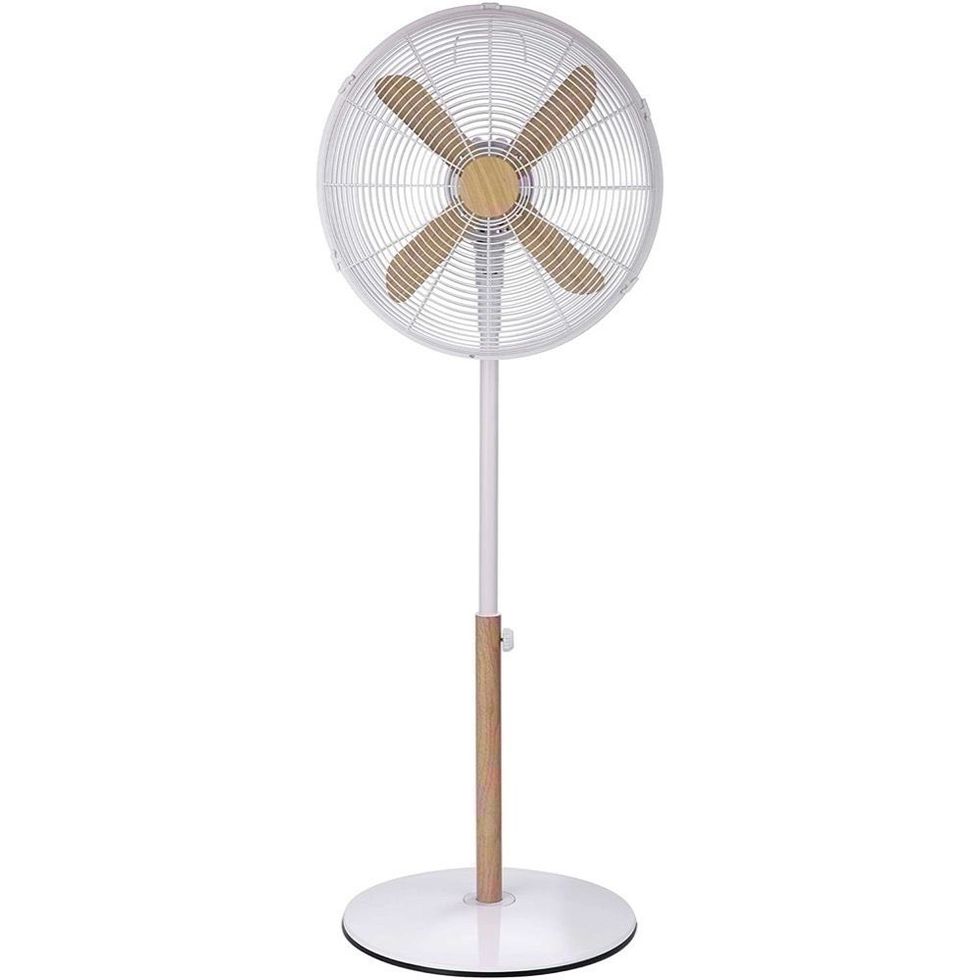
Swan Nordic Stand Fan
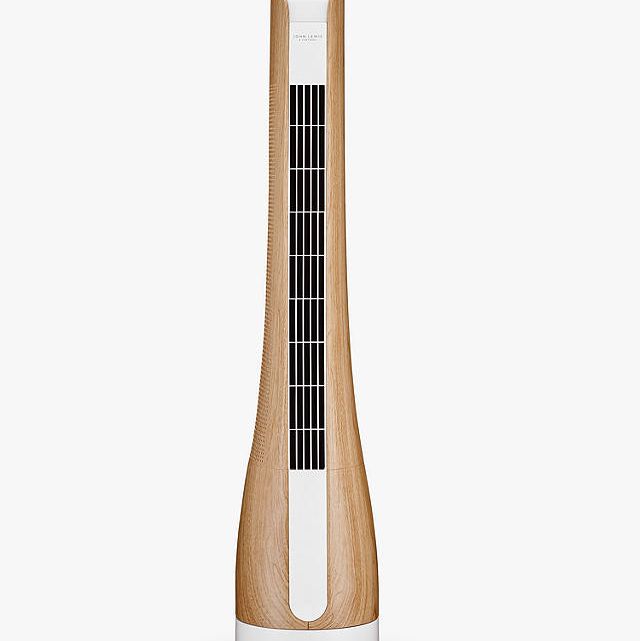
John Lewis & Partners Wood Effect Taper Tower Fan
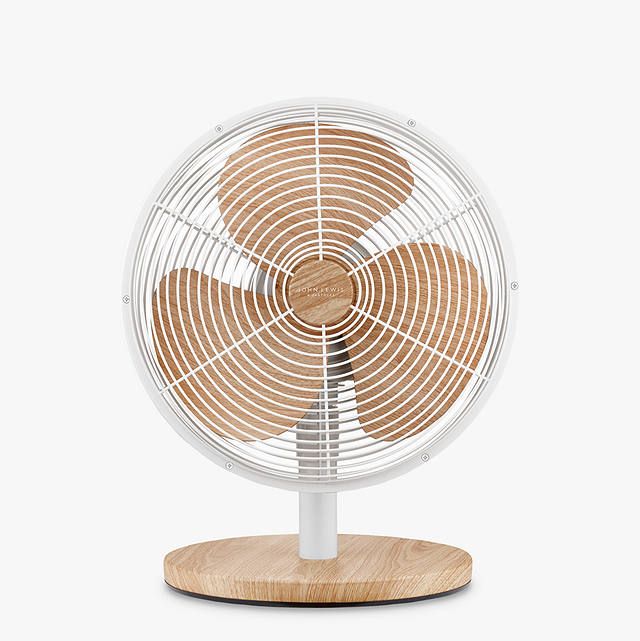
John Lewis & Partners Desk Fan
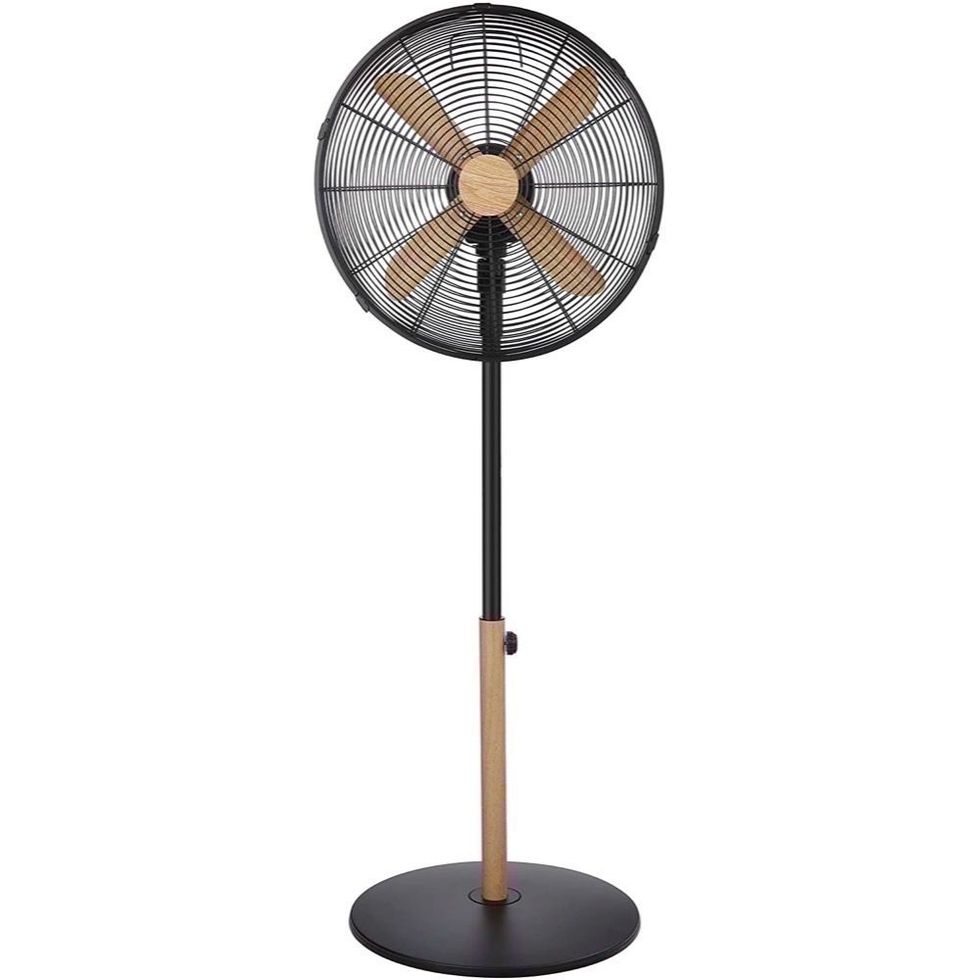
Russell Hobbs Pedestal Fan
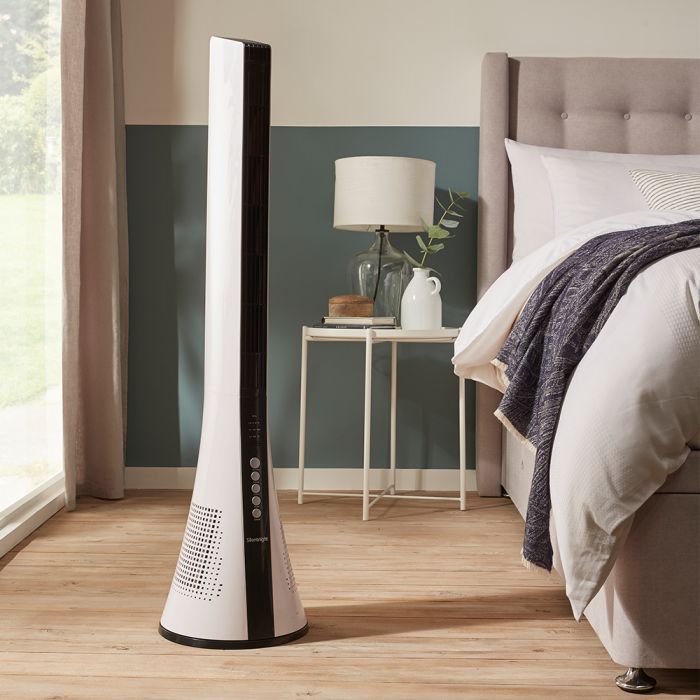
Silentnight Oscillating Bladeless Tower Fan
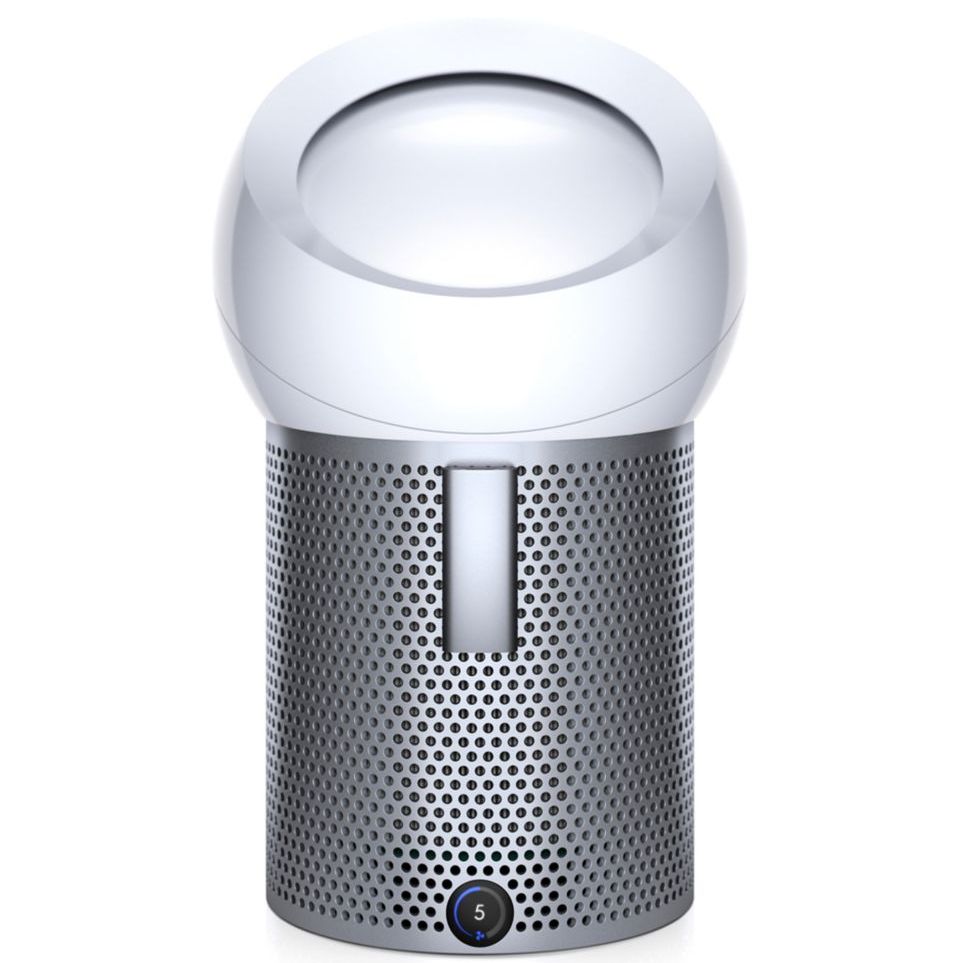
Dyson Pure CoolMe Fan
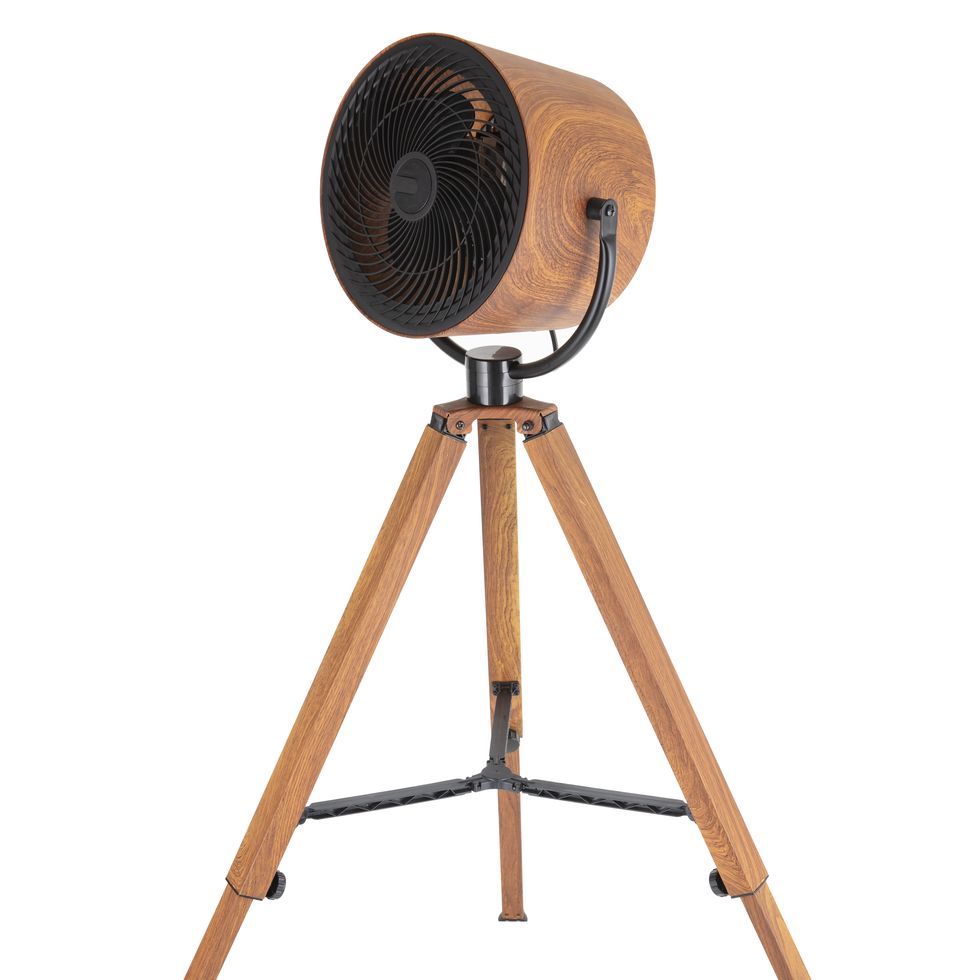
Pifco Pedestal/Standing Fan
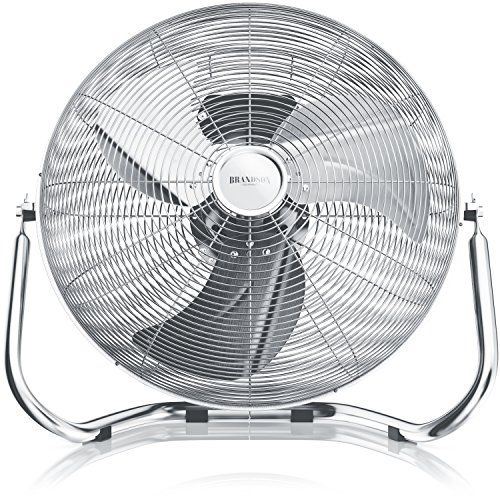
Brandson 20 inch floor fan
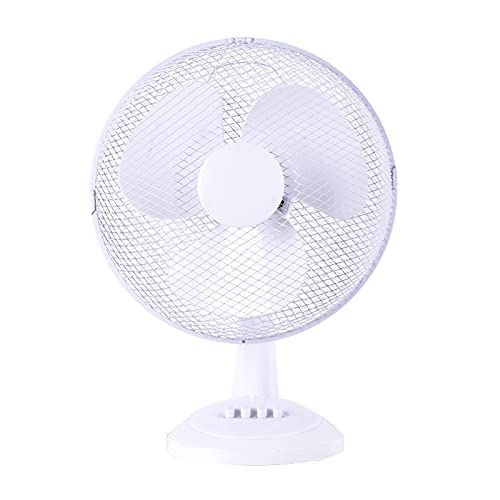
ASPECT 12inch Table Fan
Wanda Sachs is the Multiplatform Writer for Country Living and House Beautiful, exploring the latest in gardening, wildlife and sustainable living alongside interiors and property. She is particularly interested in human-interest stories, the intersection of design and pop culture, and the evolving relationship between urban and rural life. Previously, she served as Associate Editor at The Berliner in Berlin, where she reported on culture and fashion. Wanda studied English and German at the Goethe University Frankfurt and Exeter University.


