
As summers in the UK become hotter and heatwaves all-too frequent, more and more homeowners are considering air conditioning as a way to keep their homes comfortable and bedrooms cool.
Once seen as the preserve of glossy offices, hotels or homes abroad, both built-in and portable air conditioning units are becoming increasingly popular additions to homes across the UK.
Peter Knowles, service and repair engineer at British Gas, explains: “We’ve seen growing interest in air conditioning in recent years, as more people look for effective ways to keep their homes comfortable year-round.
"Advances in technology have made today's systems more energy efficient, quieter and easier to control, helping make air conditioning a more attractive option for a wider range of households."
Jump to:
- How much does it cost to install air conditioning in the UK?
- What affects the cost of air conditioning installation?
- What type of air conditioning is cheapest?
- How much does air conditioning cost to run?
- Are there any ongoing maintenance costs?
- Can air conditioning heat your home too?
- How can you keep air conditioning costs down?
- Is air conditioning worth it?
While Adam Knight, lead engineer at BOXT, says: "Our AC installations are up 182% year-on-year last July. Many people are moving away from short-term cooling fixes, such as fans, sprays and portable gadgets, and instead looking at fitted systems that can properly cool a room, improve comfort and help support better sleep during hot weather."
But how much does it actually cost to install air conditioning at home? And what can you expect to pay to run it during the hot summer months?
We asked heating and cooling experts to break down the costs, what affects the price and whether air conditioning is worth the investment.
How much does it cost to install air conditioning in the UK?
Peter says: “The cost of installing air conditioning varies depending on several factors, including the size of your property, the number of rooms you’d like to cool, the type of system being installed and how complex the installation is."
As a rough guide though, Jamie Hillard, Gas Safe and F-Gas registered engineer at Heatable.co.uk, says: “A single-room wall-mounted split air conditioning system will usually cost something in the region of £1,500 to £2,500 supplied and installed.”
For larger installations, costs can rise significantly. According to Jamie:
- One room: £1,500–£2,500
- Two to three rooms: £3,500–£6,500
- Larger homes or ducted systems: £8,000–£15,000+
What affects the cost of air conditioning installation?
Several factors will play into the final installation price for air conditioning. We asked Tom Houlker, Director of Houlkair, to break it down: “Air conditioning installation cost usually comes down to three things: the type of system, the size of the space, and how awkward the install is.
"A straightforward single-split system for one room is usually the cheapest permanent option, with current UK estimates commonly sitting around £1,500 to £3,500 including installation, while a standard professionally installed single-split system is often quoted closer to £1,800 to £4,500 depending on the unit and property.
“The hidden cost is nearly always the route between the indoor and outdoor unit. If the pipe run is short, the electrics are simple, and the outdoor unit can sit somewhere easy to access, the job is much more straightforward. If you need long pipe runs, extra electrical work, awkward wall access, multiple indoor units, or a discreet install where pipework has to be hidden, the price can climb quickly.”
The position of the outdoor condenser, the amount of pipework required and whether you want a visible wall-mounted unit or a more discreet installation can all affect the final cost.
It's worth noting that flats and terraced houses may also face additional complications if there are leasehold restrictions or limitations on external wall alterations.


What type of air conditioning is cheapest?
For most UK homes, experts agree that a wall-mounted split air conditioning system offers the best balance of cost and efficiency.
Jamie Hillard explains: “For most UK homes, the sweet spot is usually an efficient wall-mounted split system for the rooms that actually overheat, such as bedrooms, loft conversions, home offices and south-facing living rooms. Whole-house cooling is possible, but it’s not always necessary.”
Multi-split systems, which connect several indoor units to one outdoor unit, tend to be more expensive upfront, but can be more practical and visually discreet than installing multiple standalone systems.
How much does air conditioning cost to run?
Running costs depend on the efficiency of the unit, electricity prices, room size and how often you use the system.
According to Jamie Hillard, a typical domestic split system uses between 0.6kW and 1.5kW of electricity while cooling. Using current electricity prices, that translates to roughly 15p to 40p per hour for most normal use cases.
He adds: “The key point is that air con doesn’t usually run flat out constantly. Once the room reaches temperature, an inverter-driven unit will modulate down, so real-world running costs often depend more on usage habits, insulation, shading and thermostat settings than the headline size of the unit.”
Adam Knight says some high-efficiency systems can cost as little as 27p to 30p per hour to run. If used overnight during a heatwave, that could amount to just over £2 per night.
Are there any ongoing maintenance costs?
Yes. Like boilers and heat pumps, air conditioning systems benefit from regular servicing.
Adam Knight says: “An annual service is usually required to keep the manufacturer warranty. Costs will vary depending on where you live and the size and location of the unit, however a one-off service can cost roughly £70 – £120 per unit.
"Regular maintenance is key to ensure everything’s running efficiently and helps catch any small issues before they become expensive problems.”
Replacement filters may also occasionally be needed and can cost less than £10.
Can air conditioning heat your home too?
Many modern air conditioning systems are actually air-to-air heat pumps, meaning they can provide both cooling in summer and heating during cooler months.
Peter Knowles says: “Modern air conditioning systems can also provide heating during colder months, making them a versatile investment for homeowners.”
This dual functionality is one reason demand has risen sharply in recent years.


How can you keep air conditioning costs down?
Experts recommend improving your home’s energy efficiency before investing in cooling, and using some smart tips alongside air conditioning if you do have it installed.
Mark Sait, CEO of SaveMoneyCutCarbon, says: “If a home loses energy through poor insulation, inefficient glazing, weak controls or older infrastructure, any cooling system will have to work harder, increasing electricity demand and making costs less predictable.
"The most practical response is to reduce waste first, improve building efficiency, use smarter controls and then electrify where practical, so cooling becomes part of a more resilient whole-home energy strategy rather than an isolated purchase.”
To reduce air conditioning running costs and make your home more energy efficient:
- Improve insulation where possible
- Close blinds and curtains during the hottest parts of the day
- Seal draughts around doors and windows
- Use programmable thermostats
- Keep air conditioning filters clean
- Have the system serviced annually
- Avoid setting temperatures unnecessarily low: Adam Knight recommends setting air conditioning between 21°C and 23°C to keep a good balance between comfort and efficiency


Is air conditioning worth it?
For households struggling with overheating bedrooms or stuffy loft conversions, air conditioning can provide reliable cooling and better sleep during our increasingly hot summers.
However, experts stress the importance of choosing the right system and installer.
Tom Houlker advises: “I’d also warn people not to buy purely on the cheapest quote. The right size unit, tidy pipework, sensible outdoor placement and a proper F-Gas registered installation matter more than saving a small amount upfront. A badly sized or messy install can cost more in running costs, noise, repairs and frustration later.”
For many households, installing air conditioning in the rooms that overheat most may offer the best balance between comfort, installation costs and ongoing energy use.
Best fans gallery
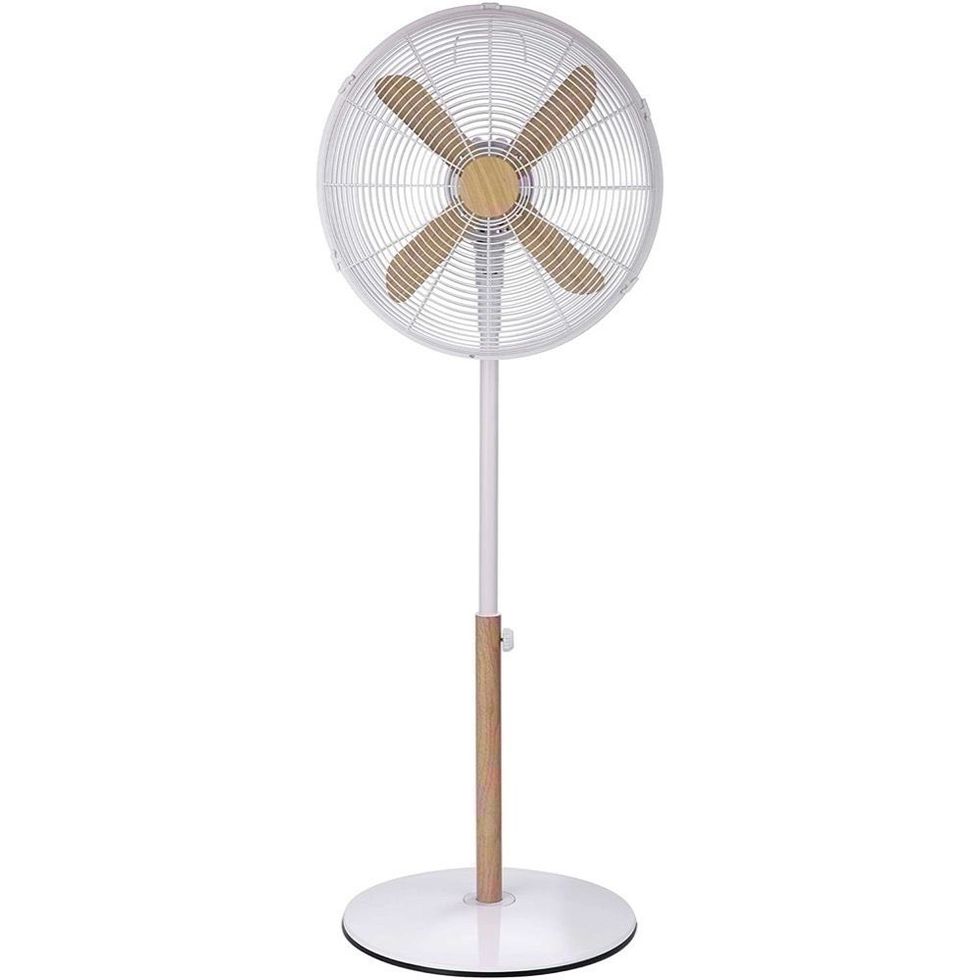
Swan Nordic Stand Fan
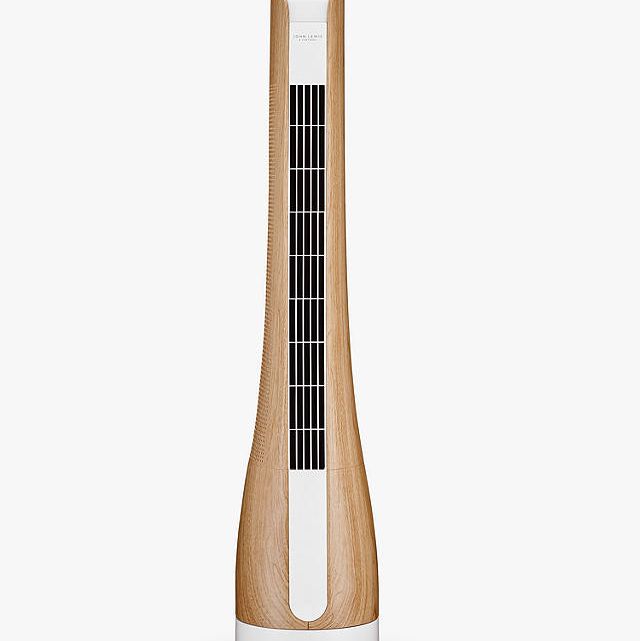
John Lewis & Partners Wood Effect Taper Tower Fan
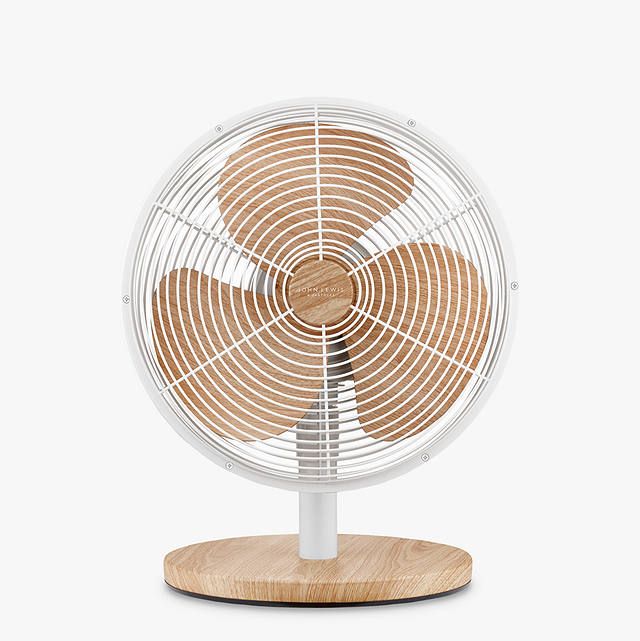
John Lewis & Partners Desk Fan
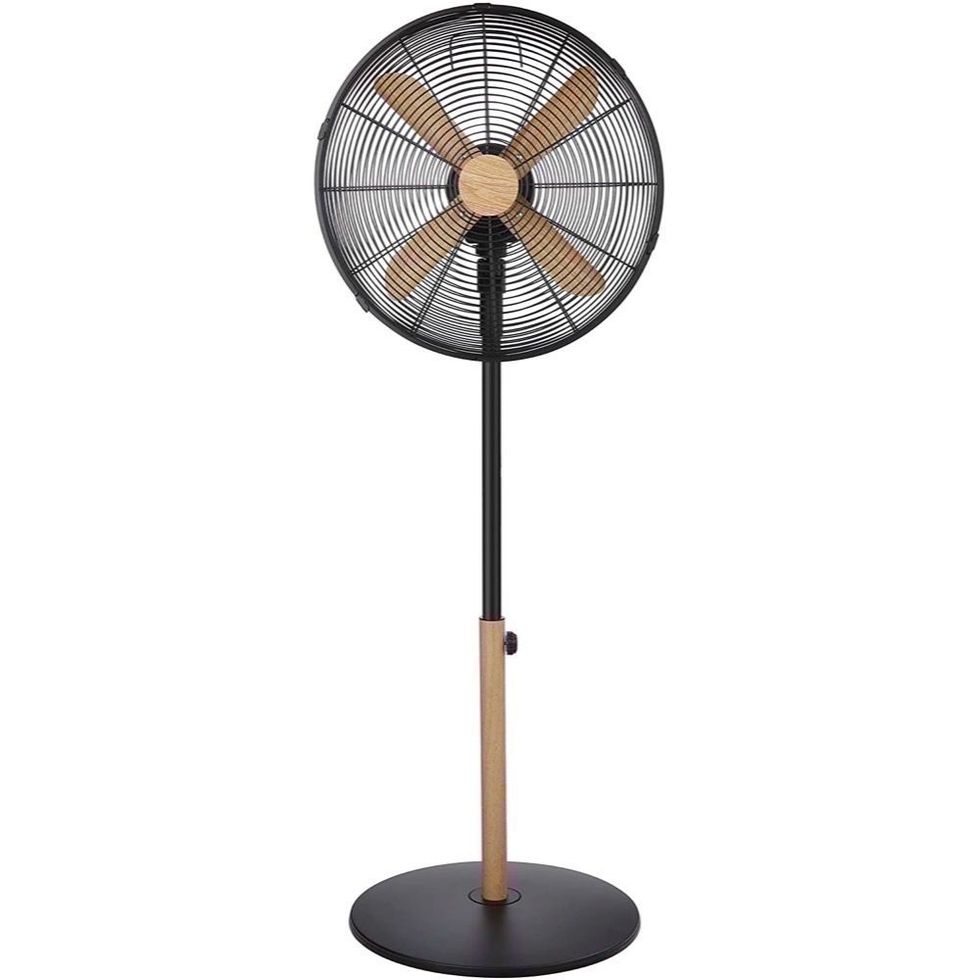
Russell Hobbs Pedestal Fan
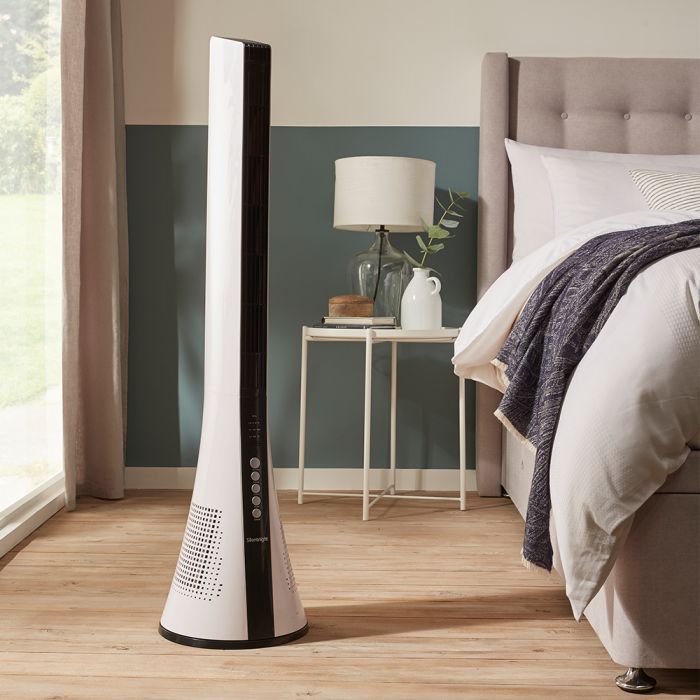
Silentnight Oscillating Bladeless Tower Fan
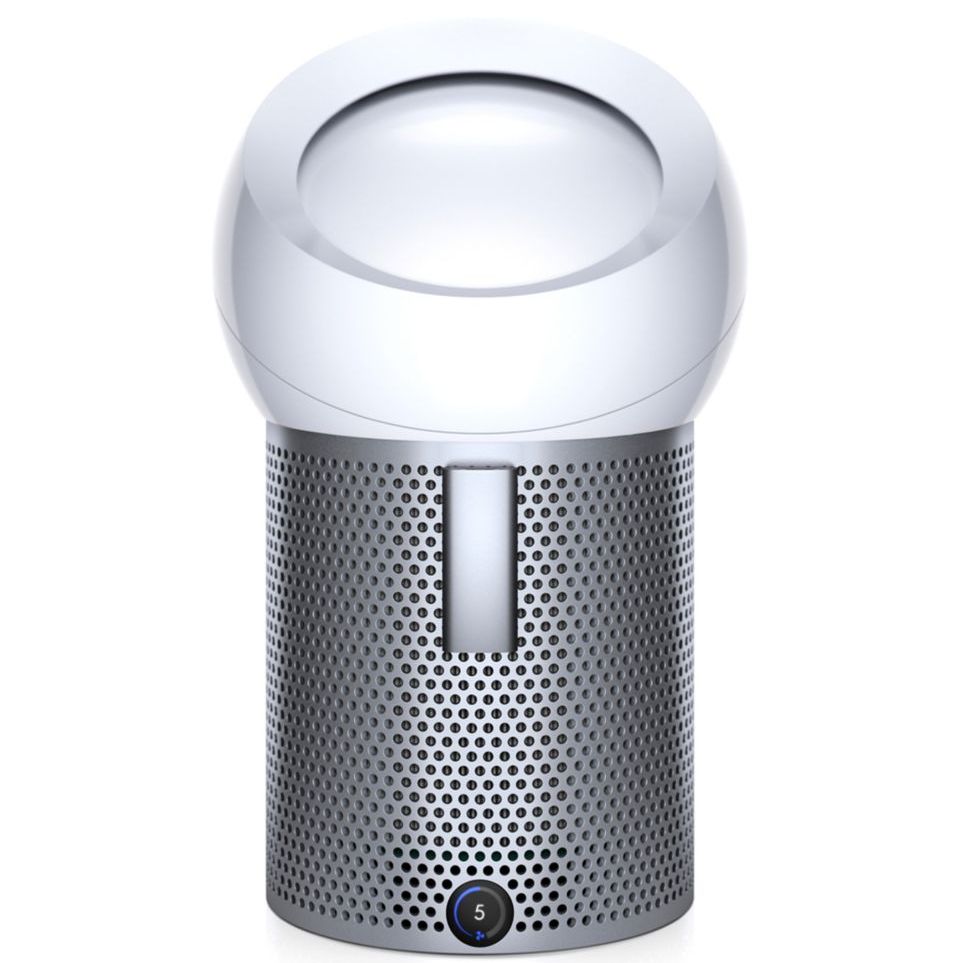
Dyson Pure CoolMe Fan
Pifco Pedestal/Standing Fan
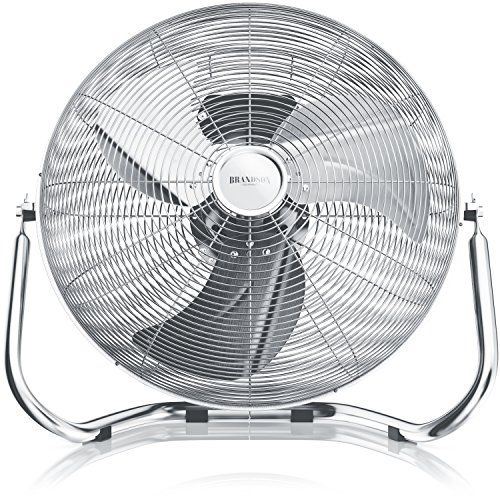
Brandson 20 inch floor fan
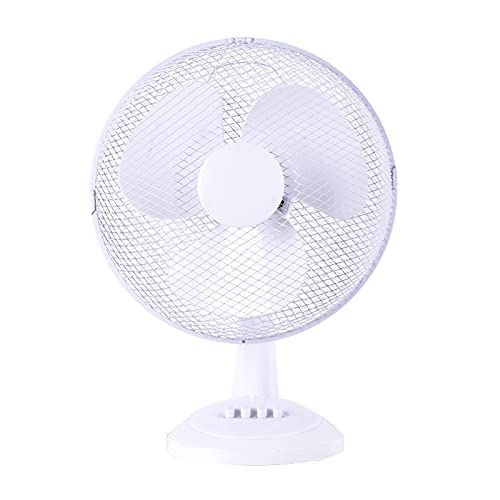
ASPECT 12inch Table Fan
Cara is Commissioning Editor at Country Living, covering everything from style and interiors to sustainability, artisans and the great outdoors. She has previously worked for Good Housekeeping, Homes & Gardens, House Beautiful, Prima and Red, and has an MA in Magazine Journalism from City University and a BA in Music from the University of Oxford. Follow Cara on Instagram @caralaskaris or Linkedin.


