Homemade cloth face masks need to be at least two layers of fabric in order for them to work effectively, a new study has found.
With face masks in England now mandatory in shops and supermarkets, many of us have been getting creative at home by making our own using old t-shirts, pieces of cloth and tea towels.
According to an observational study published in the medical journal, Thorax, two or three layers of fabric is "significantly better at reducing the droplet spread caused by coughing and sneezing." In fact, two or three 25cm x 25cm squares of cotton fabric sewn together is the recommended width.
A research team at the University of New South Wales in Australia analysed the effectiveness of single and double-layer face coverings, looking specifically at the spread of respiratory droplets when an infected person sneezes, speaks or coughs.
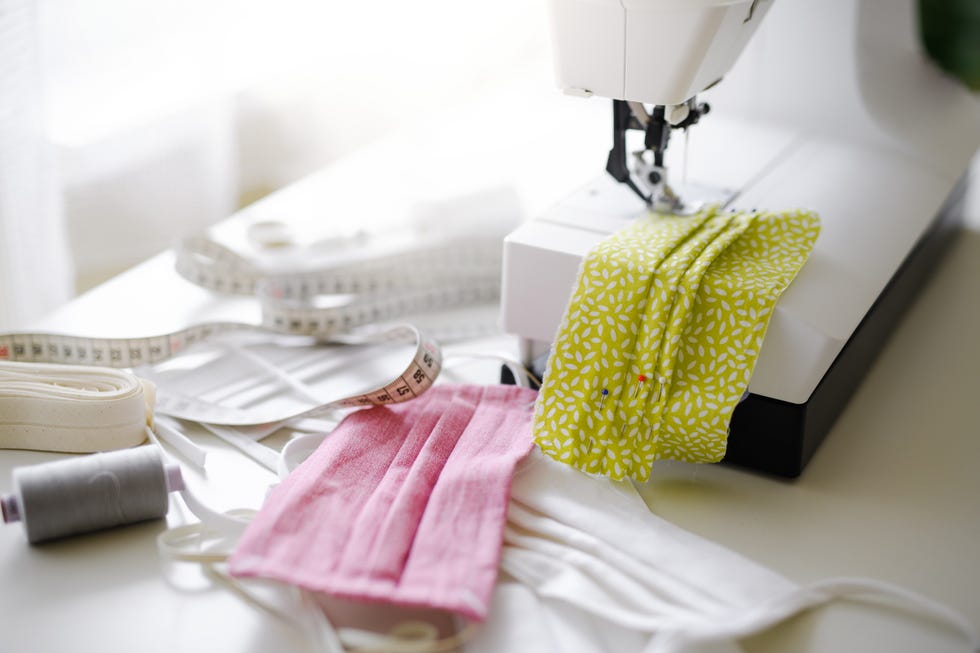

They found that a double-layer covering was better in reducing droplets from coughing and sneezing, in comparison to the single-layer mask. Elsewhere, researchers also found that three-ply surgical face masks were also one of the most effective options when helping with the spread of the coronavirus.
"A cloth face covering with at least two layers is preferable to a single-layer one. Guidelines on home-made cloth masks should stipulate multiple layers," Prateek Bahl from the School of Mechanical and Manufacturing Engineering at UNSW, told TIME.
23 eco-friendly reusable face masks
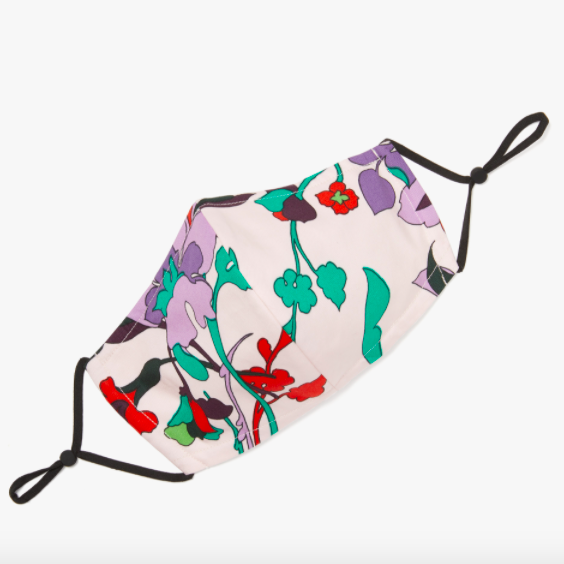
In a beautiful floral print, this non-medical mask from Kate Spade is perfect to keep in your handbag. Simply pop in the wash and reuse.
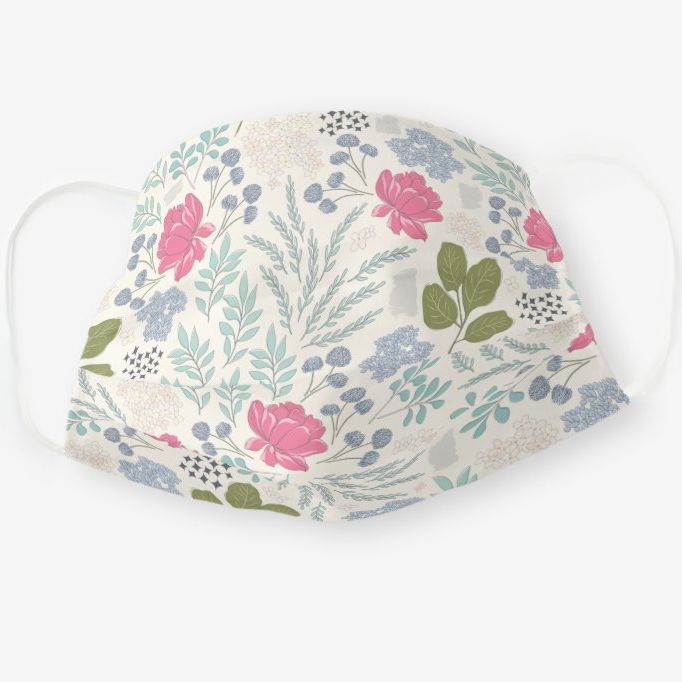
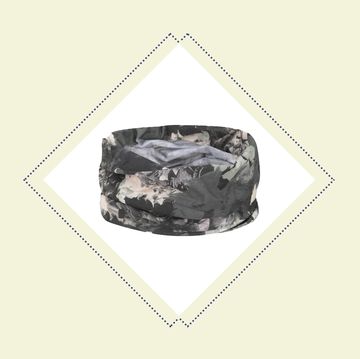
We love this beautiful fabric reusable face mask, which has been made from a breathable polyester fabric. Wearers can pop it in the washing machine after use, so it's much more planet-friendly than single-use options.
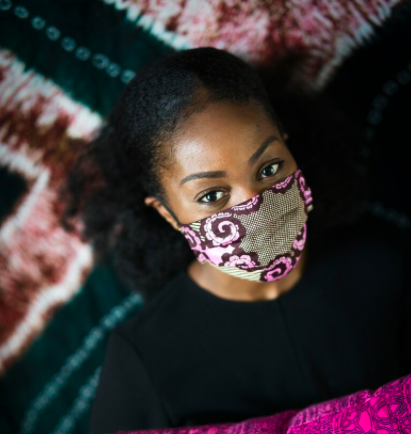
We love this gorgeous printed cotton face mask, which features a beautiful African-inspired print. Hand-crafted by Black-owned business owner, June, it's an incredibly beautiful piece.
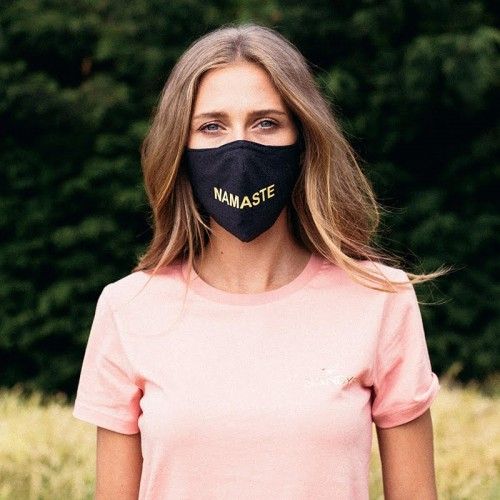
This mask has been designed by brothers Rob and Paul, after they tragically lost their parents in the 2004 Boxing Day tsunami. The money made from the masks goes to supporting children in Sri Lanka, Malawi, Nepal and Brazil. A great way to stay protected during the pandemic and help a greater cause.
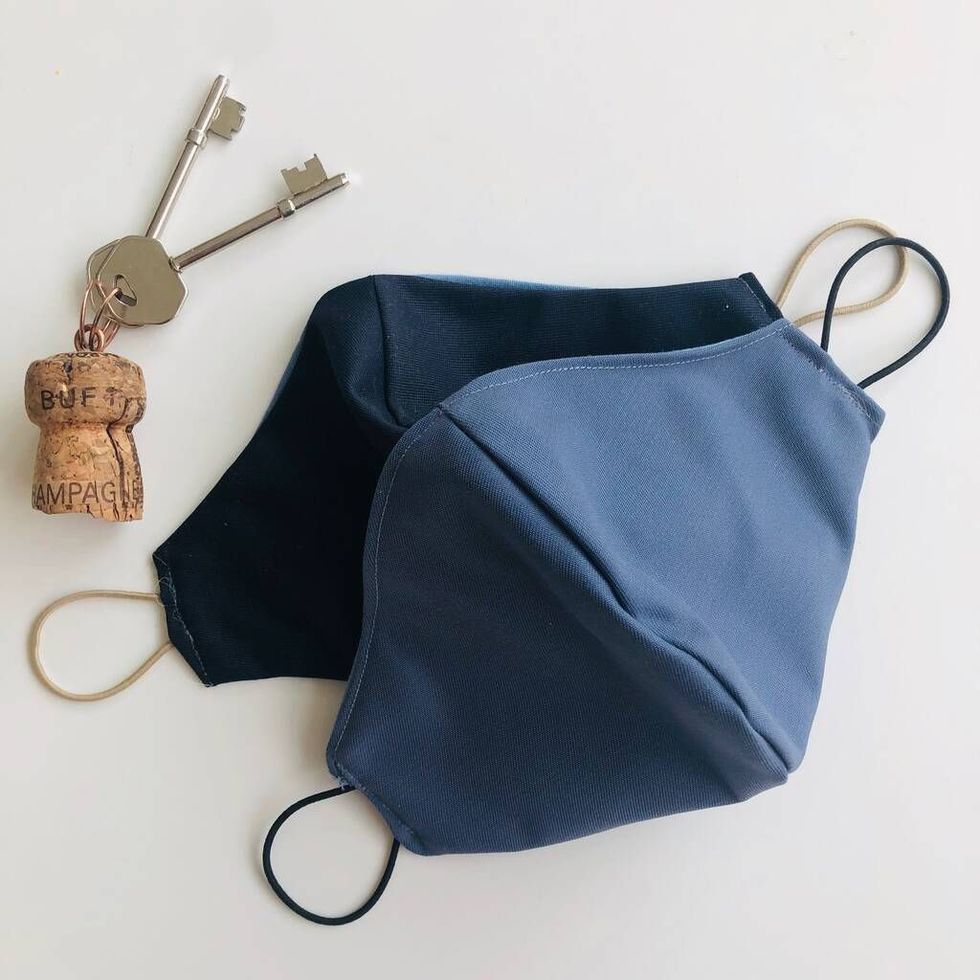
In a classic navy, this reusable 100% cotton face mask is washable, and reversible. They have been handmade by seamstresses in the UK, so purchasing one is a great way to support a small business.
READ MORE: 6 expert tips on how to cope with the anxiety of life after lockdown
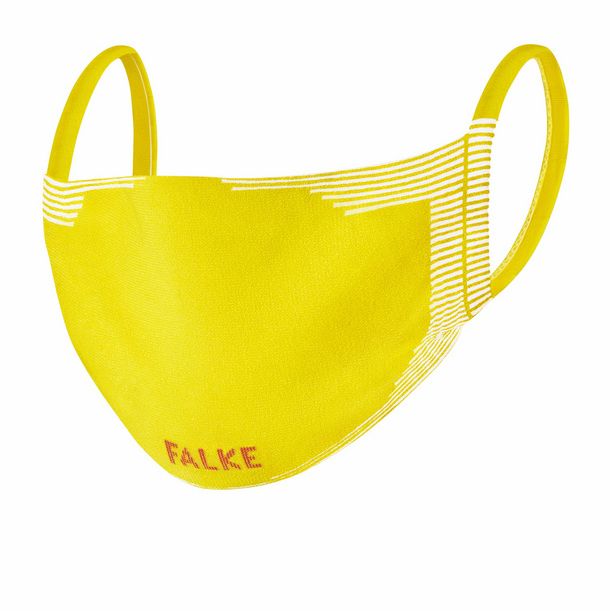
This sporty-looking yellow face mask has an integrated fleece fabric and has been made from an elastic, quick-drying material. Available in various sizes for a perfect fit and great wearing comfort.
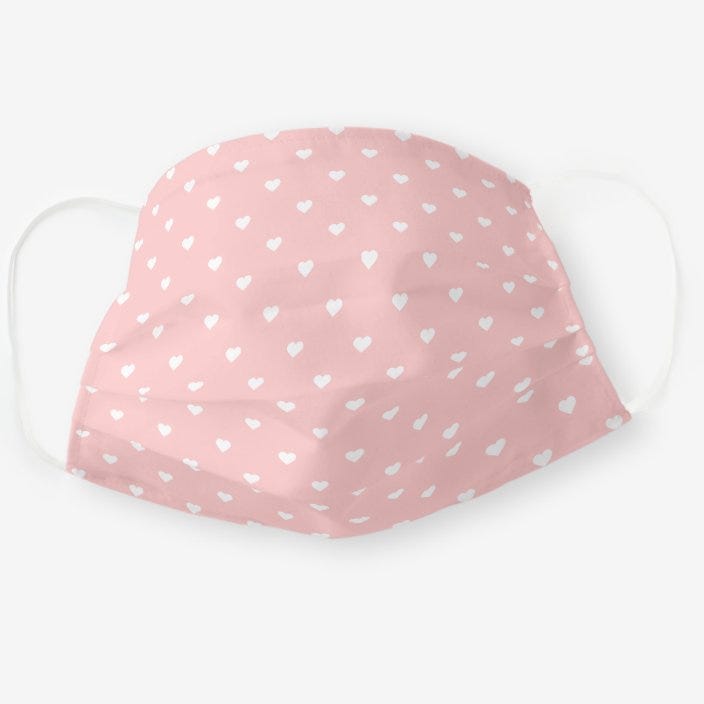
This lovely blush pink face mask has white hearts for added detail, plus comfortable straps to place behind the ears. Wash after every few uses and wear again.
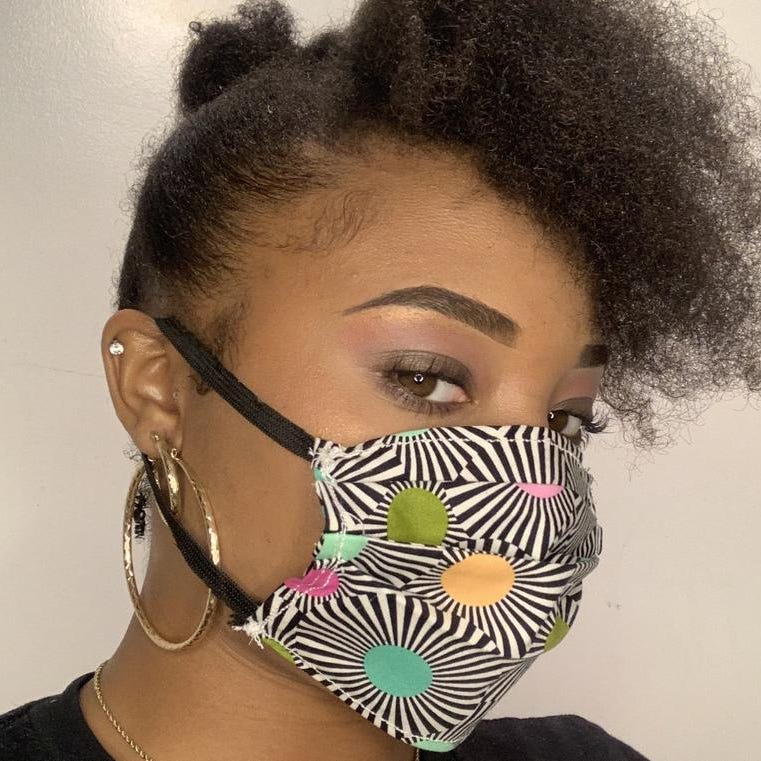
TOSDesignsStore Washable Face Mask, Adult Face Mask, Cotton Face Mask, Reusable Face Mask, Black White Modern Starburst, Bright
With an elastic band to ensure proper fit and fabric made from cotton, this vibrant mask ticks all the right boxes. It's also a brilliant way to support a small Black-owned UK business.
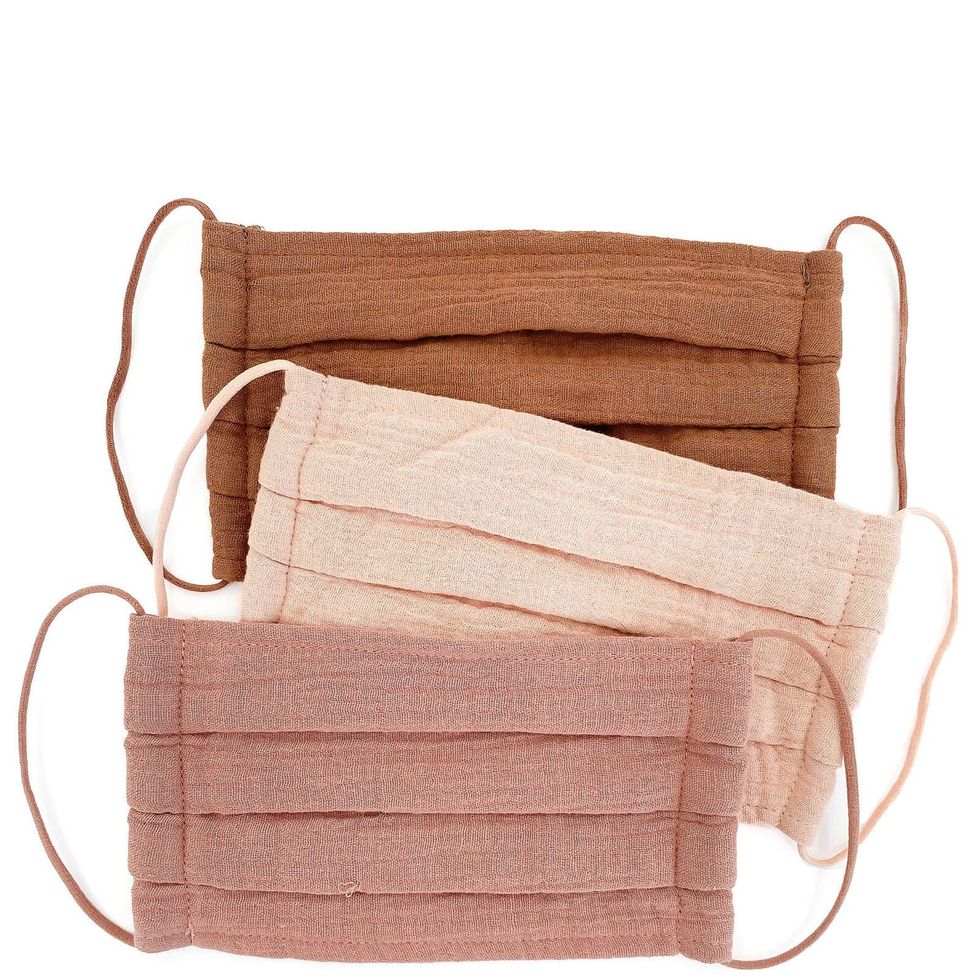
In three neutral hues, this face mask set from Cult Beauty has been crafted from cotton.
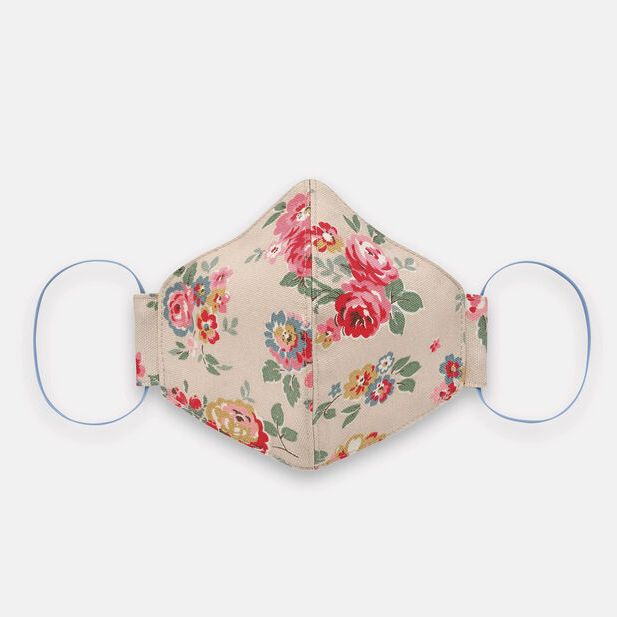
Cath Kidston fans will love this reusable face covering, which features the brand's famous floral print.
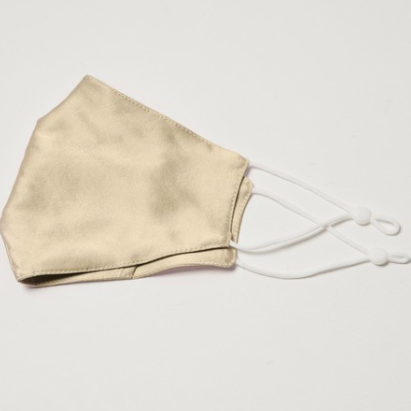
Go gold with this silk face covering from Oliver Bonas.
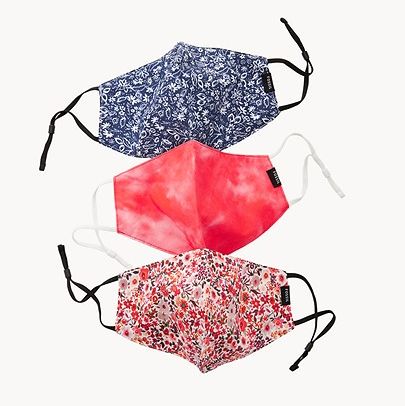
Add some colour into your life with this pack of three floral unisex face masks.
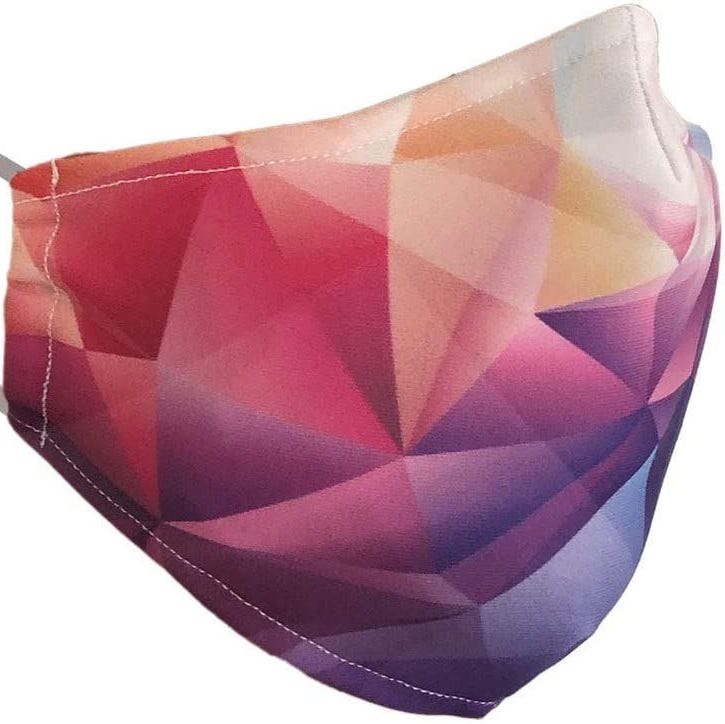
Delfina Stay Safe Reusable Face Mask Protection Washable Mouth & Nose Shield Breathable Anti Smoke Pollution Bike Motorcycle Sport (Web)
Made from 40% cotton and 60% polyester, this reusable face mask protects your airways when heading into busier areas. Choose from a range of prints to find your favourite.
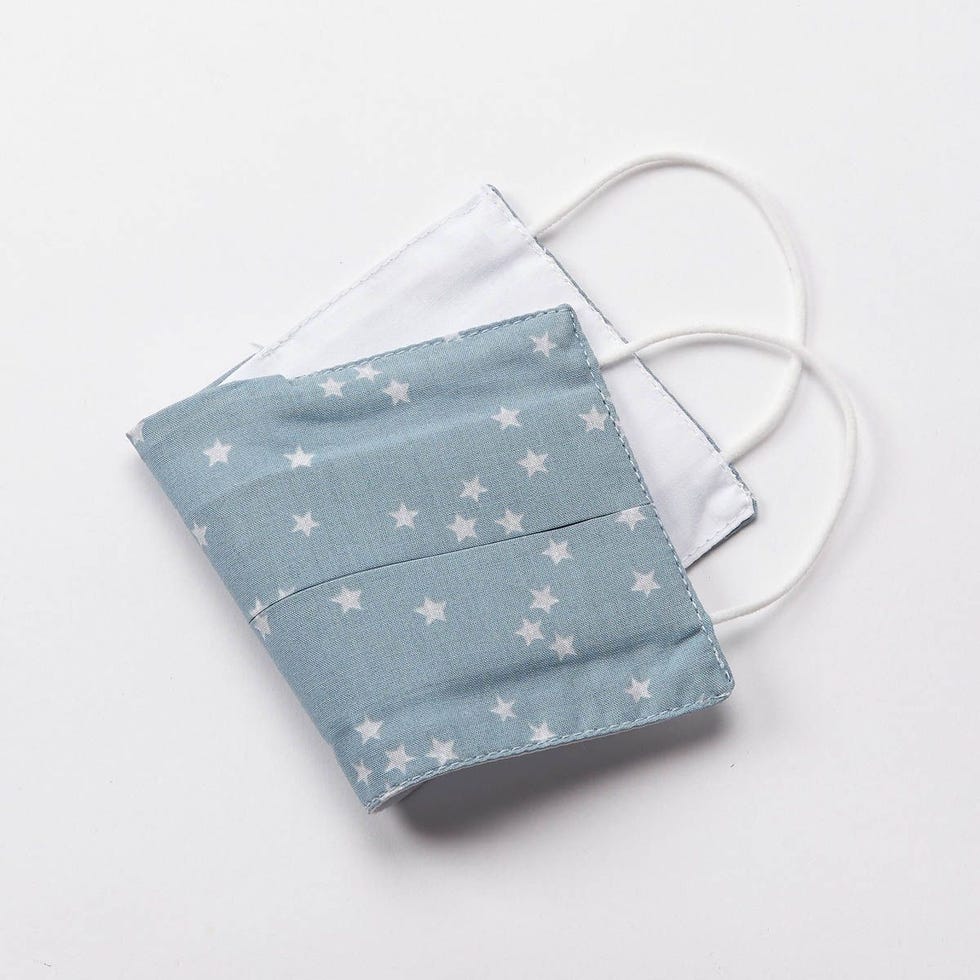
This beautiful face cotton mask from Christy has a double layer construction, 200TC inner layer for added comfort, and a single pleat design with elasticated straps to ensure a comfortable fit.
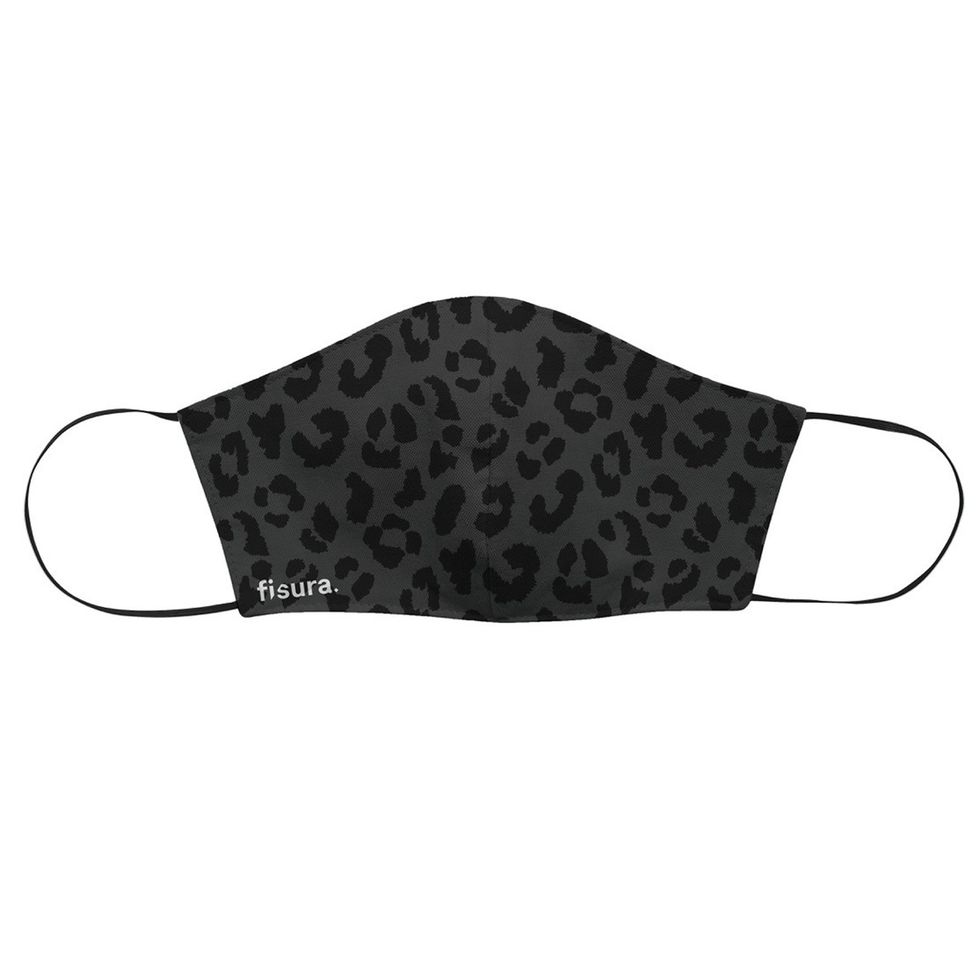
With a black cheetah print, this reusable face mask will suit everyone.
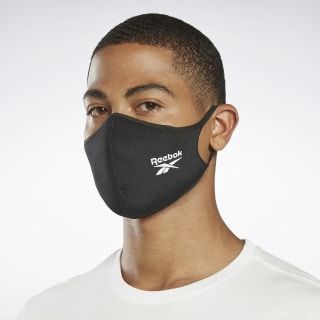
Made with a soft and breathable fabric, this three-pack of face masks from Reebok has been designed to provide comfort throughout the day.
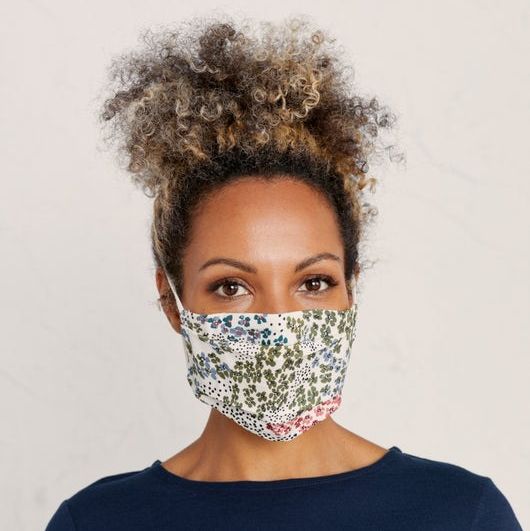
Pleated Organic Cotton Face Coverings
This pleated organic cotton face covering has a nose bridge for comfort and a stylish nature-inspired print.

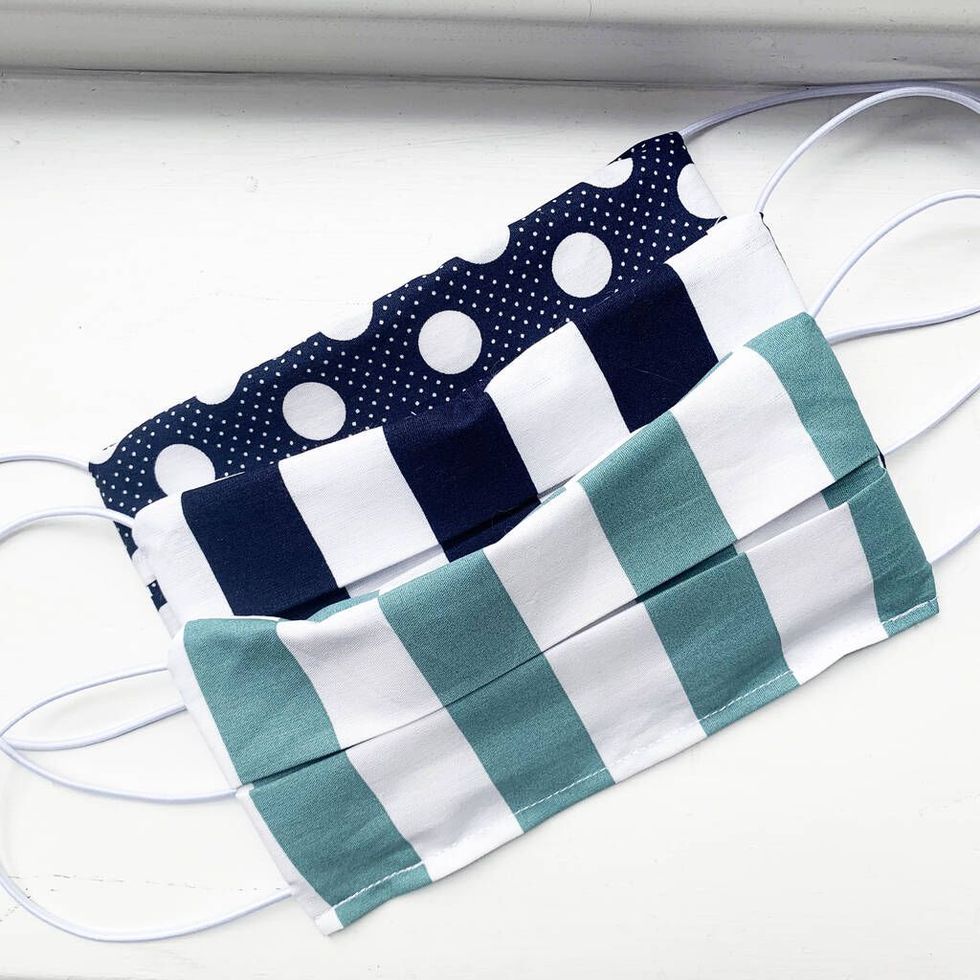
Face Mask Handmade 100% Cotton Washable Face Mask
On the hunt for a more vibrant style? This beautiful 100% breathable cotton washable face mask is available in three lovely prints and has been made to provide complete comfort.
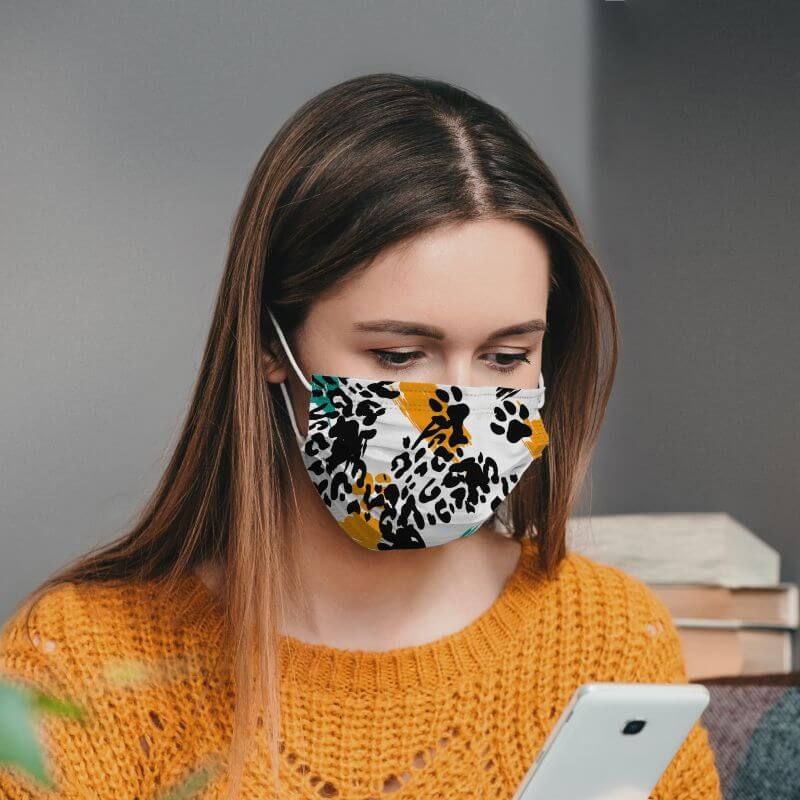
This cheerful fabric reusable face mask donates £1 from every purchase to the NHS Charities campaign. It has been made from a breathable fabric and aims to provide comfort throughout the day. You can also pop it in the washing machine, too.
READ MORE: These 3 simple techniques can help prevent the spread of coronavirus at home
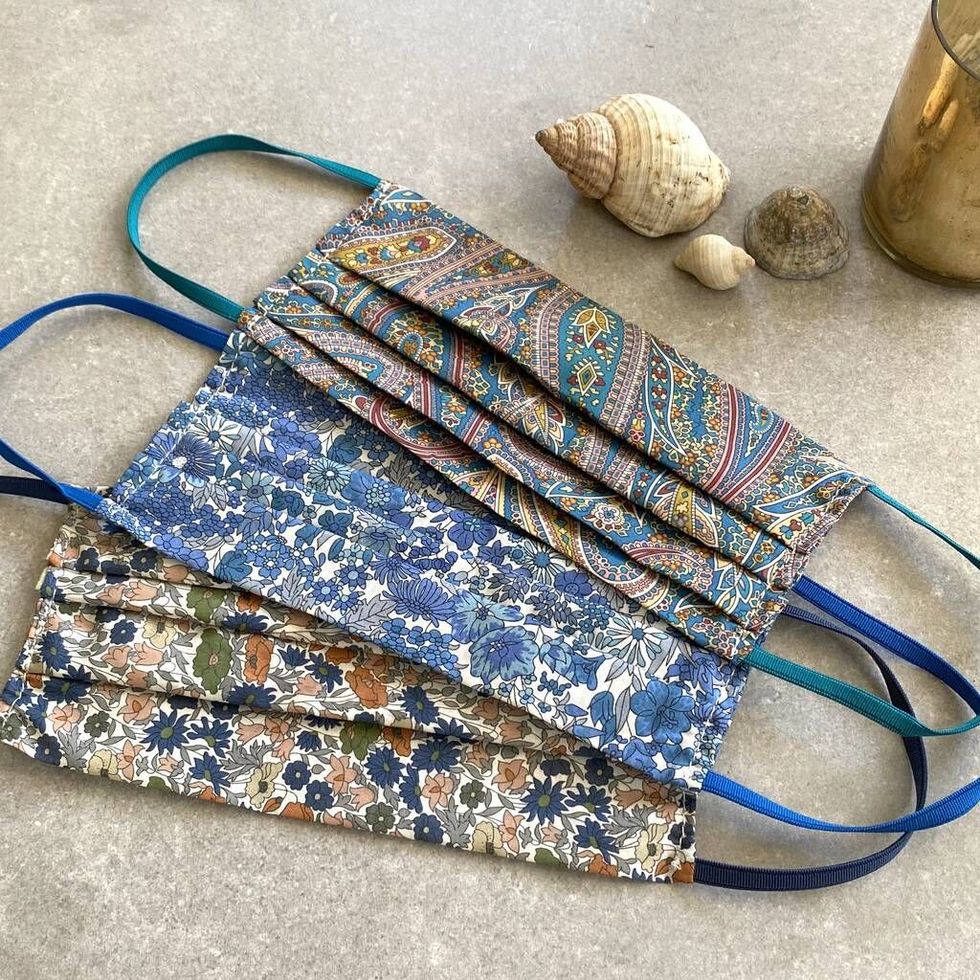
UNDERCOVER Liberty Print Luxe Pleated Face Mask Special Elastic
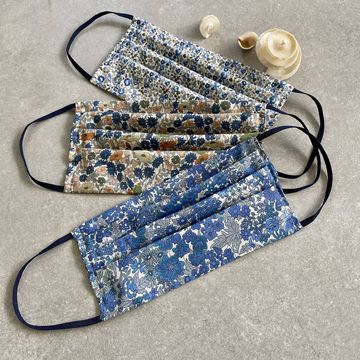
Made from the Liberty print, Tana Lawn, this floral face mask is a super stylish choice. It has elastic to provide comfort around the ears and two layers of breathable pleated fabric.
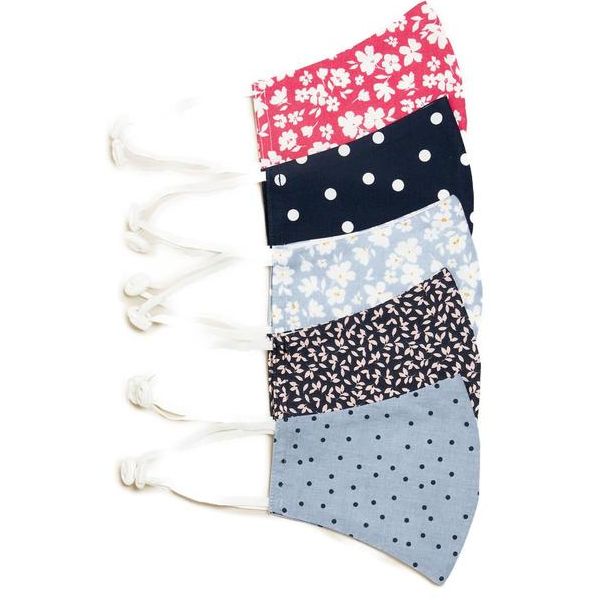
This pack of five contains a mixture of beautiful prints, including polka dot and floral.

If you want something simple, add this Falke face mask to your shopping basket.
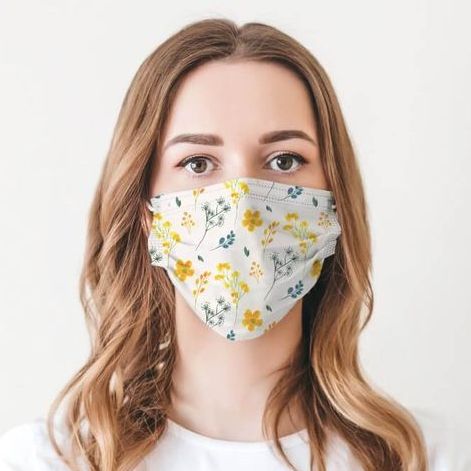
Printed with beautiful flowers, this fabric face mask is a great option if you're on the hunt for something unique. It has a filter pocket and is fully CE certified.
Like this article? Sign up to our newsletter to get more articles like this delivered straight to your inbox.
Lisa Joyner is the Deputy Daily Editor at House Beautiful UK and Country Living UK, where she's busy writing about home and interiors, gardening, dog breeds, pets, health and wellbeing, countryside news, small space inspiration, and the hottest properties on the market. Previously, she has written for Conde Nast Traveller, House & Garden and Marie Claire magazine. Lisa studied at University For The Creative Arts, where she completed a BA in Fashion Journalism.