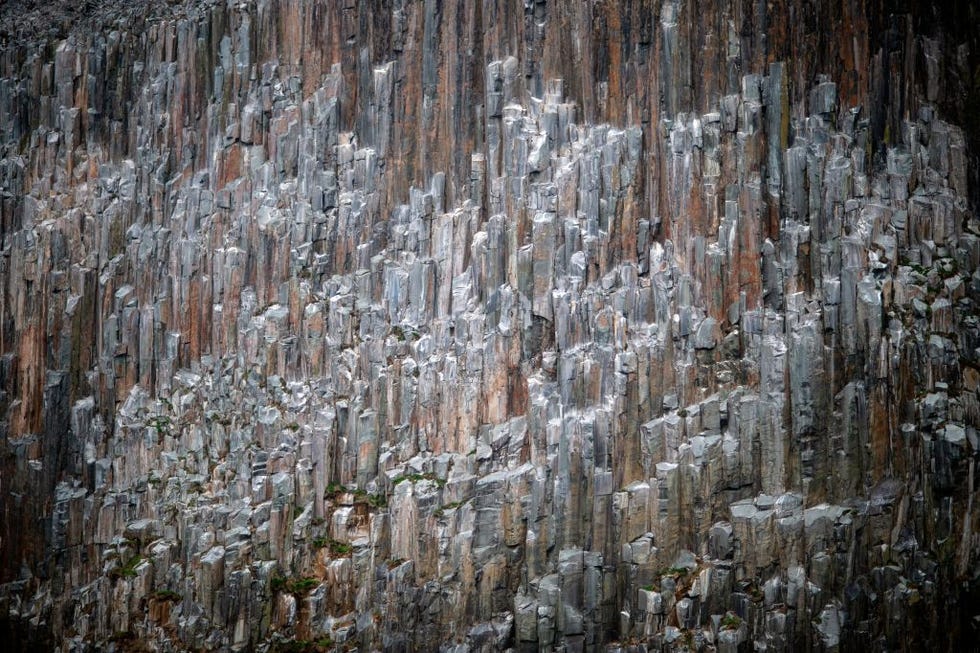
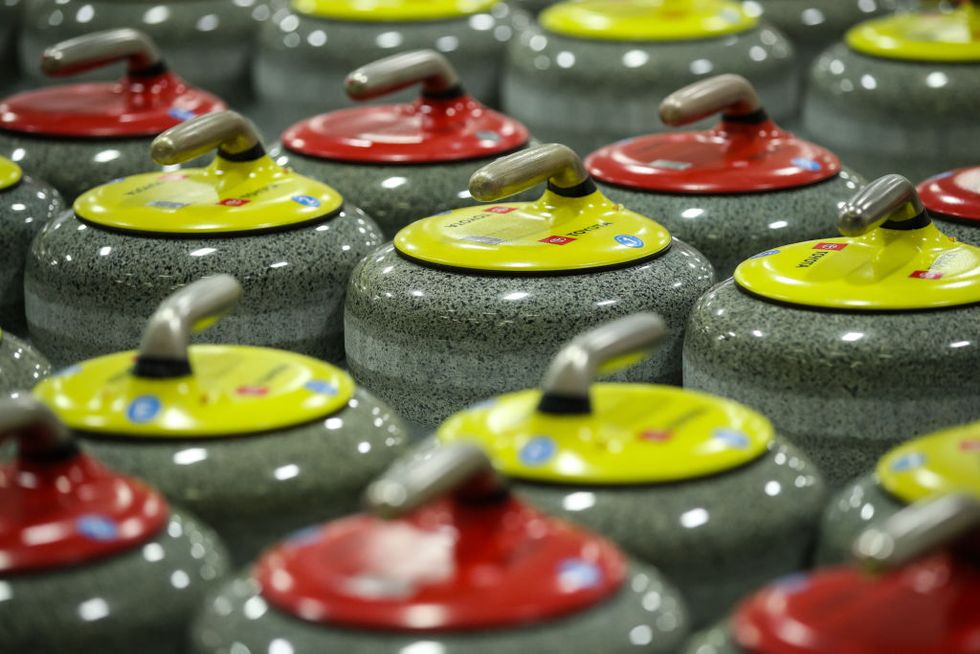
Did you know that all the curling stones used at the 2026 Milano Cortina Winter Olympics are made in Scotland? The granite is quarried on the tiny island of Ailsa Craig and then made in the East Ayrshire town of Mauchline.
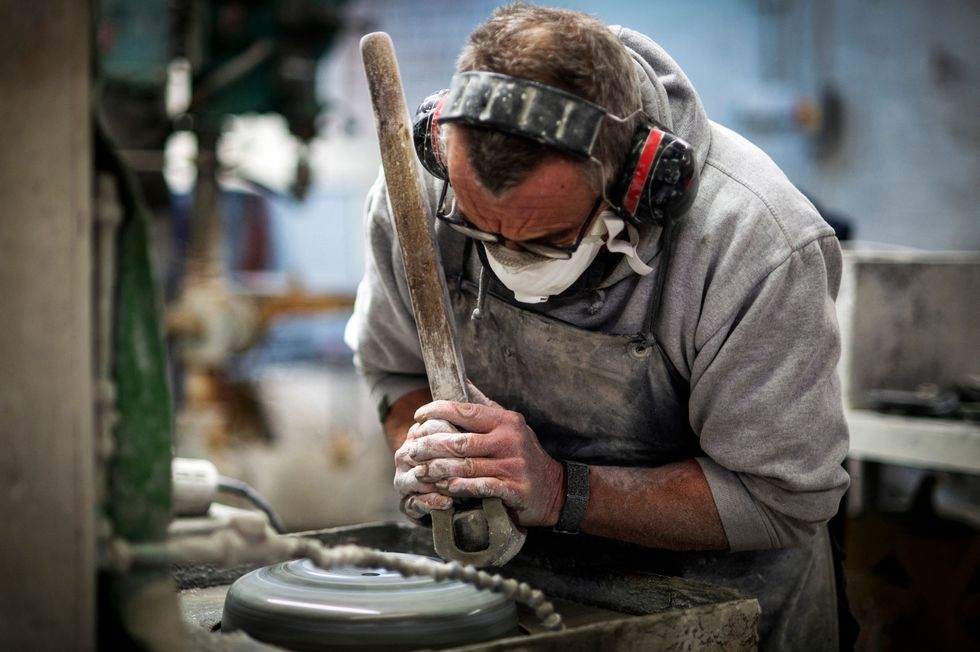
Kays Curling's workshop in Mauchline, Ayrshire, has been making curling stones for the Winter Olympics since the Chamonix Games in 1924. The Ailsa Craig granite, hewn from a quarry on the island, is some of the hardest and purest in the world, making it perfect for the wet, icy surface curling is played on.
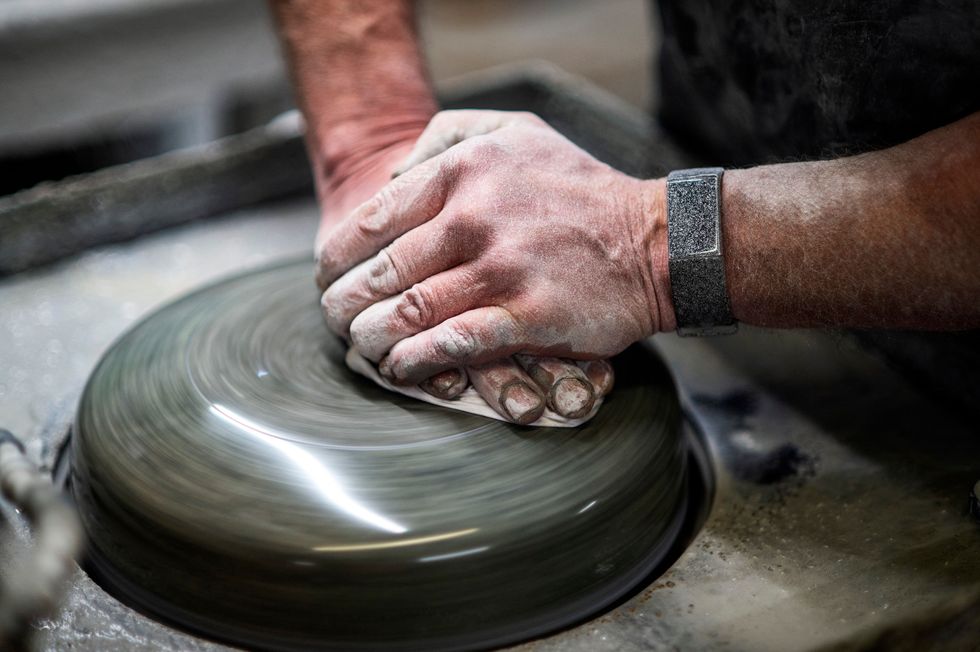
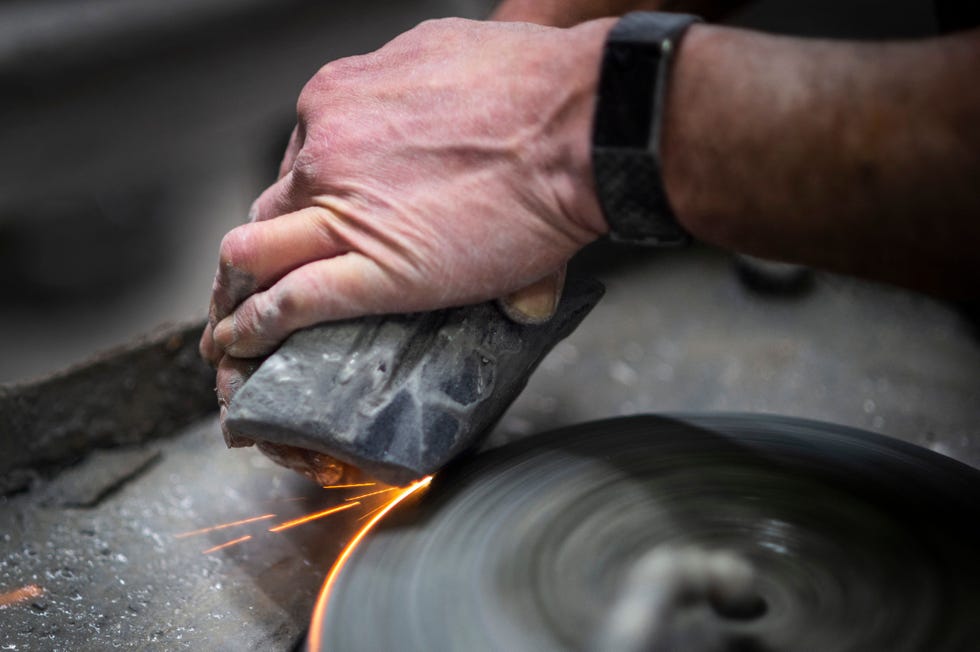
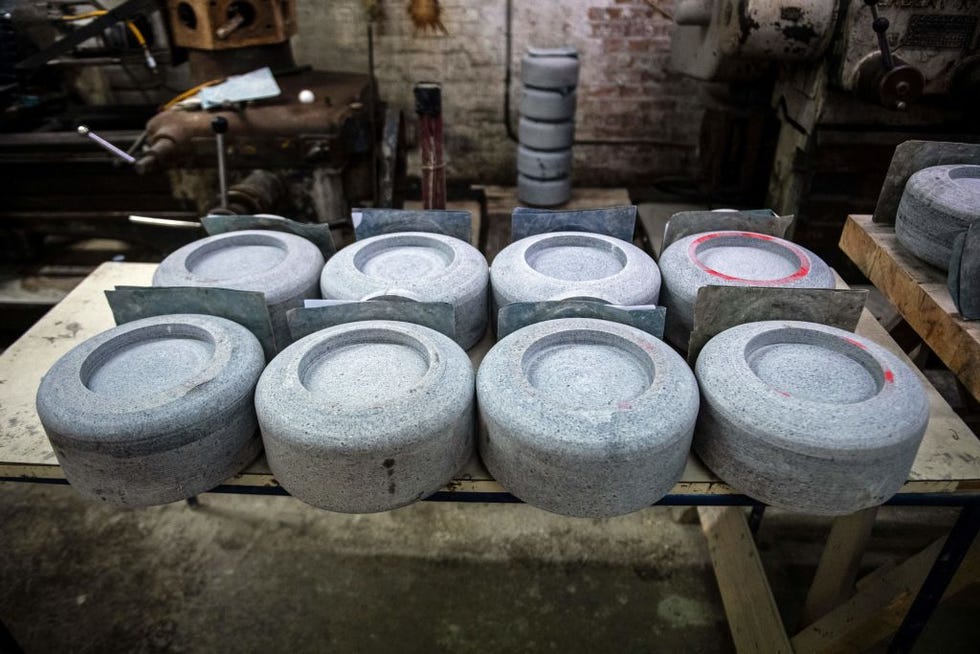
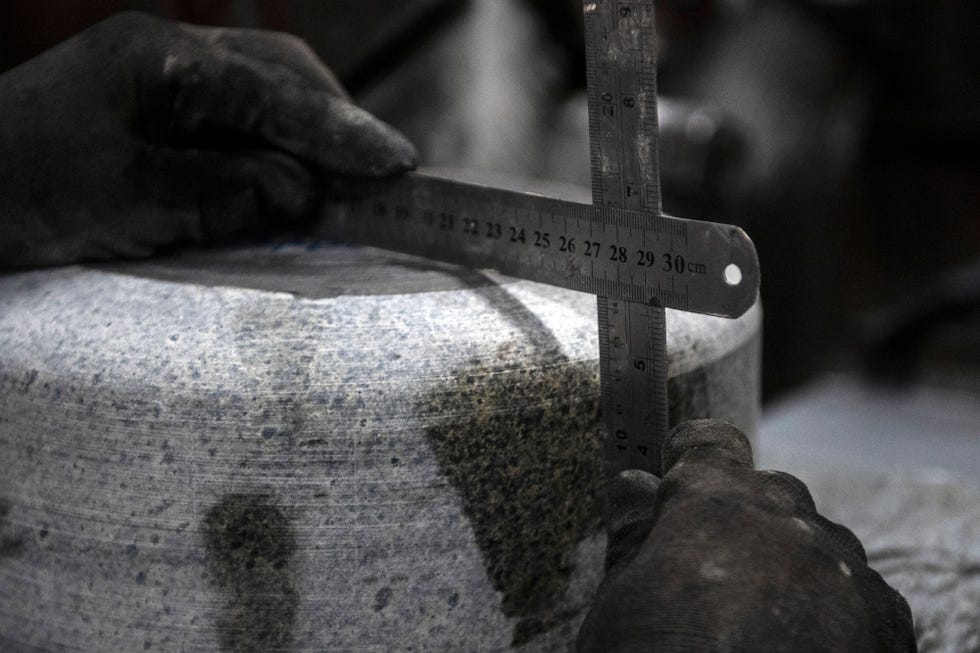
As the Scottish company's stones are the only ones used in competition by the World Curling Federation, the demand is high. According to the BBC, workers produce one stone per hour (a total of 38 stones per week), and each one is thoroughly checked to ensure they meet Olympic requirements of 20kg, with a width of 278mm and a height of 136mm.
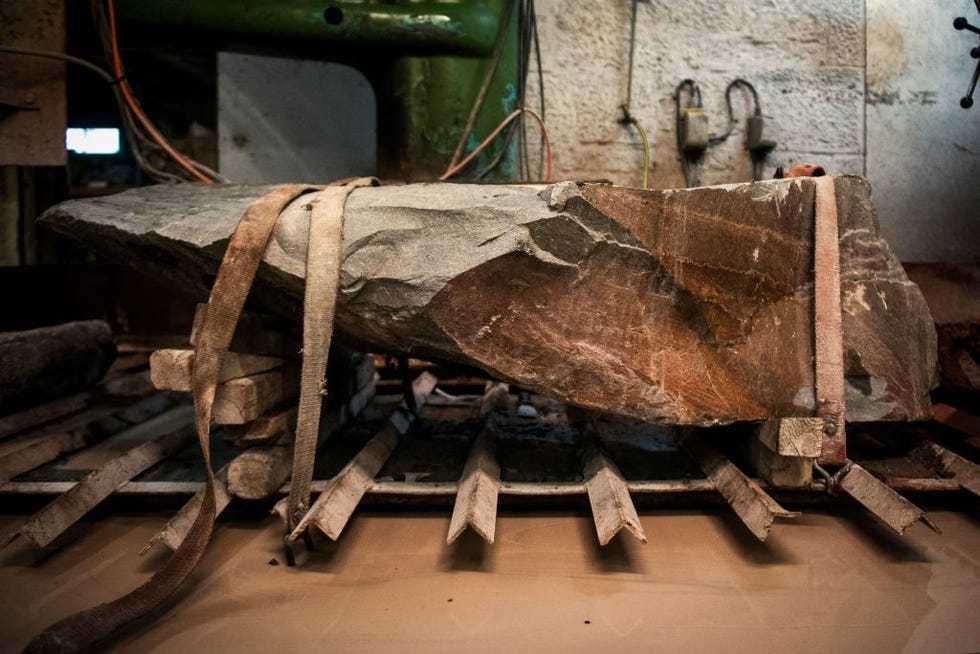

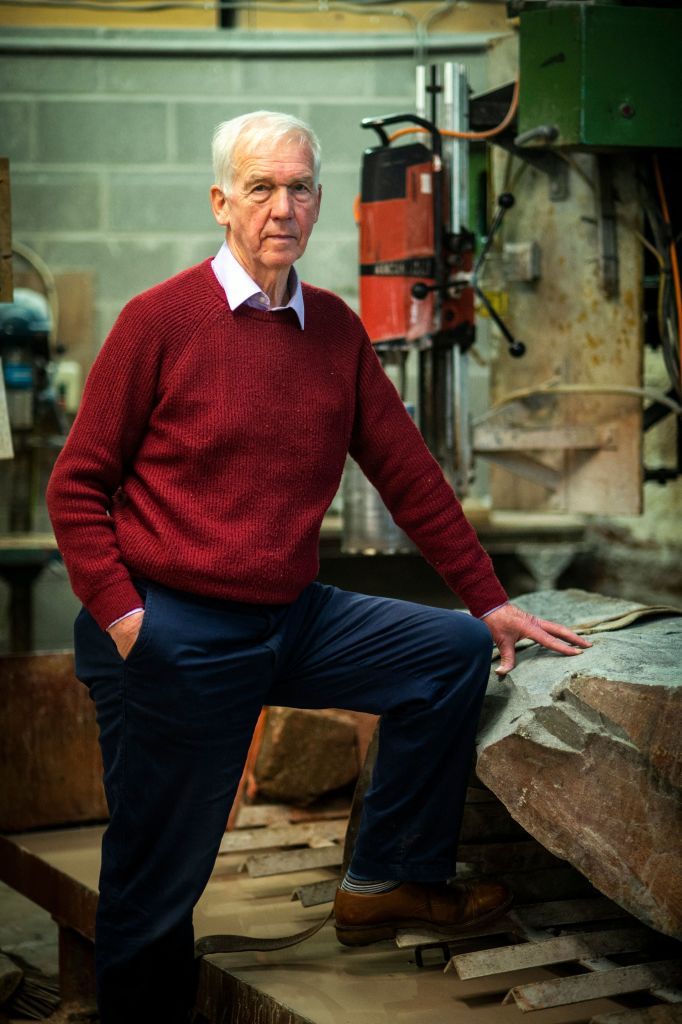
"The history books tell us that curling stones have been made from Ailsa Craig material for probably at least 200 years now," Jimmy Wyllie, director of Kays Curling, told BBC Radio's Good Morning Scotland programme. "There are two sources on the island and in the good old days you could have a pair made from either."

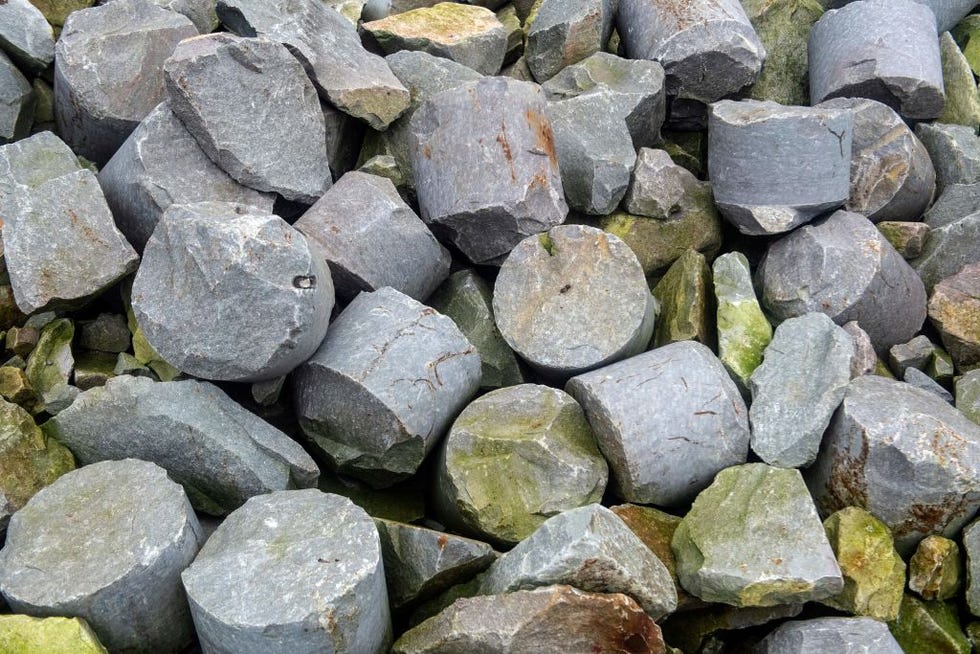
The main body of the Olympic curling stone is made using common green Ailsa Craig granite, while the rest of the stone is made from blue hone granite. Resistant to cracking and condensation, the material is perfect for smoothly gliding over the icy surface in a consistent manner.
"No other destination in the world produces granite with the blend of heat and moisture resistance and hardy resilience than this small Scottish island," the official Olympics website explains. "For the sport of curling, nothing can replace the unique properties of the granite hewn from a quarry on the island of Ailsa Craig off of Scotland's Ayrshire Coast."
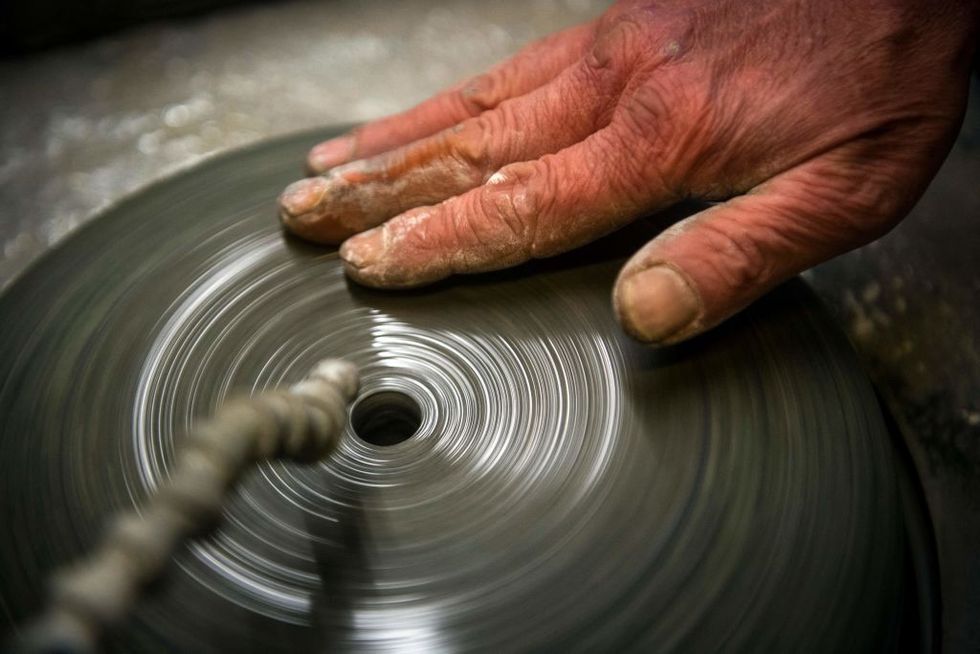
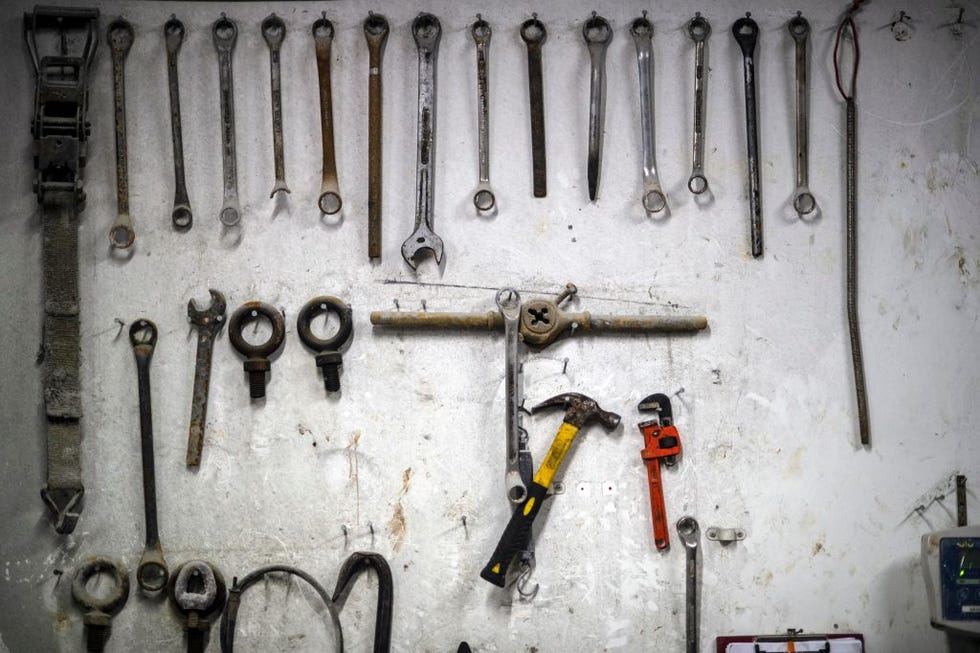
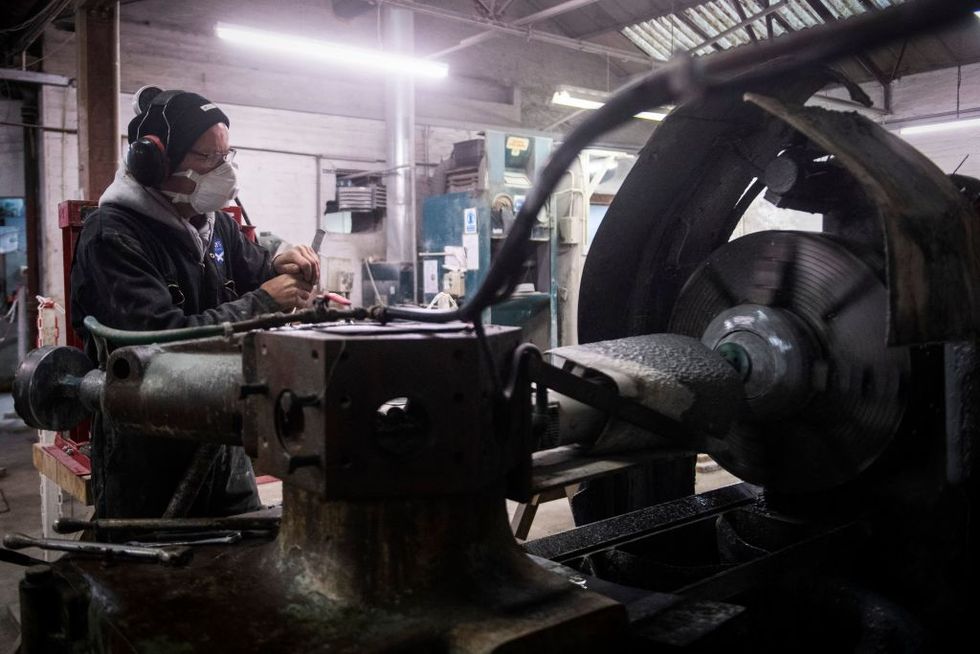
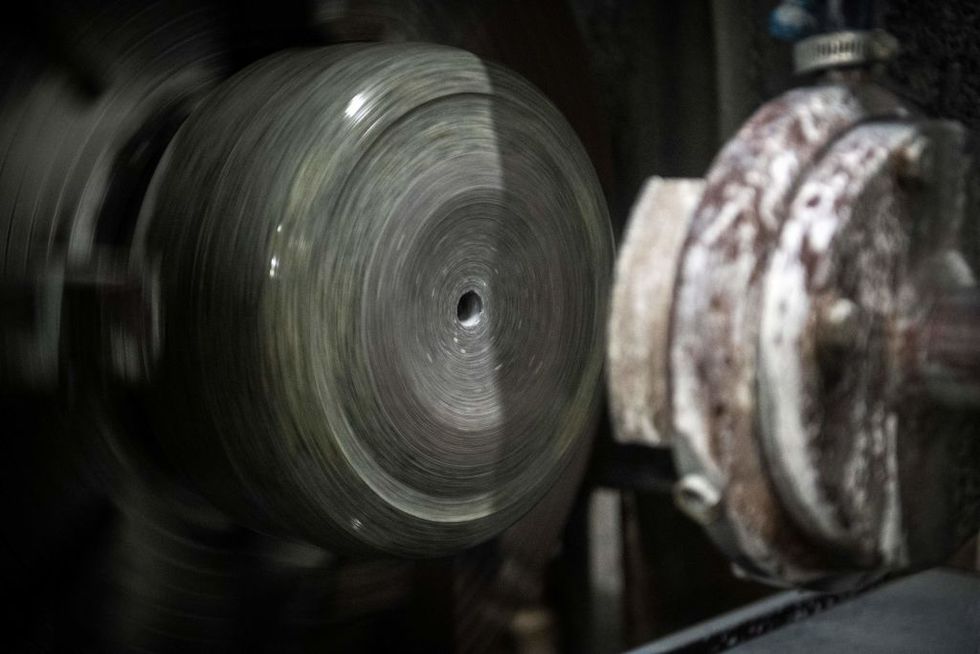
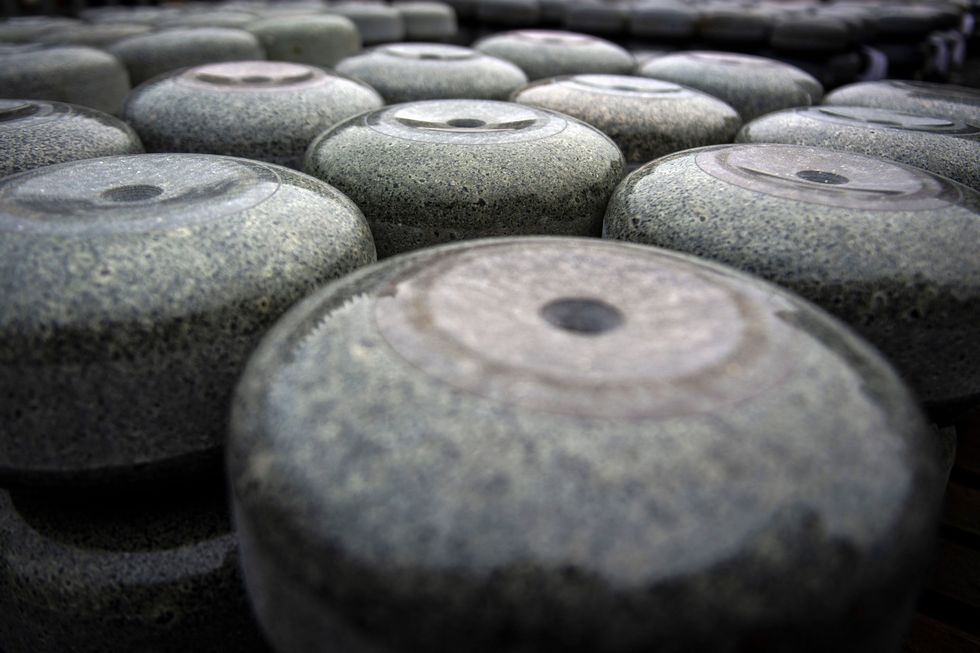
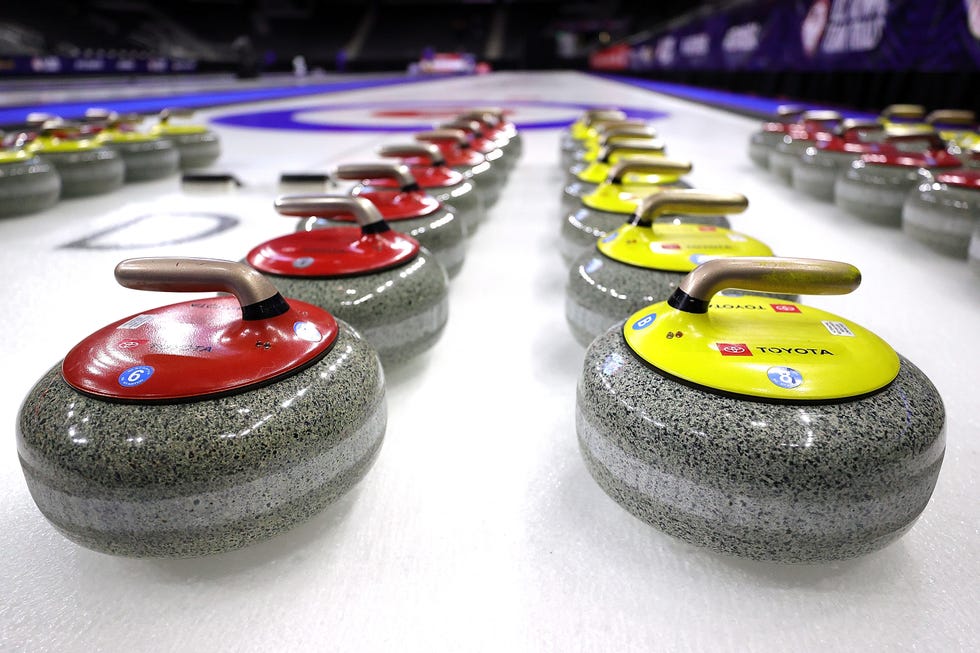
How amazing! Take a look at some of the incredible images of the curling stones being made for the Olympic games...















Follow Country Living on Instagram.
Platinum Jubilee souvenirs and gifts to celebrate the Queen
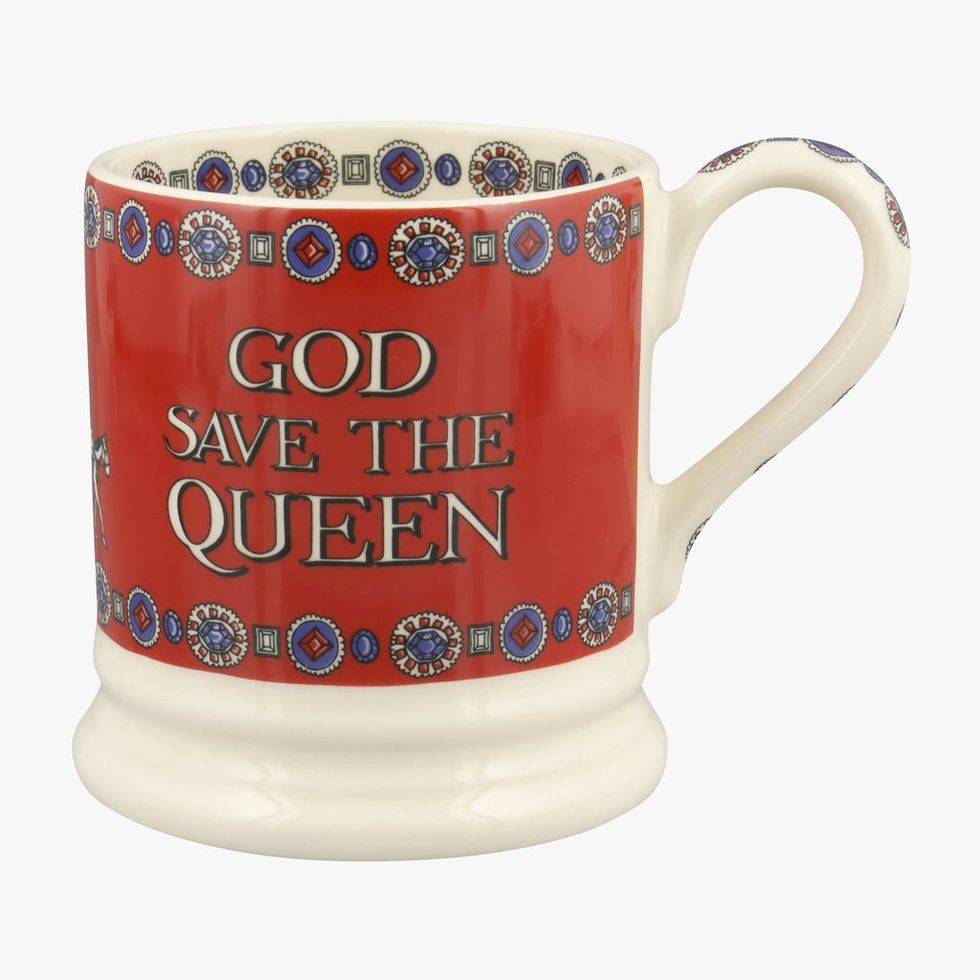
Emma Bridgewater Queen's Platinum Jubilee God Save The Queen Mug
This historic jubilee makes a great excuse to add another Emma Bridgewater mug to your collection! This one features our national anthem in EB's signature script on a proud red background.
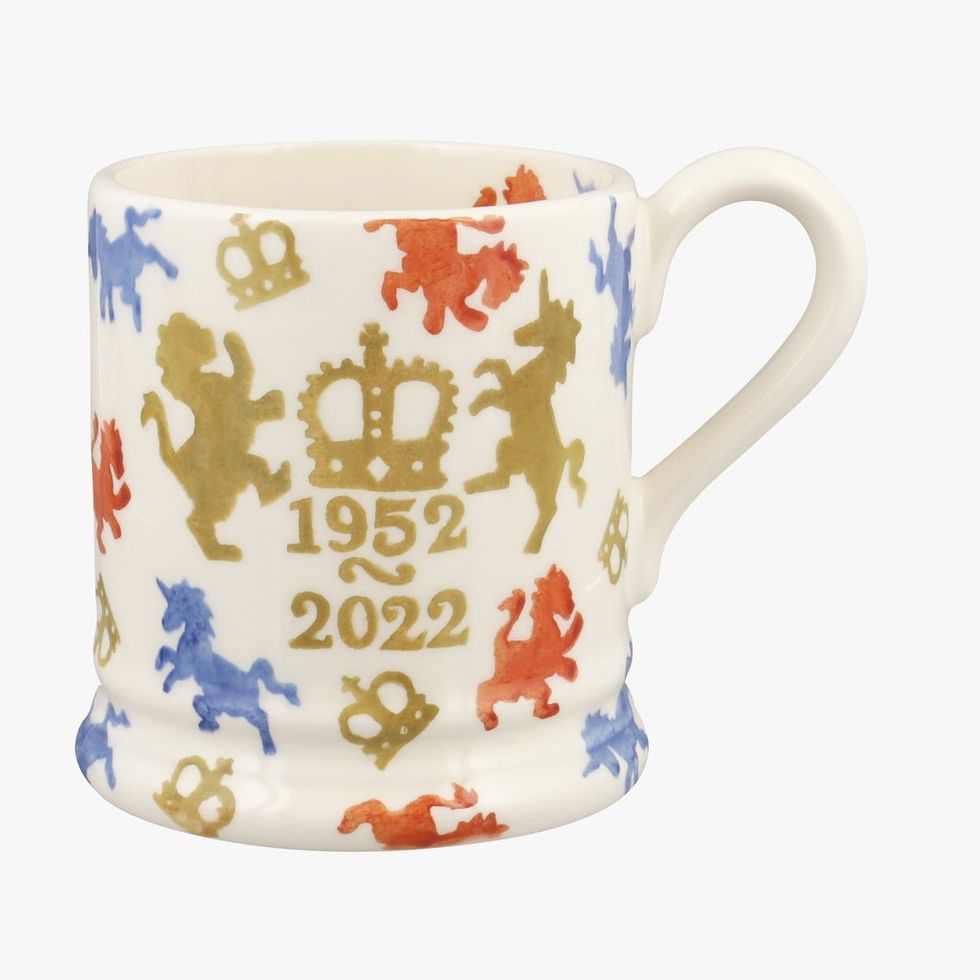
Emma Bridgewater Queen's Platinum Jubilee Mug
Here's a more subtle design from Emma Bridgewater.
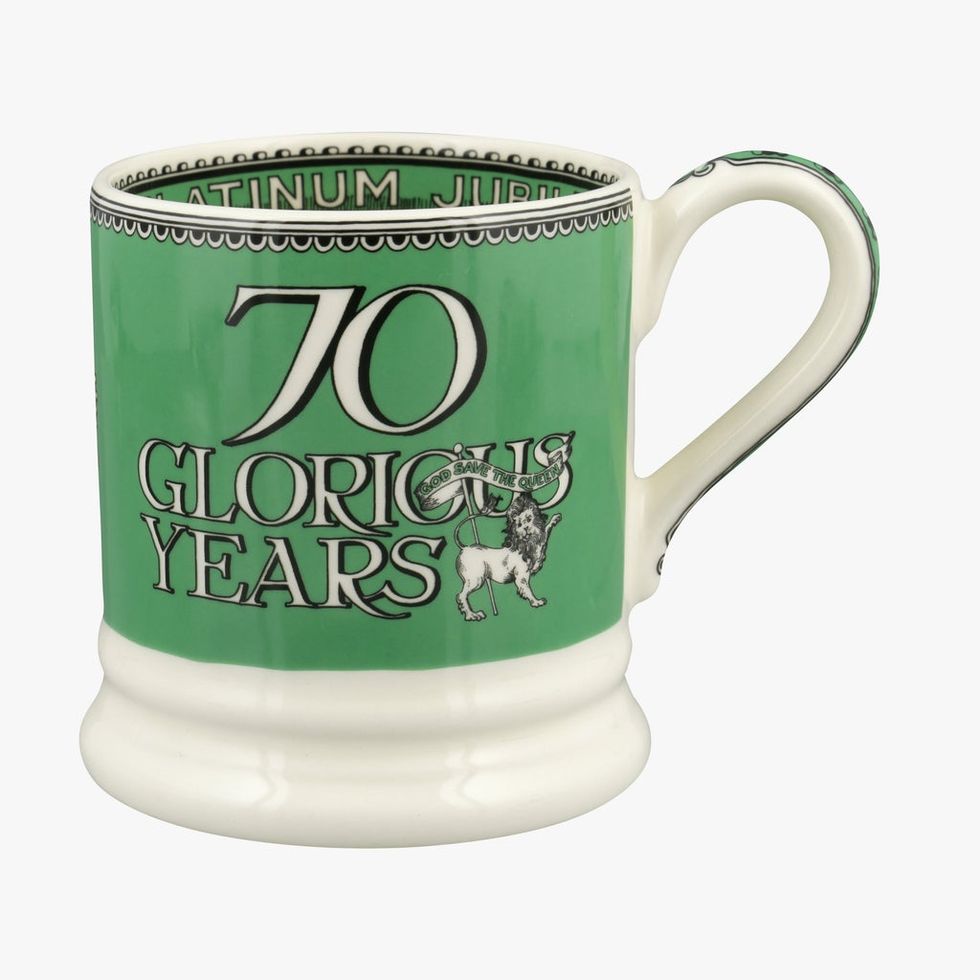
Emma Bridgewater Queen's Platinum Jubilee 70 Glorious Years Mug
Lastly, the potter has this vibrant green option. Which will you choose?
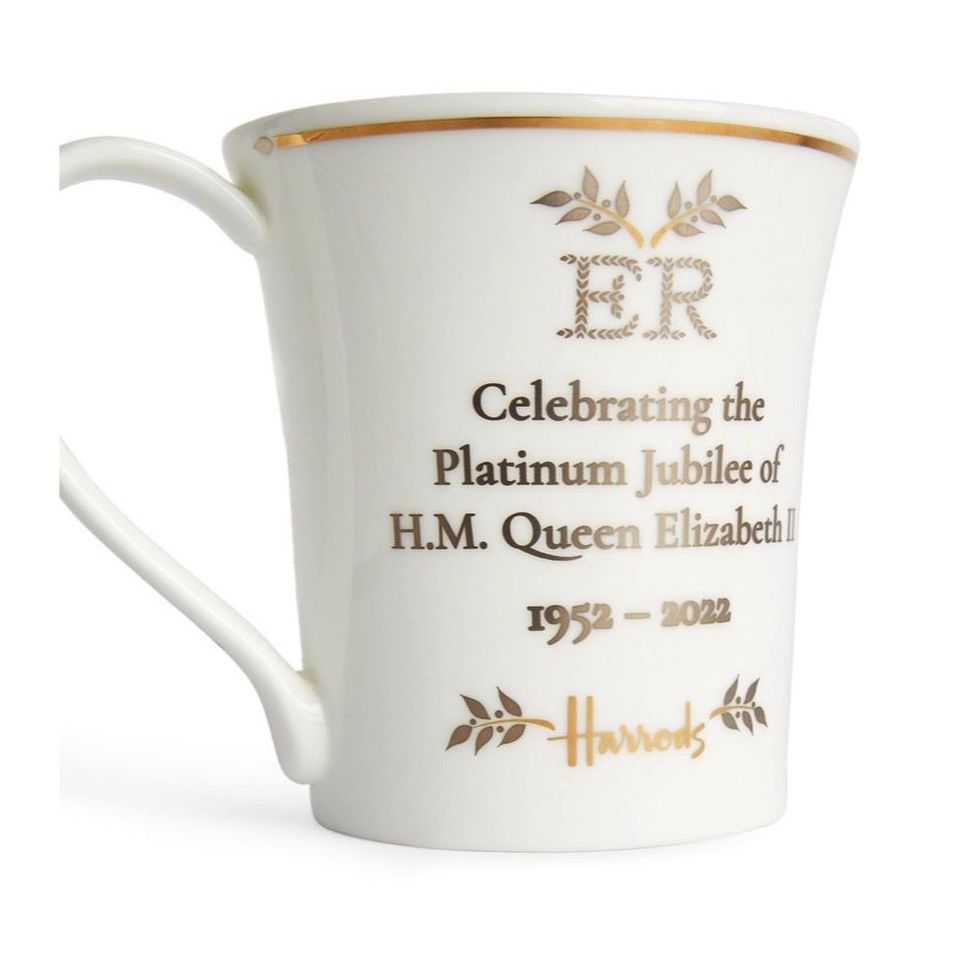
Harrods Queen's Platinum Jubilee Mug
Harrods has released its own commemorative mug, too. This fine bone china option features the dates of the Queen's reign in shining gold and finished with the royal crests.
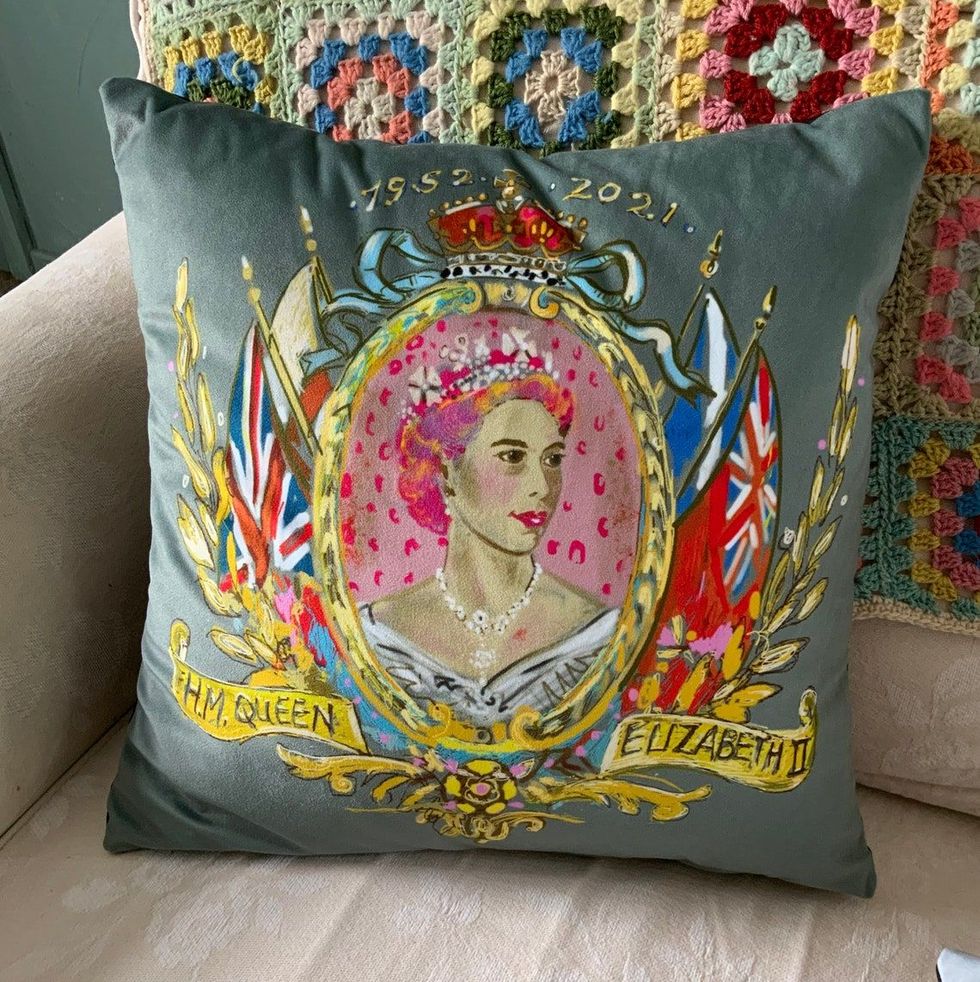
Sandie Burton Designs Queen's Platinum Jubilee Cushion Cover
Particularly dedicated royalists will be pleased with this lovely handmade cushion cover; it's thoroughly celebratory without being garish. It'd fit right in with a country cottage scheme while adding a cheerful flash of colour.
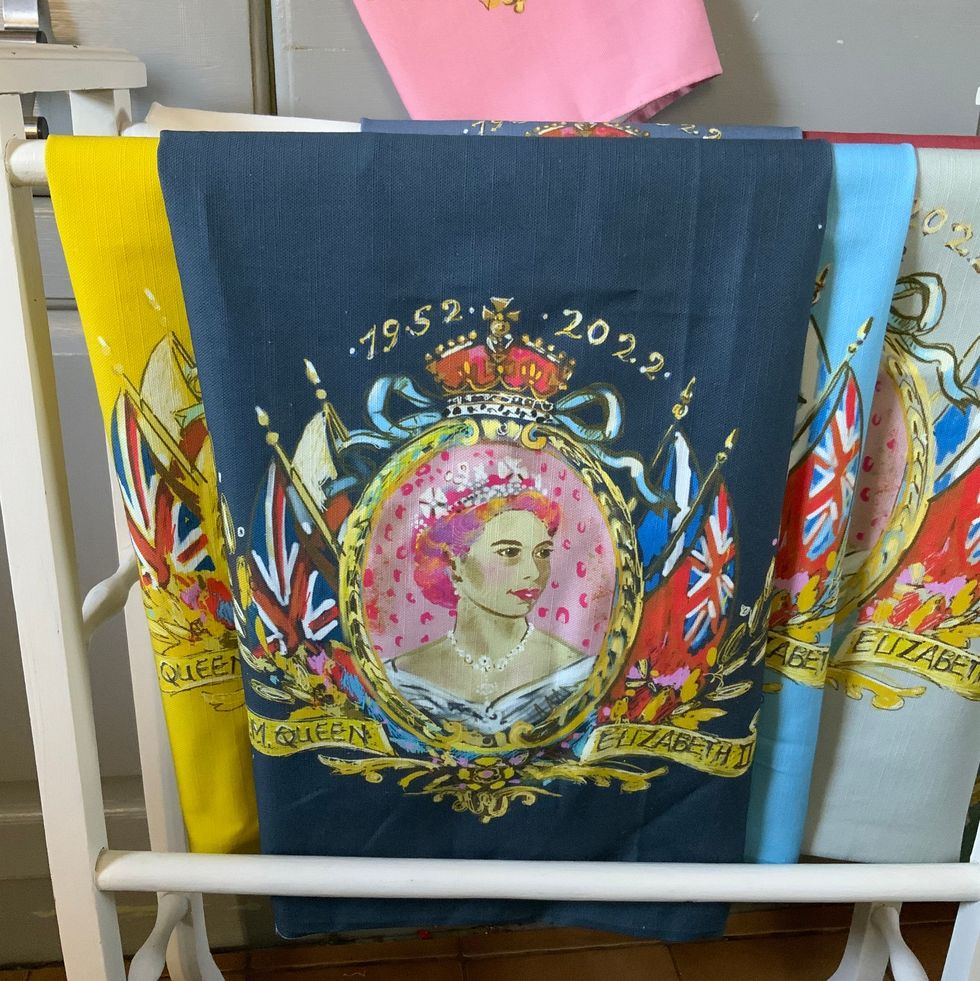
Platinum Jubilee Tea Towel
This design is also available as a tea towel, if you prefer – in a good range of colours.
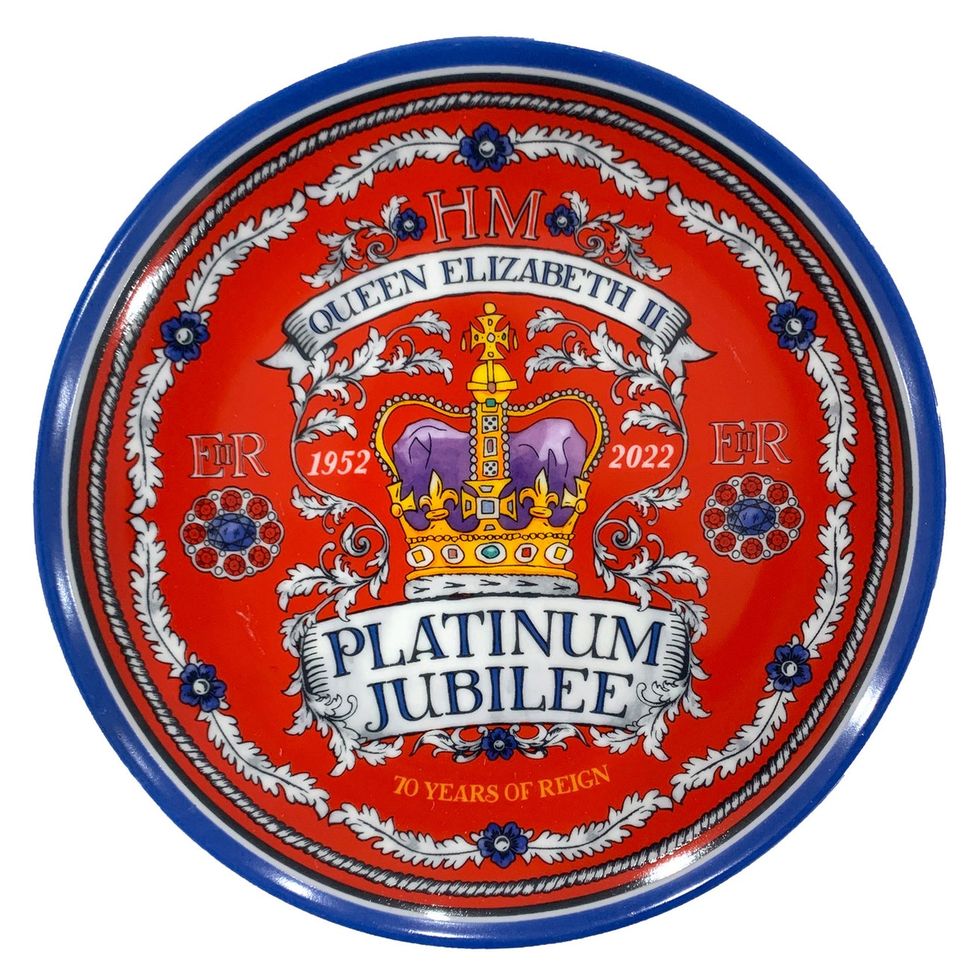
Queen Elizabeth Platinum Jubilee Plate
This makes a fun memento – use it to display your scones or sandwiches for your Jubilee garden party over the bank holiday weekend, then display it on the wall or your cabinet after the festivities are done.
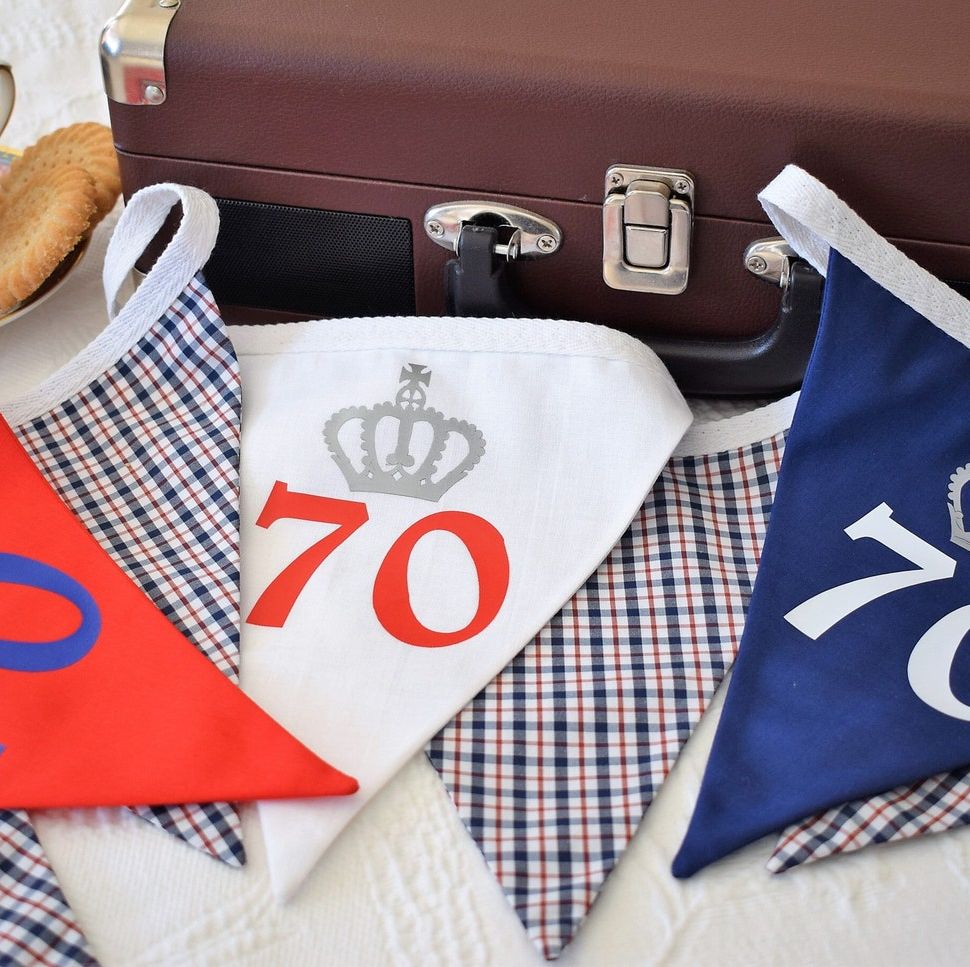
Platinum Jubilee Bunting
Hang this suitably British bunting around your garden fence, conservatory or the front of your property to show your appreciation for our longest-reigning monarch. It comes in either two or five metre lengths, or you can ask for your specific requirements.
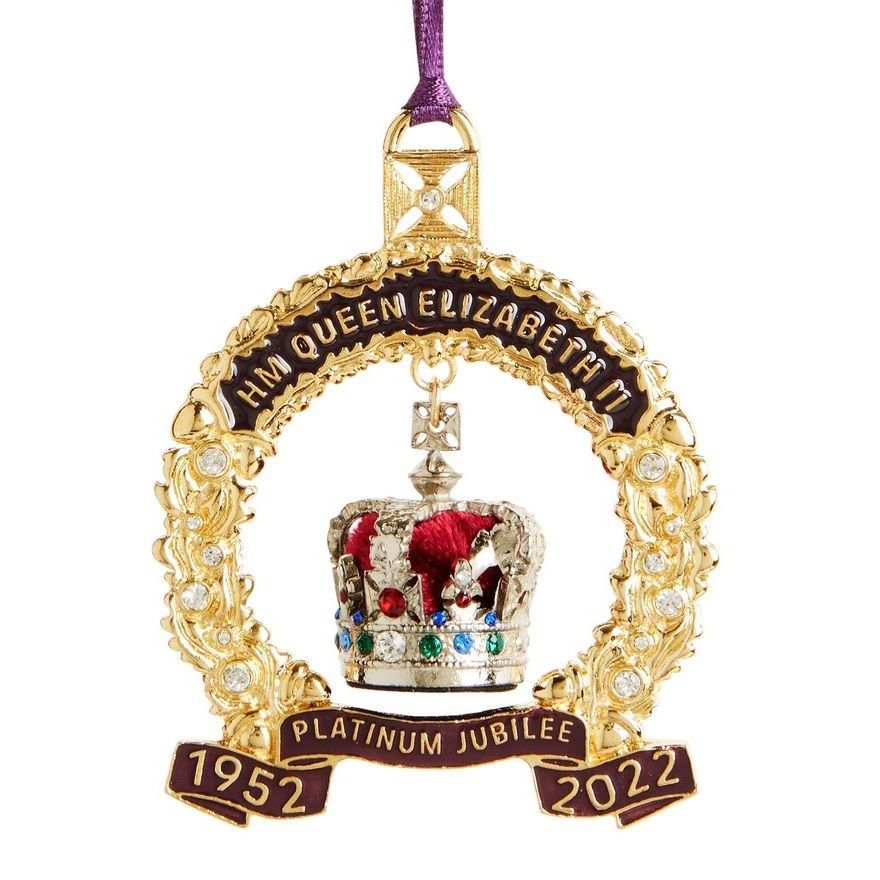
Historic Royal Palaces 2022 Platinum Jubilee Imperial State Crown Decoration
Made from gold-plated pewter and studded with glittering crystals, this ornate decoration is exclusive to the Historic Royal Palaces shop. Keep it proudly on display in a cabinet, or you could even use the hanging loop to turn it into a Christmas tree ornament, if you like.
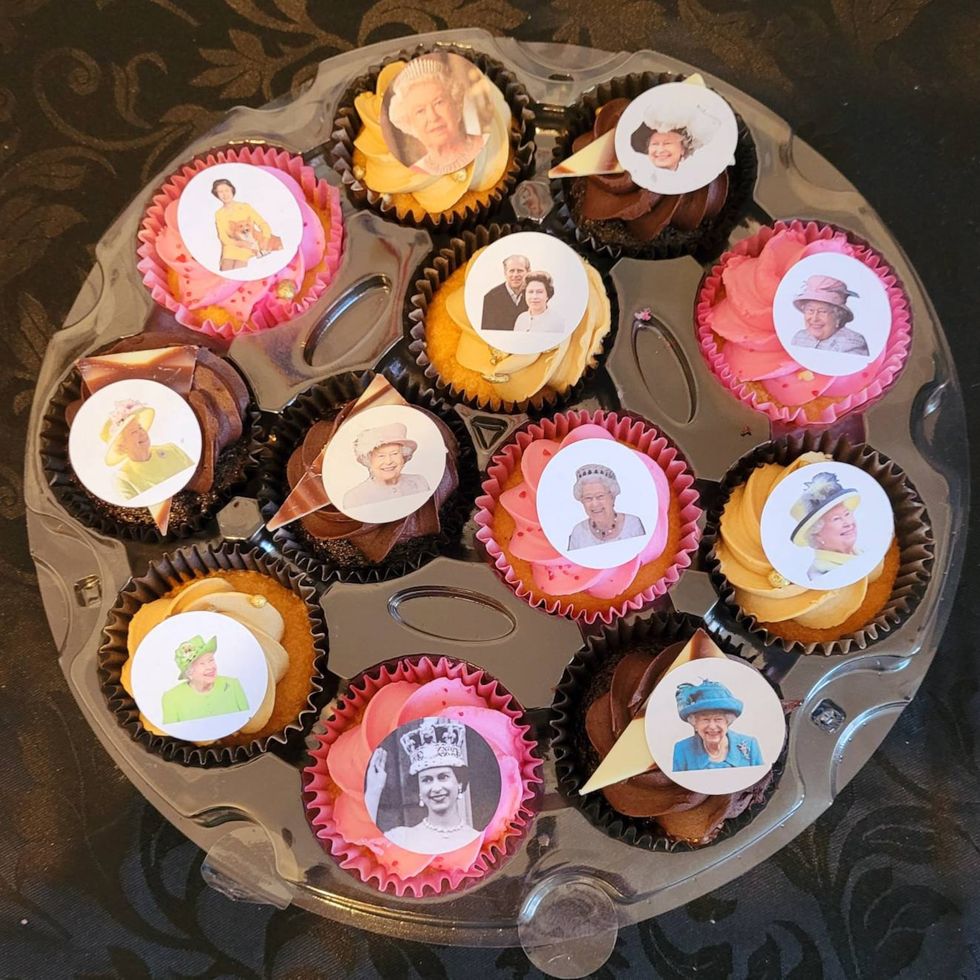
Rice Paper Cake Toppers
No garden party is complete without cake. These rice paper toppers will ensure your offerings are less Victoria sponge and more Elizabeth II – much more appropriate, in this instance!
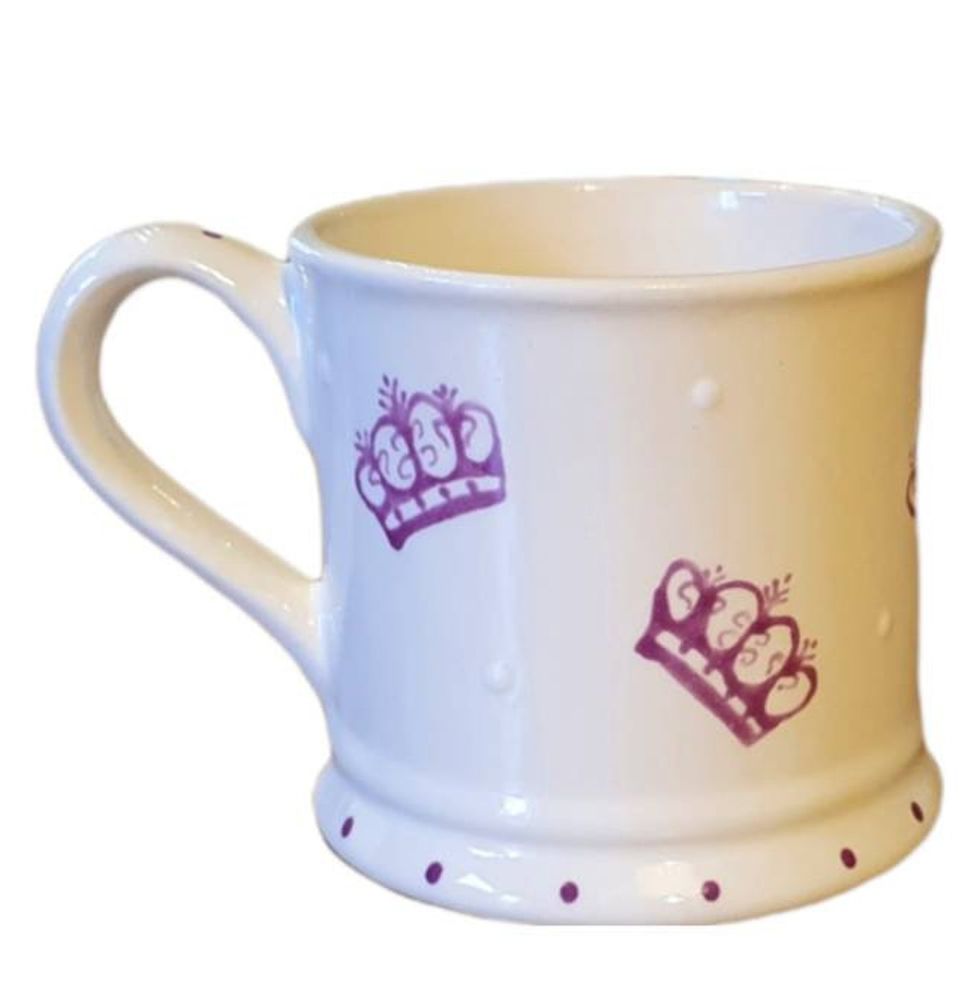
Cheviot Ceramics Queen's Platinum Jubilee Mug
A subtle design finished with traditional royal purple crowns; these are lovingly hand-painted to order, so you know you're getting something thoughtful to commemorate this special occasion.
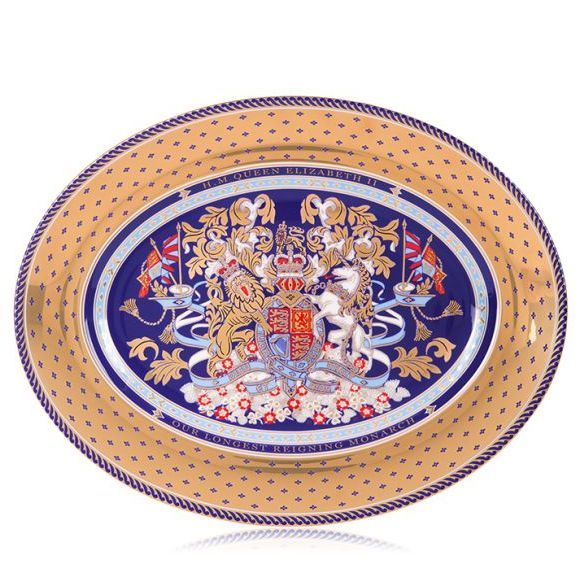
Royal Collection Shop Longest Reigning Monarch Commemorative Oval Charger
Okay, this charger plate is expensive, but it is handmade from fine bone china and finished with burnished 22-carat gold detailing, so it is a really exquisite piece. Plus, we're sure you agree that a Platinum jubilee party deserves something extra special to celebrate properly. Put this plate pride of place on your table to show off your afternoon tea spread for your do.
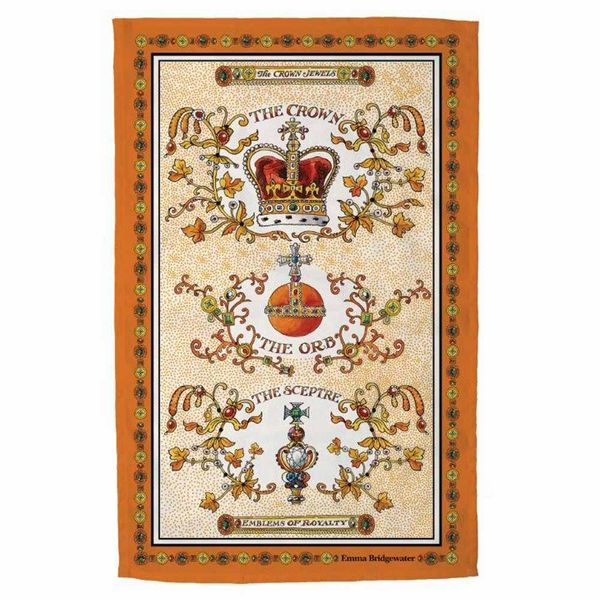
Emma Bridgewater Crown Jewels Tea Towel
With its ornate crown, orb and sceptre design, this lovely Emma Bridgewater design will pay homage to our queen while brightening up your kitchen (and helping with the washing up!).
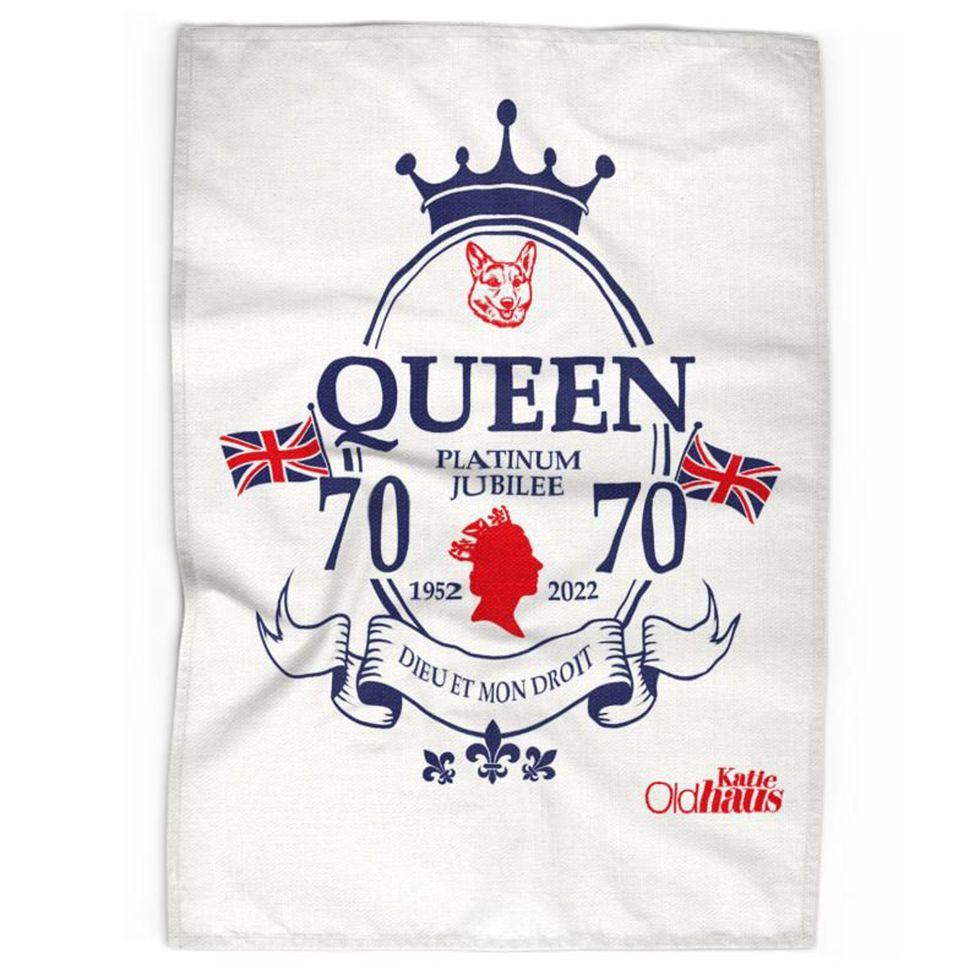
Traditional tones in white, blue and red here for this tea towel – and there's some matching bunting available, too.
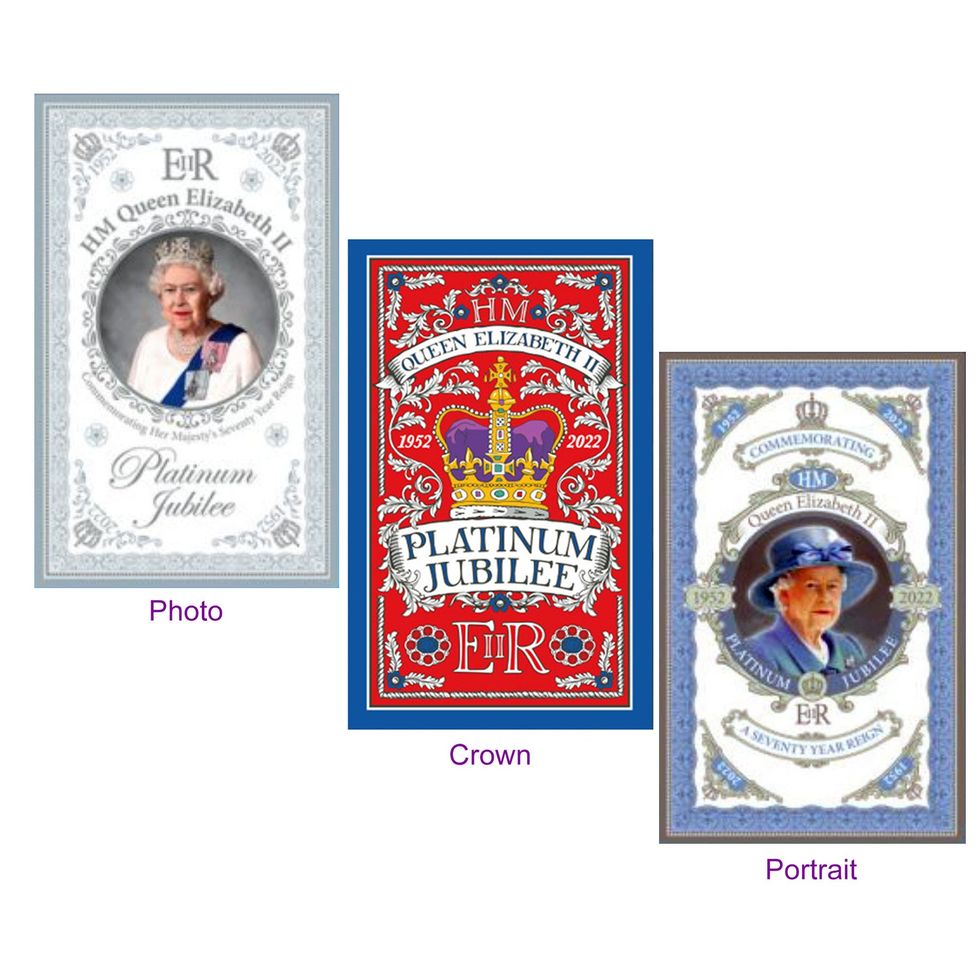
More tea towels here – choose your favourite design, or collect all three!
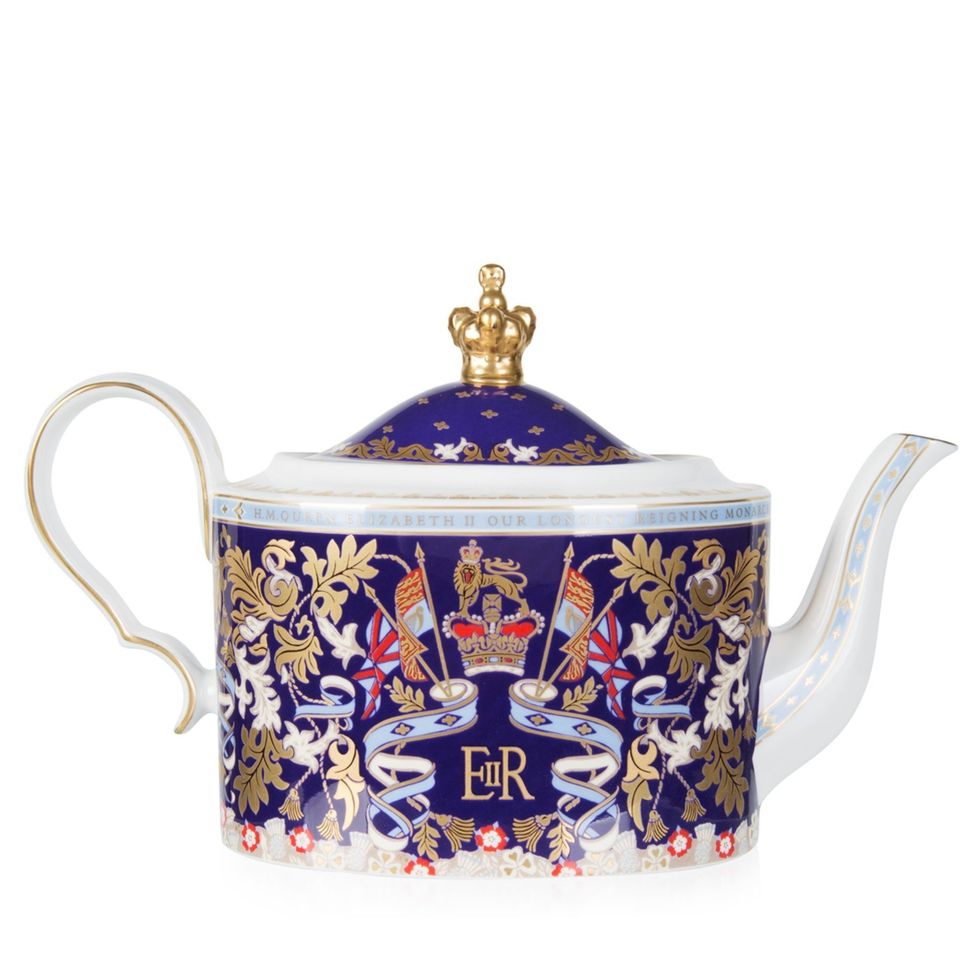
Harrods HM Queen Elizabeth II Teapot
To match the charger plate above, this charming teapot will finish off your royal scheme perfectly. We just love the little crown on the lid.
Lisa Joyner is the Deputy Daily Editor at House Beautiful UK and Country Living UK, where she's busy writing about home and interiors, gardening, dog breeds, pets, health and wellbeing, countryside news, small space inspiration, and the hottest properties on the market. Previously, she has written for Conde Nast Traveller, House & Garden and Marie Claire magazine. Lisa studied at University For The Creative Arts, where she completed a BA in Fashion Journalism.