There’s something undeniably nostalgic about swimming outdoors during a heatwave – whether it’s plunging into a river after a long countryside walk, floating beneath a waterfall or drying off on sun-warmed rocks with an ice cream in hand.
With temperatures set to soar across parts of the UK next week, many of us will be looking for ways to cool off in nature. And wild swimming isn’t just refreshing on a hot day – enthusiasts also swear by its mood-boosting benefits, from easing stress to helping them feel more connected to the outdoors.
Luckily, the UK is packed with beautiful wild swimming spots, from hidden inland beaches and peaceful rivers to turquoise lagoons, waterfall pools and secluded sea coves.
Whether you’re after a bracing dip, a family-friendly paddle or a scenic swim surrounded by countryside, these are some of the best wild swimming spots in the UK.
The best wild swimming spots in the UK
- River Barle, Exmoor
- Black Moss Pot, Yorkshire Dales
- Ffynnon Llugwy, Eryri
- Janet’s Foss, Yorkshire Dales
- River Wye, Symonds Yat
- Loch Morlich, Cairngorms
- Sharrah Pool, Dartmoor
- Frensham Great Pond, Churt, Surrey
- Kailpot Crag, Lake District
- Barafundle Bay, Pembrokeshire
- Blue Lagoon, Pembrokeshire
- Gaddings Dam, West Yorkshire
- Salmon Leaps, Castle Drogo, Devon
- Mullion Cove, Helston, Cornwall
- Dosthill Quarry, Tamworth, Staffordshire
- Tongue Pot, Eskdale, Lake District
- Prince's Beach, Eriskay, Outer Hebrides
- Sgwd Ddwli Isaf, Bannau Brycheiniog, Powys
- Stair Hole, Lulworth Cove, Dorset
- River Dart, Devon
- Lower Dddwili Falls, Brecon Beacons
- Goldiggins Quarry, Cornwall
- Skye Fairy Pools, Isle of Skye
- Grantchester Meadows, Cambridge
- River Ouse, Sussex
River Barle, Exmoor


Deep pools, ancient woodland and the medieval Tarr Steps bridge make the River Barle one of the South West’s loveliest wild swimming spots. Spend the afternoon hopping between shallow paddling areas and deeper pools before drying off beside the riverbank with a picnic.
Black Moss Pot, Yorkshire Dales
What to Read Next
Hidden among the limestone landscape of Langstrothdale, Black Moss Pot is one of the Yorkshire Dales’ most beautiful wild swimming spots.
Deep emerald water cuts through dramatic moorland scenery, while waterfalls and rocky ledges create natural plunge pools perfect for cooling off on hot days.
Ffynnon Llugwy, Eryri
Set high within the mountains of Eryri (Snowdonia), Ffynnon Llugwy is a crystal-clear mountain lake reached via a rewarding hike.
Surrounded by rugged peaks and silence broken only by birdsong and wind, it feels wonderfully remote and untouched.
River Wye, Symonds Yat
Flowing through the wooded Wye Valley, this stretch of river near Symonds Yat combines gentle swimming with spectacular countryside scenery.
Kingfishers, canoeists and paddleboarders are regular sights here, while nearby riverside pubs make it ideal for a full summer day out.
Loch Morlich, Cairngorms


One of Scotland’s most beautiful freshwater beaches, Loch Morlich combines sandy shores with clear water and dramatic mountain views.
Surrounded by pine forest in the Cairngorms National Park, it’s particularly lovely at sunrise or sunset.
Sharrah Pool, Dartmoor
Hidden deep within Dartmoor woodland, Sharrah Pool is a broad, deep stretch of the River Dart framed by ancient trees and granite boulders.
Reached via a scenic riverside walk, it feels wonderfully secluded even during the height of summer.
Frensham Great Pond, Surrey
Created in the 13th century to supply fish to the Bishop of Winchester, Frensham Great Pond is now one of the South East’s most popular outdoor swimming spots.
Its sandy beach, shallow shoreline and surrounding heathland make it ideal for families, while nearby footpaths offer excellent walking through the Surrey Hills landscape.
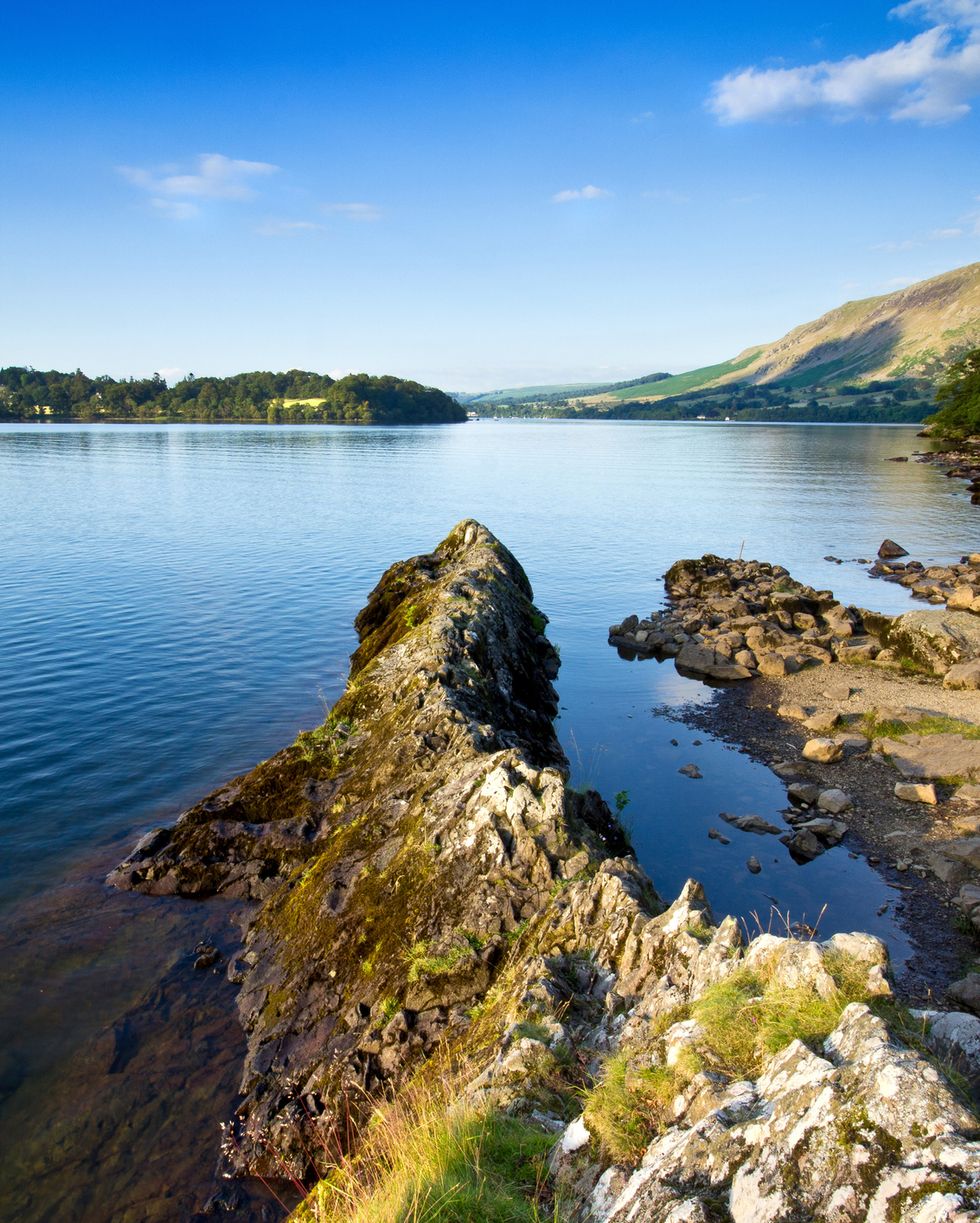
Kailpot Crag, Lake District
Located on Ullswater, Kailpot Crag is one of the Lake District’s best-known cliff-jumping spots. A short woodland walk leads swimmers to deep, dark water surrounded by dramatic fells and towering pine trees.
The water is icy even during the height of summer, but the scenery makes the shock worthwhile. Brave swimmers leap from the rocks, while others simply float beneath the mountains.
Barafundle Bay, Pembrokeshire
Reached via a cliff path and often described as one of Britain’s most beautiful beaches, Barafundle Bay combines golden sand with crystal-clear sea swimming.
The lack of nearby roads or development helps preserve its peaceful, almost untouched atmosphere
Blue Lagoon
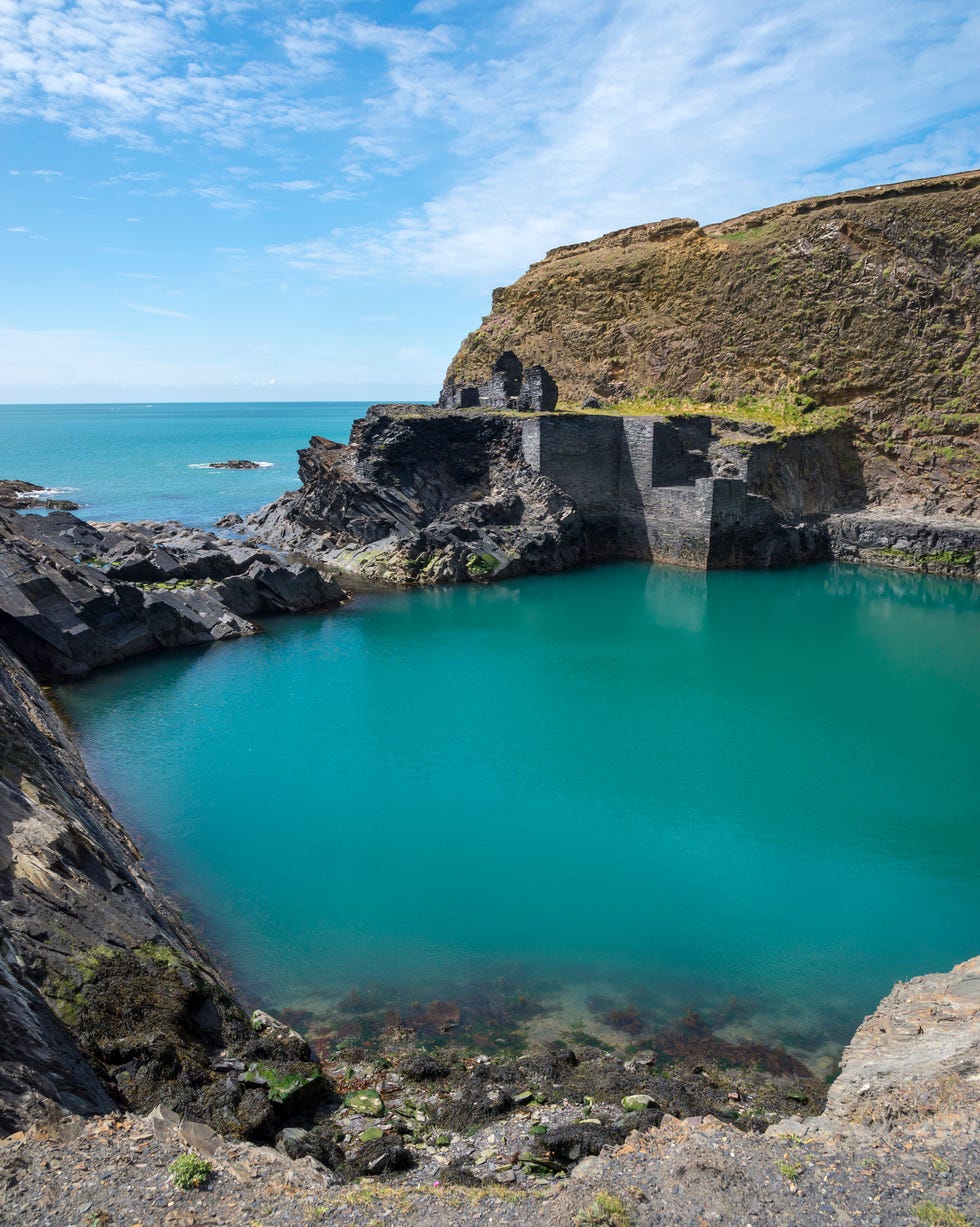

Located next to Abereiddy Beach on the north coast of Pembrokeshire National Park, the Blue Lagoon has beautifully clear, green-blue water. Better still, the sheltered location also makes it a lovely spot for paddle boarding.
The colour of the water in this pool comes from the dark slate of nearby rocks and cliffs. Created when fishermen blasted open the seaward wall of the former St Brides slate quarry to create an artificial harbour, the lagoon retains ruined buildings that hint at its industrial past.
Gaddings Dam
Nestled in the heart of Todmorden, Gaddings Dam is a hidden gem – not only do you get stunning views of the moors, but you'll also find a sandy surprise. In one corner of Gaddings Dam, you’ll find a small stretch of sand dubbed ‘Todmorden Beach’. That's right, a beach 80 feet above sea level and 60 miles inland!
Kailpot Crag
Located on the beautiful waters of Ullswater, Kailpot Crag is a popular cliff diving spot. A short footpath from Sandwick through an amazing Lake District pine wood takes walkers out onto the crag. The water may be cold but the crag is a perfect place for a wild swim – especially if you feel brave enough to leap in!
Salmon Leaps, Castle Drogo, Devon
Who needs a hot tub when the flowing rapids of a Dartmoor river can give you a massage? The Teign flows through a dramatic gorge beneath Castle Drogo, slowing into the tranquil swimming spot Drewe’s Pool, before cascading through three stone plunge pools that make up Drogo Weir. Grassy banks are perfect for a picnic, while the castle – designed by Edwin Lutyens and owned by the National Trust – makes an intriguing detour. Return in the autumn to witness the ancient woodland in its burnished glory and look out for leaping salmon powering up the weir.
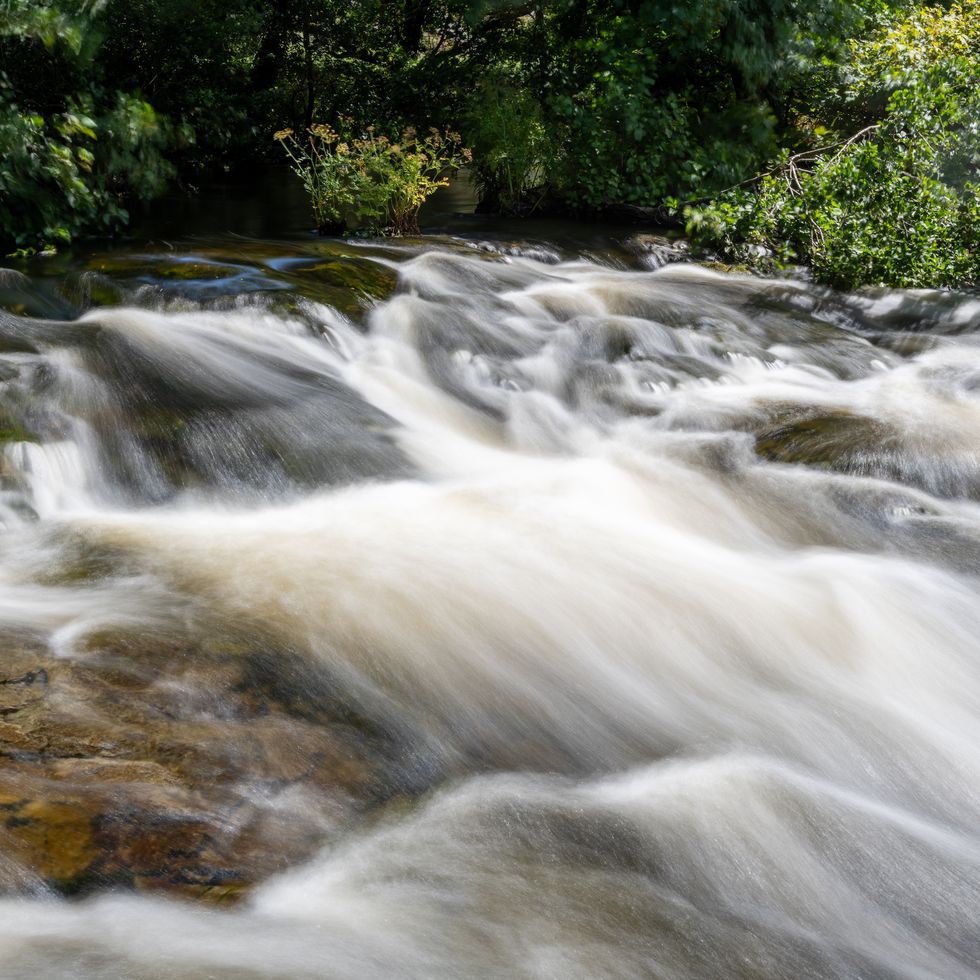

Frensham Great Pond, Churt, Surrey
This spot in the Surrey Hills Area of Outstanding Natural Beauty was created in the 13th century to supply carp to the Bishop of Winchester. Now, the pond and surrounding heathland is popular with all sorts of wildlife, from sand lizards to sedge warblers. Its sandy beaches, café and car park make it ideal for families with small children – just arrive early to avoid the crowds. Check the website before you visit to make sure potentially harmful blooms of blue-green algae, a type of bacteria, aren’t present.
Mullion Cove, Helston, Cornwall
Seals and seabirds live on the cliffs above this pretty cove with its white sandy beach, while low tide reveals a cave, where waves crash through from the seaward entrance. Picturesque Mullion has a long history of pilchard fishing and still supports a small fishing community. Come for the swimming – and stay for a snack. Satisfy your post-plunge hunger with fresh crab sandwiches at Porthmellin Café.
Dosthill Quarry, Tamworth, Staffordshire
A dip at dusk is an exhilarating way to experience the magnesium-rich waters of this deep granite quarry. Known as “Dozzi”, the spring-fed site near Birmingham is used mainly by divers, but swimmers are welcome to follow a course round its perimeter by day or night – you just need to book online. Look out for a flash of the golden orfe that lives in these waters and a pair of local kestrels on cliffs nearby.
Tongue Pot, Eskdale, Lake District
The River Esk tumbles through a succession of swimming holes and waterfalls on its journey to the sea from its source beneath Scafell Pike. Tongue Pot is one of the deepest: an emerald infinity pool within a bowl of moody fells. Jump in from the cliffs, watching out for submerged rocks, or slide in from a slope. Park at Hardknott Pass and follow hikers heading for the hills along the riverside path. Tongue Pot is about two miles upstream, just before Lingcove Bridge.
Prince’s Beach, Eriskay, Outer Hebrides
It takes a bit of planning to get to this island. But it's well worth it for the glorious turquoise waters and white shell beach. The island is named after Bonnie Prince Charlie, who landed here from France before the Jacobite rising of 1745. The pink and white sea bindweed that flowers in late spring is said to have originated from seeds that fell from the prince's handkerchief.
Sgwd Ddwli Isaf, Bannau Brycheiniog, Powys
Four rivers wind down steep tree-lined gorges over a series of falls and plunge pools on the south-western edge of Bannau Brycheiniog (Brecon Beacons) National Park. Sgwd Ddwli Isaf (Lower Gushing Falls) on the Nedd Fechan river lives up to its name. Sink into the cold depths or walk behind the curtain of water and listen to it roar. On sunny days, rainbows dance in the shimmering air above some of the swimming spots here. There are more than 20 pools along five miles of river, some with swing ropes and deep jumps, although you’ll need to navigate narrow and sometimes challenging footpaths to get your adrenalin fix.
Stair Hole, Lulworth Cove, Dorset

Offering a geology lesson and wild swim in one, this tiny cove lies behind a wall of Purbeck and Portland stone, with caves, arches and blow holes carved by the sea. Marvel at the Lulworth Crumble, folded limestone strata, and go for a snorkel to appreciate rock formations below the sea. The spot is a five-minute wander from the South West Coast Path. Saunter west along the path for half an hour after your swim to admire Durdle Door.
Grantchester Meadows, Cambridge
Cambridge is known for its beautiful lakes and sprawling rural landscapes, and Grantchester Meadows is one of the loveliest spots in the area. With 2km of river to swim in, there's ample space for wild swimmers and deep banks for those who want to amp up the action with jumping and diving.
The area is surrounded by grassland for some relaxation time after a swim, and the historic village of Grantchester is well worth a visit while you're in the area.
River Ouse, Sussex
The River Ouse is a great spot for swimming, but if you don't want to venture into the water, there are also boats on hand for a relaxing glide along the water. The middle section of the River Ouse from Barcombe Mills to Lewes is a particularly popular spot for kayaking and canoeing, with quintessential countryside views and stunning wildlife to enjoy along the way.
But back to the swimming. There's a two-mile stretch leaving plenty of room for wild swimmers even during busy periods in the summer and plenty of cute Sussex pubs nearby to warm up in after a dip.
Wild swimming safety: the key dos and don’ts
Wild swimming can be hugely rewarding, but unlike swimming pools, rivers, lakes and coastal spots don’t come with lifeguards, safety barriers or clearly marked depths. Before taking the plunge, it’s important to understand the risks and know how to stay safe.
Do:
- Check the water conditions and depth before getting in
- Enter the water slowly, particularly on hot days when cold-water shock is more likely
- Swim with other people whenever possible
- Wear goggles or a tow float for visibility in open water
- Cover cuts with waterproof plasters
- Wear swim shoes or grippy footwear around slippery rocks and riverbanks
- Pay attention to warning signs and local advice about water quality
- Stay close to the shore if you’re not a confident swimmer
Don’t:
- Dive or jump into water without checking the depth first
- Assume familiar swimming spots are always safe – conditions can change quickly
- Panic if you encounter weeds or underwater plants; stay calm and move slowly
- Swim immediately beneath waterfalls or weirs, where dangerous undercurrents can form
- Swim alone in remote locations if possible
- Underestimate how cold open water can feel, even during a heatwave
- Swallow water or put your head under if you’re unsure about cleanliness
- Run on slippery rocks, jetties or riverbanks
Lisa Joyner is the Deputy Daily Editor at House Beautiful UK and Country Living UK, where she's busy writing about home and interiors, gardening, dog breeds, pets, health and wellbeing, countryside news, small space inspiration, and the hottest properties on the market. Previously, she has written for Conde Nast Traveller, House & Garden and Marie Claire magazine. Lisa studied at University For The Creative Arts, where she completed a BA in Fashion Journalism.