

What is the environmental impact of Bonfire Night? Although the 5th November brings celebration, colour and community events to much of the UK, it also comes with a whole host of polluting toxins, non-recyclable waste and lingering particles that stay in the air long after the sparklers have died out.
Here are some statistics that highlight the reality of how Bonfire Night affects the environment:
1. "Fireworks cause extensive air pollution in a short amount of time, leaving metal particles, dangerous toxins, harmful chemicals and smoke in the air for hours and days," Terrapass reports.
2. The bonfires themselves can disturb hibernating animals, particularly hedgehogs, who have made piles of logs and leaves their homes. Find out how to protect hedgehogs on Bonfire Night here.
3. As we know, fireworks contain gun power which is made up of three elements: an oxidiser (potassium), a fuel (carbon) and an accelerant (sulfur). Treehugger states that "for every 270 grams of black powder used, 132 grams of carbon dioxide are created, the rest of it turning into potassium sulfide and nitrogen."
4. "Compounds used to create dazzling colours and effects may contain heavy metals or other toxins that contribute to existing industrial contamination in our water and soil," Treehugger also says.
5. When fireworks explode in the air, plastic, cardboard and other particles are released and float back down to the ground where many will never degrade and can become a threat to wildlife.
6. A study published in the Nature journal found that an "exuberant mass of colour-emitting sparklers" release ozone, "a secondary pollutant and greenhouse gas."
6 ways to enjoy an eco-friendly Bonfire Night
1. Attend a public display, not a private one


One of the best ways to have an eco-friendly celebration is by attending a public display in your local area. Gathering in one place for a bigger display will result in fewer emissions than lots of small, private events. Many are organised to help raise donations for local charities, meaning that you’ll not only get to enjoy a spectacular display, but also help to make a difference.
Try to discourage your friends from hosting their own firework display. Have a drinks party, by all means, but head to your local public display for the 'ooo's and 'aahhh's.
2. Avoid using sky lanterns
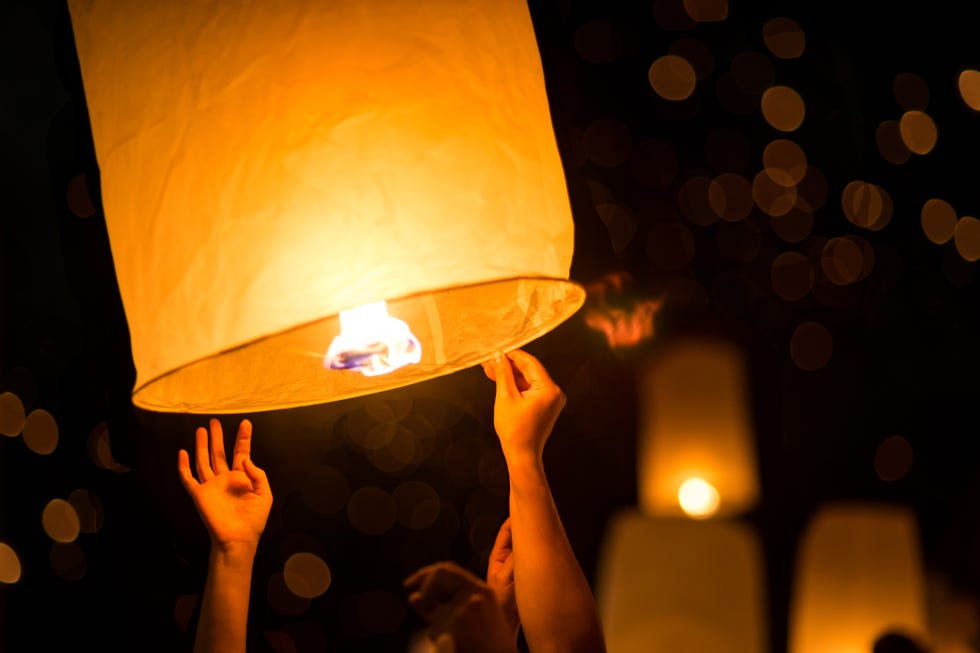

Some parts of sky lanterns or Chinese lanterns can take over a year to completely biodegrade, making them anything but eco-friendly. Lanterns can pose great threat to wildlife when they fall back to the ground.
"When ingested, sharp parts like the wire frame can tear and puncture an animal's throat or stomach causing internal bleeding. Animals can also become entangled in fallen lantern frames, where they can suffer from injury and stress trying to get free or starve to death from being trapped. Marine life is also endangered by lanterns falling into the sea," says the RSPCA.
While there are now some biodegradable options available, these too can take decades to degrade. Instead, opt for static lanterns, outdoor lights or stationary candles.
3. Burn the right materials on the fire
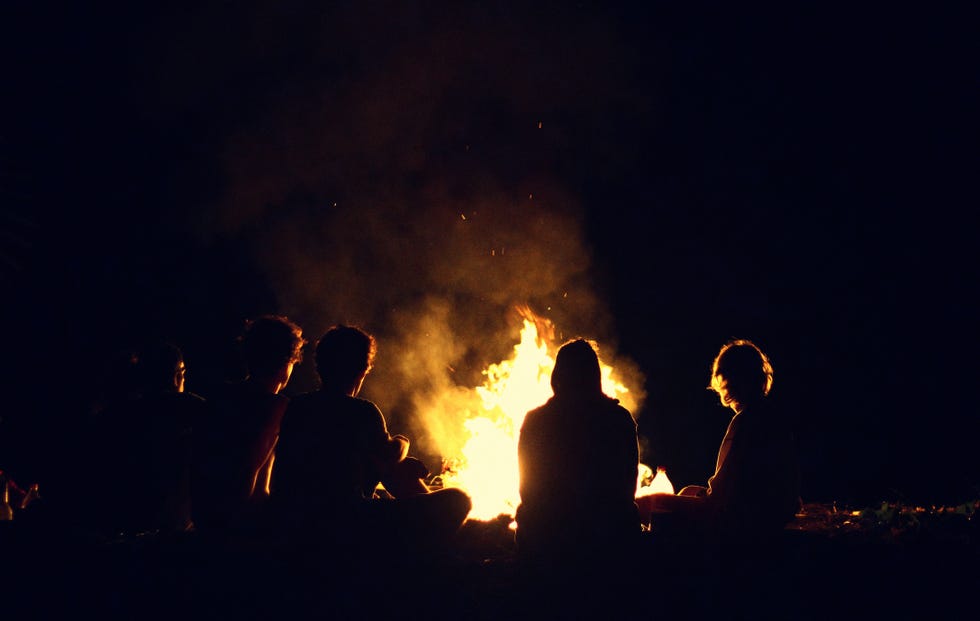

When preparing a bonfire, there is often the fear that people will use it as an excuse to burn old materials such as mattresses, furniture and even household rubbish. The Environment Agency is urging people who are planning a Guy Fawkes bonfire to ensure that they only burn items such as small amounts of paper, leaves, wood and cardboard.
"Burning certain types of material can cause pollution and damage people’s health. We want people to enjoy themselves but the uncontrolled and excessive burning of the wrong waste can cause pollution and harm health," Megan Evans, from the Environment Agency explains.
"We want to encourage people to make sure they dispose of their waste legally and safely, and be aware that their community bonfire could be targeted by unscrupulous waste businesses who want to find somewhere to dispose of waste, resulting in the illegal burning of commercial waste."
Burning manmade materials, such as plastics or rubber, can have a drastic effect on the environment. According to research from Defra, bonfires contribute more pollutants to the air than those emitted by waste incinerators.
4. Choose eco-friendly fireworks


Many fireworks, sparklers and firecrackers are not biodegradable, often ending up being washed out to sea or dumped on fields. Some of the most common fireworks are made up of charcoal, sulfur fuel and potassium nitrate. To make the vibrant colours, fireworks have heavy metals and toxins that are very damaging to our planet.
Fortunately, there are some greener firework options available. While these are not yet a widespread solution (and often more expensive), they do provide an alternative. According to energy company Ecotricity, white coloured fireworks generally have fewer harmful chemicals than the most colourful versions — so opt for these if you can.
5. Clean up after yourself
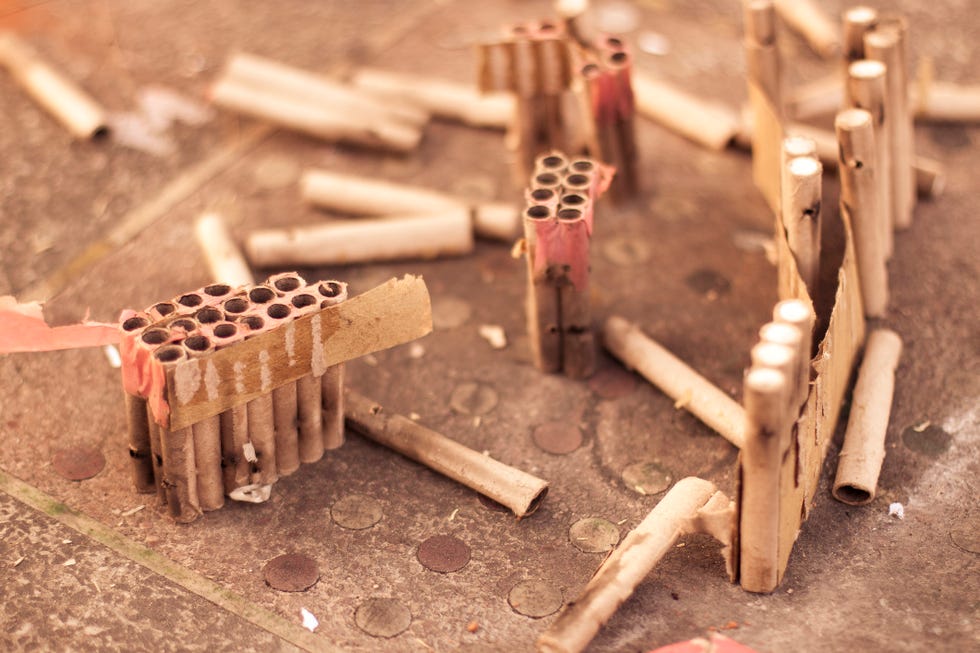

Whether you attend a larger bonfire or host one of your own, always clean up fallen debris left behind. Any fireworks that didn’t go off should be disposed of properly. Other remains from sparklers should also be picked up and disposed of to prevent injuring animals.
6. Don't forget to look out for animals
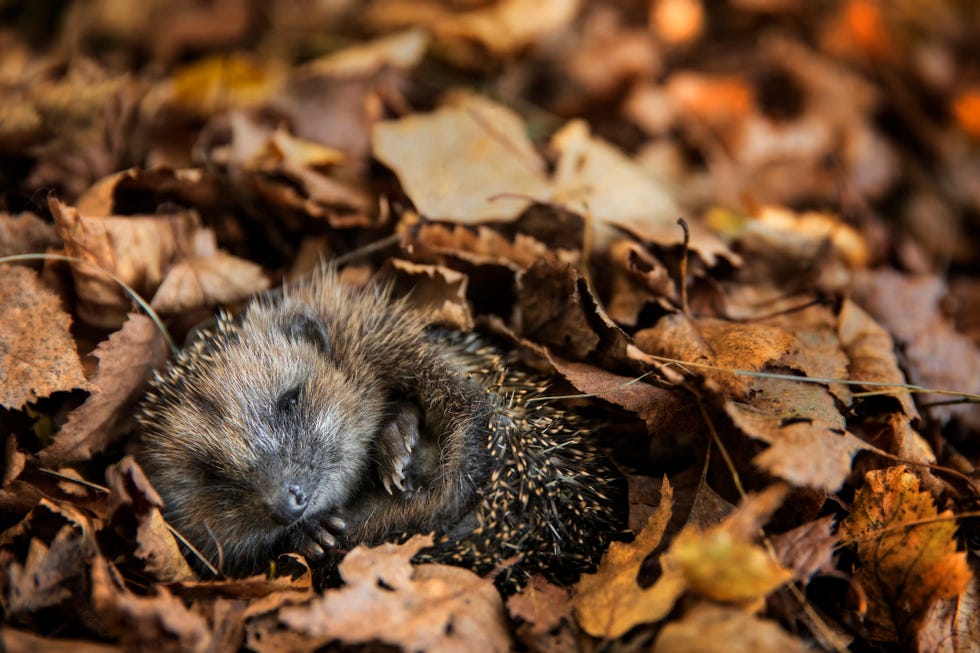

Ensure that you're not putting any animals at risk when lighting your bonfire. Smaller species, such as hedgehogs, can hide under garden log piles and may not be easily visible.
Fireworks can also frighten household pets like dogs and cats. The crashes and bangs can send smaller animals in a state of fear, so be considerate if you’re planning a firework display. Some of the ways you can help them include…
- Closing the curtains so that the sound outside is slightly muted
- Give them a distraction, such as a chew toy
- Take them outside earlier in the day to help them feel tired during the evening
- Put on the television or radio to help reduce the sound outside
Like this article? Sign up to our newsletter to get more articles like this delivered straight to your inbox.
We earn a commission for products purchased through some links in this article.
30 eco-friendly Christmas gifts for 2023
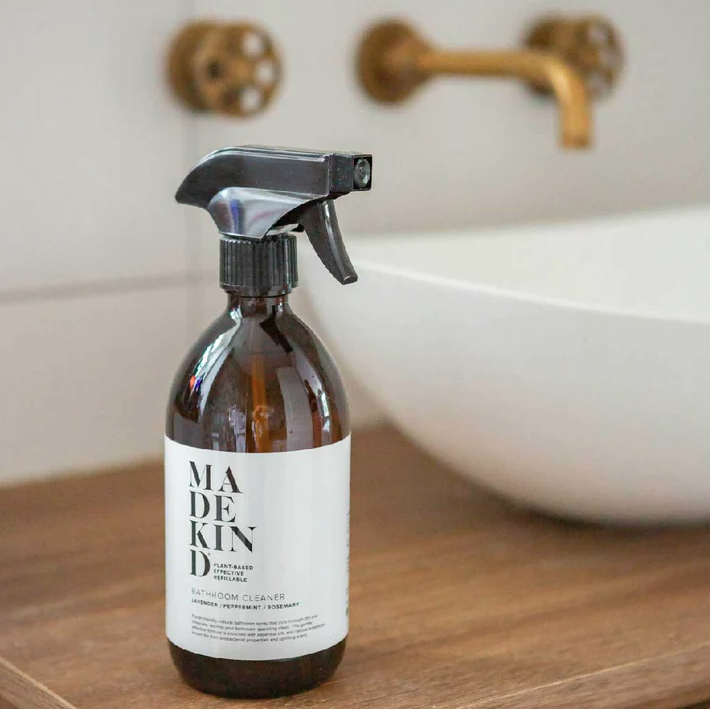
Bathroom Cleaner - Lavender/Rosemary/Peppermint 500ml
This natural bathroom spray puts the fun back into cleaning. Kind for your home and the planet, its gentle, safe formula has been enriched with essential oils and natural botanicals. The stylish glass bottle can be reused once it's empty.
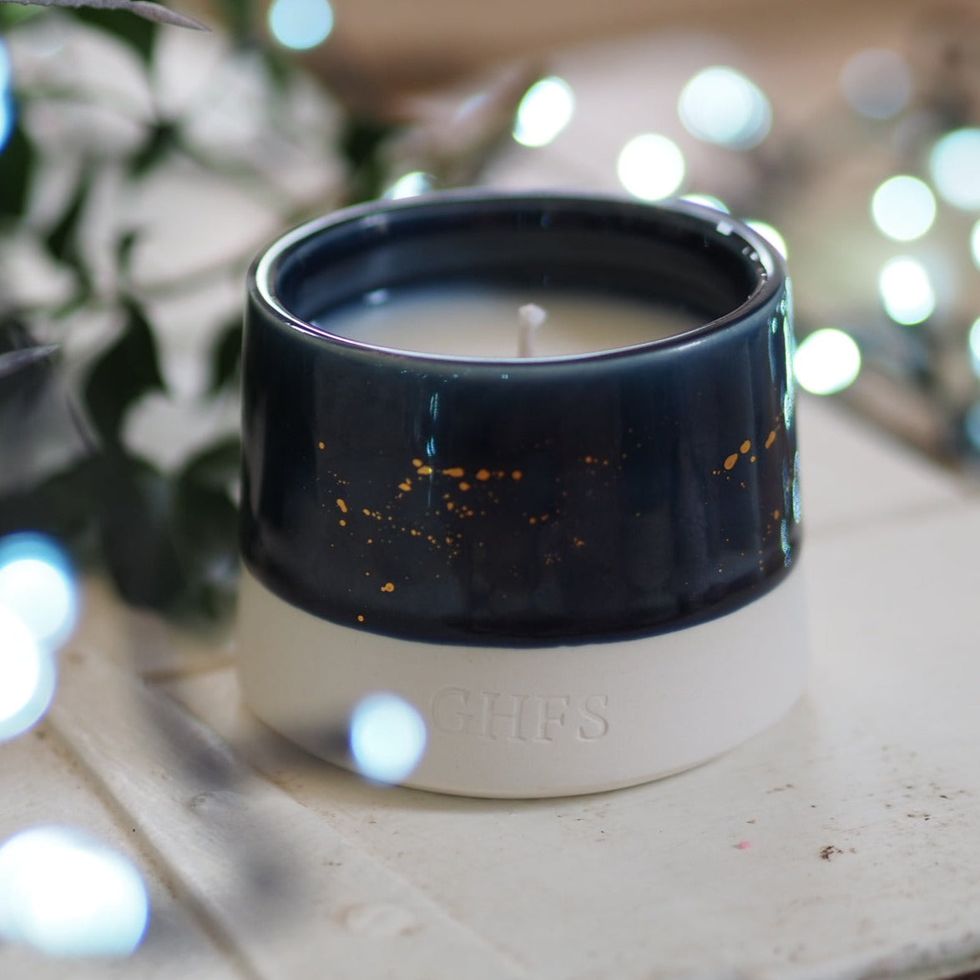
No Christmas Day table is complete without a glowing candle. This beautiful scent, from small business Great House Farmstores, is at the top of our wishlist. Hand-poured and sustainably made, it boasts scents of vanilla, black pepper, cinnamon and oak. Just delightful.
Better still, you can refill your candle with one of their easy Pillar Refills. Simply choose one in the scent you'd like to try next and drop it into your empty candle pot.
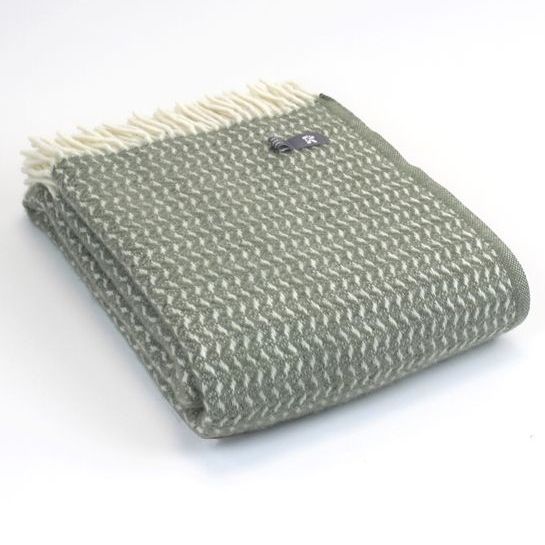
Snuggle up and make your space homier with this beautiful wool throw in sage. Woven using traditional methods, it has been made using some of the finest yarns and pure Welsh wool. It's right at the top of our wish list...
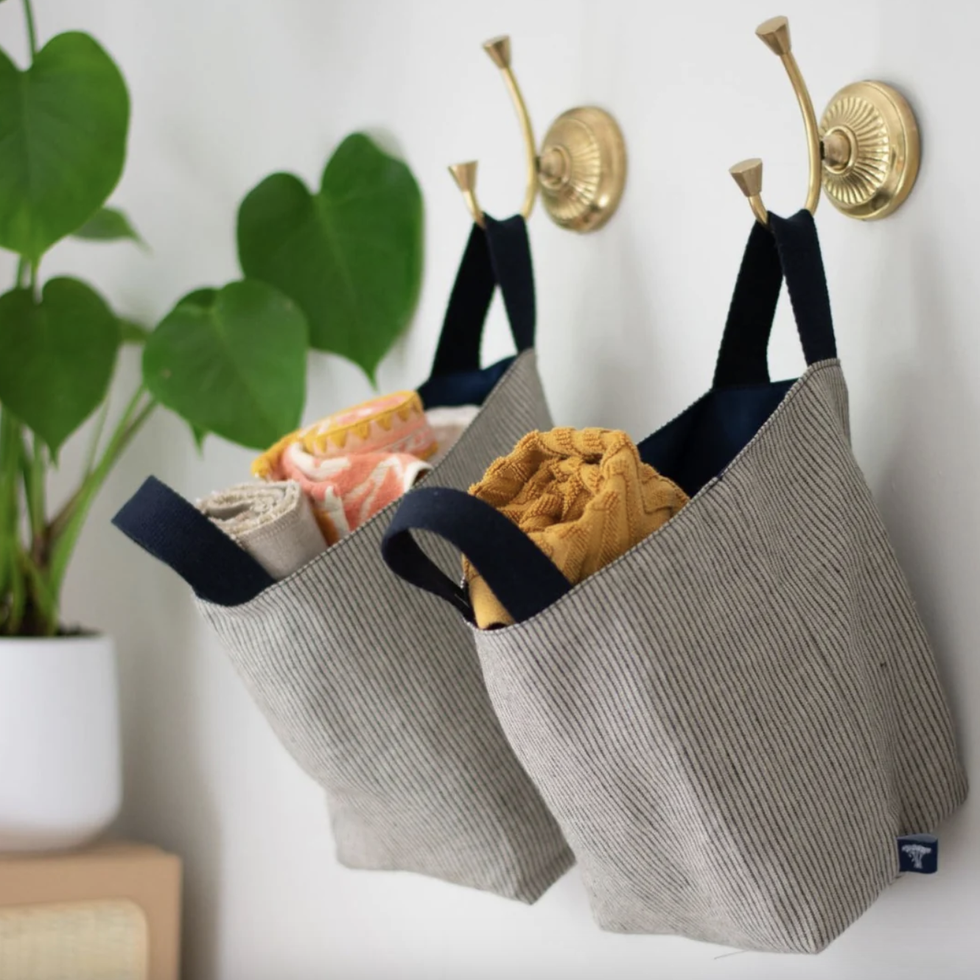
Perfect as a basket, planter or pot holder, this large fabric storage pot with handles will help keep your home clutter free. The dark blue and natural linen pin stripe is a classic weave that co-ordinates beautifully with all interiors, while the waterproof lining means that it's also good for displaying herbs (and is easy to clean).
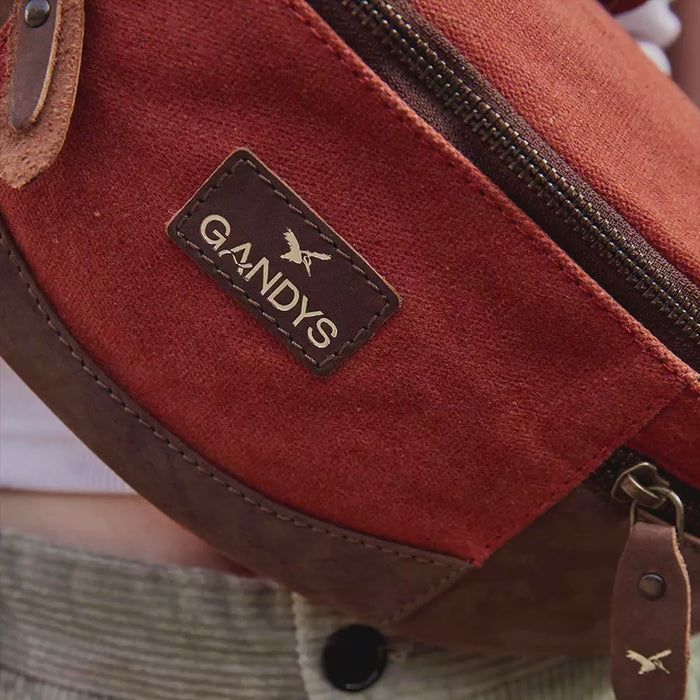
Dusty Orange Johari Waxed Cotton Bum Bag
Perfect for keen adventurers, this waxed cotton bum bag has been crafted from rugged leather, boasting brass trims and a water resistant finish. Like every order from Gandys, this bag is handmade in small matches using natural materials.
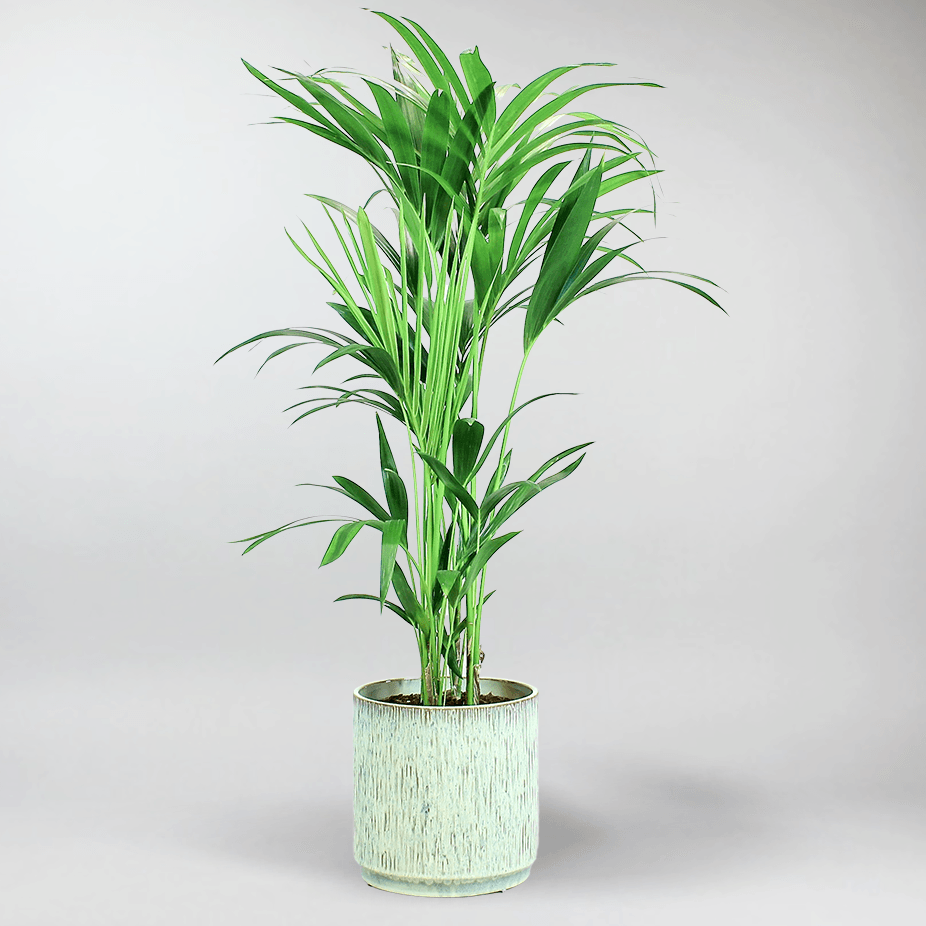
The Kentia Palm is the perfect indoor plant. Unbeatable when it comes to purifying the air, it's incredibly easy to care for and perfect for adding a bright pop of greenery without taking up too much space. We think a houseplant makes an excellent Christmas gift.
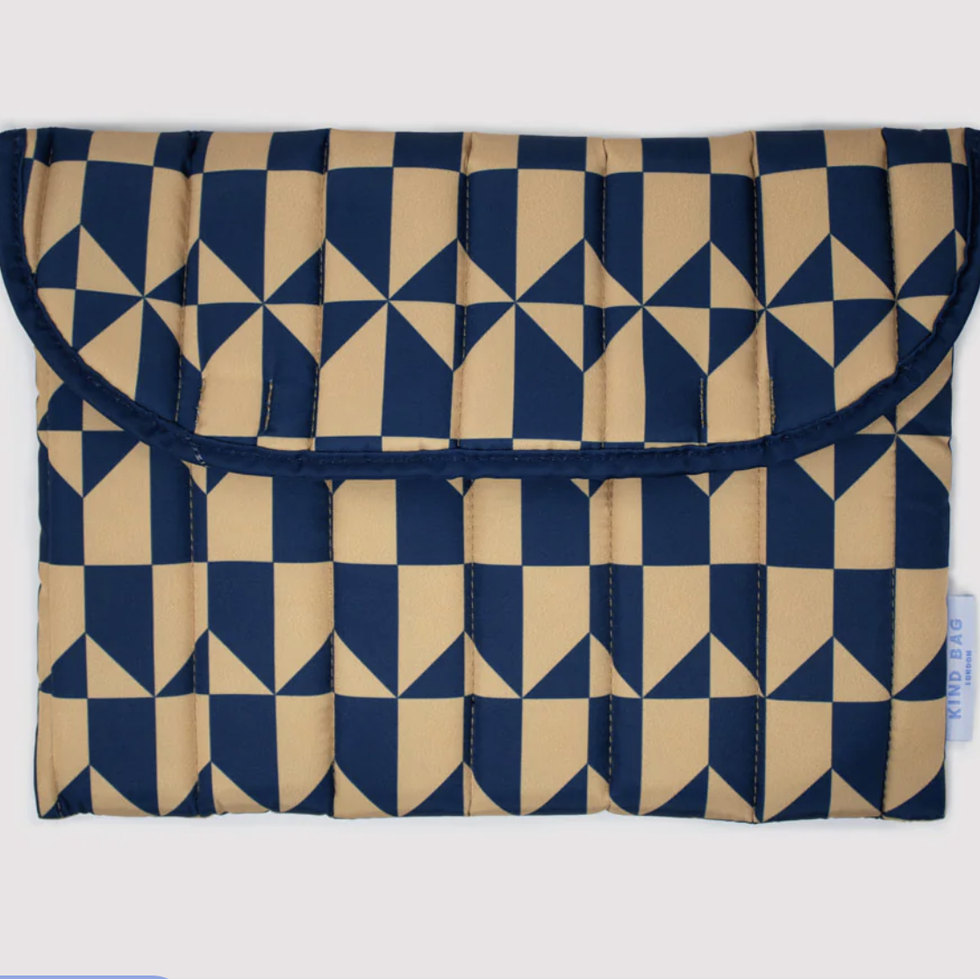
Made from recycled plastic bottles which would otherwise have ended up as landfill, these laptop cases fit a 13" machine and are water-resistant and machine washable too. There's two popper fastenings on the flap, and its still slim enough to pop in a rucksack. They're also recyclable too, as well as being vegan and cruelty free. We like this navy/peach colour combo, but there's two other designs to choose from. Kind Bag also donates 1% of all our sales to 1% For The Planet.
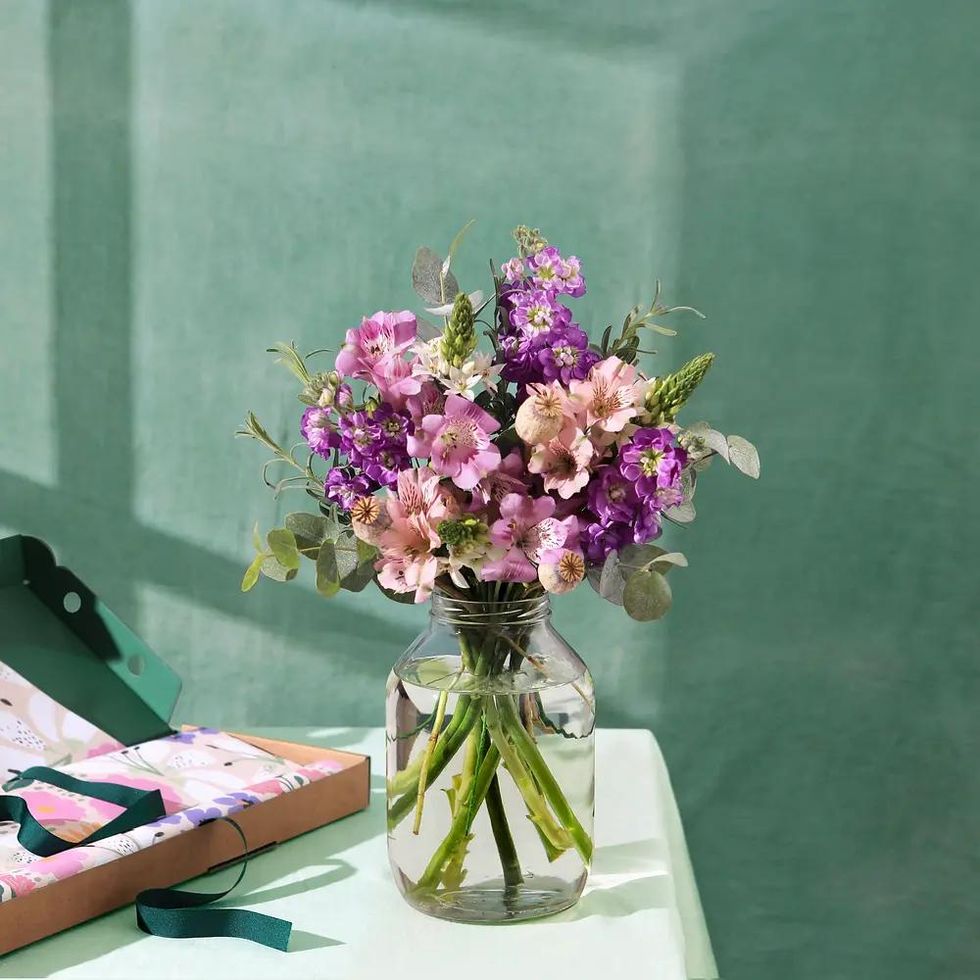
Fresh blooms are always a good idea. Surprise a loved one this Christmas with this stunning bunch, featuring alstroemeria, stocks, eucalyptus, lavender, poppy seed heads and ornithagalum. As well as looking pretty, they are delivered through the letterbox in 100% recyclable packaging, with easy arranging tips.
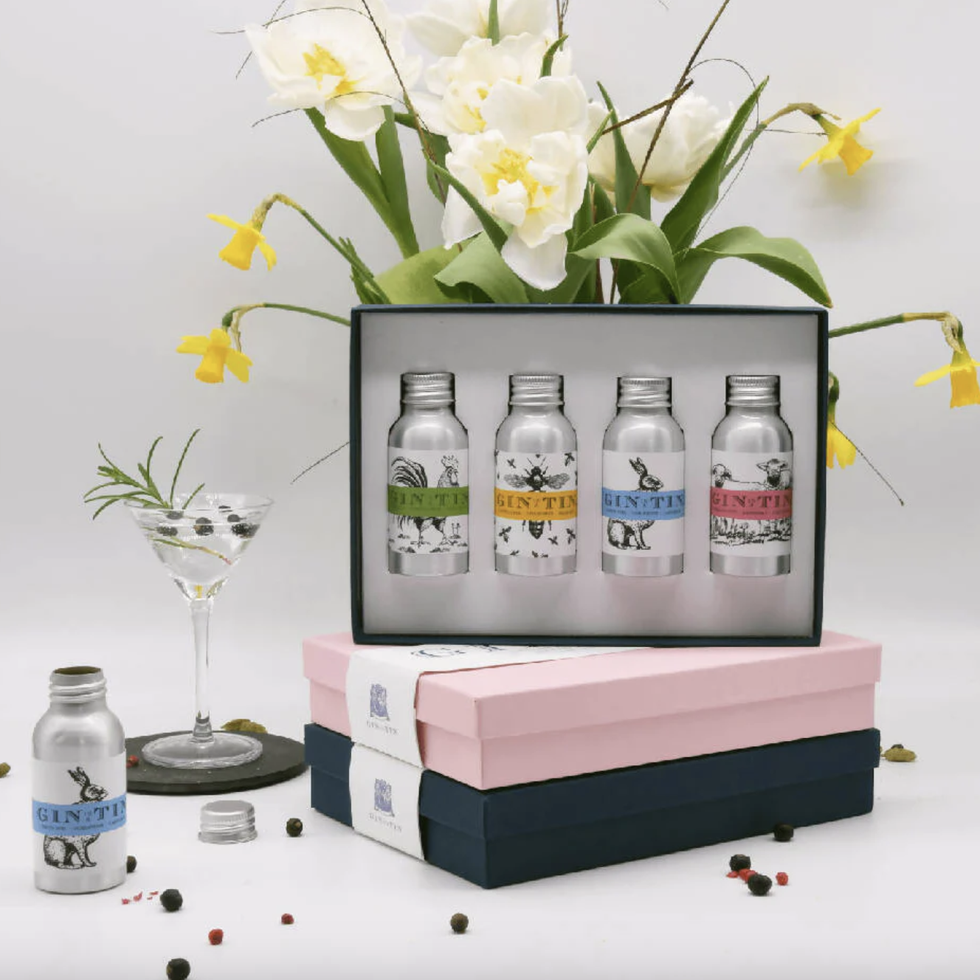
Here's one for the gin lovers. If you loved the Coronation gin as much as us, then order these miniature animal-illustrated tins full of deliciously crafted gin. The ultimate Secret Santa gift idea.
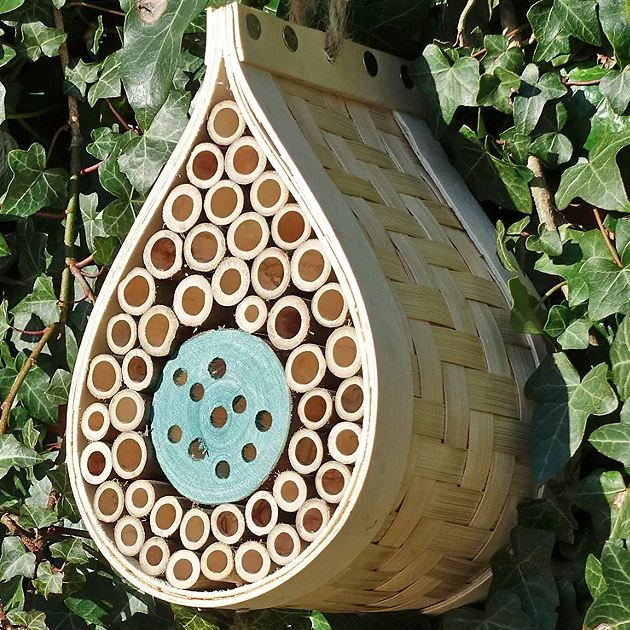
Bug hotels can shelter anything from hedgehogs to toads, solitary bees to bumblebees, and ladybirds to woodlice. Crafted from timber with a decorative woven bamboo finish, this bee and bug hotel from John Lewis will provide a haven for lots of different minibeasts. Perfect for the wildlife lover in your life.
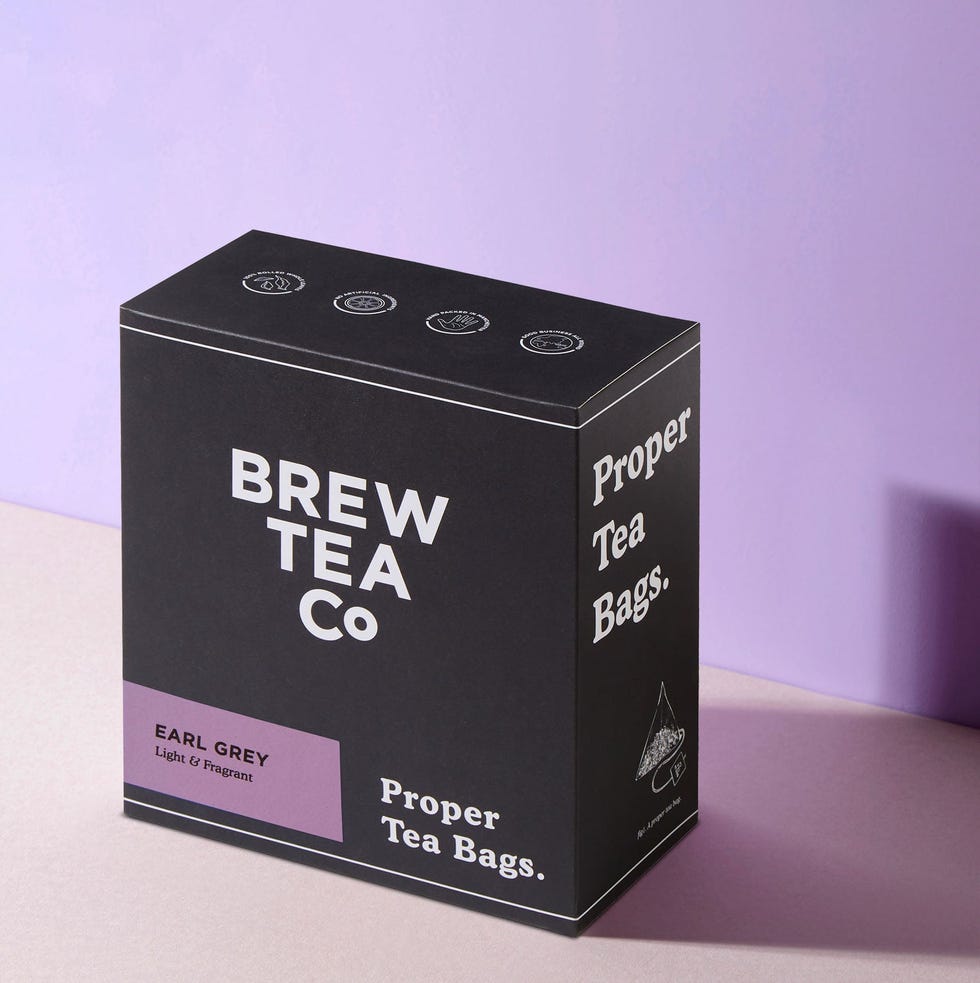
Tea bags are sealed with plastic, so unless it specifically states that it is plastic-free, your favourite brew is likely to contain plastic. Instead swap to this independent brand, which is based in Manchester. The whole package is free of plastic, where the exterior packaging is cardboard and the inner "plastic" looking film is actually made from NatureFlex and can be composted.
Each tea bag is made from cornstarch, and can be composted at home, without worrying that it is putting plastic into your compost or soil. The tea is excellent quality and has since first trying it has become our daily go-to. Brew Tea is part of the Ethical Tea Partnership which supports small estate growers. The packs are all a little cheaper if you subscribe too.
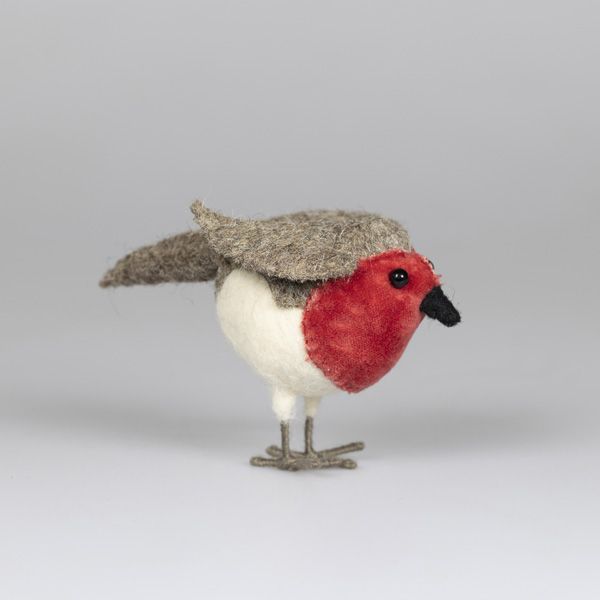
This charming red felt robin — handcrafted in India using traditional techniques — makes a wonderful stocking filler. Bringing plenty of festive charm, place him on your fireplace, sideboard or coffee table.
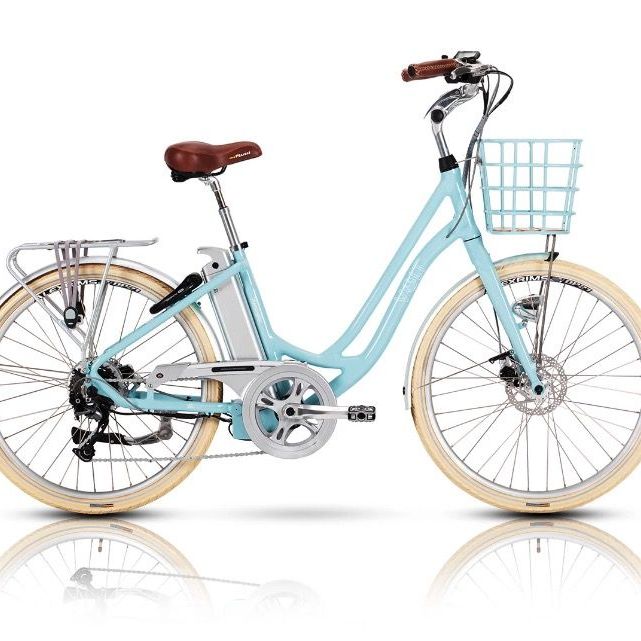
The fully electric Kensington e-bike from Volt is something special. The design is classic and stylish, it's practical with storage options on the front and back, and it's a joy to ride. It's Lithium Ion 36v battery lasts up to 60 miles and makes for effortless cycling. Live in a hilly area so choose to use your car instead of your bike? With this bike, that's not a problem. Simply choose between five different power modes to get you anywhere. It's got top level security and locking systems, too. This is, admittedly, a more expensive gift but if it means using the car less and saving on both fuel cost and emission fumes, it's a worthy investment.
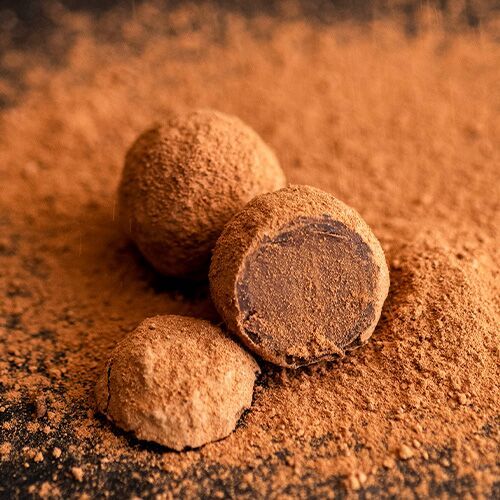
Made in Devon by Willie Harcourt-Cooze's artisan chocolatiers, the brand goes further than the Fairtrade standard, and instead champions what he calls "direct trade" meaning he buys his ingredients directly from farmers. The chocolate isn't certified organic, but Willie only buys from farmers that don't use chemicals. The brand is best known for its truffles, so this box of praline truffles dusted with sea salt is the ultimate luxury for dark chocolate fans. You can also personalise the cardboard sleeve on the outside too.
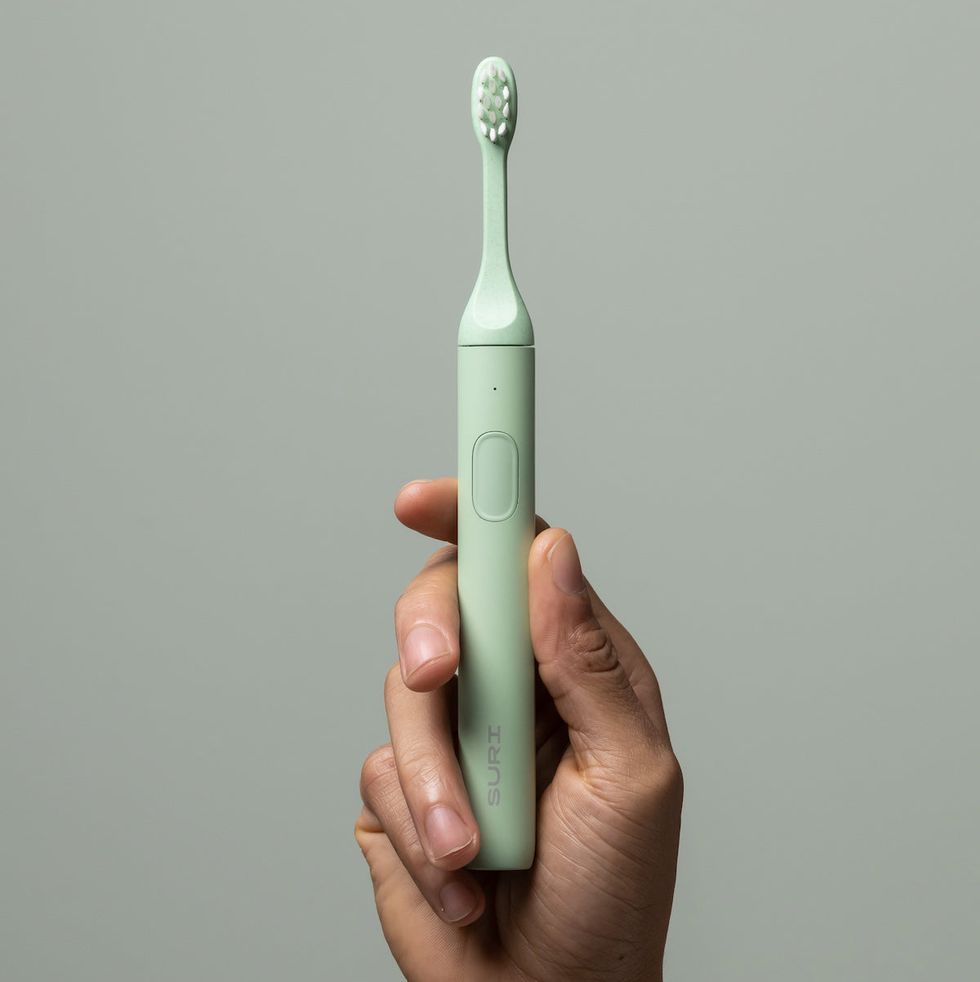
SURI, the recently launched sustainable wellness brand, has just created an eco-friendly toothbrush to help combat the wasteful impact of oral care. Available in a range of colours, the toothbrush features an aluminium handle and plant-based heads. It also has a long-lasting rechargeable battery, that lasts for around 30 days between charges.
"The days of choosing between keeping the planet or your teeth clean are over," says Gyve Safavi, co-founder, of SURI.

An RHS membership lasts all year and will allow the receiver to spend more time enjoying beautiful gardens and flower shows. They'll be able to learn more about gardening and how to welcome more wildlife into their own outdoor spaces.
To be more eco, consider travel to and from RHS locations. Can you get public transport or car pool with a group of people who would like to go? Can you visit them when you are already in the area instead of making a special journey?
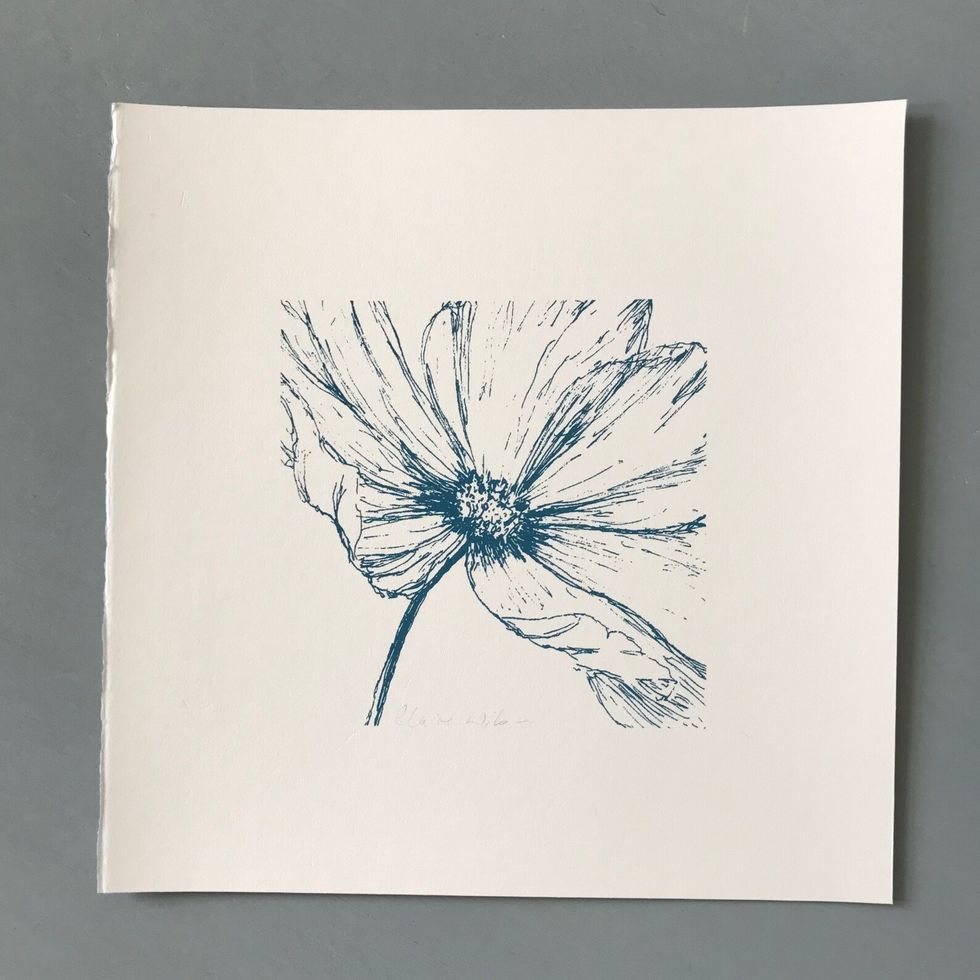
Surprise a loved one with this beautiful cosmos printed, handmade using water-based ink on Fabriano Rosaspina paper. It's also available in black.
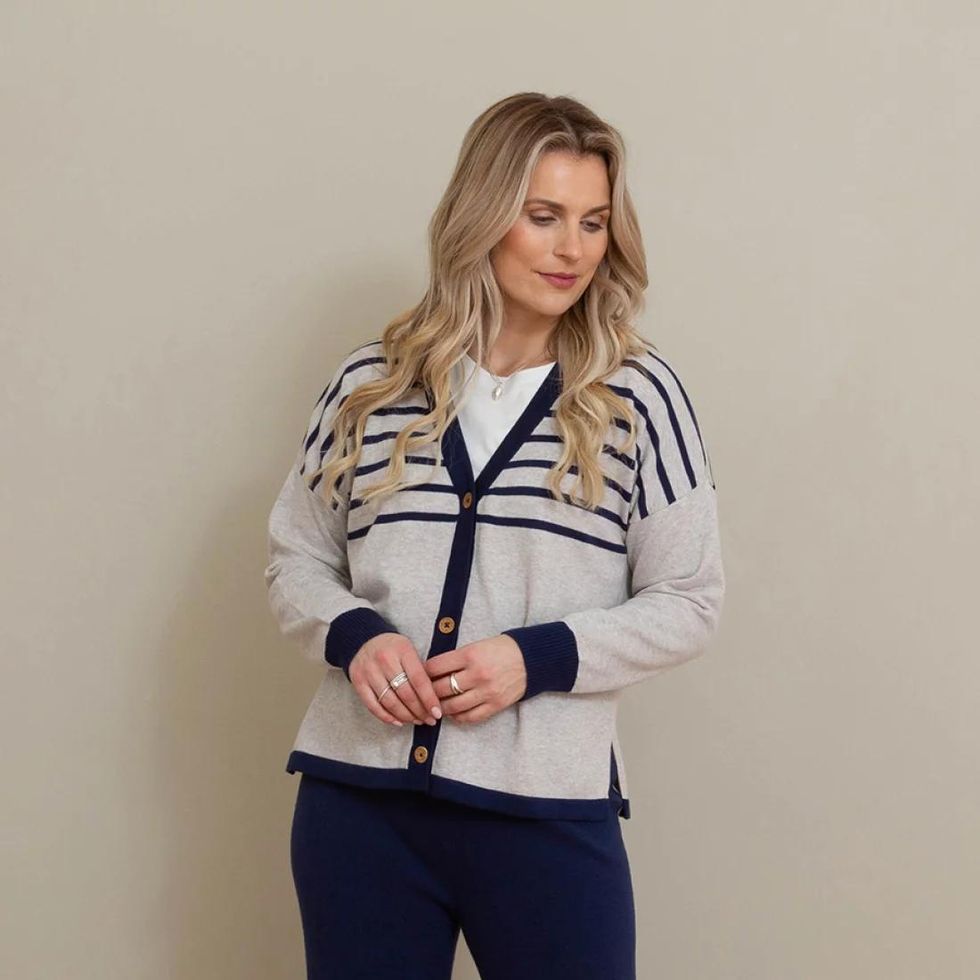
Kite Sandbanks Knit Cardigan Oatmeal Marl
Made from soft organic cotton and featuring coconut buttons, this knitted oatmeal cardigan has a boxy look and ideal for staying snug in autumn. We love the added stripe detailing at the top.

Looking for a tasty tipple? The first vodka of its kind, Respirited is bottled in 100% recycled glass, uses a sustainable cork and has a compostable capsule with the label printed on recycled paper. Raise your glass to the festive season.
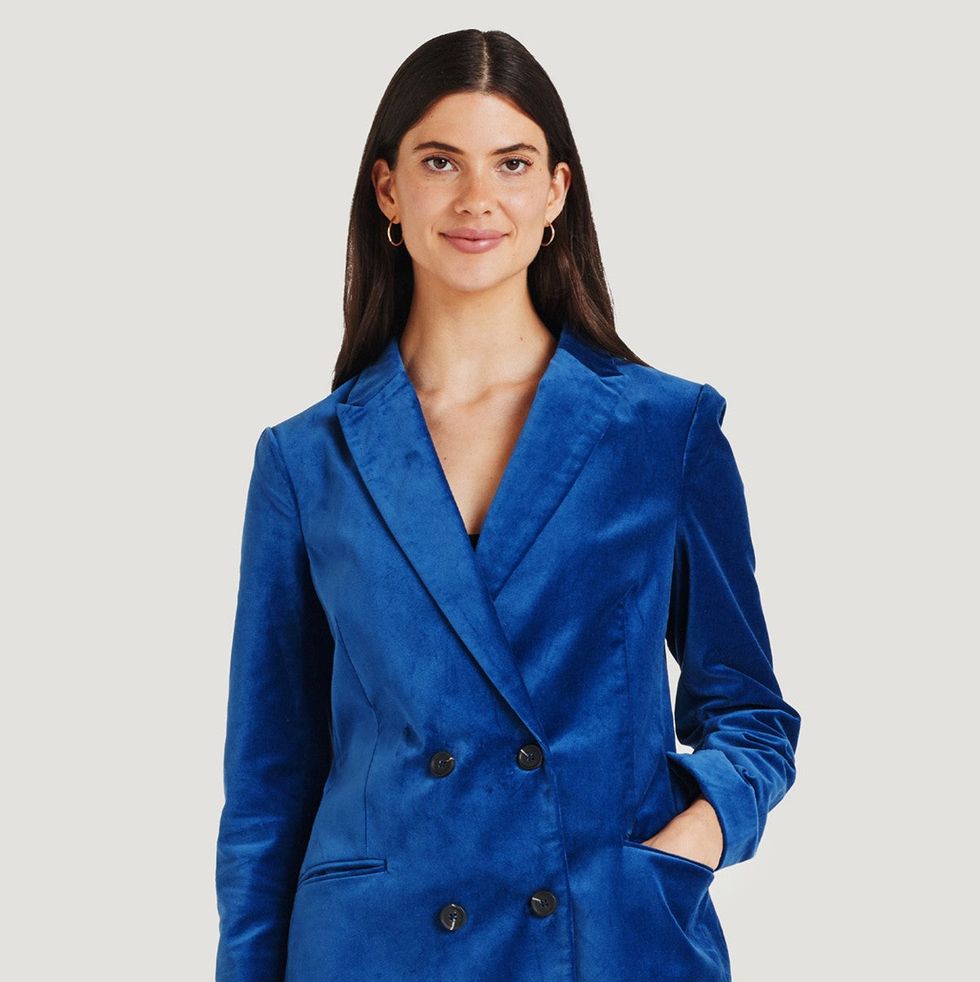
Alleegra Organic Cotton Velvet Jacket - Dark Sapphire Blue
A wardrobe staple, this organic cotton velvet jacket is perfect for special occasions. In royal sapphire blue, it has a super-soft feel and has been crafted from recycled materials.
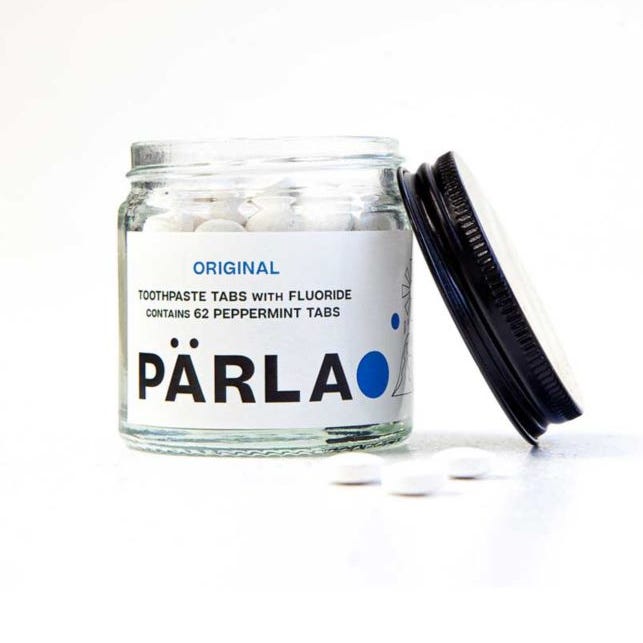
A perfect stocking filler, these tooth tabs are a plastic-free toothpaste alternative that are worth a try. They are ideal for travelling or look great on your bathroom shelves compared to the ugly tubes we have become used to. Designed by dentists, they are eco-friendly, vegan, plastic-free and British-made.
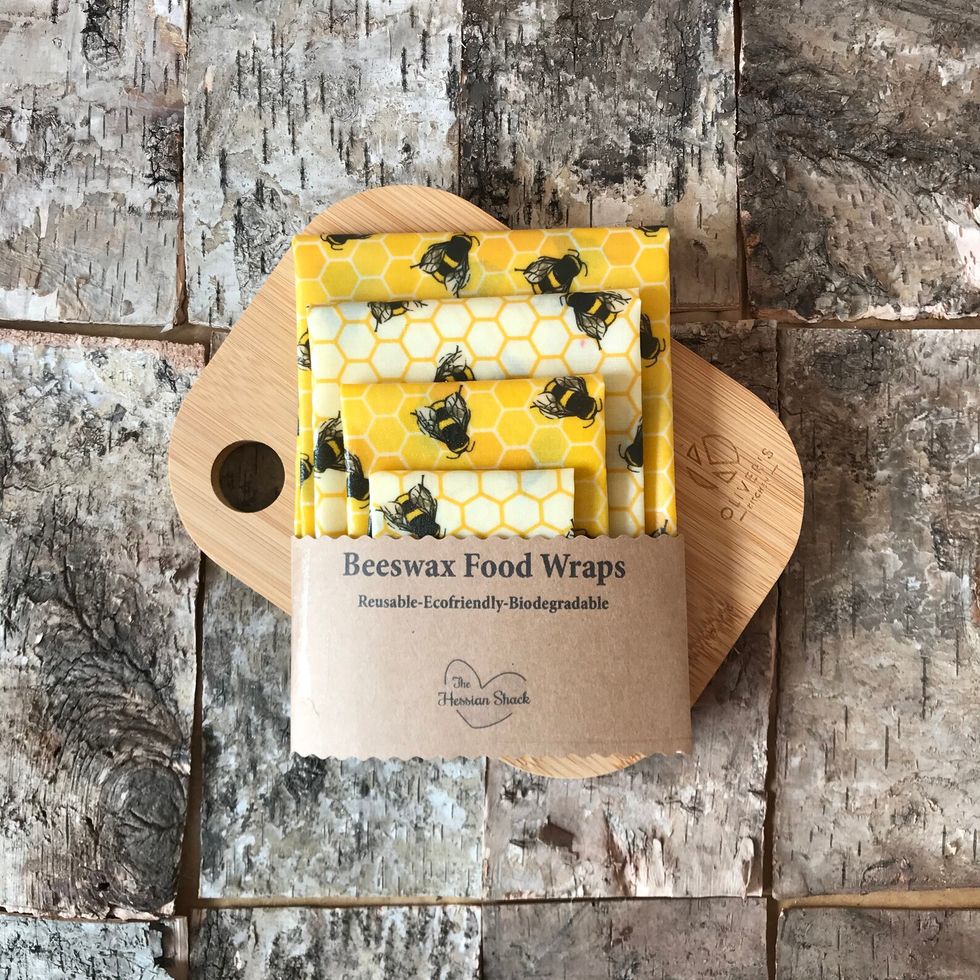
Forget about using clingfilm or tinfoil if you're saving fruit and veg from drying out in the fridge, or covering up some leftovers. Beeswax wraps will do the job perfectly, and cling to whatever you're trying to wrap, keeping the air out. They are reusable for years too, making them sustainable compared to their single use counterparts. Coming in a pack of four of varying sizes (small, medium and large), these little wraps will be of no end of use in your kitchen.
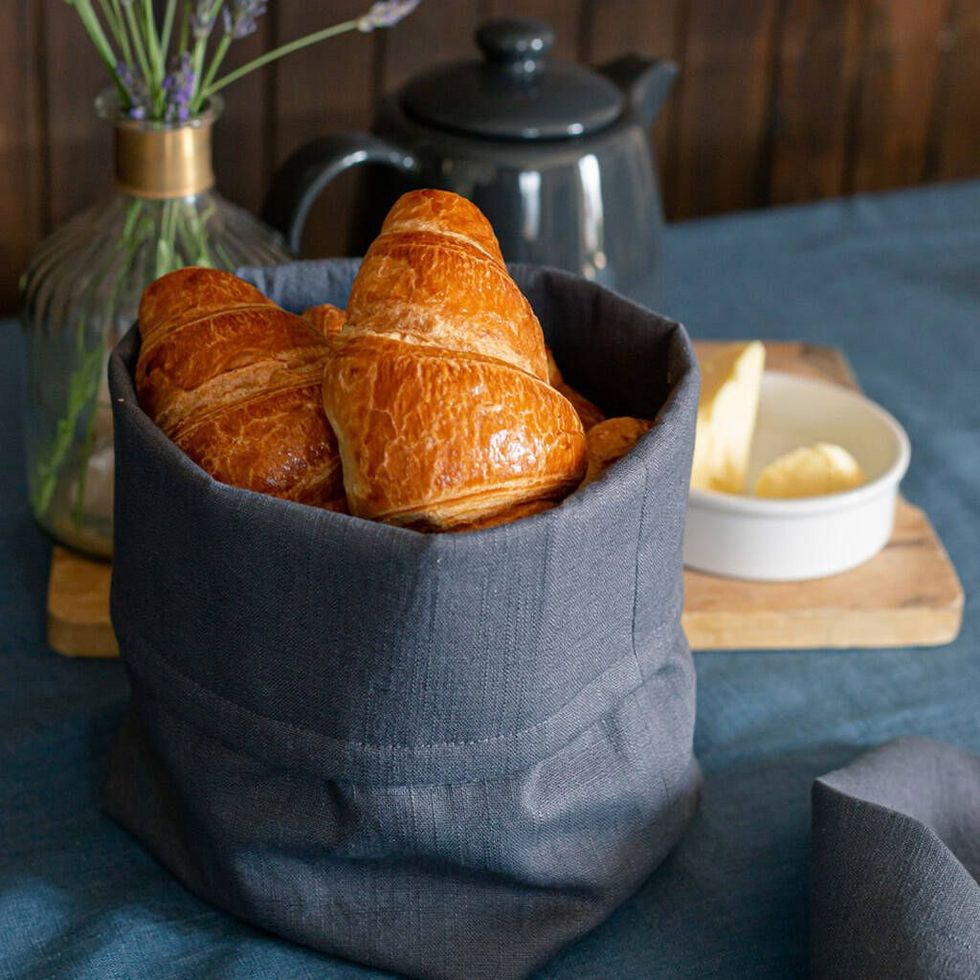
This linen bread bag is both beautiful and practical. Take it to the bakery or supermarket and feel better about not bringing your purchase home in a plastic wrap.
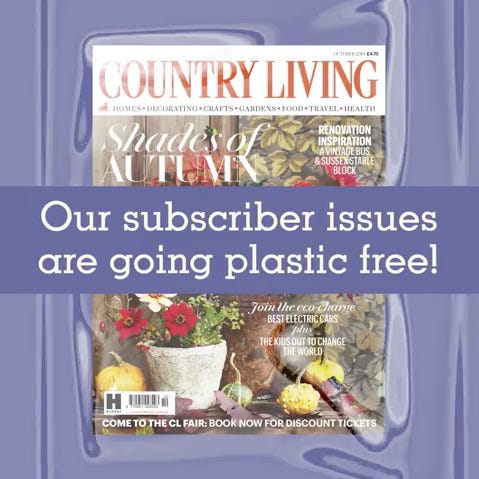
Country Living subscription
We've made the switch from plastic bags to paper wraps on our subscriber copies, making a Country Living subscription a worthy eco-friendly Christmas gift. All our paper is FSC certified and can be recycled.
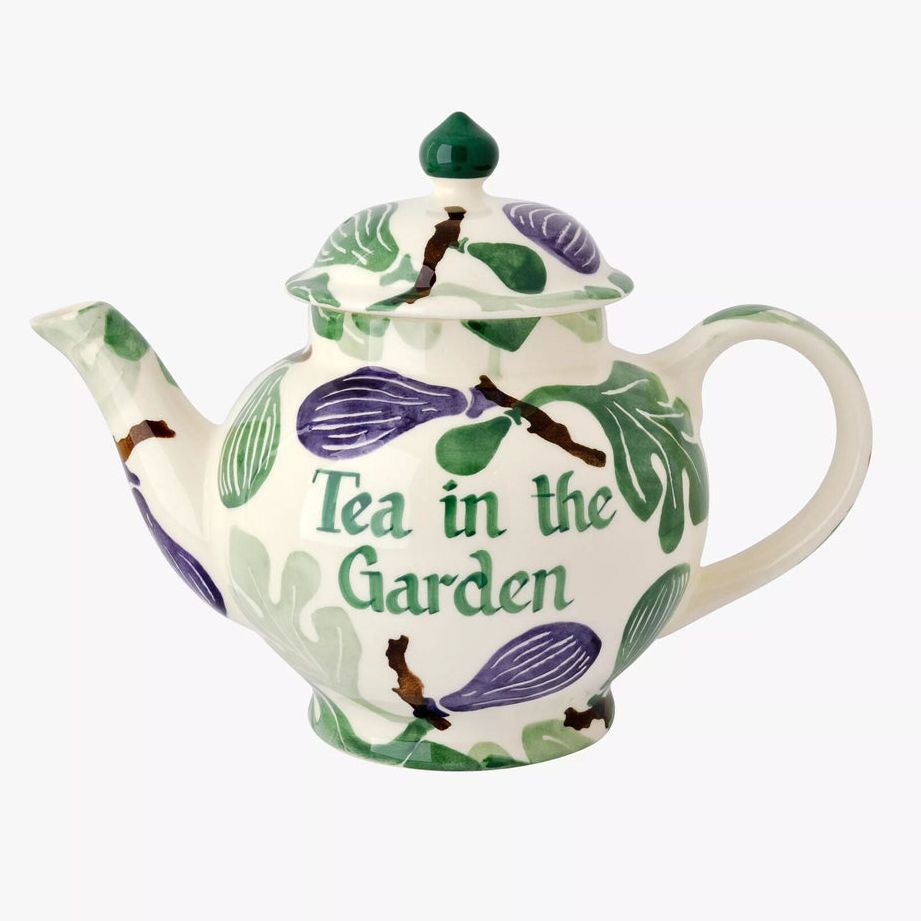
We've all heard the devastating truths about how much plastic is in our tea bags. The alternative? Go loose. All you need to make a loose leaf brew is a beautiful tea pot and a strainer (£4.87, Amazon). We like to use metal tea bags (£4.99, Amazon), which are great for single mugs, too.
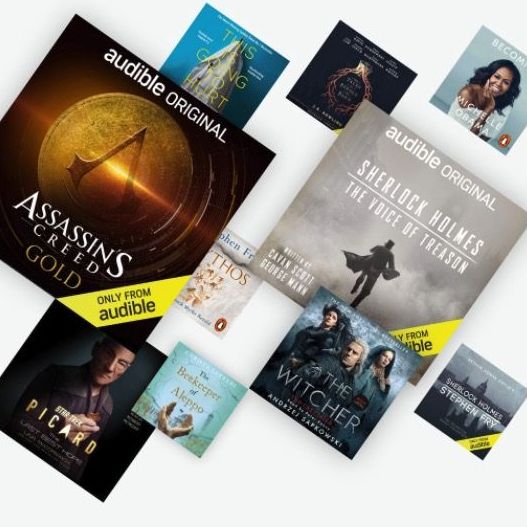
For bookworms, this is a great packaging-free gift they can enjoy for months. On top of one book credit a month to download new releases, Audible members can enjoy a host of free books and podcasts too.
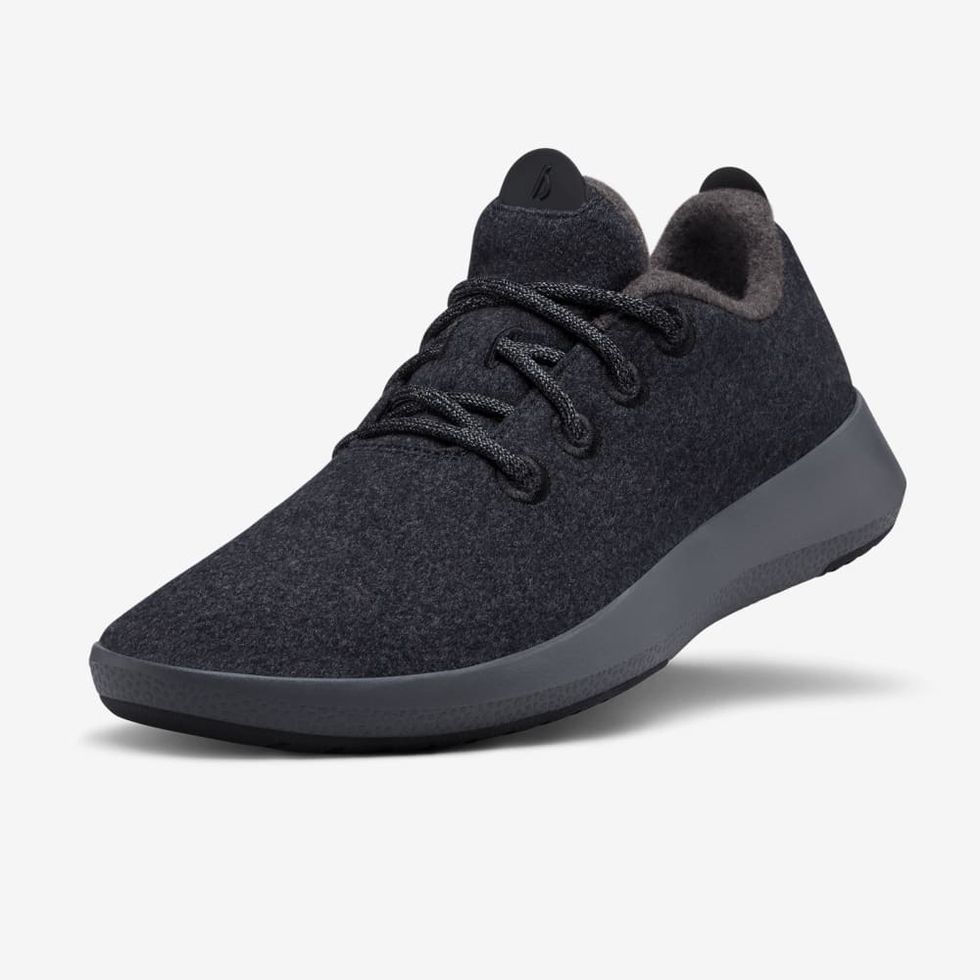
Tried, tested and loved by our CL digital team, these merino wool trainers are completely waterproof thanks to weather-repellent natural materials. The are warm, cosy and look amazing.
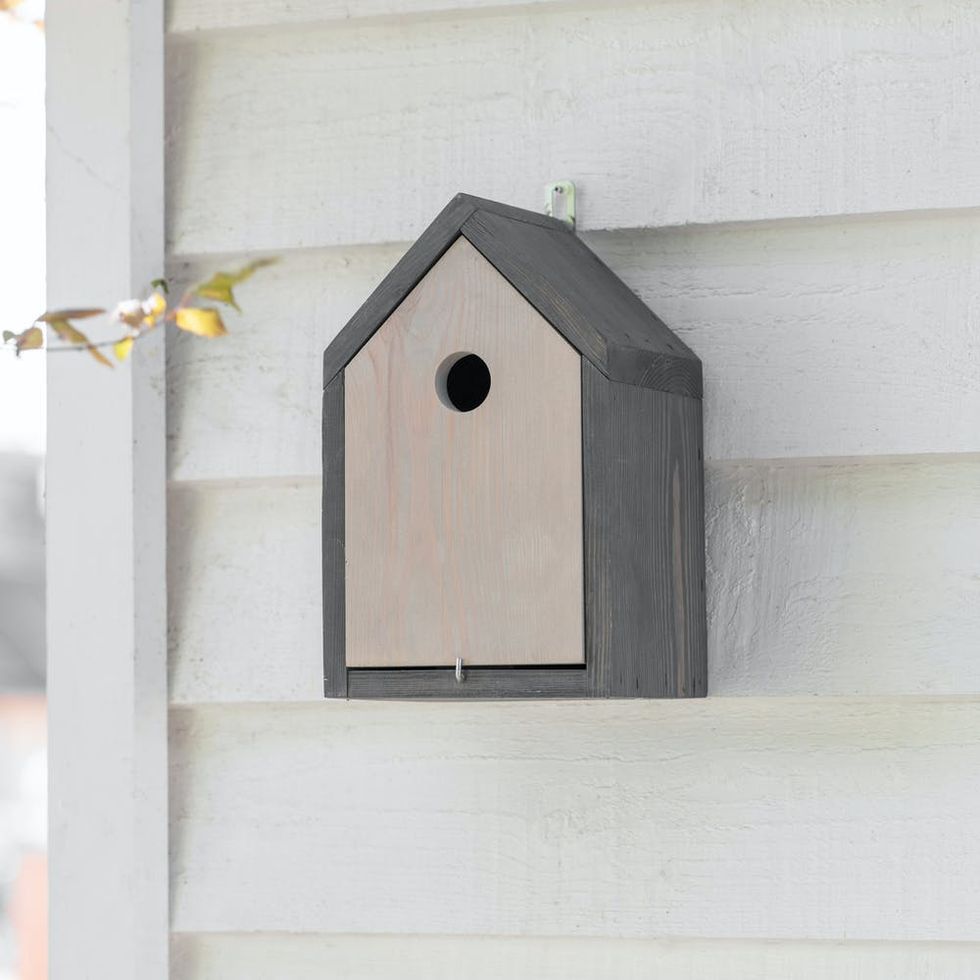
Help a loved one welcome more birds into their garden with this stylish bird box. Watching them flit in and out will be a mindful and soothing activity and the birds will be grateful for the help.
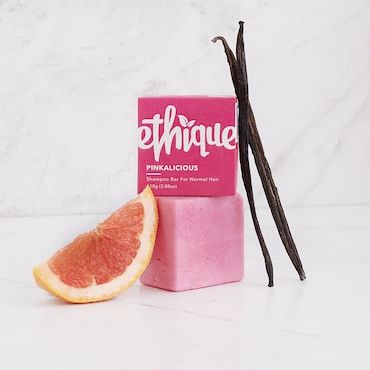
Tried, tested and loved by our CL digital team, there's a reason why Ethique's hair and skin bar range has been a huge hit since it made its debut in Holland & Barrett last year. This shampoo bar is made using pink grapefruit and warming vanilla and foams up just as generously as a liquid shampoo. Slightly more expensive than a bottle of shampoo, it lasts a lot longer so is actually cheaper over all.
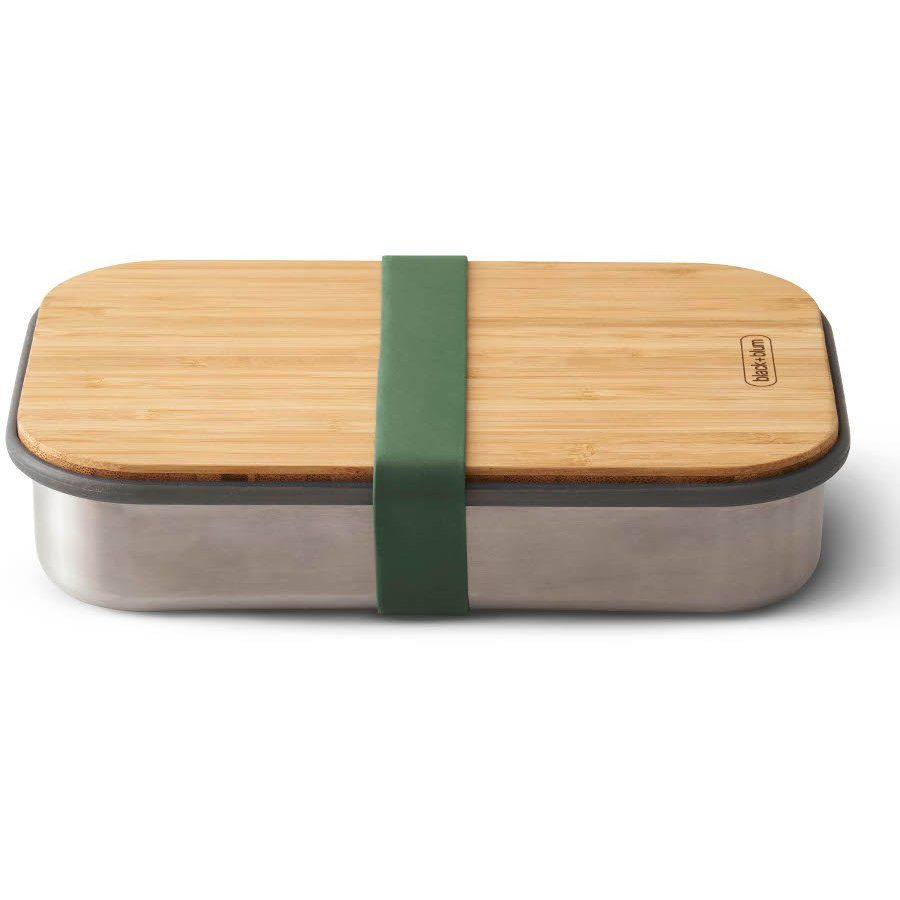
Helping to make pack lunches both zero-waste and stylish, this reusable lunch box from Black & Blum is made from stainless steel with a bamboo lid. It's perfect for carrying sandwiches or small snacks, all of which can be kept safe with the rubber band that secures around the middle.
Lisa Joyner is the Deputy Daily Editor at House Beautiful UK and Country Living UK, where she's busy writing about home and interiors, gardening, dog breeds, pets, health and wellbeing, countryside news, small space inspiration, and the hottest properties on the market. Previously, she has written for Conde Nast Traveller, House & Garden and Marie Claire magazine. Lisa studied at University For The Creative Arts, where she completed a BA in Fashion Journalism.


