
During the autumn and winter months, wildlife needs a bit of a helping hand when it comes to food, drink and shelter. With fewer berries on the trees to forage and eat, sinking temperatures and extreme weather conditions, hedgehogs and bees need our help.
But what should we be doing to help them? We asked zoologist, TV wildlife presenter and ARC 2031 ambassador, Megan McCubbin, to share her tips...
What food and drink should we be putting out for hedgehogs this autumn/winter?
"Believe it or not, hedgehogs are big fans of cat food. Leave a little saucer of cat food in your garden and hungry hedgehogs will sniff it out. As well as providing food, you can put out a shallow dish of water to ensure any visiting hedgehogs stay hydrated. Please avoid feeding them bread and milk as this makes them quite unwell!" says Megan.
Tip: Cover your dish of cat food so that other animals can't get to it. Put it under a pot or container with a hedgehog-sized hole in it, not big enough for cats or foxes to squeeze into.
Did you know? Hedgehogs are on the ARC 2031 list of the 10 species at risk of extinction in the UK in the next 10 years – so now more than ever they need our help. Read full list.


How can we help bees in autumn and winter or do we only need to think about them in summer?
"Bees are still about in autumn so there is plenty you can do to support them. In autumn, old bumblebee colonies die and newly mated bumblebee queens find places to hibernate. They may choose a hole in the ground, a compost heap or a spot under piles of autumn leaves. You can even make your own bee nest by using a terracotta pot filled with moss and hay," Megan advices.
"There are bee-friendly plants for every season. Why not have a go at planting some sedums, or for winter try planting some snowdrops or winter honeysuckle to attract some buzzy friends? If you don’t want to plant flowers, have a go at building your own log pile for foraging bees to take shelter during the rain and colder months."
Buzzing tips for the bees in autumn and winter:
- make your own bee nest by using a terracotta pot filled with moss and hay
- plant sedums for bees in autumn
- plant snowdrops or winter honeysuckle for bees in winter
- build a log pile for foraging bees to use as shelter
Did you know? The garden bumblebee is also on the ARC 2031 list of the 10 species at risk of extinction. Let's help them before it's too late.
How can you help wildlife if you don't have a garden?
"If you don’t have an outdoor space, you can also help support bees and other wildlife by swapping one item to organic in your next grocery shop. Organic farming works with nature, rather than against it," says Megan.
"Organic food and drink is available from many places – all of the big supermarkets in the UK sell organic, or try shopping at independent retailers, or you can even buy direct from organic farmers via box schemes.
"We are all becoming more ecologically aware every day and the products we choose to buy can help sustain our environment and biodiversity within it. There is power in our pounds, so let’s spend them wisely and make moves towards a greener, more organic future."
15 bird feeders to buy right now
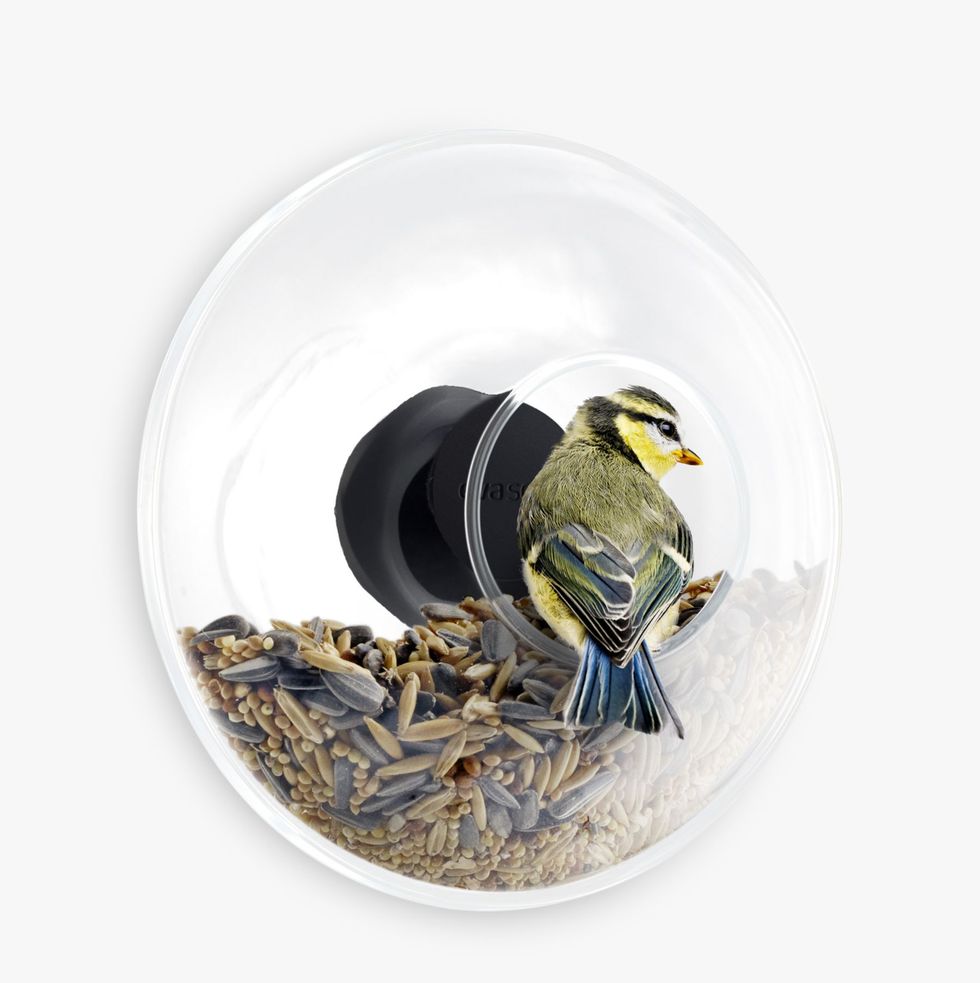
Perfect for garden and non-garden owners alike, this small feeder can perch up on a window pane, and is ideal for small birds as well as some bigger ones. An easy way to watch the birds, this feeder is an attractive - and rewarding - piece for the home.
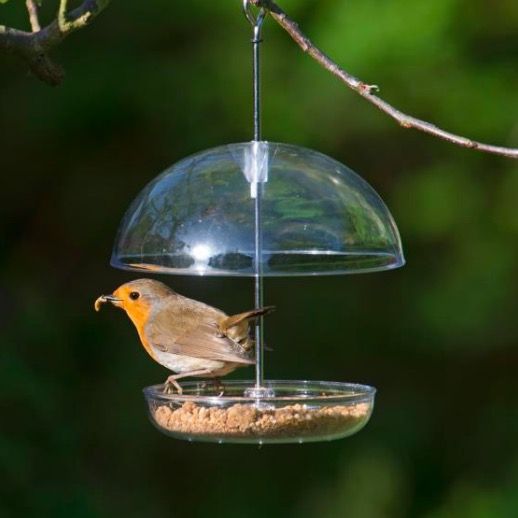
This feeder is great for multiple birds at once, and is lightweight enough to be able to hang off of small branches. Its ergonomic design is something the birds would definitely appreciate, with a domed roof providing protection from the elements, and a smaller base for the food to keep it clean.
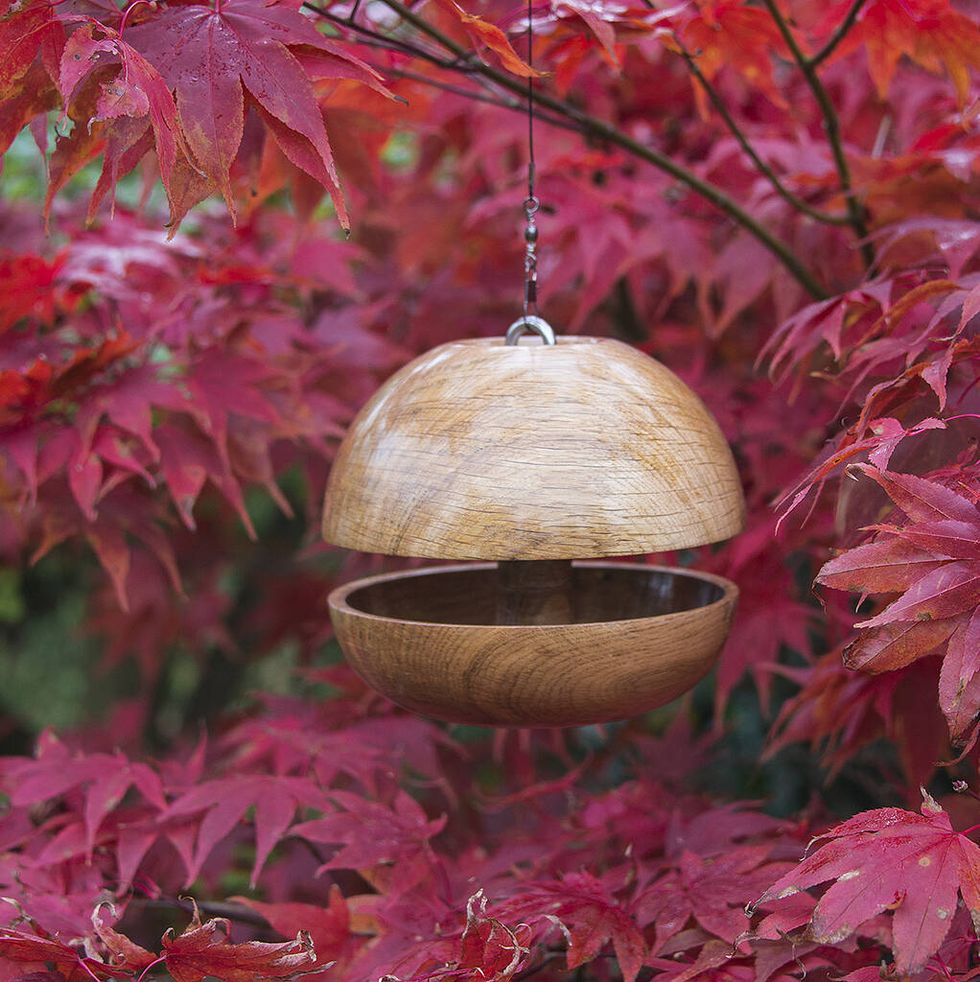
The Natural Wood Company Oak 'Applecore' Bird Feeder
This oak bird feeder from The Natural Wood Company is a lovely example of both inconspicuous and beautiful. The varnished oak with hanging chain will fit perfectly into both a vibrant and minimalist garden alike.
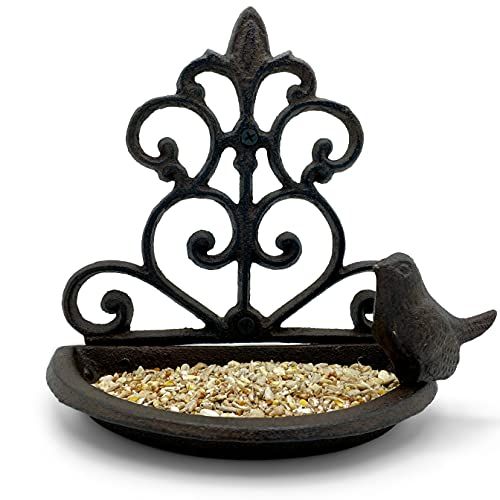
For a more minimalist garden, try this cast iron wall mounted bird feeder. Its decorative fixing is stylish yet sparing, and will work especially well with a fountain or small pond nearby. The base grants a lot of room for feeding birds, and allows them a bit of time to socialise, too!
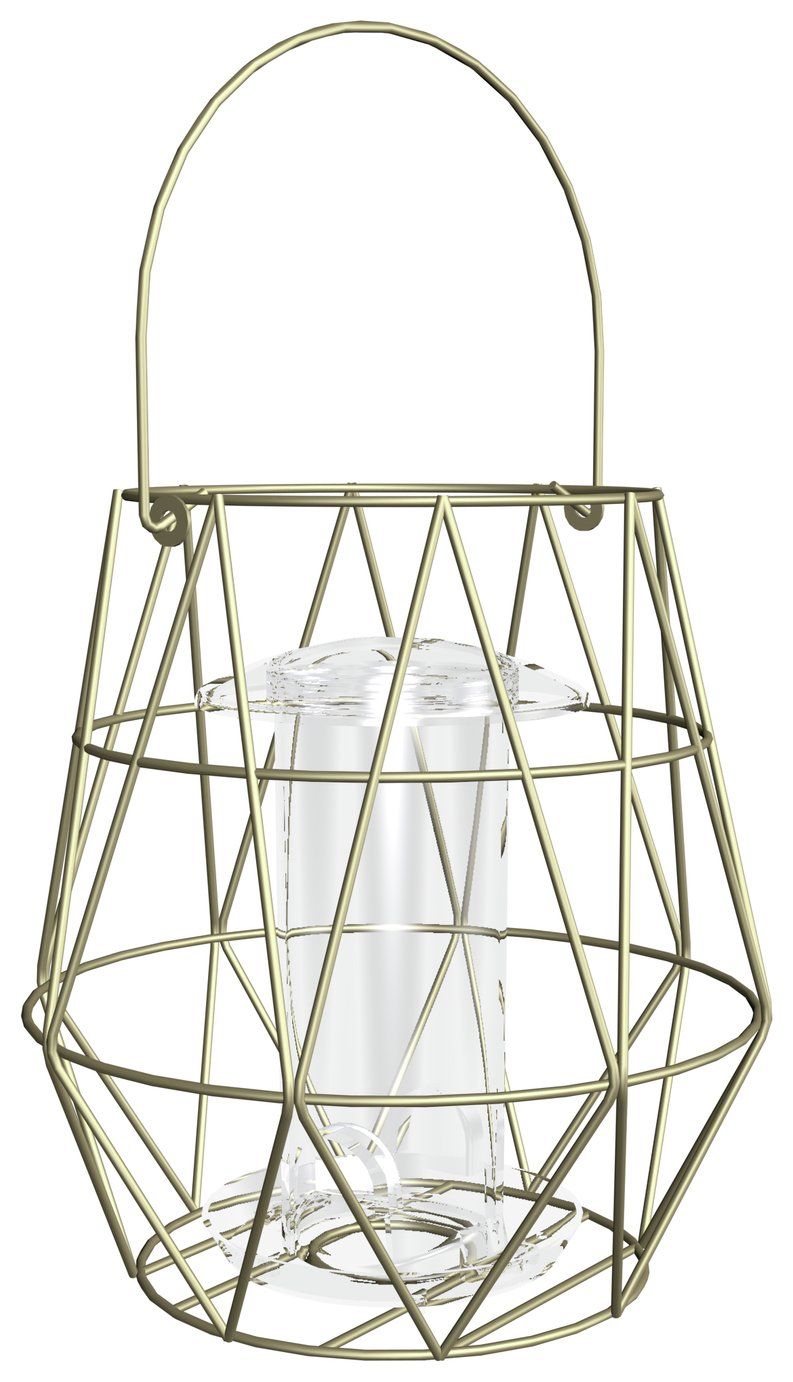
Combat minimalism with this brass-like, patterned feeder, granting a sense of luxury to the garden space, whilst still protecting the bird food from unwanted visitors. Its contemporary style will fit well into any modern garden.
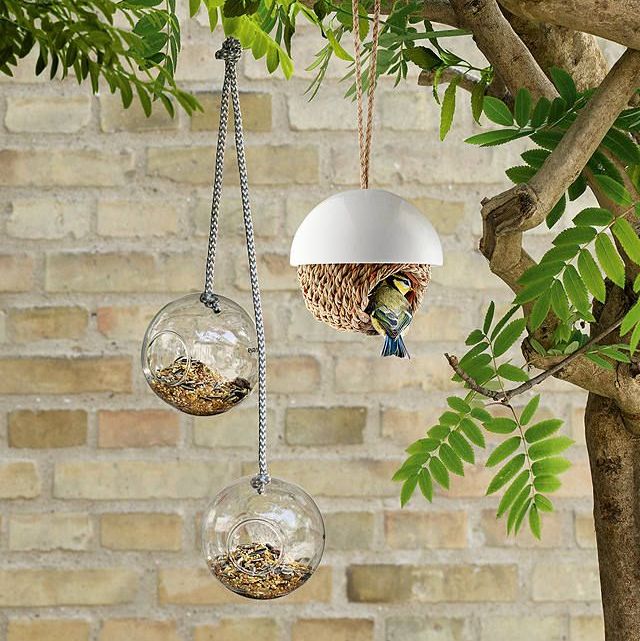
This set of bird feeders allows each bird its personal space. Its simple dome and ball shapes suit almost any garden, and works best sheltered under hanging trees.
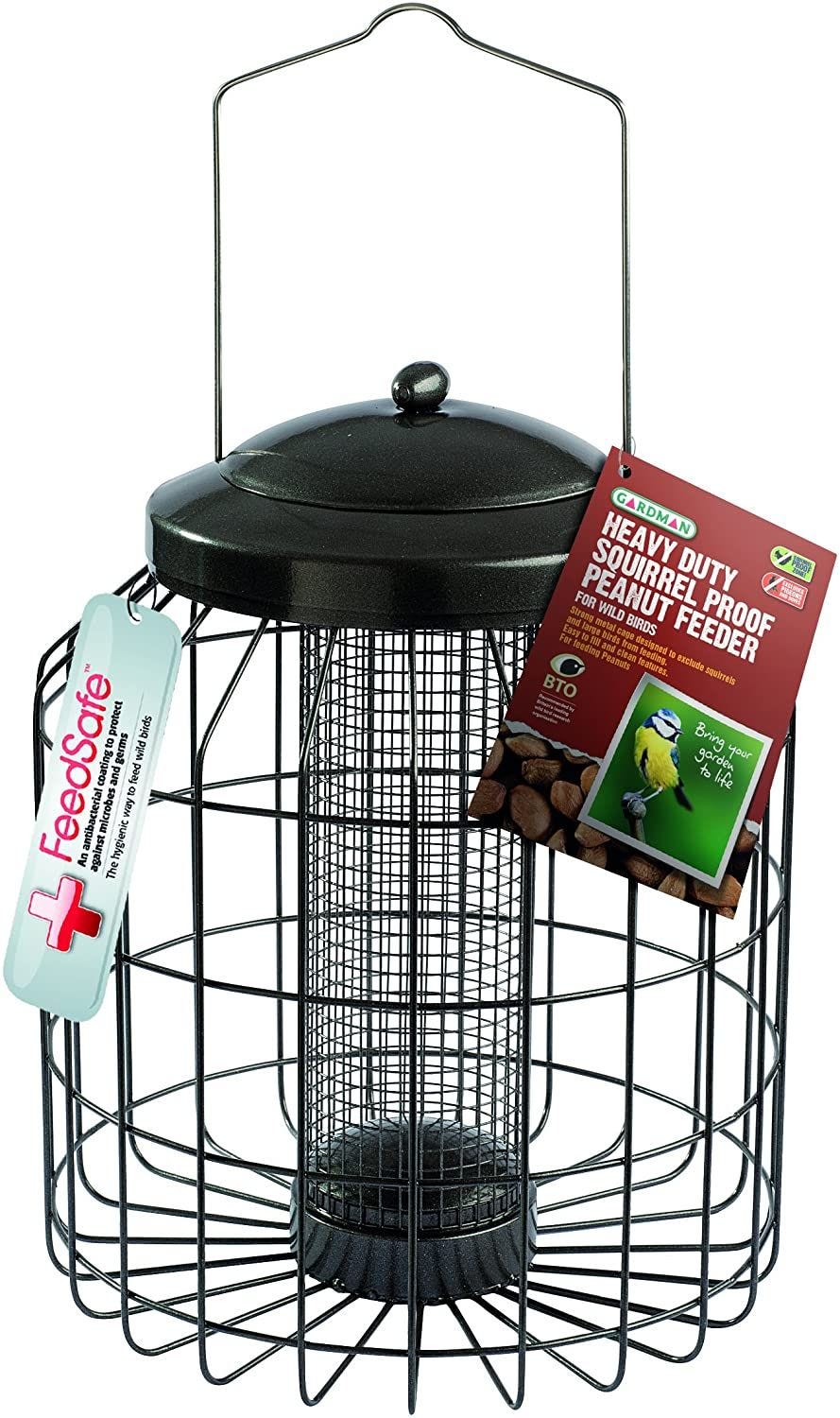
Want a bird feeder, but tired of the squirrels getting there first? This heavy duty, squirrel proof feeder is a perfect solution, whilst still upholding a sense of style. Its inconspicuous design works well in any garden. You don't have to worry about pesky squirrels anymore with this vendor.
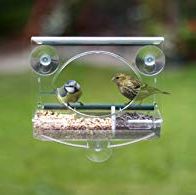
Having a window feeder such as this is great for keeping the birds happy, since it is open and anti-claustrophobic. It is also large enough for multiple birds to dine together, and comes with practical suction pads to easily stick onto windows and smooth surfaces.
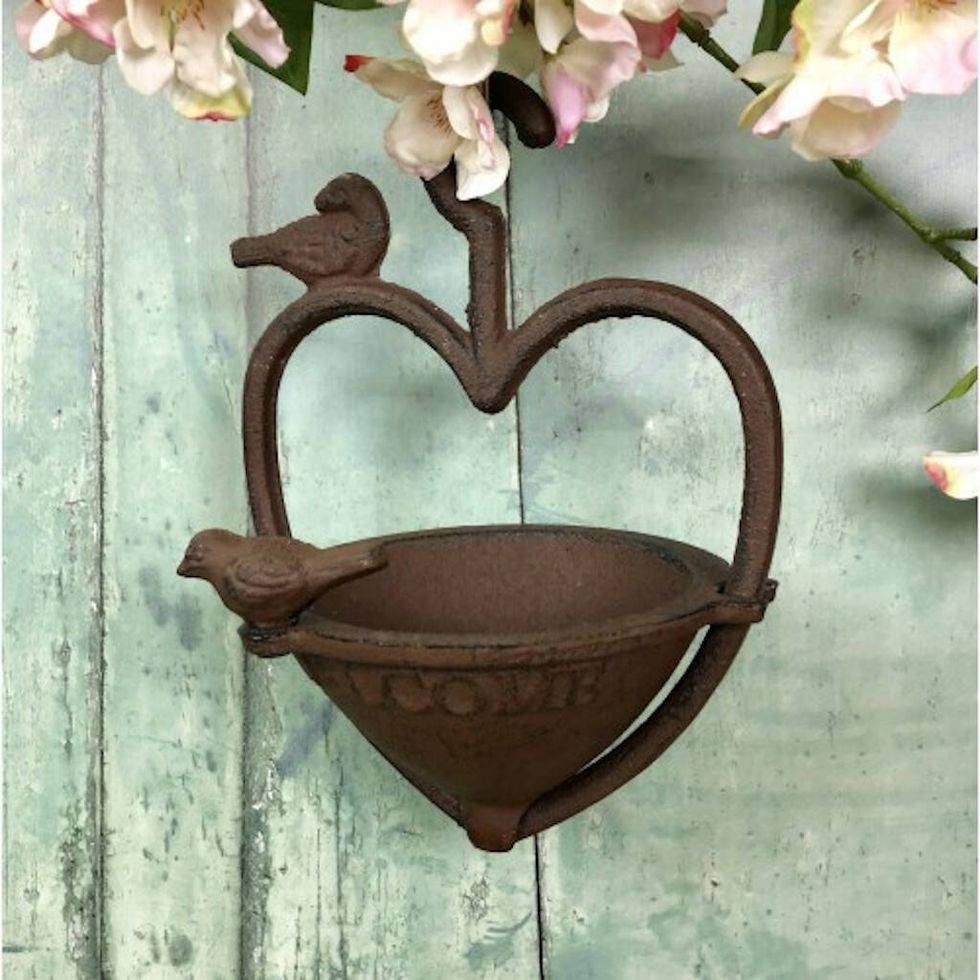
Garden Selections Vintage Cast Iron Heart Shaped Bird Seed Feeder
This vintage bird feeder is a great housewarming gift. Its deep bowl allows for an array of different snacks and treats for the local birds.
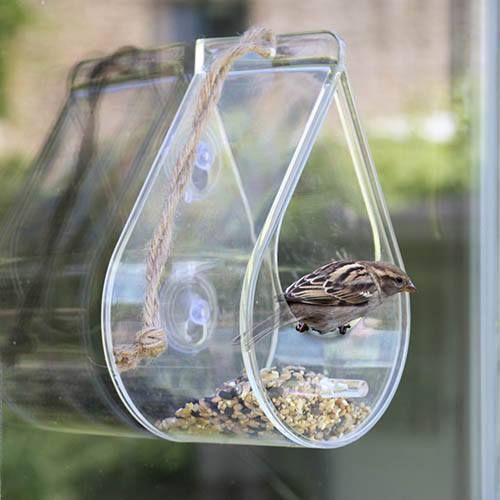
This raindrop feeder is a pretty edition to any outdoor space. Fitted with both suction pads and a hanging string, this feeder is handsome and versatile.
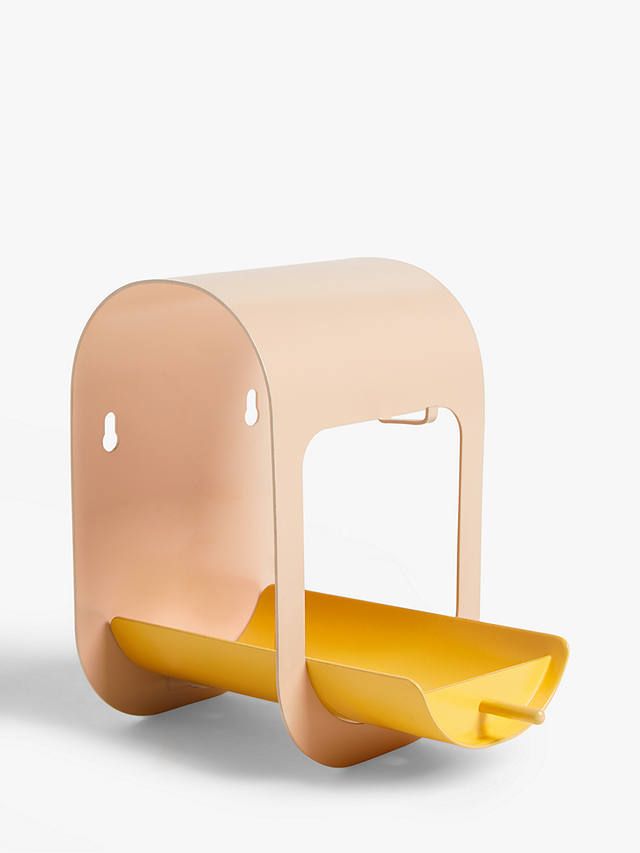
Currently reduced to clear, this feeder from John Lewis is great for an array of positions, and types of food. Hang it on a tree, a balcony or a wall. Attach fruits for the birds with its handy spike.
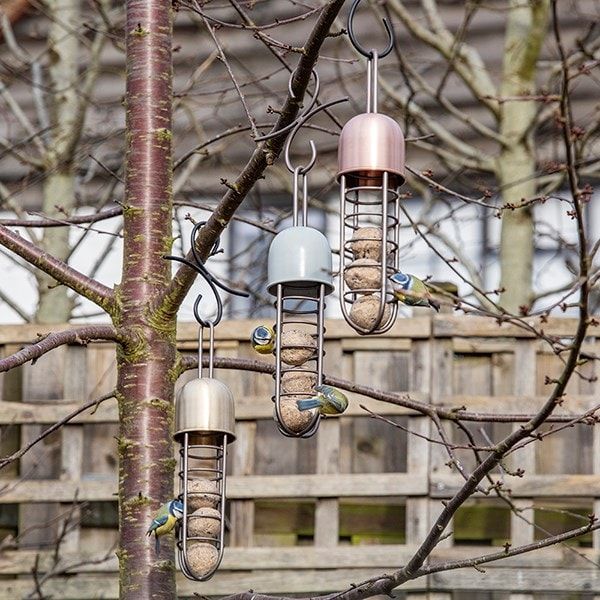
These feeders at Crocus are designed to fit fat or suet balls - high energy food for little birds. You can arrange multiple feeders in and around the same tree, as shown here, to create a little bird gathering.
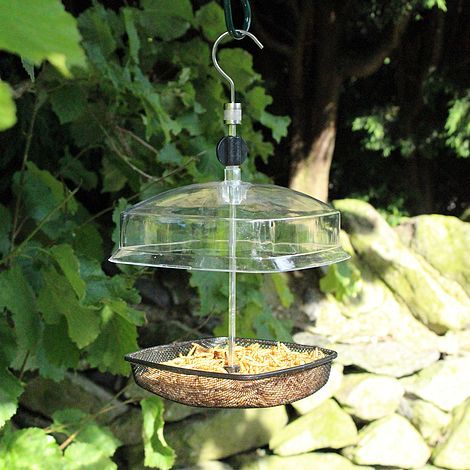
Thompson Morgan Kingfisher Hanging Mealworm Bird Feeder With Plastic Canopy
You'll have regular customers in no time with this generous one-stop-shop, with the dome-shaped roof of this feeder perfect for protecting the birds, and a large base to fit a good amount of food.
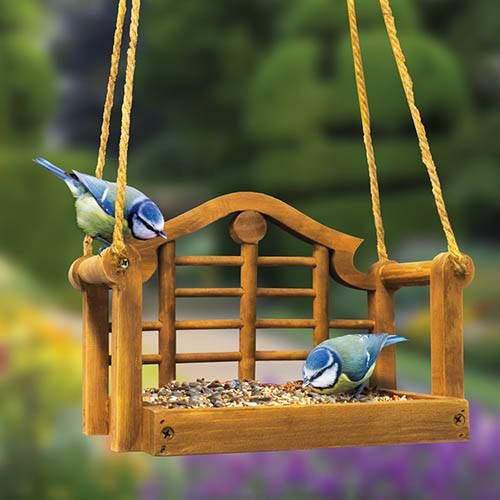
Shaped in the style of a park bench, this piece will truly complement any garden, and increase both your own wellness and the wellbeing of local wildlife.
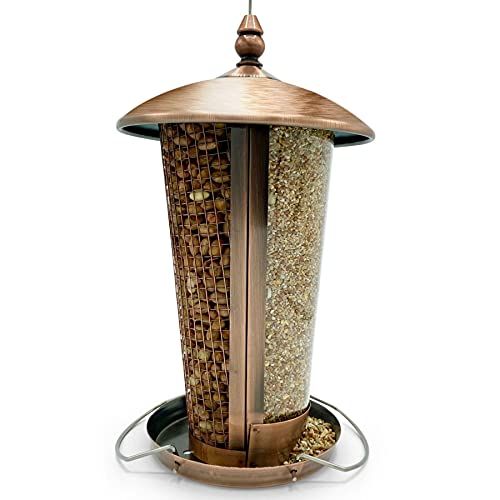
Garden Locker Twin Copper Bronze Bird Feeder for Garden Birds - Outdoor Metal 2 in 1 Bird Feeder Holds Wild Bird Seed Mix & Peanuts
This tall feeder fits two types of bird feed, to satisfy a variety of different feathered friends. Hang this on a tree in the garden or nearby perch, and you'll have them flocking to you in no time.
Emma-Louise Pritchard is the Membership Director for Country Living UK & House Beautiful UK, previously Executive Digital Editor for Country Living UK. Emma-Louise is a digital expert specialising in content strategy, social media and newsletters. Her topics include sustainability, homes and interiors, gardening, health and wellbeing, pets, travel and countryside news. She has previously written for Good Housekeeping and Cosmopolitan and has won several awards, from AOP Digital Editor of the Year 2019 to PPA 30 Under 30. Emma-Louise studied at Cardiff University where she completed an MA in Magazine Journalism.


