
The small, rough-coated Border Terrier has a big personality in a small package. Perfect for families, keep reading for everything you need to know about this energetic breed — from barking to their most common health problems.
"Border Terriers can be a very adaptable breed and are happy in a variety of situations, which is why they are such popular pets," says Shauna Walsh, nurse at PDSA.
"They fit in well with most families as long as you have plenty of time to keep them active and entertained. And as long as they get enough exercise and mental stimulation, they are happy to live almost anywhere – whether this is in a town or city, or out in the countryside."
Jump to:
- What were Border Terriers originally bred for?
- What are Border Terriers known for?
- Do Border Terriers have any health problems?
- Do you need a big garden to care for Border Terriers?
- Do Border Terriers bark a lot?
- 9 fun facts about Border Terriers that will make you fall in love with them
- Do Border Terriers shed?
- What owners are best for Border Terriers?
Planning on adding one to your family? Keep reading for all you need to know about this lively breed...
What were Border Terriers originally bred for?
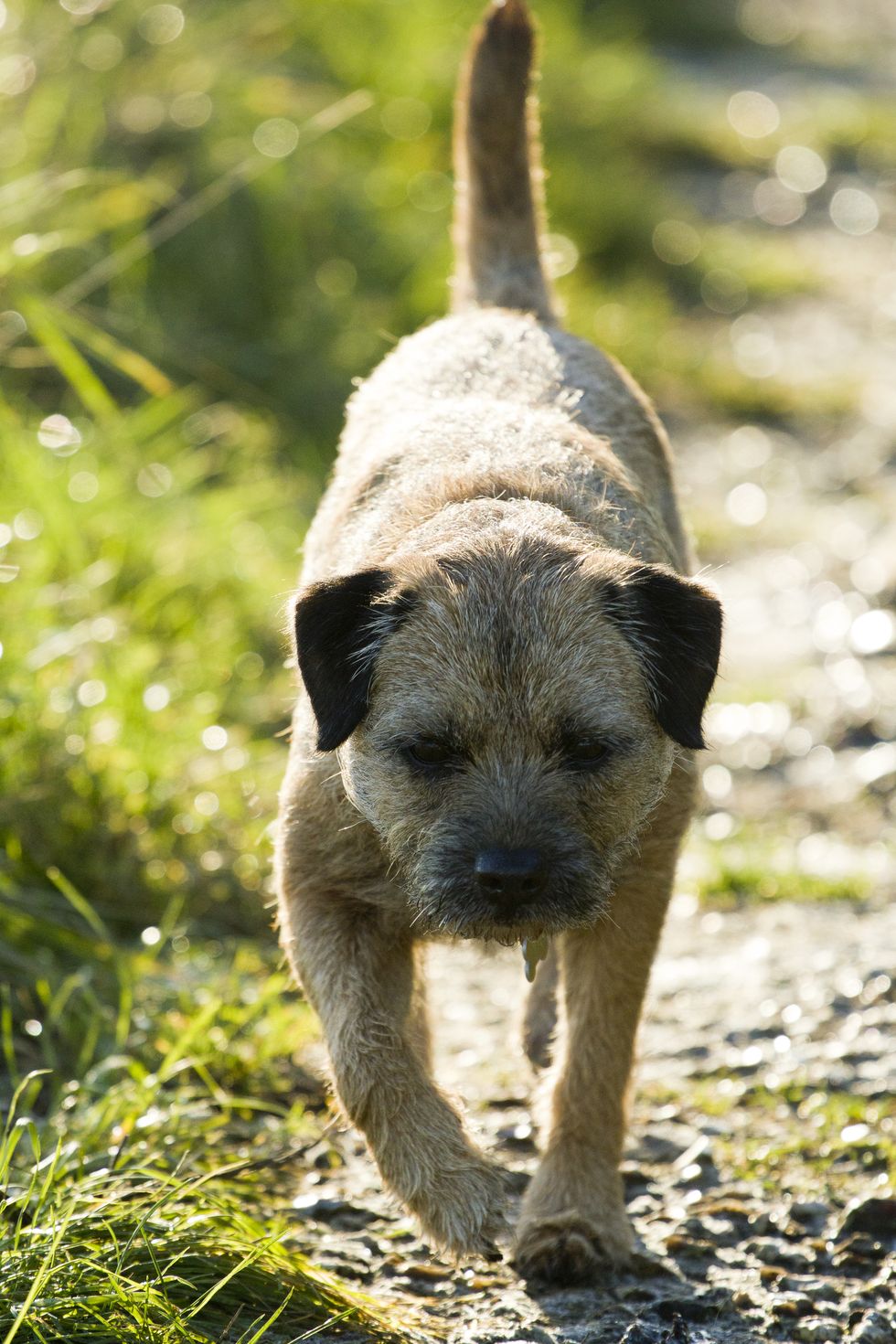
Despite Border Terriers being beloved family pets, they were originally bred to hunt vermin.
"Border Terriers take their name from the borders of Northumberland and Scotland, thought to be around 1880," says the Kennel Club.
"Originally a working terrier, the breed was developed by the farmers and shepherds of the area, who used terriers to contain the local fox population. They have since become popular family pets, both in town, city and country!"
What are Border Terriers known for?
Border Terriers are known for their alert gaze, powerful drive to hunt and dig, good-natured personality, loyalty, fearlessness, high energy levels, and determination. Naturally bred to run peacefully with foxhounds, they are also affectionate dogs that will want to spend time with their owners (they are not, however, demanding).
Shauna adds: "If you're thinking of getting a Border Terrier, they do have a reputation for being skilled escape artists due to their energy levels and high prey drive (high desire to chase due to their working background), so it is essential to have a secure garden they can play and have free time in.
"Like most terriers, they can tend to chew anything and everything, so make sure you have plenty of dog-friendly toys and puzzle games, play sessions, and training sessions to keep them occupied.
"They are also very good at digging, so it's worth making sure the garden is fully secure and that they can’t slip under any fences, and dedicate a specific area in the garden for them to enjoy their digging safely."

Do Border Terriers have any health problems?
Sadly, like other purebred dogs, Border Terriers are also at risk of certain problems and conditions. These include:
- Luxating patellas (where the kneecaps slip temporarily out of place)
- Skin problems
- Ear problems
- Cushings disease
- SLEM (Spongiform LeucoEncephaloMyelopathy) or shaking puppy syndrome
- Canine Epileptoid Cramping Syndrome (CECS) – tremors, muscle spasms, seizures, affecting whole or part of body
- Canine Gallbladder Mucocoele – this is where the gall bladder has difficulty emptying and may require surgical removal
"If you are thinking of buying a Border Terrier puppy, make sure the parents of your puppy have had the relevant health screening to reduce the chances of your puppy being affected by these certain conditions," Shauna tells us.
"We'd recommend looking for a Kennel Club Assured Breeder as they meet extra requirements which will benefit your puppy's health, but it's still important to ask lots of questions about any health problems your puppy's parents or grandparents might have suffered from."
Do you need a big garden to care for Border Terriers?
Thinking of getting a Border Terrier? The PSDA advises you to have a secure garden so they can safely enjoy play and free time. Like many dogs, Border Terriers need to stretch their legs regularly outside — which means having a garden will help to keep them happy and entertained.
"Like most terriers, they tend to chew anything and everything, so make sure you have plenty of dog-friendly toys to keep them occupied. They are also very good at digging, so it's worth making sure the garden is fully secure and that they can't slip under any fences. They're not the best pets if you like a tidy garden."


Do Border Terriers bark a lot?
While Border Terriers aren't notoriously loud, they will bark to alert you of anything unusual. As with any other dog, how much noise Border Terriers make depends on the individual. If you are having issues with excessive barking, it's advised to seek the advice of an accredited behaviourist.
9 fun facts about Border Terriers that will make you fall in love with them
- They were originally bred to flush out and kill foxes, which accounts for their desire to chase
- Border Terriers have a double coat
- They love to dig."You may find more than a few holes in your garden if they are left to their own devices," says Shauna.
- The Border Terrier is very interested in being part of the family
- They can work and live peacefully with other dogs
- Their name comes from the fact they originated from the England and Scotland border
- Border Terriers are active dogs that love and need regular exercise
- They were first recognised as a breed by the Kennel Club in 1920
- They are skilled escape artists so it's best to keep them occupied as much as possible
Do Border Terriers shed?
Like many pups, Border Terriers are also likely to shed throughout the year. They have a wiry outer coat and soft, dense undercoat which will need brushing a few times a week; however, they may require professional grooming twice a year. It's worth knowing that they are classed as minimal shedders and are not known to be high maintenance.
What owners are best for Border Terriers?
"Border Terriers are friendly, small dogs which means they are a suitable choice for a variety of owners in the country or city," the Kennel Club tells us. "However, their energetic nature means they are best suited to active owners who will have enough time to exercise them and give them enough mental stimulation too."
12 easy-to-clean waterproof dog beds
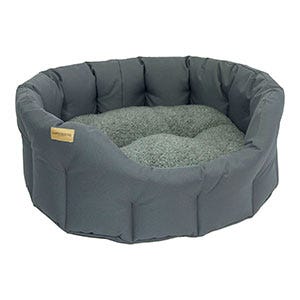
The Earthbound Classic Waterproof Dog Bed is the ultimate in hard-wearing dog luxury, featuring a premium heavy duty waterproof polyester outer, while the removable (and reversible) inner cushion features waterproof polyester on one side and a soft sherpa on the other, making this the perfectly practical cosy spot for you dog to rest after an adventure outdoors. The Earthbound Classic Waterproof Dog Bed is machine washable at 30 degrees, for easy removal of muddy paw prints and odours.
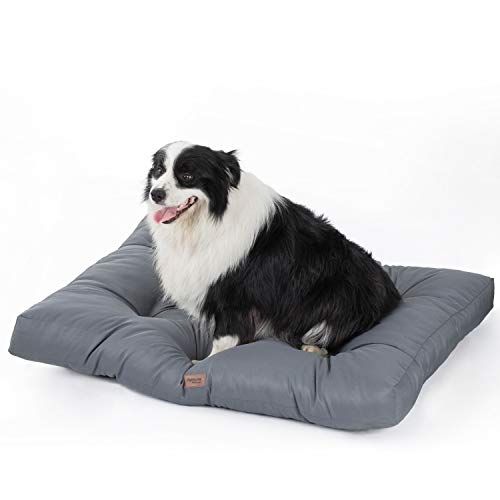
Designed for comfort, Bedsure beds are filled with premium microfiber in separate chambers and ultra soft reversible design. This pet bedding creates the ultimate place for your pet to rest and relax. The beds have a durable scratch-resistant surface and designed to resist water like dog sweat or urine.
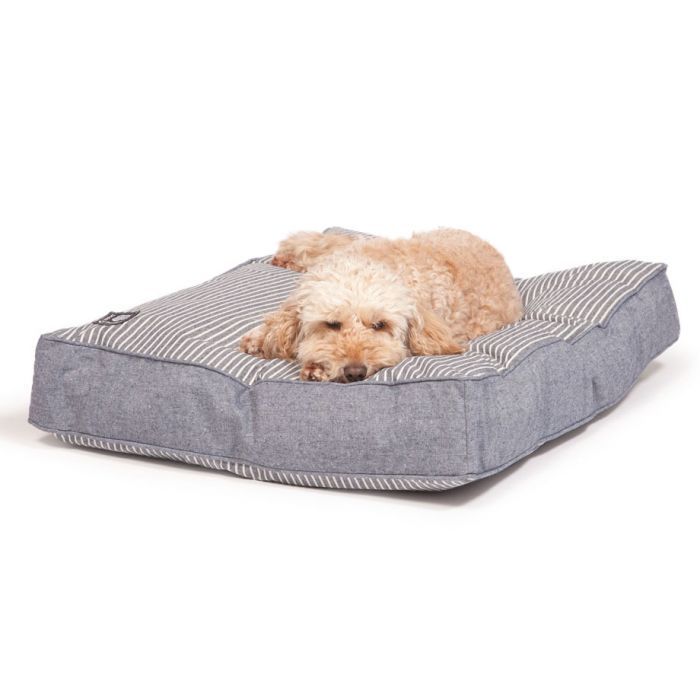
danish design Danish Design - Blue Maritime Box Duvet
This Danish Design Maritime Blue Box Duvet bed features combinations of linen look stripes and denim look textures in three relaxed colour-ways, all highlighted by a special nautical edition of the Danish Design embroidered paw.
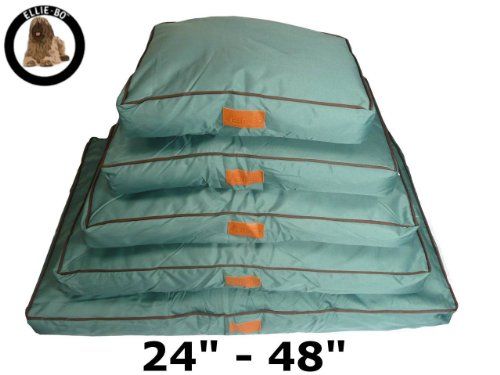
Ellie-Bo Waterproof Dog Beds in Green - Tailor made to fit cages and crates (34" - Fits 36" Large Dog Cage)
This Ellie-Bo Waterproof Dog Bed features a removable and machine washable waterproof outer cover made from Oxford weave. It also has a waterproof and breathable inner cover.
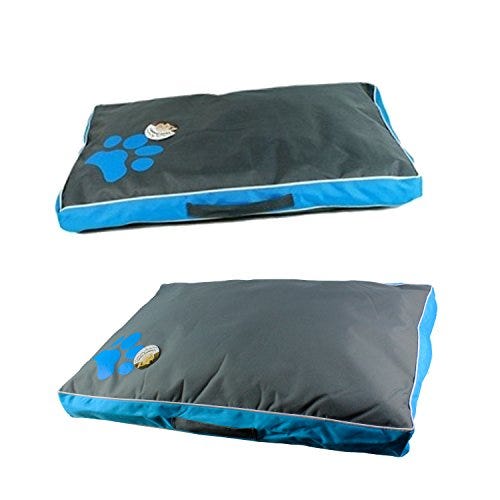
Guaranteed4Less Dog Bed Mattress Cushion Waterproof Double Sided Puppy Pet Pillow Mat Washable (Medium, Red)
This popular paw print pet mattress has a double sided waterproof pet cushion with carry handle and paw print motif. Both sides are waterproof but only one side has the printed motif. It has a zip fastening with removable cushion.
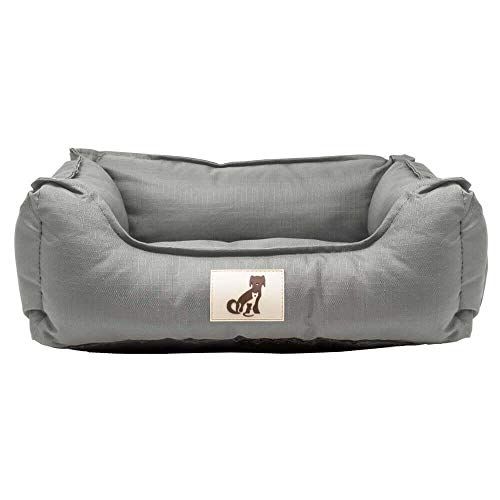
AllPetSolutions Dexter Beds Soft Waterproof Washable Hardwearing Basket Dog Bed (M, Grey)
The waterproof hard wearing Oxford fabric is easy to clean, highly durable and is suitable for dogs of all breeds and sizes. The bed cover zips off, making it easy to remove for cleaning. The cover is 100% machine washable. Non-slip backing, ideal for use on polished floors and tiles.
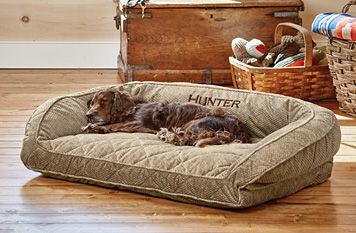
This Orvis bed has a soft quilted sleep surface, and a streamlined bolster make it comfortable for your dog. The ComfortFill-Eco cushion is made entirely from recycled plastic bottles and doesn't flatten or clump.
The three-sided bolster provides security and support for dogs who prefer a place to lean or rest their head, whilst the one open side makes this bed easy for dogs of all ages to get on and off. The upholstery-grade cover is as durable as it is incredibly soft. 100% polyester. Washable. Personalise with embroidery, up to 15 letters.
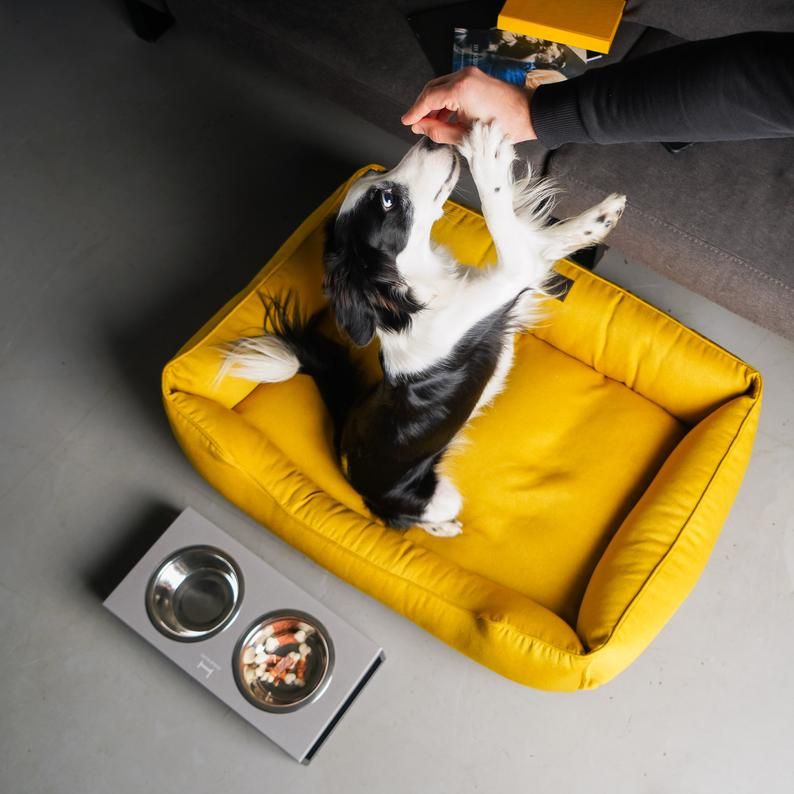
HarleyandCho YELLOW Dog bed with removable cover / bright dog nest MUSTARD / XS - Xxl size mat for dog, Gift for dog owners
This best-selling yellow dog bed comes with a machine washable removable cover. It's made of high-quality furniture fabrics, which allows your pet to feel very comfortable inside. Elastic pillows provide pets safety and comfort.
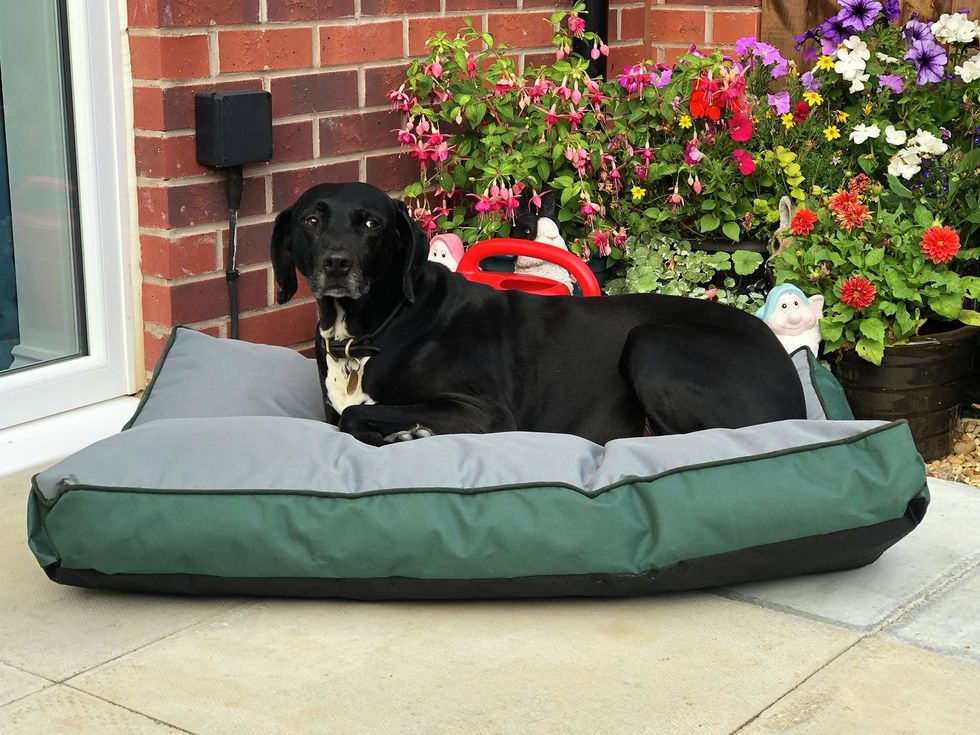
This waterproof pet mattress helps your dog relax and sleep comfortably by keeping them supported, warm and dry. The laminated fabric of the bed helps to repel water and although the bed is strong and durable, it is still comfortable for them to sleep or rest on. The removable cover and removable internal pad are both machine washable for when you need to clean it.
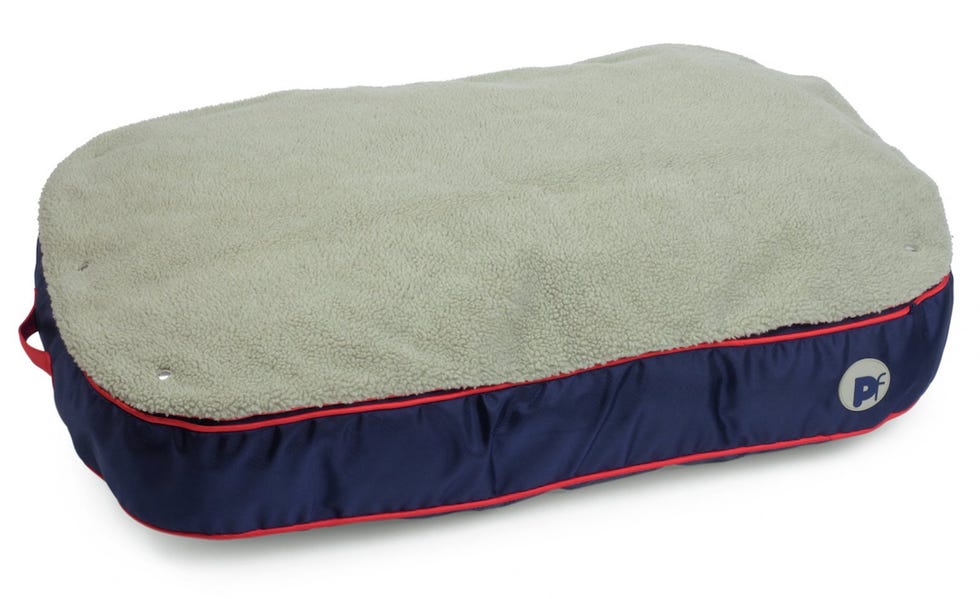
This Petface water resistant mattress is designed to help keep your dog's bed clean. It comes with a removable berber fleece top cover which you can easily take off and reattach with the poppers. The removable cover is machine washable and the wipe clean base makes cleaning super easy. The non slip backing helps to keep the bed still as your dog gets on and off.
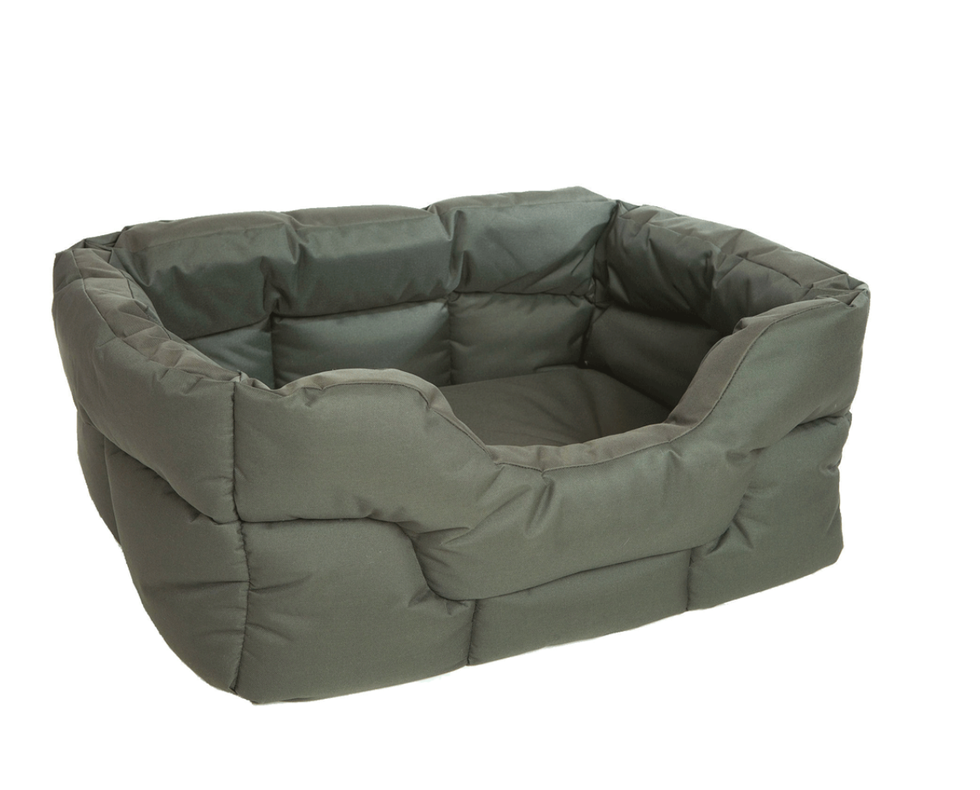
P&L Country Dog Tough Heavy Duty Rectangular High Sided Waterproof Dog Beds in 3 Sizes Medium, Large & XL/Jumbo
The ideal dog bed for country dogs who get wet and dirty on a regular basis. The tough, heavy duty, hard-wearing, 100% polyester, waterproof material is easy to keep clean. The thick base cushion is removable and the high walls of this bed are filled with bonded thermal polyester fibre to insulate your pet from the cold floor and keep it out of draughts.
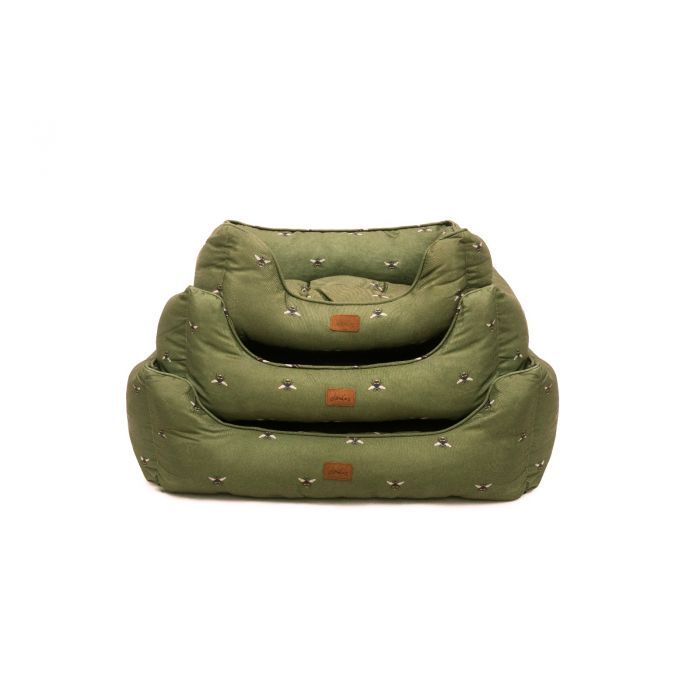
This dog bed is thickly padded on all sides to provide warmth and extra comfort with reversible cushions. It's also machine washable and has a non-slip base.
Like this article? Sign up to our newsletter to get more articles like this delivered straight to your inbox.SIGN UP
Lisa Joyner is the Deputy Daily Editor at House Beautiful UK and Country Living UK, where she's busy writing about home and interiors, gardening, dog breeds, pets, health and wellbeing, countryside news, small space inspiration, and the hottest properties on the market. Previously, she has written for Conde Nast Traveller, House & Garden and Marie Claire magazine. Lisa studied at University For The Creative Arts, where she completed a BA in Fashion Journalism.


