During a nationwide lockdown, routines change for both dogs and their owners so it's important to make sure our pets remain healthy and happy during this temporary new normal. We turned to advice from the Dogs Trust on what we should and shouldn't do with our dogs this winter, from walking to washing to indoor games.
Don't let people from outside your household touch your dog
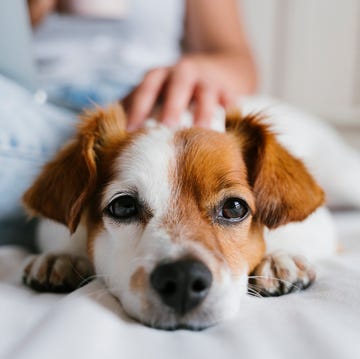
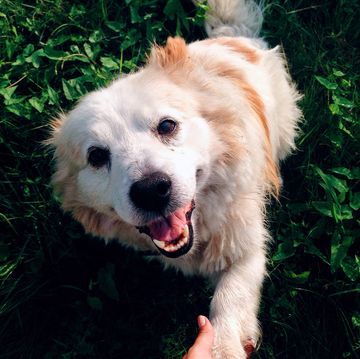
There is no evidence to suggest that dogs can catch or transmit COVID-19. However, the virus could be passed from person-to-person by touching a dog's fur, lead, collar or toys if they have been touched by someone who has the virus. It is important to not let other people pet your dog while you are out walking. Similarly, you should not touch other people's dogs, even if they belong to friends or family.
Don't wash your dog more regularly
This could aggravate their skin so stick to your normal grooming and shampooing routine. You can and should wipe down their lead, collar and accessories.
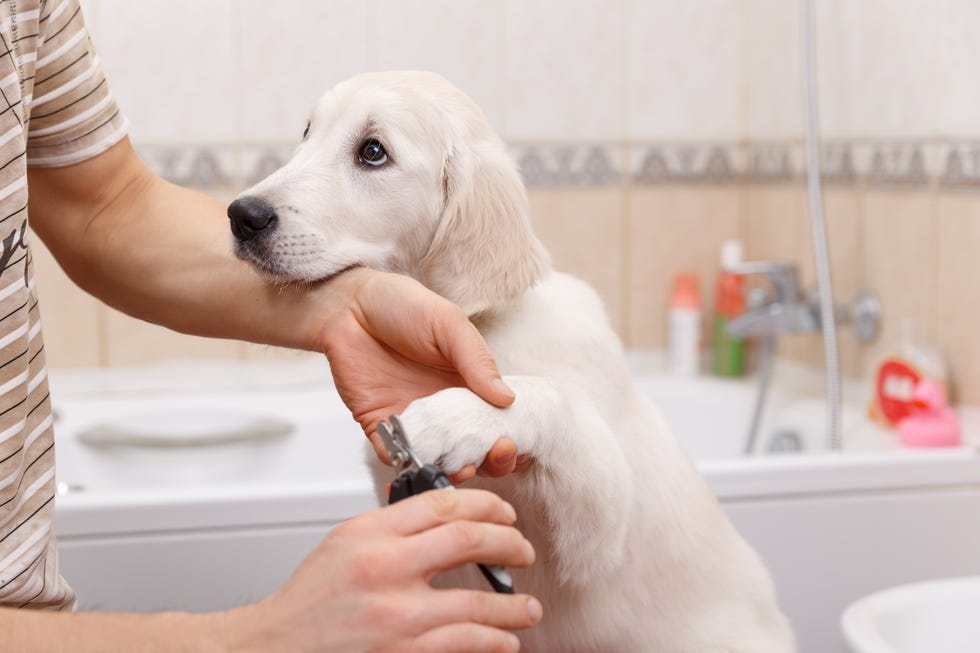
Learn how to groom your dog at home
Dog groomers will remain open during lockdown but the government emphasises that they should be used for urgent animals welfare needs as opposed to aesthetic reasons. Follow our step-by-step guide on how to groom your dog at home in the video above. It's a lovely way to bond with your pet. If in doubt, call a local dog groomer to ask advice before you begin. Read our full article on how to groom your dog at home here.

Keep dogs on the lead if they are likely to run off
To maintain two-metre social distancing, some common walking spots have a rule that all dogs must be kept on leads. In areas where the rule is not in place, you should still consider keeping your dog on a lead if they are likely to run up to other people or dogs.
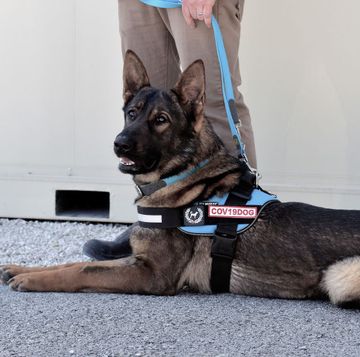
A harness is comfier than a collar for longer lead walks and you might want to take a few extra treats in case your dog becomes frustrated.
What to Read Next
Get them used to masks
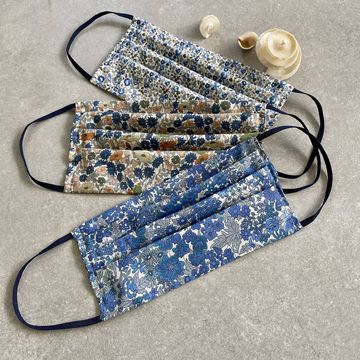
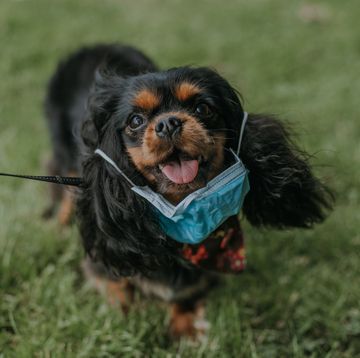
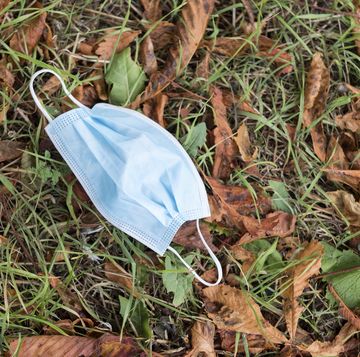
Masks can be confusing for dogs because they are so used to being able to read people's facial expression. The Dogs Trust have a brilliant guide on how to get your dog used to masks here.
Limit physical contact with your dog if you test positive
Even if a cuddle from your dog will make you feel better, it is important to isolate yourself as much as possible if you test positive for COVID-19 – and that includes from your dog.
Arrange alternative care or walkers if you need
If you are self-isolating or have tested positive and can't look after your dog, arrange for a friend or family member to look after them temporarily.
Dogs Trust say: "You should clean and disinfect anything you touch, including leads, harnesses, vehicles and door handles, and wash your hands before and afterwards. Make up a spare walking pack with poo bags, treats and toys for your dog walker to hold on to, so you don’t need to give them everything each time."
Use a professional dog walker if you need
Professional dog walkers can still work during lockdown but they have been asked to prioritise key workers and those who are shielding or vulnerable.


Only walk your dog locally
Lockdown restrictions mean that owners shouldn't travel more than five miles to exercise.
Make sure your dog is getting enough exercise
Lots of dog breeds need to be walked for over an hour a day to meet their exercise requirements – see our list below. Make sure you research how much exercise your dog needs. The PDSA recommends splitting the walk into several shorter sessions throughout the day so your dog doesn't get too tired. This would also enable one member of your household to go out with the dog at a time. If you live alone, perhaps your support bubble could help with walking.
Walk for one hour a day (on top of playtime)
- Staffordshire bull terrier
- Border terrier Bull terrier
- Saint Bernard
- Bassett hound
- Dogue de Bordeaux
- Tibetan terrier
- West Highland terrier
- Whippet
- Pug
- Cairn terrier
- Cocker spaniel
- Miniature schnauzer
- Miniature or toy poodle
- Shetland sheepdog
- English bulldog
- Shih tzu
- Beagle Greyhound
- Lhasa Apso
Walk for two hours a day (on top of playtime)
- Siberian husky
- Golden retriever
- Samoyed
- Alaskan malamute
- Border collie
- Boxer
- Dalmatian
- English springer spaniel
- German shepherd
- Labrador retriever
- Weimaraner
- Irish setter
- Rhodesian ridgeback
- Australian shepherd
Play indoor games
Another way to get exercise is to keep them busy and active with some games. Here's our round up of 8 DIY dog games using empty cardboard boxes and toilet paper tubes, great for indoors or in the garden.
Keep your dog warm on wintery walks
Us humans wouldn't go out without a coat, hat and gloves on the coldest of days of winter so we need to make sure our pets are just as protected. Here are a few suggestions:
Best dog coats, boots and accessories to keep them warm in winter
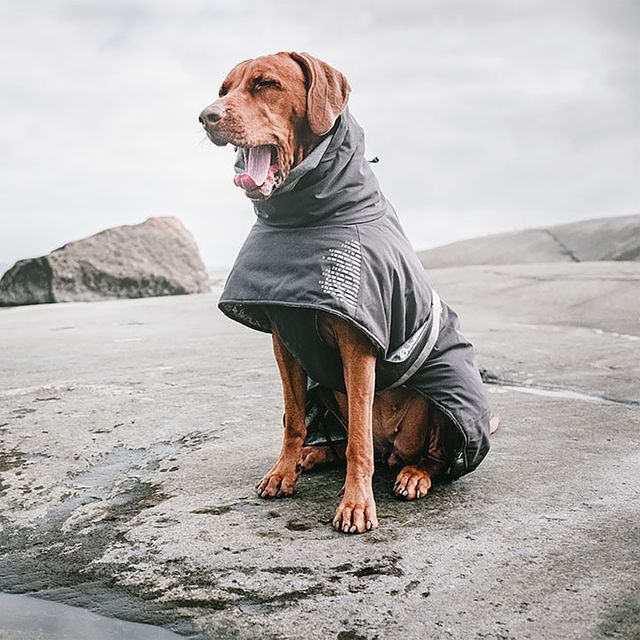
Hurtta Extreme Warmer Dog Coat
Winter adventures call for a seriously smart coat that can withstand even the coldest days.
Hurtta's is fully waterproof and lined with a special aluminium foil liner that reflects body heat back to keep your dog seriously snug. There's also a hood that reaches to their ears, along with reflective strips for safety after dark.
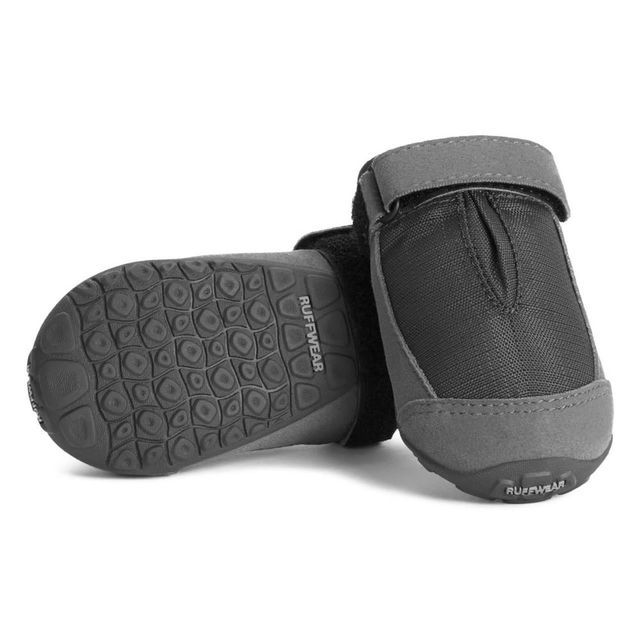
Ruffwear Summit Trex Dog Boots
Ice and grit can leave your dog with sore paws. These clever boots are lightweight enough not to bother them, but also provide protection from abrasive surfaces.
They keep moisture and debris out thanks to the weather-resistant ripstop upper, too.
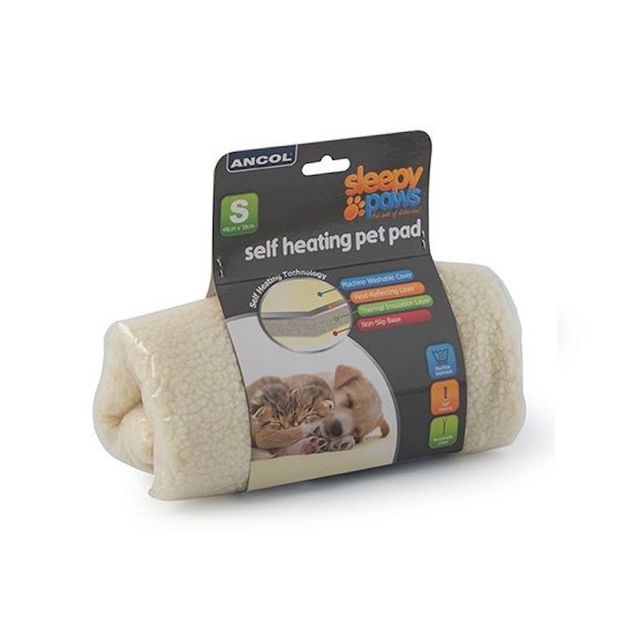
Ancol Self-Heating Pad
Cosy up in the car, or the sofa, with this clever self-heating pad. The thermal cover reflects your dog's heat back at them, while the fleecy cover is soft and comfortable.
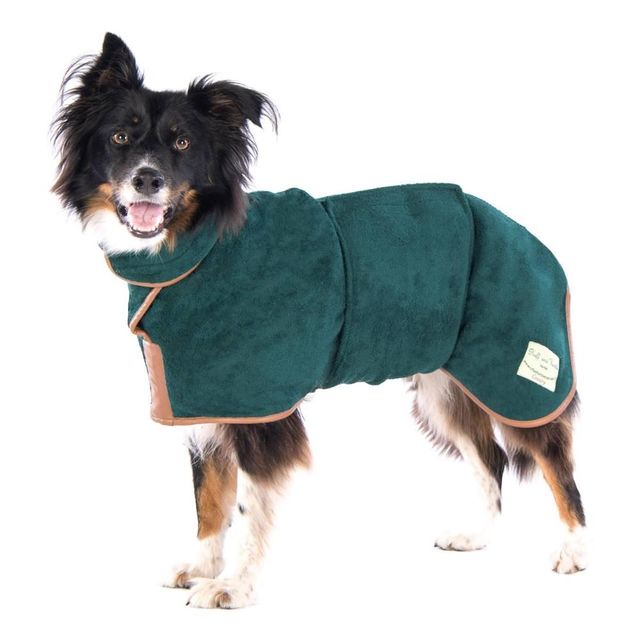
Ruff and Tumble Drying Dog Coat
Quickly dry off your dog after a rainy walk or swim with this super soft cotton coat which absorbs water fast. Available in six sizes, from XS to XL, it's also machine washable.
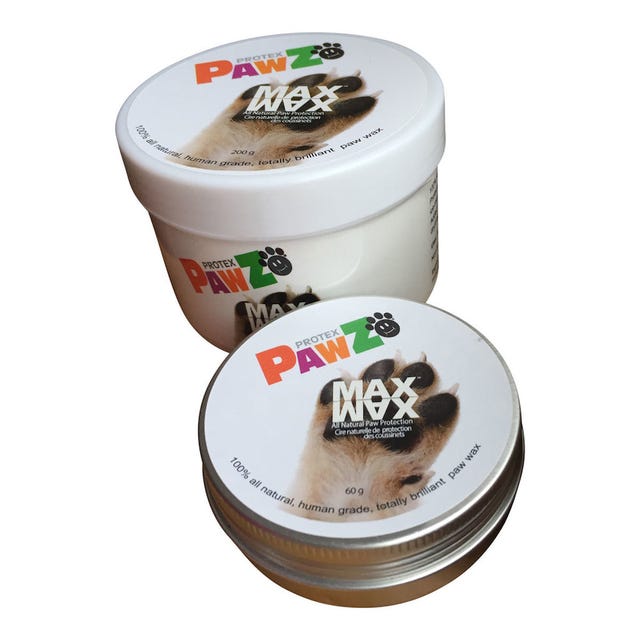
Pawz Max Wax
A year round essential that your pet will especially thank you for in the winter. This 100% natural wax is designed to protect against irritants on the ground, including grit and ice sticking between their toes.
Apply in the summer to defend against the fiery heat of the road and sand at the beach. Use daily for super soft, protected paws.
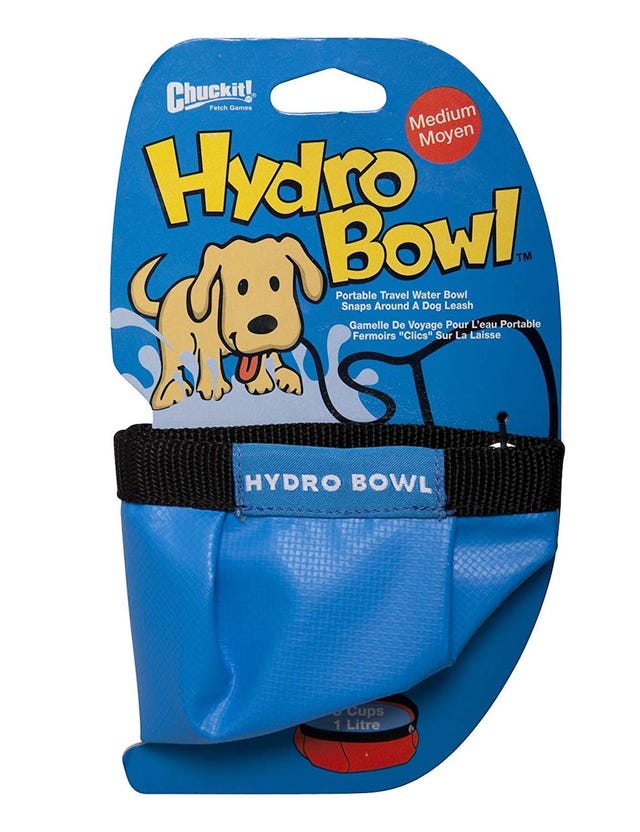
Canine Hardware Hydro Bowl
We might be surrounded by snow and ice, but keeping your dog hydrated is as important in cold weather as when it's warm.
This collapsable bowl can hold the equivalent of five cups of water. And it's small enough to fold up and fit in your pocket.
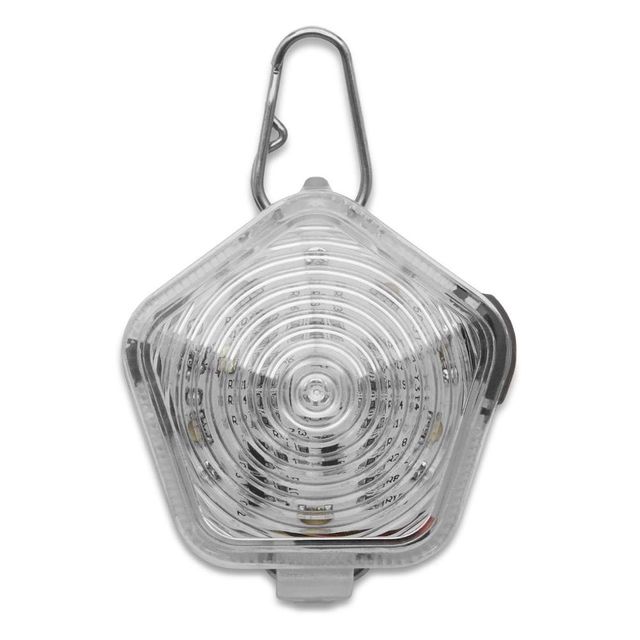
Ruffwear The Beacon Safety Light
Dark evening walks call for an accessory that'll keep you both safe.
Ruffwear's safety light attaches to your dog's collar, so they'll be seen by passing cars and walkers. It's fully chargeable via a USB too.
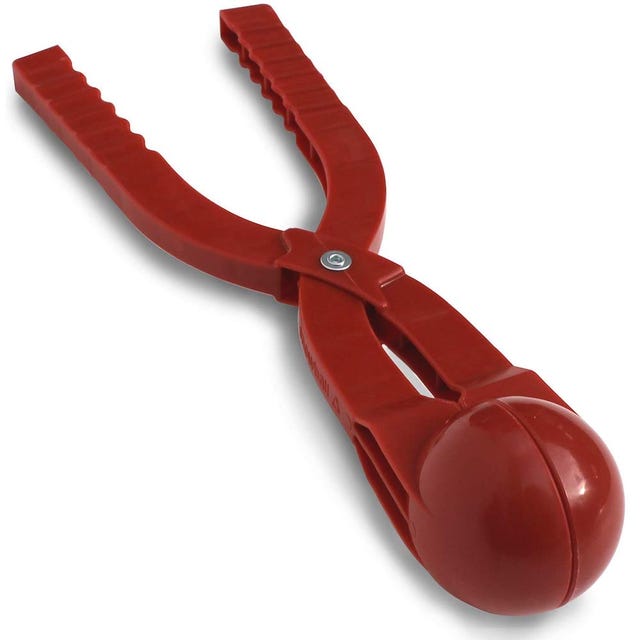
Flexible Flyer Snowball Maker
Now they're winter walk ready, it's time for a treat!
This clever gadget creates perfectly round snowballs they can chase in seconds. Much more fun than trying to find that lost tennis ball.
Like this article? Sign up to our newsletter to get more articles like this delivered straight to your inbox.
Emma-Louise Pritchard is the Membership Director for Country Living UK & House Beautiful UK, previously Executive Digital Editor for Country Living UK. Emma-Louise is a digital expert specialising in content strategy, social media and newsletters. Her topics include sustainability, homes and interiors, gardening, health and wellbeing, pets, travel and countryside news. She has previously written for Good Housekeeping and Cosmopolitan and has won several awards, from AOP Digital Editor of the Year 2019 to PPA 30 Under 30. Emma-Louise studied at Cardiff University where she completed an MA in Magazine Journalism.