

This week, the RHS announced that they will ban the use of floral foam from all of their garden and horticulture shows from 2021, in a bid to reduce their plastic waste.
The prestigious events, including the RHS Chelsea Flower Show and the RHS Hampton Court Palace Flower Festival, will no longer allow designers to use foam in their displays and the society is urging their florists to begin trialing other materials.
Floral foam is a synthetic plastic material, made using a combination of carbon black, formaldehyde and phenolic foam, among other elements. Not only are these substances unnatural and non-biodegradable, they are also toxic to humans, which is why plastic gloves are always essential when handling it.
Florists love floral foam for its durability. It's incredibly absorbent, malleable, lightweight and easy to incorporate into a design but, despite its usability, the new ban will be enforced after this year's shows are over.
Helena Pettit, RHS Director of Shows, said: "We are constantly monitoring and reviewing our working practices to make Chelsea and all RHS Shows as green as possible and minimise their environmental impact.


"Floral foam uses microplastics and is currently non-recyclable, with this in mind we have come to the decision to ban the use of floral foam at RHS Shows from 2021 and have asked that floral designers at RHS Shows this year to trial alternative products where possible."
We should all be inspired by this move from the RHS to stop using floral foam all together in our own homes, too. It's hard to safely dispose of and can seriously contaminate compost, garden waste and water when its fragments end up in the wrong bin.
So it's time to get creative when thinking about floral arrangements and find an alternative to floral foam. Here are some more eco-friendly suggestions:
- Use pebbles, sand, gravel or compact moss for support
- Use twigs to make a supportive structure for the flowers to attach to
- Use chicken wire at the base of a vase or planter to act as a supportive grate – cover with moss
More on Chelsea 2020:
- RHS Garden for Friendship: Garden to tackle loneliness to open at 2020 show
- RHS Chelsea Flower Show 2020: Theme, dates, tickets and show garden previews
- Inside Joe Perkins' The Facebook Garden: Growing the Future
Like this article? Sign up to our newsletter to get more articles like this delivered straight to your inbox.
10 best gardening gloves for thorns, nettles and pulling weeds
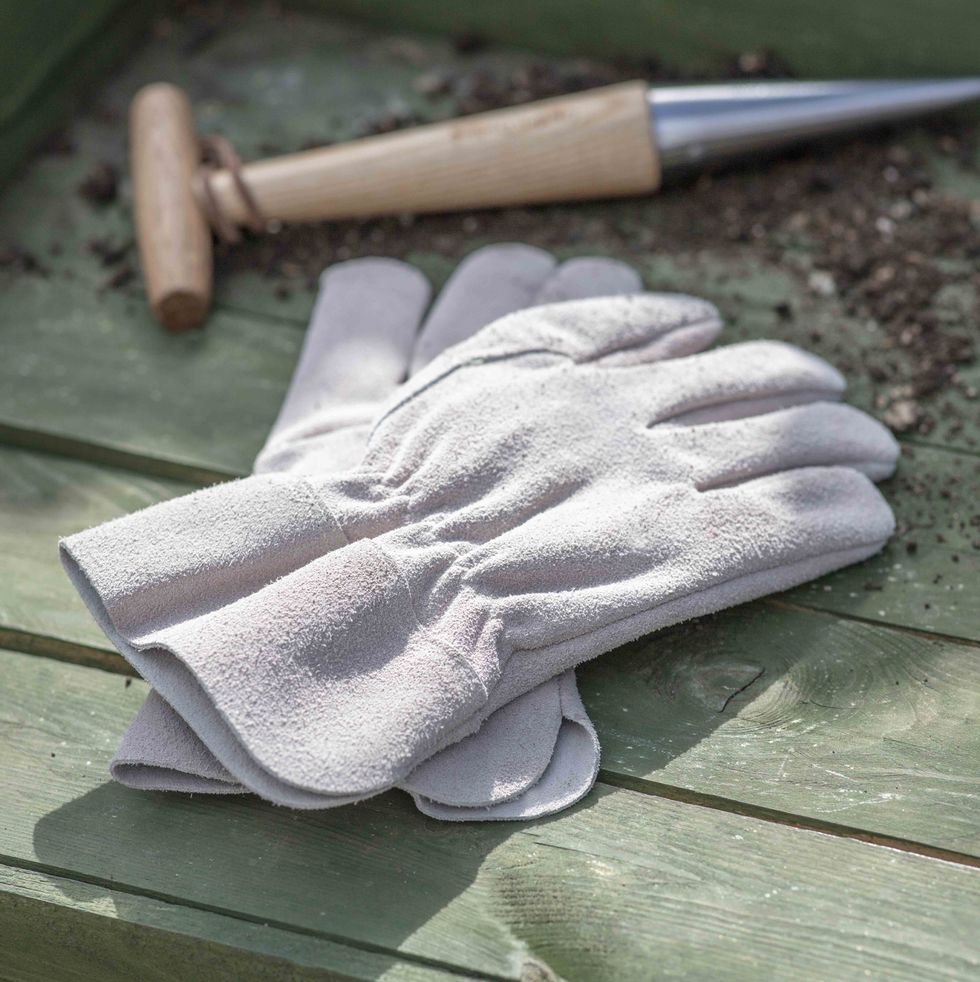
Garden Trading Garden Gloves
Pros
- Strong grip
- Soft and comfortable to wear
- Flexible

Cons
- Bulky

Gardeners with bigger hands will appreciate the room these suede gloves give around the palm and fingers. The grip is excellent, so you can use gardening tools confidently without fear of slippage, and they’re soft and comfortable to wear.
Although they flex well, they’re on the bulkier side, so we recommend using them for bigger jobs.
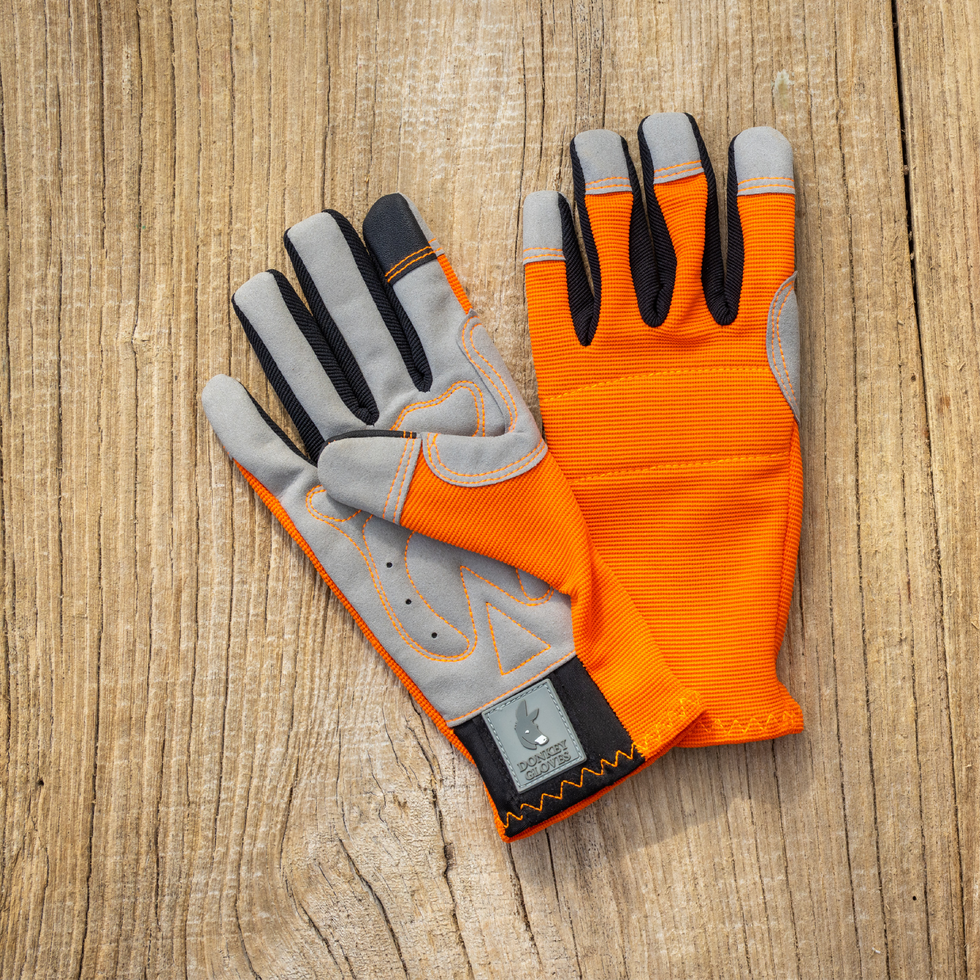
Sarah Raven Tough & Comfy Donkey Gloves
Pros
- Flexible and comfortable
- Cover wrists well
- Reinforced thumb gussets
Cons
- Not suitable for cold weather
These gloves are sturdy yet flexible, making them ideal for intricate tasks such as planting bulbs and repotting flowers. The padded palms and fingers are water-resistant so you can pick up wet leaves and debris, while the snug-fitting cuff stops soil from getting in.
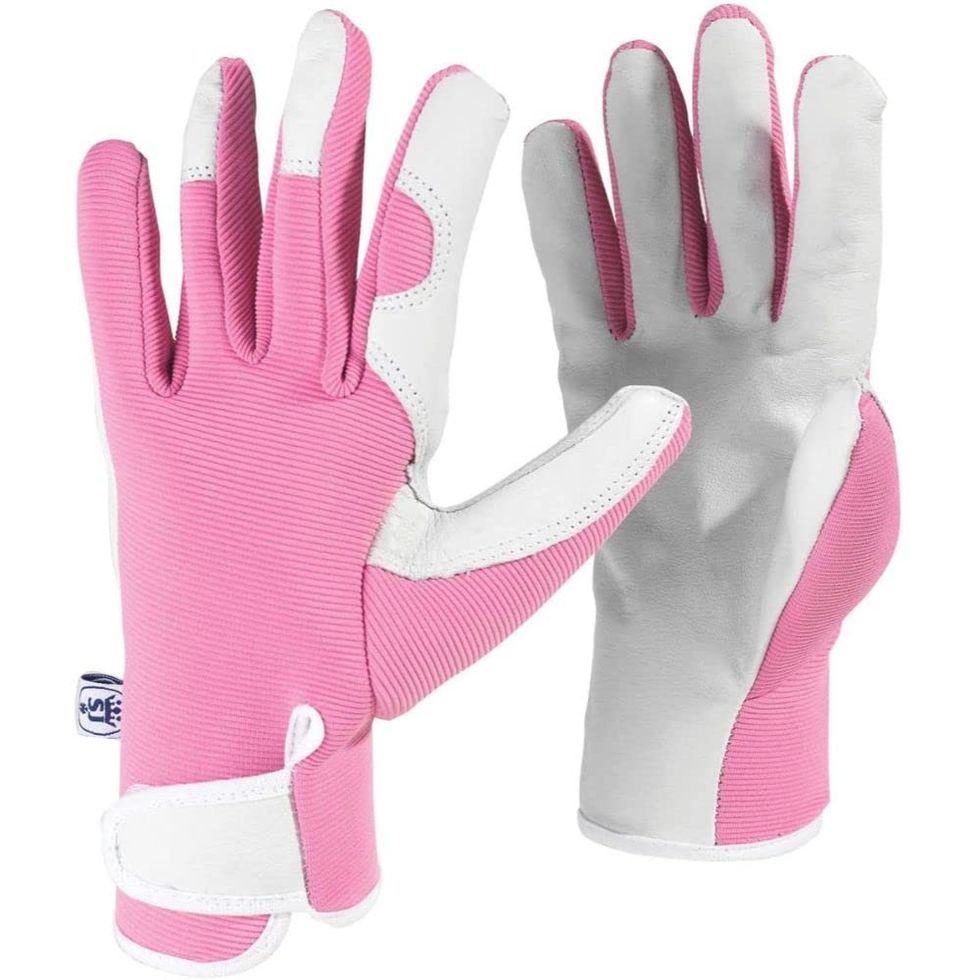
Spear & Jackson/Kew Gardens Gardening Gloves
Pros
- Flexible and comfortable
- Adjustable velcro strap
- Reinforced fingertips
Cons
- Not waterproof
These leather and spandex gardening gloves have reinforced fingertips and leather palms to keep thorns out. They do so successfully, but they aren’t waterproof, so keep them for clearing and pruning when it’s dry. The adjustable Velcro strap gives you the best fit too.
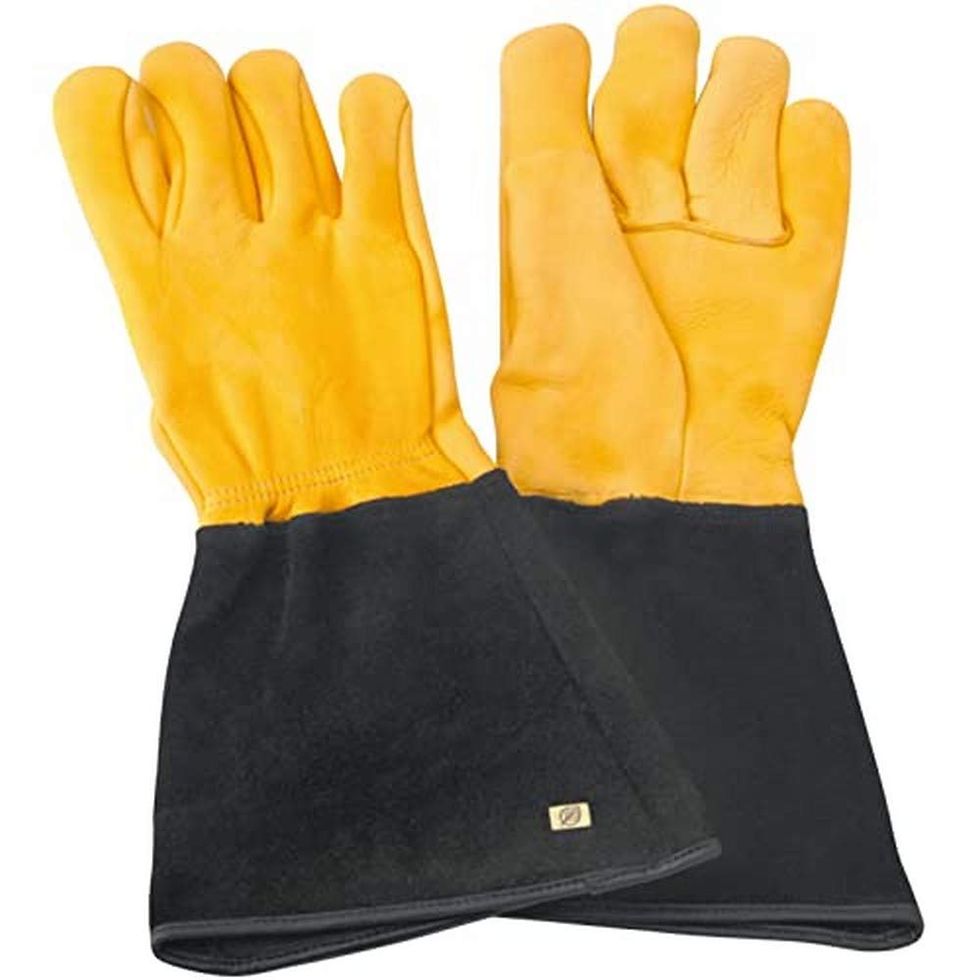
Gold Leaf Tough Touch Gloves
Pros
- Durable
- Grip well and feel secure
- Flexible and comfortable
Cons
- Difficult to clean
These leather and suede gloves keep forearms free from scratches, while the palms grip tools well and the fingers move easily enough to manage fiddly tasks like sowing and pruning.
Elastic keeps them securely fastened around the wrists and the lining is soft — but they're a pain to clean if you get them muddy which, let’s face it, you probably will!
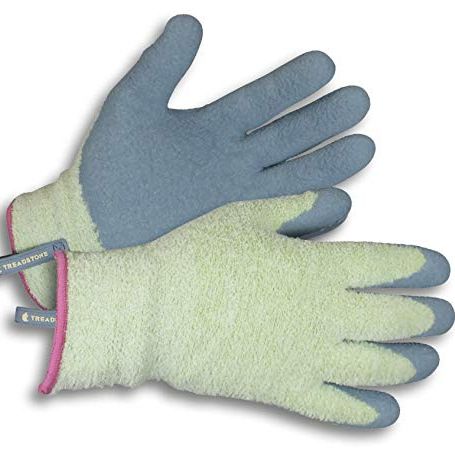
Clip Gloves 'So Comfortable' Gloves
Pros
- Strong grip
- Flexible and comfortable
- Cover wrists well
Cons
- Not waterproof
The strong grip on these gloves makes them ideal for harder grafts, but they’re also flexible enough for lighter tasks. They mould to the shape of your hand and cover your wrists well, but they're not waterproof and thorns may pierce them.
Still, they’re great all-rounders and as cosy as their name suggests.

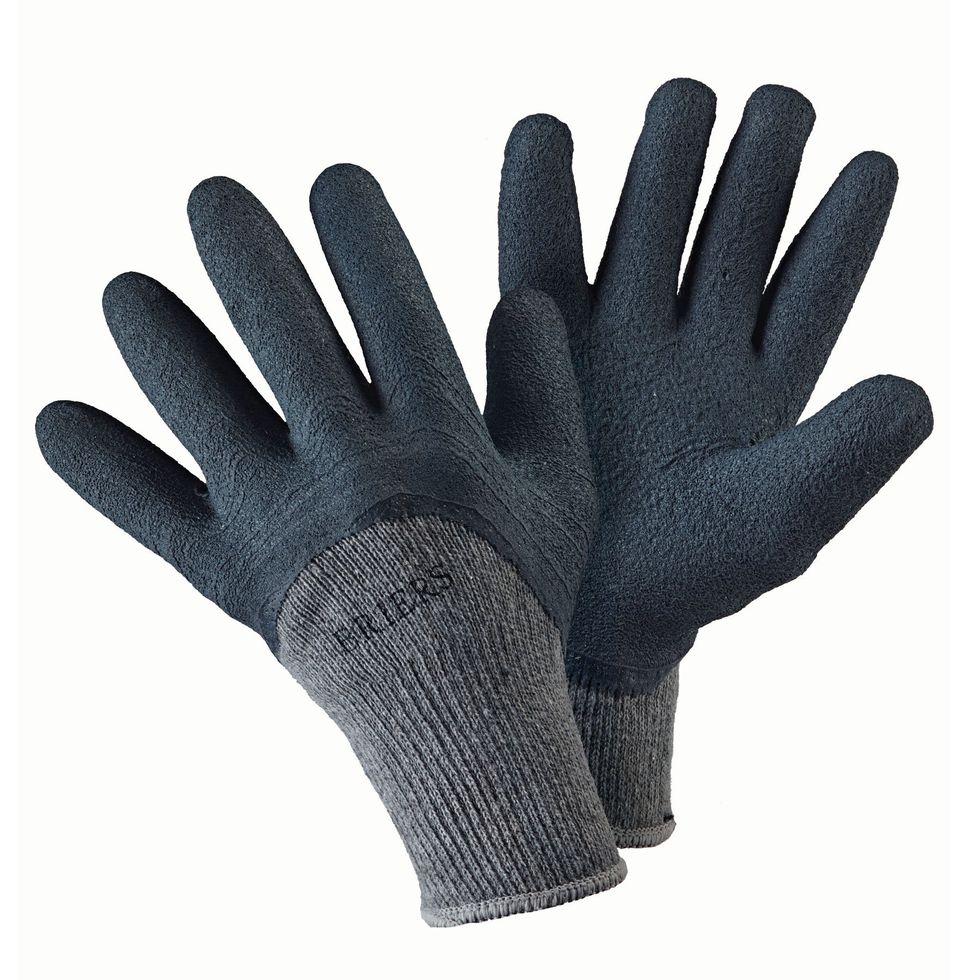
Pros
- Snug fit
- Good grip
- Flexible and comfortable
Cons
- Not thornproof
These unisex gloves have a sturdy grip thanks to their textured latex fabric, while elasticated cuffs give a snug, but not constricting, fit — they feel like a second skin.
The downside is that anything prickly easily pierces them, but they're a great spring/summer staple for everyday gardening jobs.
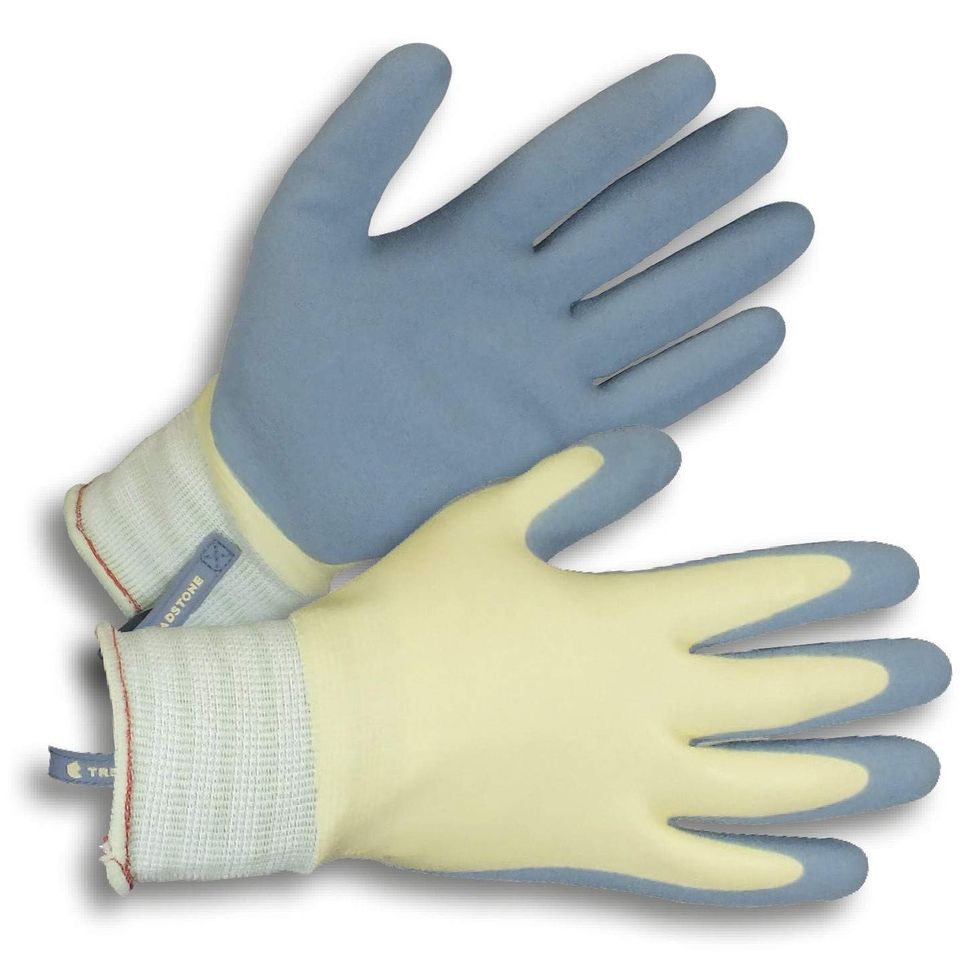
Pros
- Waterproof
- Good grip
- Soft and comfortable to wear
Cons
- Not suitable for cold weather
The name promises a lot, but these gloves live up to it. They’re fully waterproof — we submerged them in water to test this — so you can get stuck into some rainy gardening.
The grip is as good as the other ClipGloves on this list and the lining is soft, but you’ll want something thicker for winter.
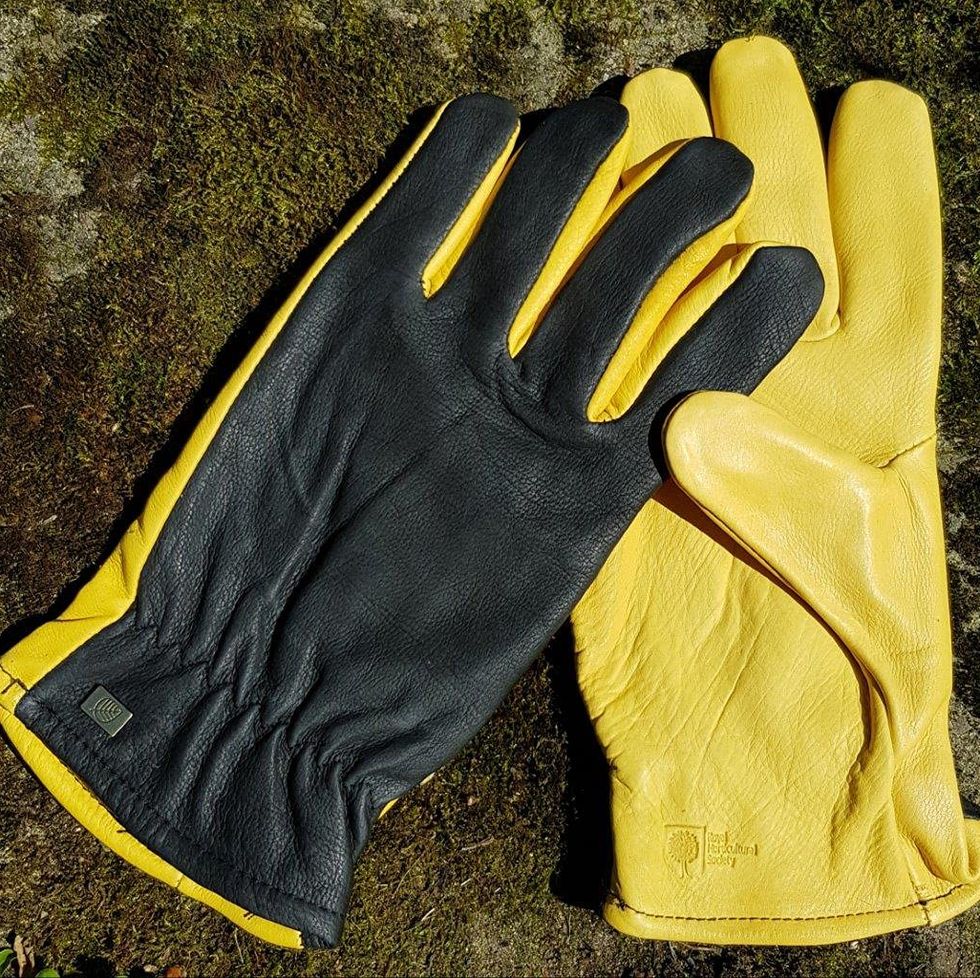
Gold Leaf RHS Dry Touch Gloves
Pros
- Waterproof
- Good grip
- Flexible
Cons
- May feel uncomfortable in hot weather
These fleece-lined leather gloves are a solid buy for the chillier months. Their grip and pliability are excellent, making them go-tos for both heavy duty and lighter gardening jobs. They stay firmly put thanks to elasticated wrists and are fully waterproof for comfortable use in all conditions.
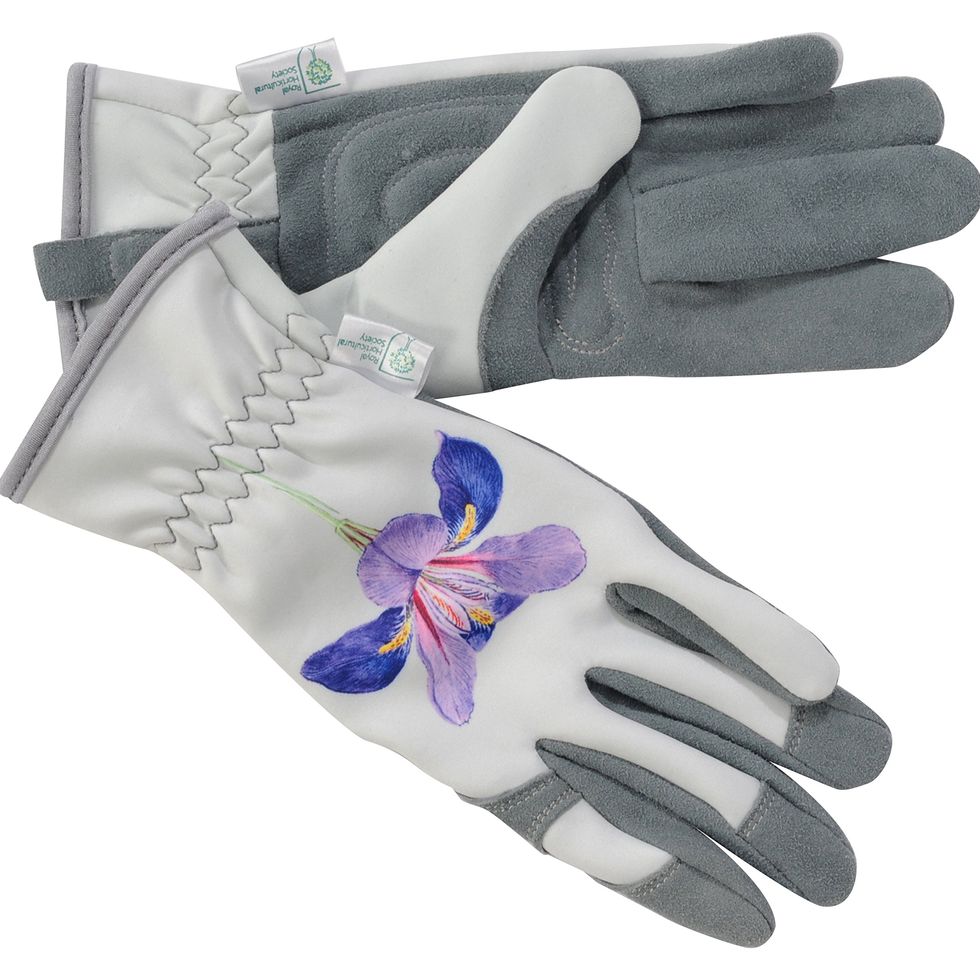
Gold Leaf RHS Gardening Gloves
Pros
- Comfortable to wear
- Secure fit
- Thornproof
Cons
- Not waterproof
These illustrated RHS gloves are beautiful but they’re not all style and no substance. Cushioned palms make using heavy tools comfier, and supple leather keeps the brambles at bay, though it does let in moisture.
Tapered cuffs help mould them securely to your hands but note that they only come in one size.
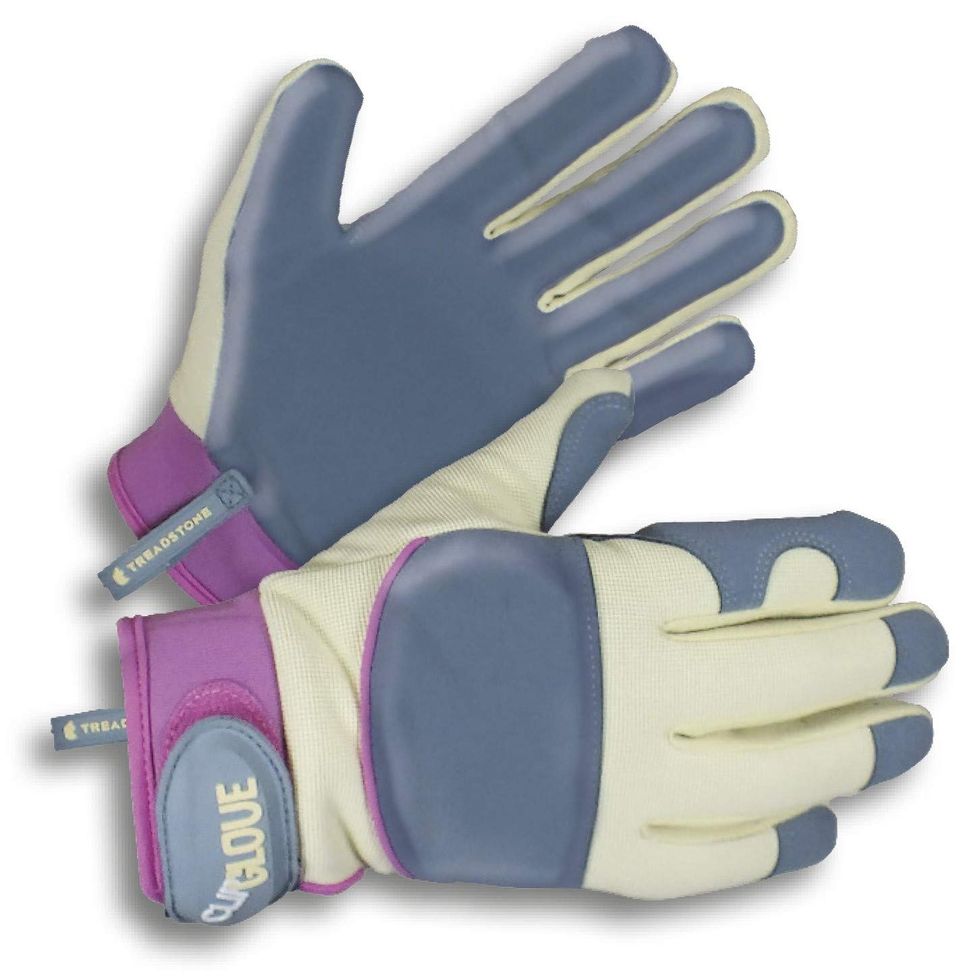
ClipGlovesGardening Leather Palm Gloves
Pros
- Thornproof
- Secure fit
- Suits light and heavy-duty tasks
Cons
- Difficult to clean
If you want one pair of gloves for all sorts of gardening jobs, this waterproof leather pair moulds well to hands and offers robust protection from prickles. Straps keep them in place during hard work and they’re warm, but the suede is a little tricky to clean.
Emma-Louise Pritchard is the Membership Director for Country Living UK & House Beautiful UK, previously Executive Digital Editor for Country Living UK. Emma-Louise is a digital expert specialising in content strategy, social media and newsletters. Her topics include sustainability, homes and interiors, gardening, health and wellbeing, pets, travel and countryside news. She has previously written for Good Housekeeping and Cosmopolitan and has won several awards, from AOP Digital Editor of the Year 2019 to PPA 30 Under 30. Emma-Louise studied at Cardiff University where she completed an MA in Magazine Journalism.


