
There's nothing quite like looking outside your window and seeing a vivid green lawn shining before you. What's less pleasant, however, is looking out onto that lawn and noticing an ugly brown patch lying on it.
If you are one of the unlucky ones who have stumbled upon this sight, your lawn may be diseased. Fusarium patch is particularly prominent in autumn and winter, and your garden lawn may be at risk.
The reason for this is partly due to the change in climate. Autumn's damp and mild weather, combined with the shorter days, creates ideal conditions for the disease to thrive.
If you would like to learn more about whether your lawn has Fusarium patch – and how you can stop it – read on…
What is a Fusarium patch and how can you tell if your lawn has it?


Fusarium patch, otherwise known as "snow mould," is a disease caused by the fungus Microdochium nivale. It has been given the nickname "snow mould" because it is often spotted after fallen snow has thawed.
First, it appears as yellow or brown patches in a lawn space. However, the disease can spread quickly. "These patches can grow and merge, sometimes showing a white or pink cobweb-looking mould in wet conditions," says Julian Palphramand, the Head of Plants at British Garden Centres.
How to control a Fusarium patch


Fusarium patch is a fast-spreading fungus and, if left untreated, it can damage the grass on your lawn. To control it, we asked Julian for his top tips on managing the disease.
Keep your lawn dry
When it comes to controlling Fusarium patch, you'll want to limit the amount of moisture on your lawn. "Rake out any dead material, keep the lawn as dry as possible, and avoid walking on wet grass," Julian says.
Julian also recommends trimming any overhanging shrubs and making sure there isn't a buildup of moss or thatch on your lawn.
Use low-nitrogen feeders
High nitrogen levels can exacerbate cases of Fusarium patch, and so in order to control the spread, Julian recommends gardeners use a "low-nitrogen lawn feed in autumn."
Instead of using nitrogen fertiliser, the Royal Horticultural Society advises using a "proprietary autumn lawn feed".


Make sure your grass is strong and healthy
To give your grass the best chance of fighting the fungus, Julian recommends "selecting grass seed bred to resist diseases."
"Regularly checking the soil's nutrient levels and feeding as needed will give the grass strength to fight off problems naturally," he says. "Good preparation and ongoing care help your lawn stay green and full of life in every season."
Don't panic
Spotting a Fusarium patch on your lawn can be disheartening, but there's not always reason to panic. "Most lawns will recover naturally in spring with a little extra care," Julian says.
He does warn, however, to keep an eye on your lawn if the fungus doesn't go away, as "persistent cases may need professional advice or a fungicide," he says.
16 great books for gardening and indoor plant inspiration
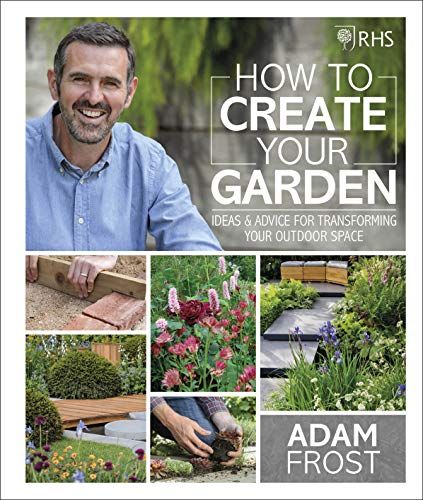
RHS How to Create your Garden: Ideas and Advice for Transforming your Outdoor Space
Adam Frost's practical, no-nonsense approach will help you plan and build a garden that works for you. The Gardeners' World presenter takes you step by step through the whole process, from simple garden design ideas to a full garden makeover.
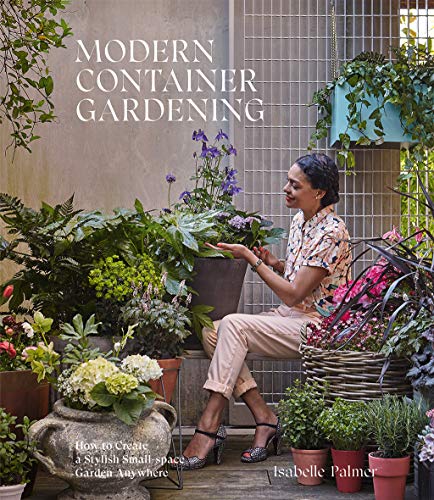
Modern Container Gardening: How to Create a Stylish Small-Space Garden Anywhere
Isabelle Palmer shows you how to make the most of every little space with a series of projects for small gardens, singular containers and window boxes, that can be completed in a day or weekend. Perfect for novice gardeners, Modern Container Gardening offers beautiful photography and clear step-by-step instructions.
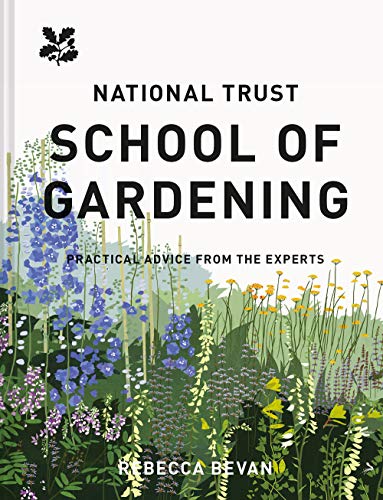
National Trust School of Gardening: Practical Advice from the Experts
The National Trust employs over 500 gardeners with an extraordinary wealth of expertise. And now, in this in-depth guide, they pass on their wisdom and provide the answers any new and seasoned gardener is looking for. This book is intended to give you inspiration and confidence to make the most of your garden, without being overwhelmed with unnecessary technical detail.
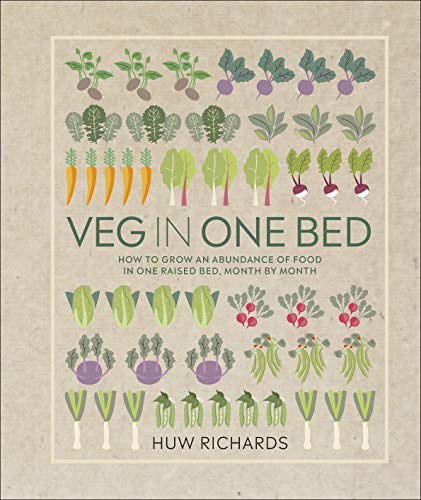
Veg in One Bed: How to Grow an Abundance of Food in One Raised Bed, Month by Month
Veg In One Bed explains how to build your bed and grow from seed, as well advice on planting, feeding, and harvesting. YouTube gardening star Huw Richards shows how to guarantee early success by starting off young plants on a windowsill and suggests what to grow in each part of the bed.
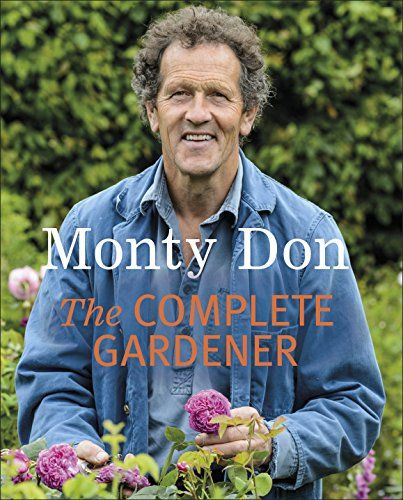
DK The Complete Gardener: A Practical, Imaginative Guide to Every Aspect of Gardening
Monty Don offers straightforward gardening advice in this book, revealing the secrets of growing vegetables, fruits, flowers, and herbs, while respecting the needs of the environment by gardening organically. You can also enjoy a tour of his Herefordshire garden, including his flower garden, herb garden, kitchen garden, and more.
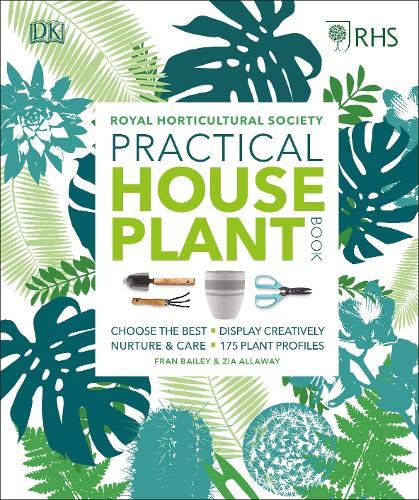
DK RHS Practical House Plant Book
The Practical House Plant Book by the RHS contains a dozen step-by-step projects to help you assemble an eye-catching terrarium, create a floating kokedama 'string garden', or propagate succulents. Complete with 175 in-depth plant profiles, this is an essential practical guide for indoor gardeners.
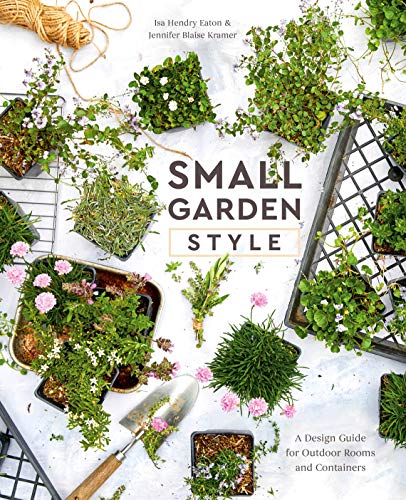
Ten Speed Press Small Garden Style: A Design Guide for Outdoor Rooms and Containers
A small garden space – an urban patio, a tiny backyard, or even just a pot by your door – doesn't have to sacrifice style. In Small Garden Style, garden designer Isa Hendry Eaton and lifestyle writer Jennifer Blaise Kramer show you how to use good design to create a joyful, elegant, and exciting yet compact outdoor living space.
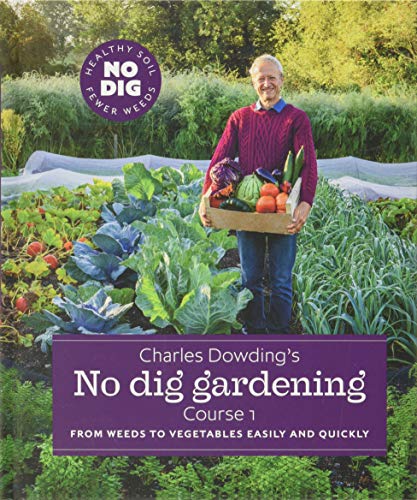
No Dig Garden Charles Dowding's No Dig Gardening: From Weeds to Vegetables Easily and Quickly: Course 1
Charles Dowding, innovator of no dig, teaches you everything you need to know about this method of organic gardening. With 19 chapters, you'll learn how to use no dig on different soil types, recognise and massively reduce the different types of weeds, know the difference between soil and types of compost, and grow an abundance of vegetables using the no dig method.
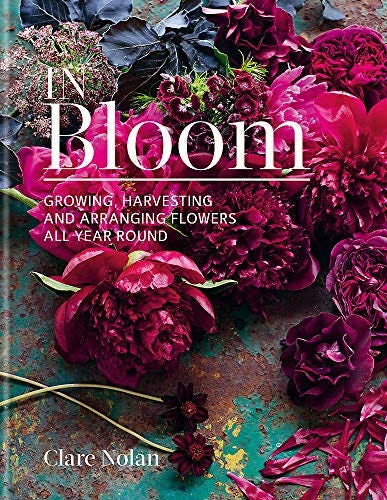
Kyle Books In Bloom: Growing, harvesting and arranging flowers all year round
Get all the inspiration you need for planting cut flowers, and fill your home with colour and the gorgeous scent of the garden year-round with In Bloom. Clare Nolan reveals her secrets for growing a bountiful harvest as well as styling spectacular homegrown displays in this beautifully designed book.
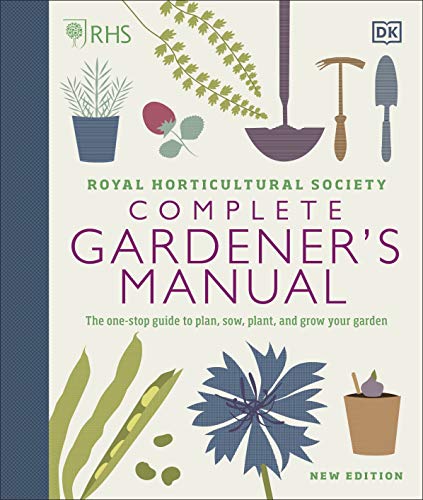
The RHS' Complete Gardener's Manual will help you choose plants that will thrive in your space, design a border for year-round colour, grasp different pruning techniques, discover how to protect your veg patch from pests, and make the best compost.
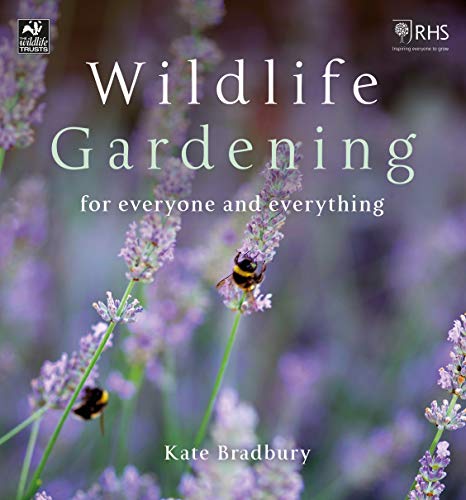
Bloomsbury Wildlife Wildlife Gardening: For Everyone and Everything
Do you want to attract more bees, birds, frogs and hedgehogs into your garden? In Wildlife Gardening for Everyone and Everything, Kate Bradbury teams up with the Wildlife Trusts and the RHS to help you discover how you can make your garden, balcony, doorstep or patio a haven for garden wildlife. You'll find handy charts, practical projects and fact files.
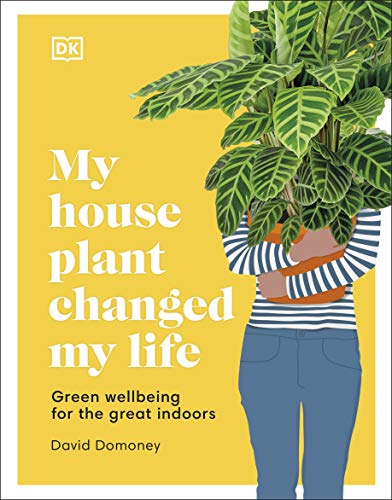
DK My House Plant Changed My Life: Green wellbeing for the great indoors
Gardener and TV presenter David Domoney is a firm believer that indoor plants can make 'a practical and emotional contribution to our wellbeing'. In this book, David explains the hard science behind the positive effect of the humble houseplant on wellness, and provides expert tips on how to keep your plants thriving, plus shares his top 50 life-enhancing houseplants.
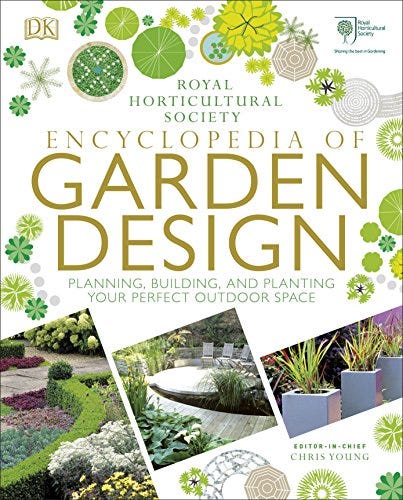
DK RHS Encyclopedia of Garden Design: Planning, Building and Planting Your Perfect Outdoor Space
If you're looking for new garden ideas, the RHS Encyclopedia of Garden Design will guide you from planning to planting, such as choosing the correct materials for your structures and assessing your drainage, to laying patios, making ponds, and planting perennials.
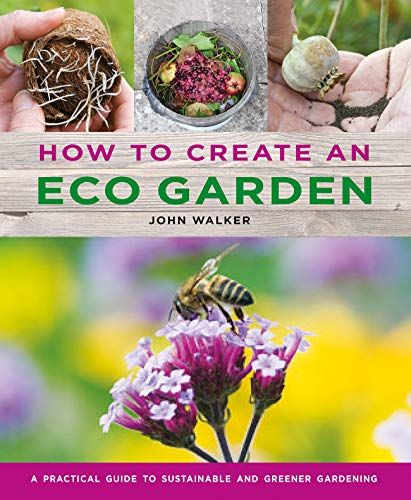
Lorenz Books How to Create an Eco Garden: The practical guide to sustainable and greener gardening
This planet-friendly book is filled with ideas for creating your own eco garden on any scale, from a small courtyard to a large garden or allotment. Discover organic techniques that improve biodiversity, learn the value of using recycled and reclaimed materials for landscaping, and take on simple projects such as making a pond and a wildlife hotel.
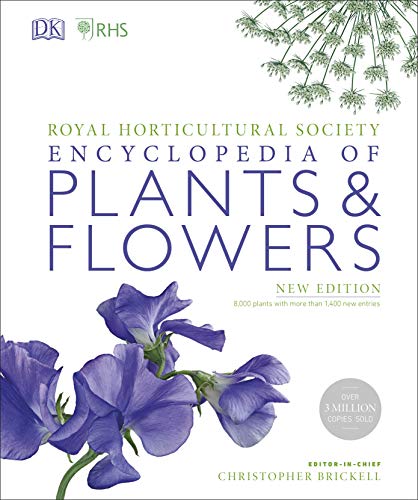
DK RHS Encyclopedia Of Plants and Flowers
Drawing on expert advice from the RHS, this best-selling reference book – organised by colour, size, and type, rather than as an A-Z directory – will help you select the right varieties for your outdoor space.
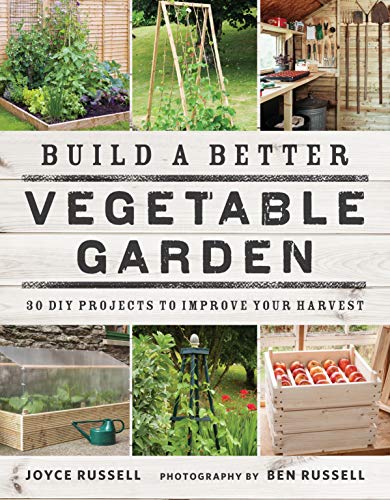
Frances Lincoln Publishers Ltd Build a Better Vegetable Garden: 30 DIY Projects to Improve your Harvest
Joyce and Ben Russell have devised 30 kitchen garden projects, devised to either extend the season, protect crops from pests or improve yields. These projects transform your vegetable plot into somewhere more productive, more attractive and more secure.
Liz Lane is Senior Writer for House Beautiful. Writing about everything from gardening tips and decorating trends to the symbolism behind Pedro Pascal's apartment in Materialists, she’s particularly interested in the intersection where style and pop culture meet. When she’s not working on digital pieces, she’s editing videos or writing for print. Liz has previously written for Red and Good Housekeeping, and she studied English at UEA and Oxford University.


