
While the companionship dogs provide can be priceless, caring for one involves a considerable financial commitment.
According to the veterinary charity PDSA, a dog’s minimum lifetime cost range from approximately £6,200 to £18,800, depending on its size, breed and lifespan.
Those expenses are becoming increasingly difficult for some households to manage. PDSA’s 2026 Pet Health Inequality Report found that 22% of UK pet owners considered pet ownership more expensive than they had expected, while two thirds said they would be unable to cover the cost of unexpected surgery.
To help budget-conscious pet lovers, The Insurance Emporium analysed the 30 most popular dog breeds it insures, and identified five of the most affordable dog breeds to own.
Why are some breeds more affordable?
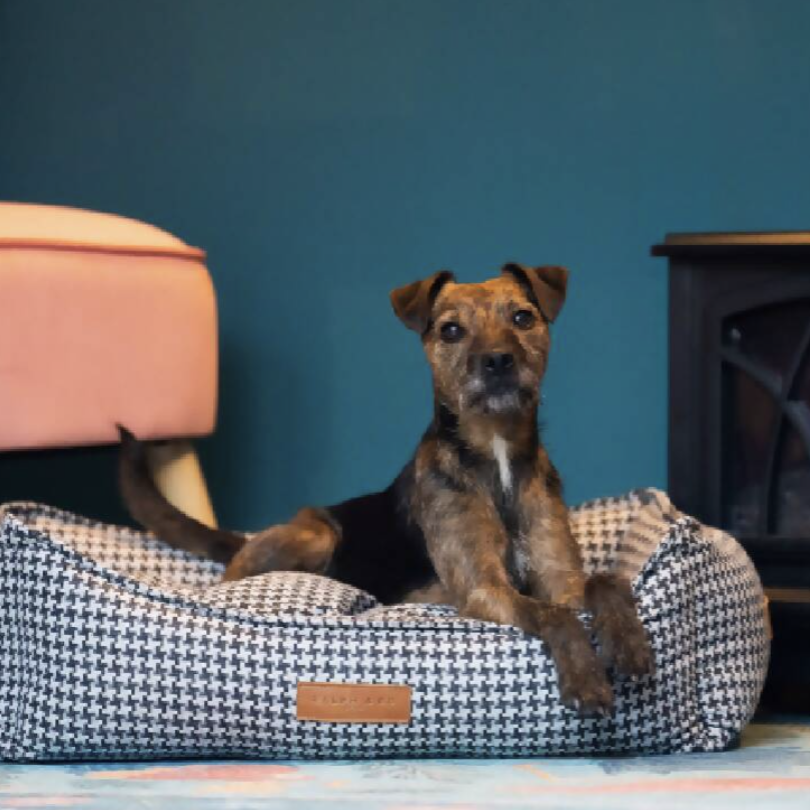
The size of your dog is the most reliable indicator of lifetime cost. Smaller dogs usually need less food and lower doses of expensive medication, while dog accessories such as crates, beds, harnesses and so on are all priced by size – so those dinky dog beds work out much cheaper.
Discover five of the most affordable dog breeds to own below.
What to Read Next
1. Jack Russell Terrier Crosses


Average cost to buy: £411.43
Annual cost of pet insurance: £94.98
Annual cost of pet food: £186.52
Total: £692.92
Topping the list are Jack Russell Terrier Crosses – such as the Jack-a-Poo (Jack Russell and Poodle), Jack-a-Pug (Jack Russell and Pug) or Jackshund (Jack Russell and Dachshund) – with first-year ownership costs estimated at £692.92.
Lifetime cost can vary considerably depending on the other breed in the mix. A Jack-a-Poo may require regular professional grooming because of its Poodle coat, while crosses involving Pugs or Dachshunds may inherit health concerns associated with those breeds.
2. Jack Russell Terrier


Average cost to buy: £429.81
Annual cost of pet insurance: £82.95
Annual cost of pet food: £186.52
Total: £699.28
The Jack Russell Terrier has the lowest insurance figure in the study and is also relatively inexpensive to feed because of its small size.
Its short coat is another potential money-saver. The Royal Kennel Club describes the breed as needing grooming around once a week, meaning many owners can maintain the coat at home rather than paying for a professional groomer.
3. Yorkshire Terrier


Average cost to buy: £543.82
Annual cost of pet insurance: £112.53
Annual cost of pet food: £85.26
Total: £741.62
The Yorkshire Terrier’s biggest financial advantage is its size. As a toy breed, it typically eats very small portions, which helps explain why its estimated annual food bill is less than half that of a Jack Russell.
Yorkies are also well suited to smaller homes and apartments without gardens.
4. Lhasa Apso


Average cost to buy: £518.03
Annual cost of pet insurance: £98.25
Annual cost of pet food: £173.19
Total: £789.48
The Lhasa Apso combines a comparatively moderate purchase price and insurance premium with the lower food requirements of a small dog.
Owners who are comfortable brushing, bathing and trimming their dog at home may avoid some grooming expenses, but those using a professional service will need to add this to their budget.
5. Shih Tzu


Average cost to buy: £612.44
Annual cost of pet insurance: £110.23
Annual cost of pet food: £149.21
Total: £871.88
Despite having the highest purchase price in the top five, the Shih Tzu remains relatively affordable. PDSA estimates that ongoing basic care for a Shih Tzu starts at around £50 per month after its purchase and initial set-up costs.
As with the Lhasa Apso, grooming is an important additional consideration. Shih Tzus have long coats requiring daily care, so owners may need to budget for professional grooming unless they can confidently maintain the coat themselves.

Dog Harness In Blue and Black Stripe S/M
Wanda Sachs is the Multiplatform Writer for Country Living and House Beautiful, exploring the latest in gardening, wildlife and sustainable living alongside interiors and property. She is particularly interested in human-interest stories, the intersection of design and pop culture, and the evolving relationship between urban and rural life. Previously, she served as Associate Editor at The Berliner in Berlin, where she reported on culture and fashion. Wanda studied English and German at the Goethe University Frankfurt and Exeter University.


