
Paris, Dubai, Switzerland: Poody the miniature poodle has more stamps in her passport than many humans. She travels the world alongside her devoted owners, Janelle and Peter.
The couple describes themselves as DINKWADs (that’s Dual Income No Kids With A Dog), a growing community of couples choosing to build their lives around dogs rather than children. “Poody is the centre of our universe,” product designer Janelle Tamayo tells Country Living.
DINKWADs currently make up nearly a sixth (15%) of dog owners in the UK, with almost half (42%) admitting to delaying parenthood in favour of their furry companions, according to research from Guide Dogs.


“We travel differently because of her,” says Janelle. "Ferries instead of flights, road trips over city breaks, slow routes over fast. She doesn’t just join our adventures — she shapes them."
While the term DINKs (Dual Income No Kids) has been around since the ‘80s, the acronym DINKWADs, originally coined by a New York Times journalist after observing a rise in financially comfortable couples opting out of having children, is the latest iteration of this child-free lifestyle trend.
Popularised on social media platforms such as TikTok, where couples showcase the perks of a child-free, dog-friendly lifestyle, the DINKWADs hashtag has amassed over 134 million views.
The idea of a modern family is constantly evolving, with couples like Janelle and Peter showing how a pet can be the heart of the family. We sit down with the DINKWADs who will do anything for their dogs.
Meet the DINKWADs
"Erik and I are a DINKWAD couple," says Railey Molinario, founder of RI (Relationship Intelligence), a programme to help couples strengthen their relationship. “It’s a deliberate choice, not something we fell into by default. Without children, we have the space to invest deeply in our relationship, our work, and our lifestyle."
Railey and Erik chose this way of life because they wanted freedom. They explain, "We wanted a life of travel, cultural immersion, and shared experiences — with the freedom and spontaneity that comes without the structure of raising a child."


The rising cost of parenthood, combined with stagnant wages, is undoubtedly another factor for many couples considering starting a family — but it’s not the defining narrative within the DINKWAD community.
For Janelle and Peter, financial constraints played a role in their decision to adopt Poody rather than have a child, but it wasn’t the main factor. "The financial reality of raising a child in the UK today is something every couple has to face honestly," Janelle explains.
"But for us, the decision was always about timing, intentionality, and making sure we were ready [for a child], not just financially, but emotionally. The cost of living sharpened the conversation, but it did not start it."
Amanda VanTassel, founder of No Hassle Dog Training, shares her dog Mabel with her partner. She echoes this statement, saying: "Cost was certainly a factor in not having kids, but I feel my lifestyle was the bigger reason I didn’t want to change."
Dedicated pet parents
Research from Guide Dogs found that pet parents treat their dogs like royalty: half (51%) say they choose a holiday or staycation somewhere they can take their dog, and 44% even prefer quality time with their pet over going out with friends.
"We celebrate her birthday every year without any embarrassment whatsoever," Janelle explains. "She has her own routines, her preferences, her favourite spots in the house. She is factored into everything. If we are visiting friends, doing something outside, or travelling, we think about her first."
Railey shares how Zion is cared for: "He's deeply loved and celebrated. We are attentive to his needs, his happiness, and his routine. We celebrate National Chihuahua Day and his birthday every year."


While the cost of living in the UK continues to rise, pet owners are actually spending more on their pets than in previous years, often prioritising their pets' needs, with 29% saying they would cut back on food to care for them, according to research from Vypr.
For DINKWADs, their dog also dictates big life decisions. "When we bought our three-bedroom home, we made sure she had a proper garden with real grass, not artificial turf, and access to green spaces for long walks," Janelle explains. "I made sure my job is fully remote. I genuinely could not imagine leaving her alone all day."
The selfishness myth
Despite being deeply personal, the decision not to have children often provokes strong reactions.
Child-free women and couples face continued criticism — from J.D. Vance's remark about "childless cat ladies" to online backlash accusing DINKs and DINKWADs of being smug, materialistic, or having a life lacking in depth.
"People think that it is selfish; that we’re opting out of responsibility," Janelle explains. "But we are choosing which responsibilities to take on and when. Choosing your own timeline is not selfishness — it’s self-awareness."
Amanda adds, “People think that we don’t really like kids. I love kids of all ages; I just didn’t want one of my own!”


Railey notes that a DINKWAD lifestyle is far from irresponsible: "It requires a high level of awareness, communication, and intentional decision-making. Choosing a life outside of traditional expectations means taking full responsibility for your choices and designing a relationship that is truly aligned.
"Society often has a fixed idea of what a fulfilled life should look like. We see it differently. A meaningful life is one that is consciously chosen."
The benefits of a DINKWAD lifestyle
This alternative version of parenthood can still be deeply fulfilling.
According to the Guide Dogs research, over three in four (77%) regard caring for a dog as one of life's most rewarding experiences, compared to becoming an aunt or uncle (29%) or getting promoted (25%).
There are obvious emotional benefits for DINKWAD couples, as well as a way to explore life through a different lens without children. Amanda says, "My favourite things to do with Mabel are bonding and cuddling, planning adventures to new places, going for walks and playing outside, essentially everything you'd do with a child. But I have a bit more control over when those things occur — no 7 am Saturday soccer games!"


Railey explains how having more freedom has enhanced her relationship with Erik: "In the end, it was never a choice between something good and something bad. It was a choice between two beautiful lives. We chose a life that lets us explore, grow, and fully enjoy this season together."
Beyond companionship, DINKWAD couples report strong emotional bonds and active social lives built around shared pet care. But are there things a dog can offer that a child cannot? For Janelle, it’s a feeling of unconditional love.
"No matter what kind of day it has been, no matter the mood you come home in, Poody is always happy to see us," she explains. "Genuinely, tail-waggingly, spinning-in-circles happy. Children grow into their own people; they push back, they test you. But there is something quietly restorative about a love that never has an off day."
What emerges from life as a DINKWAD is that nothing is lacking or incomplete about building a family around a dog. In fact, all of our DINKWAD couples explained their strong paternal feelings towards their pets.
"My dog and cat are like my children," Amanda concludes. "Though I've had plenty of parents tell me raising a dog is harder — they’re perpetual toddlers!"
12 easy-to-clean waterproof dog beds
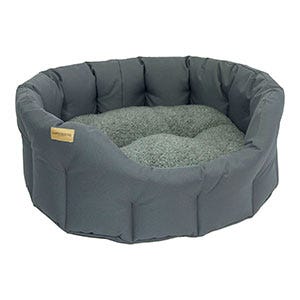
The Earthbound Classic Waterproof Dog Bed is the ultimate in hard-wearing dog luxury, featuring a premium heavy duty waterproof polyester outer, while the removable (and reversible) inner cushion features waterproof polyester on one side and a soft sherpa on the other, making this the perfectly practical cosy spot for you dog to rest after an adventure outdoors. The Earthbound Classic Waterproof Dog Bed is machine washable at 30 degrees, for easy removal of muddy paw prints and odours.
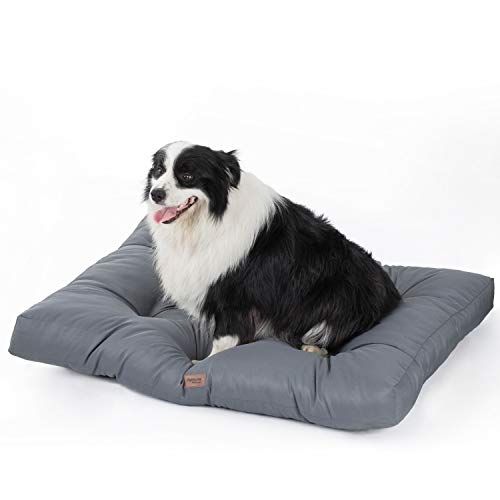
Designed for comfort, Bedsure beds are filled with premium microfiber in separate chambers and ultra soft reversible design. This pet bedding creates the ultimate place for your pet to rest and relax. The beds have a durable scratch-resistant surface and designed to resist water like dog sweat or urine.
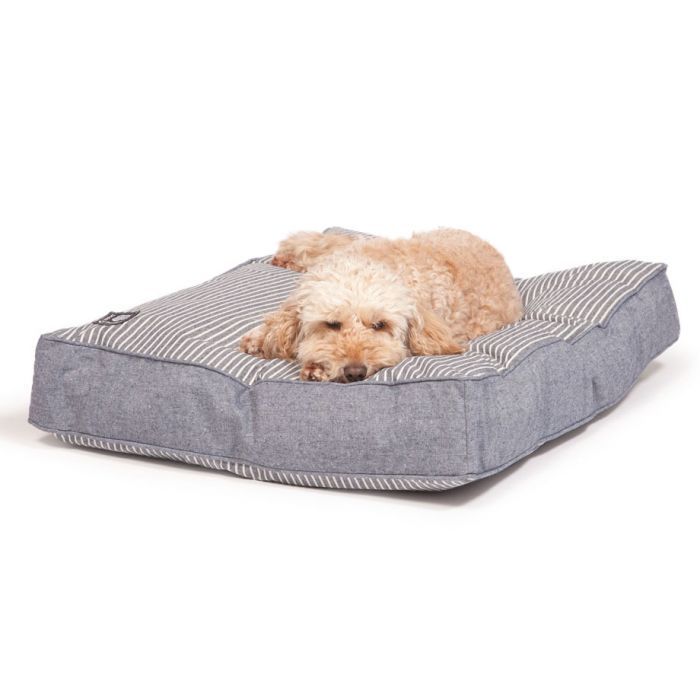
danish design Danish Design - Blue Maritime Box Duvet
This Danish Design Maritime Blue Box Duvet bed features combinations of linen look stripes and denim look textures in three relaxed colour-ways, all highlighted by a special nautical edition of the Danish Design embroidered paw.
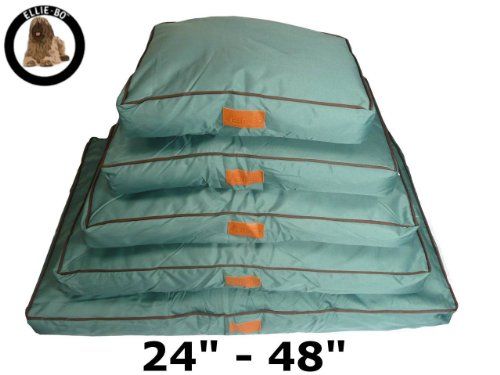
Ellie-Bo Waterproof Dog Beds in Green - Tailor made to fit cages and crates (34" - Fits 36" Large Dog Cage)
This Ellie-Bo Waterproof Dog Bed features a removable and machine washable waterproof outer cover made from Oxford weave. It also has a waterproof and breathable inner cover.
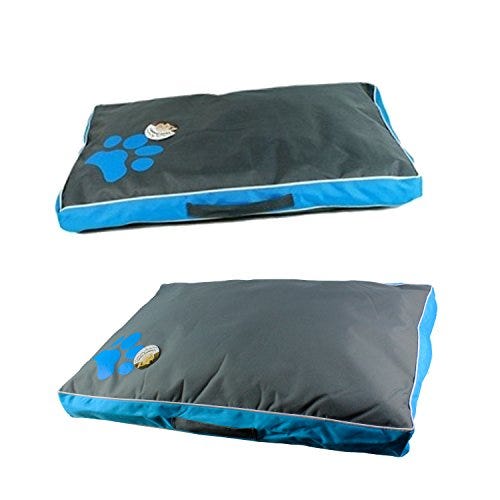
Guaranteed4Less Dog Bed Mattress Cushion Waterproof Double Sided Puppy Pet Pillow Mat Washable (Medium, Red)
This popular paw print pet mattress has a double sided waterproof pet cushion with carry handle and paw print motif. Both sides are waterproof but only one side has the printed motif. It has a zip fastening with removable cushion.
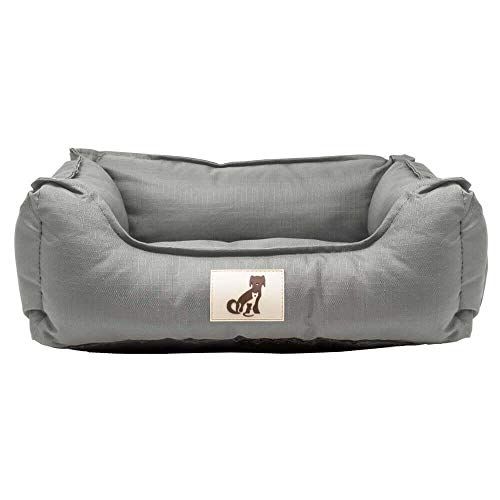
AllPetSolutions Dexter Beds Soft Waterproof Washable Hardwearing Basket Dog Bed (M, Grey)
The waterproof hard wearing Oxford fabric is easy to clean, highly durable and is suitable for dogs of all breeds and sizes. The bed cover zips off, making it easy to remove for cleaning. The cover is 100% machine washable. Non-slip backing, ideal for use on polished floors and tiles.
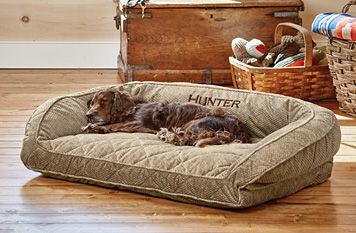
This Orvis bed has a soft quilted sleep surface, and a streamlined bolster make it comfortable for your dog. The ComfortFill-Eco cushion is made entirely from recycled plastic bottles and doesn't flatten or clump.
The three-sided bolster provides security and support for dogs who prefer a place to lean or rest their head, whilst the one open side makes this bed easy for dogs of all ages to get on and off. The upholstery-grade cover is as durable as it is incredibly soft. 100% polyester. Washable. Personalise with embroidery, up to 15 letters.
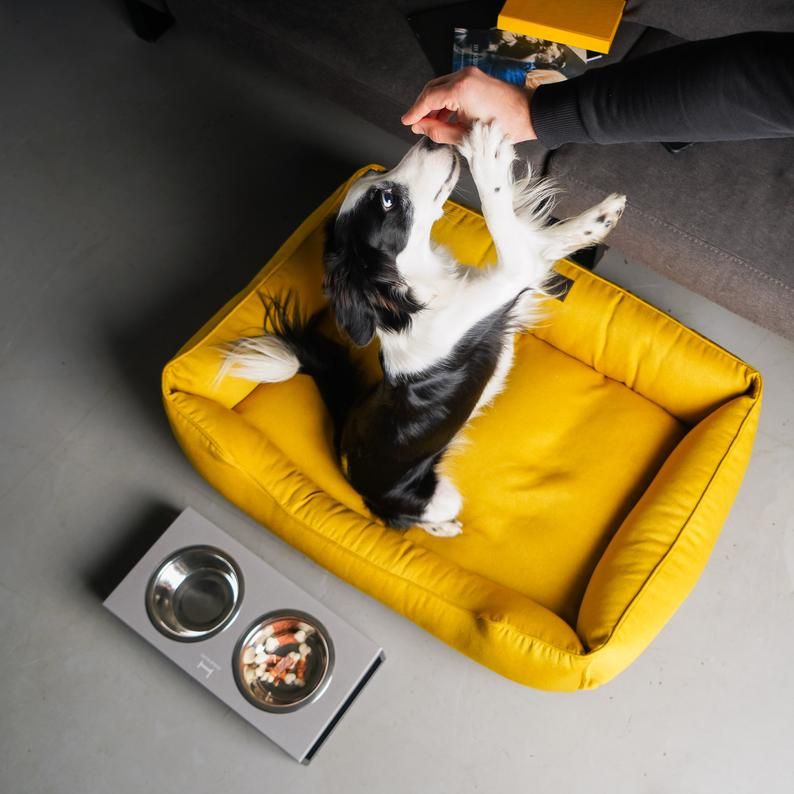
HarleyandCho YELLOW Dog bed with removable cover / bright dog nest MUSTARD / XS - Xxl size mat for dog, Gift for dog owners
This best-selling yellow dog bed comes with a machine washable removable cover. It's made of high-quality furniture fabrics, which allows your pet to feel very comfortable inside. Elastic pillows provide pets safety and comfort.
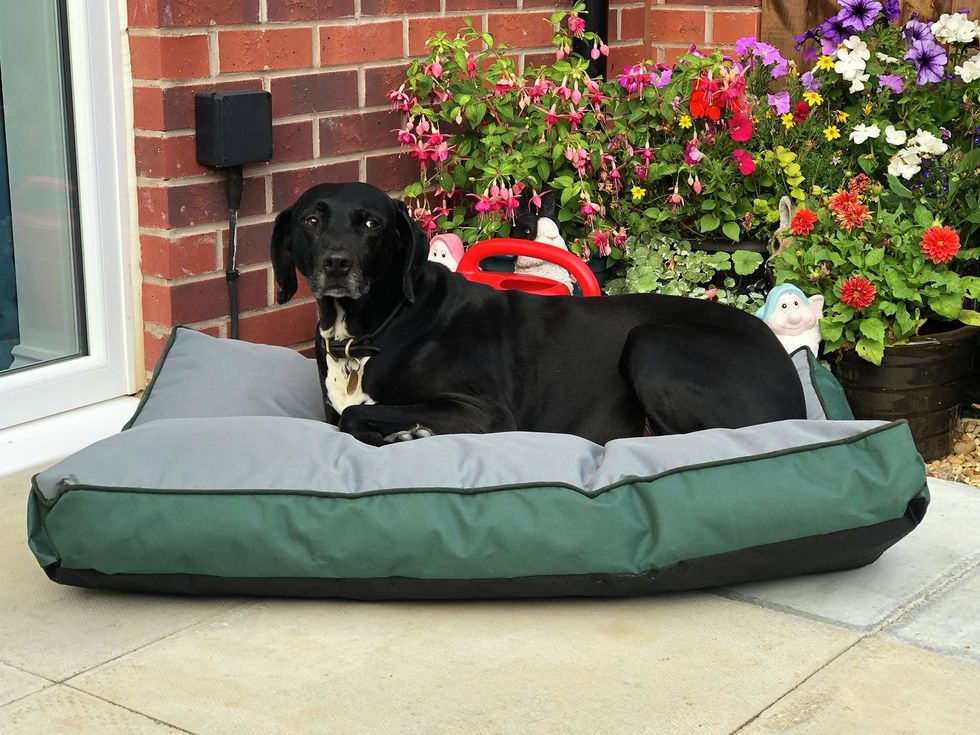
This waterproof pet mattress helps your dog relax and sleep comfortably by keeping them supported, warm and dry. The laminated fabric of the bed helps to repel water and although the bed is strong and durable, it is still comfortable for them to sleep or rest on. The removable cover and removable internal pad are both machine washable for when you need to clean it.
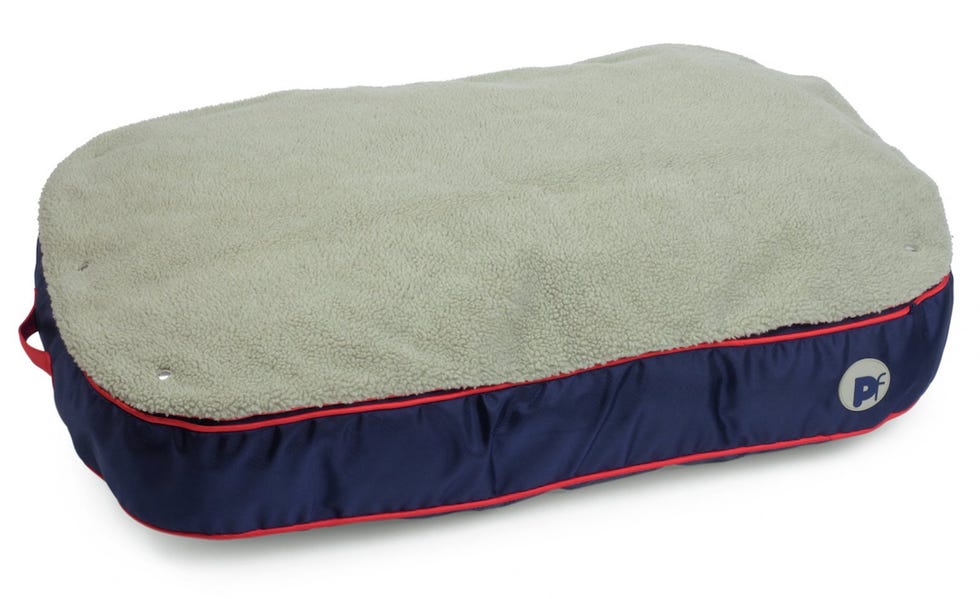
This Petface water resistant mattress is designed to help keep your dog's bed clean. It comes with a removable berber fleece top cover which you can easily take off and reattach with the poppers. The removable cover is machine washable and the wipe clean base makes cleaning super easy. The non slip backing helps to keep the bed still as your dog gets on and off.
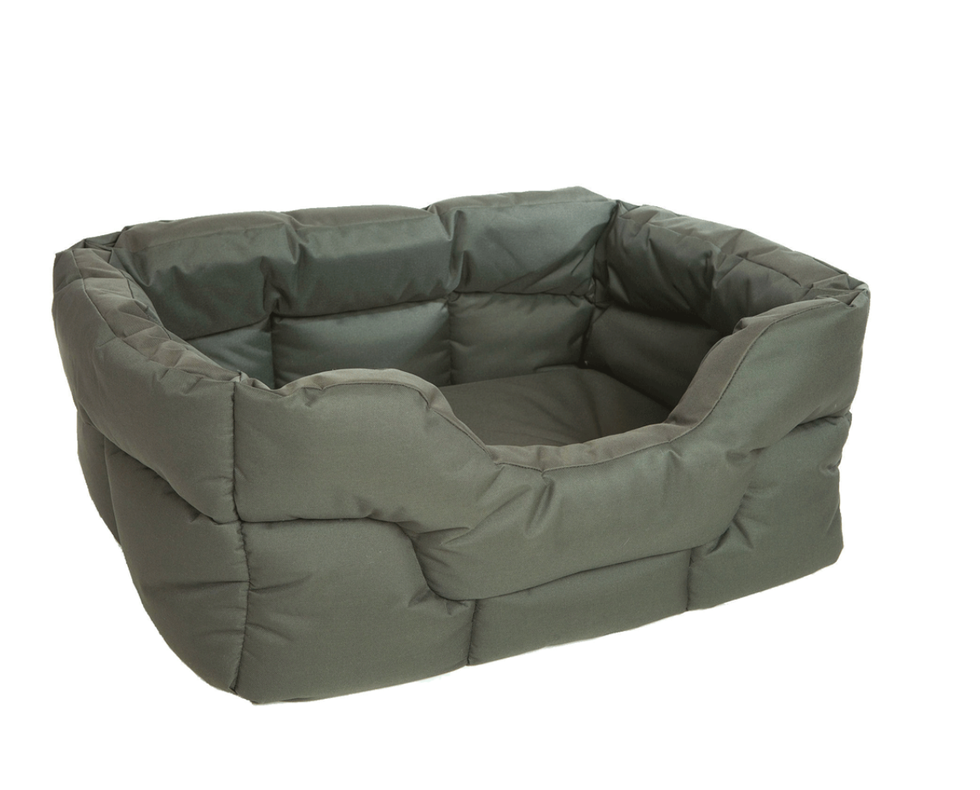
P&L Country Dog Tough Heavy Duty Rectangular High Sided Waterproof Dog Beds in 3 Sizes Medium, Large & XL/Jumbo
The ideal dog bed for country dogs who get wet and dirty on a regular basis. The tough, heavy duty, hard-wearing, 100% polyester, waterproof material is easy to keep clean. The thick base cushion is removable and the high walls of this bed are filled with bonded thermal polyester fibre to insulate your pet from the cold floor and keep it out of draughts.
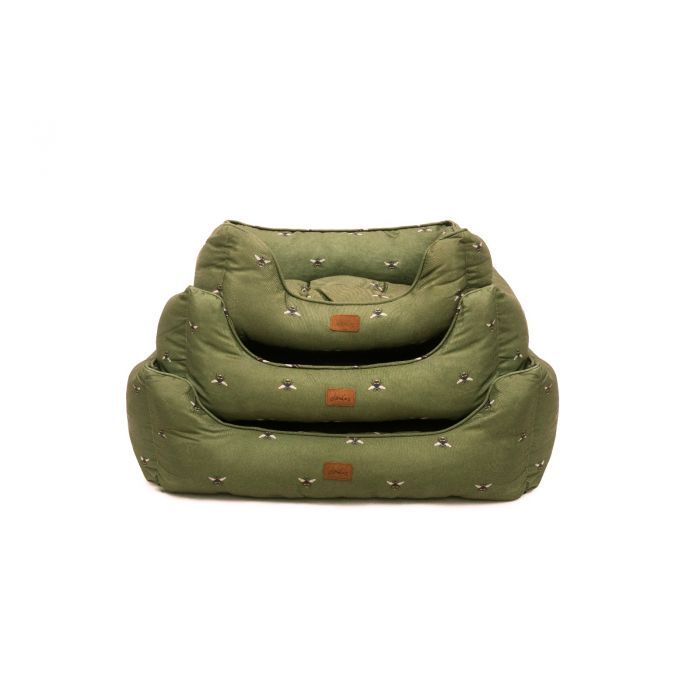
This dog bed is thickly padded on all sides to provide warmth and extra comfort with reversible cushions. It's also machine washable and has a non-slip base.
Like this article? Sign up to our newsletter to get more articles like this delivered straight to your inbox.SIGN UP


