
Vets are calling for a greater awareness around pet dementia, claiming that 85% of cases go undiagnosed.
According to Vets4Pets, one in four elderly dogs and one in three cats will develop dementia, with many owners unaware of how to spot the early signs. It might be more difficult to recognise in our furry friends, but there are lots of ways to help ageing animals navigate memory loss.
Dr Huw Stacey, an animal behaviourist and director of clinical services at Vets4Pets, told the BBC that it can be tricky to pick up on at a pet's yearly health check.
"They're the kind of behaviour changes that people can very easily attribute to just getting older," he said. "So if they're looking a bit disorientated or having accidents in the house, or they're up and restless at night, people think it's just part of getting old and there's nothing that can be done."
What is pet dementia?
Pet dementia, also known as Cognitive Dysfunction Syndrome (CDS), affects ageing pets. While pets can't get dementia in the way that humans can, CDS causes problems with their memory, confusion, anxiety and disorientation.
"There are lots of different factors that cause dementia in pets and it is associated with the build-up of certain proteins in the brain. Unfortunately there is no cure, but there has been great progress in research," the PDSA say.
"There are now medicines available that can help to reduce some of the symptoms and can slow the progression of the illness, so do ask your vet. You can help your pet too by keeping them fit and healthy, with plenty of games to keep their brain active."
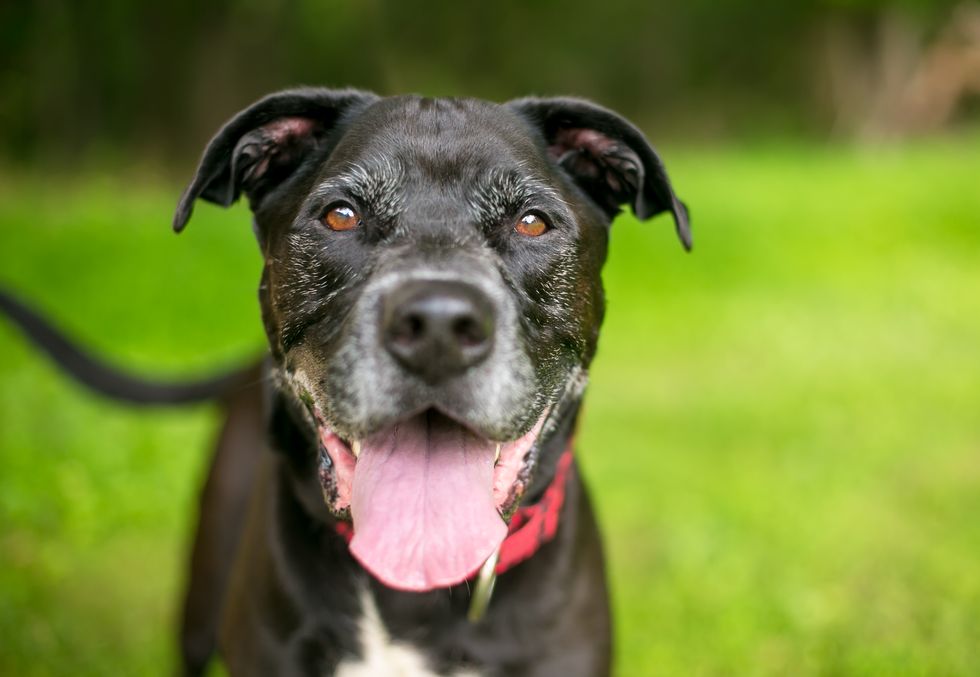

11 common signs of pet dementia
To help detect the onset of cognitive decline earlier, it's important you're aware of the signs to look out for. These include:
- Sleep disturbances
- Generalised anxiety
- Staring at walls
- Decreased desire to play
- Feeling agitated
- Repetitive behaviour, such as pacing around the home
- Howling, barking or whining more often
- Disorientation and getting lost
- Failing to remember common routines (including house rules)
- No longer responding to their family commands
- Often feeling lost or confused in familiar surroundings
What should you do if your pet has dementia?
While dementia in pets sadly can't be completely cured, there are steps you can take to manage your pet's condition. According to the PDSA, you should:
- Don't get angry with your pet if they have an accident or get confused.
- Keep each room as familiar as possible. Moving things around often can confuse them.
- Ensure interaction with family members is a positive experience, even if your pet has forgotten who you are.
- Provide lots of games to keep their mind active, such as puzzle games and training.
- Help them remember things they have forgotten (for example where to go to the toilet or where their water bowl is).
12 easy-to-clean waterproof dog beds
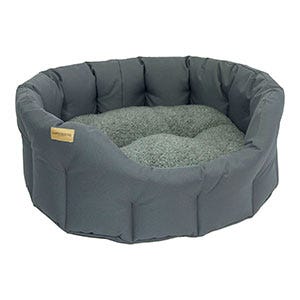
The Earthbound Classic Waterproof Dog Bed is the ultimate in hard-wearing dog luxury, featuring a premium heavy duty waterproof polyester outer, while the removable (and reversible) inner cushion features waterproof polyester on one side and a soft sherpa on the other, making this the perfectly practical cosy spot for you dog to rest after an adventure outdoors. The Earthbound Classic Waterproof Dog Bed is machine washable at 30 degrees, for easy removal of muddy paw prints and odours.
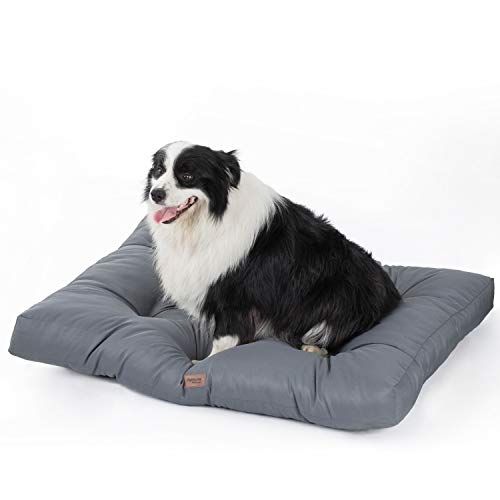
Designed for comfort, Bedsure beds are filled with premium microfiber in separate chambers and ultra soft reversible design. This pet bedding creates the ultimate place for your pet to rest and relax. The beds have a durable scratch-resistant surface and designed to resist water like dog sweat or urine.
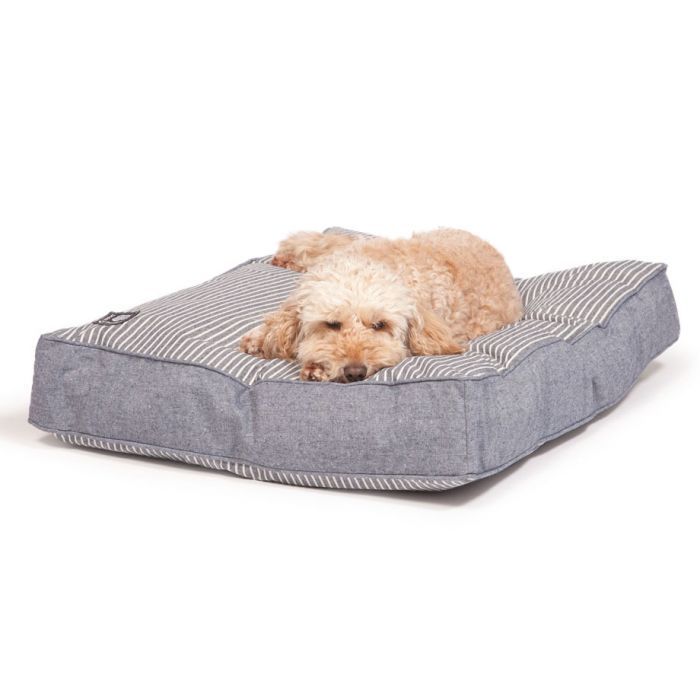
danish design Danish Design - Blue Maritime Box Duvet
This Danish Design Maritime Blue Box Duvet bed features combinations of linen look stripes and denim look textures in three relaxed colour-ways, all highlighted by a special nautical edition of the Danish Design embroidered paw.
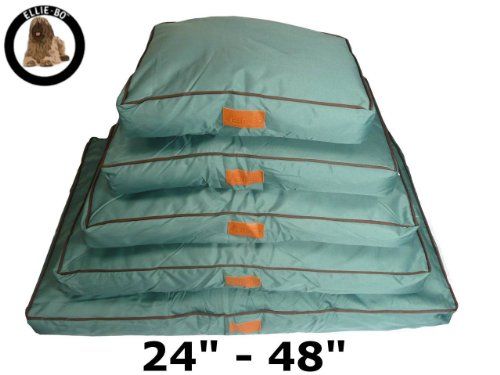
Ellie-Bo Waterproof Dog Beds in Green - Tailor made to fit cages and crates (34" - Fits 36" Large Dog Cage)
This Ellie-Bo Waterproof Dog Bed features a removable and machine washable waterproof outer cover made from Oxford weave. It also has a waterproof and breathable inner cover.
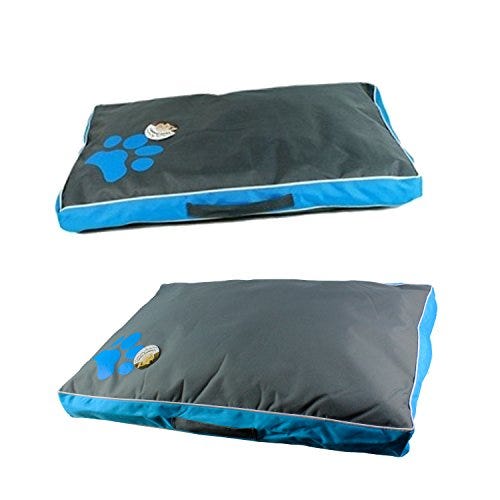
Guaranteed4Less Dog Bed Mattress Cushion Waterproof Double Sided Puppy Pet Pillow Mat Washable (Medium, Red)
This popular paw print pet mattress has a double sided waterproof pet cushion with carry handle and paw print motif. Both sides are waterproof but only one side has the printed motif. It has a zip fastening with removable cushion.
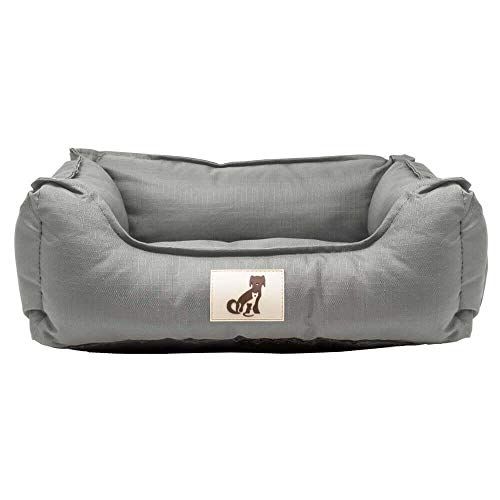
AllPetSolutions Dexter Beds Soft Waterproof Washable Hardwearing Basket Dog Bed (M, Grey)
The waterproof hard wearing Oxford fabric is easy to clean, highly durable and is suitable for dogs of all breeds and sizes. The bed cover zips off, making it easy to remove for cleaning. The cover is 100% machine washable. Non-slip backing, ideal for use on polished floors and tiles.
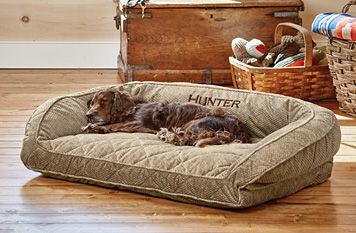
This Orvis bed has a soft quilted sleep surface, and a streamlined bolster make it comfortable for your dog. The ComfortFill-Eco cushion is made entirely from recycled plastic bottles and doesn't flatten or clump.
The three-sided bolster provides security and support for dogs who prefer a place to lean or rest their head, whilst the one open side makes this bed easy for dogs of all ages to get on and off. The upholstery-grade cover is as durable as it is incredibly soft. 100% polyester. Washable. Personalise with embroidery, up to 15 letters.
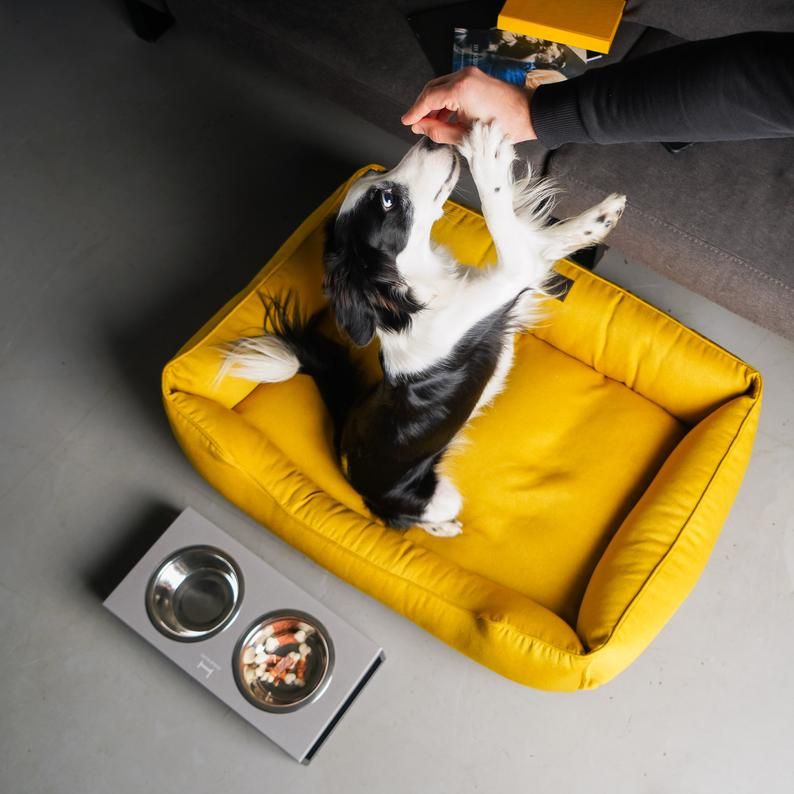
HarleyandCho YELLOW Dog bed with removable cover / bright dog nest MUSTARD / XS - Xxl size mat for dog, Gift for dog owners
This best-selling yellow dog bed comes with a machine washable removable cover. It's made of high-quality furniture fabrics, which allows your pet to feel very comfortable inside. Elastic pillows provide pets safety and comfort.
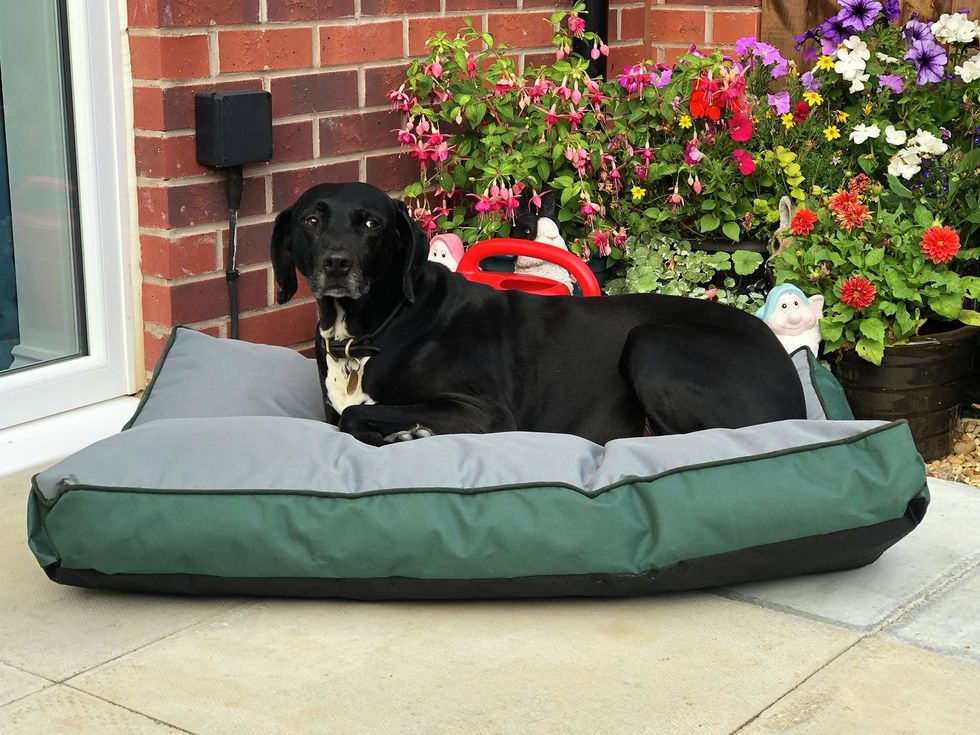
This waterproof pet mattress helps your dog relax and sleep comfortably by keeping them supported, warm and dry. The laminated fabric of the bed helps to repel water and although the bed is strong and durable, it is still comfortable for them to sleep or rest on. The removable cover and removable internal pad are both machine washable for when you need to clean it.
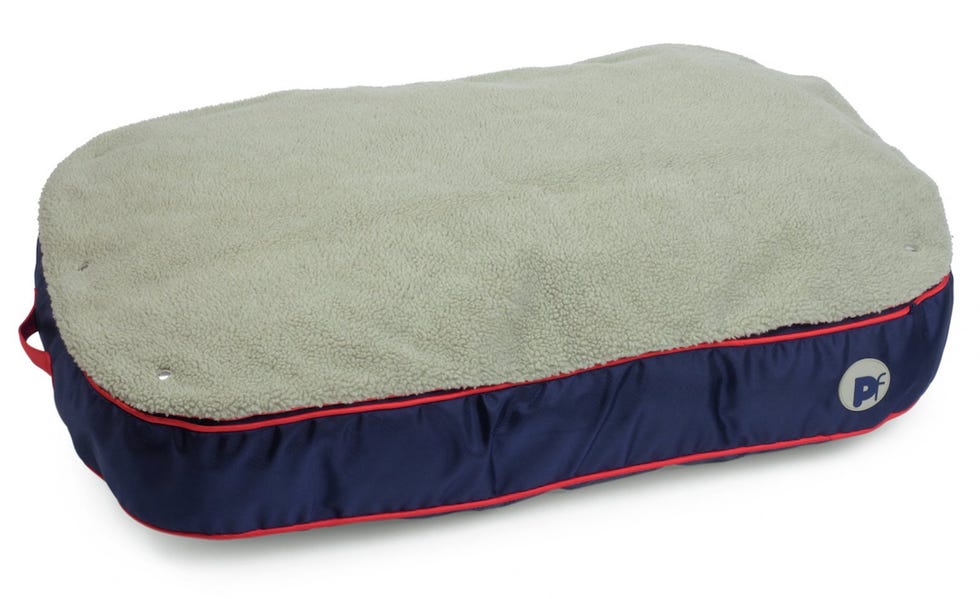
This Petface water resistant mattress is designed to help keep your dog's bed clean. It comes with a removable berber fleece top cover which you can easily take off and reattach with the poppers. The removable cover is machine washable and the wipe clean base makes cleaning super easy. The non slip backing helps to keep the bed still as your dog gets on and off.
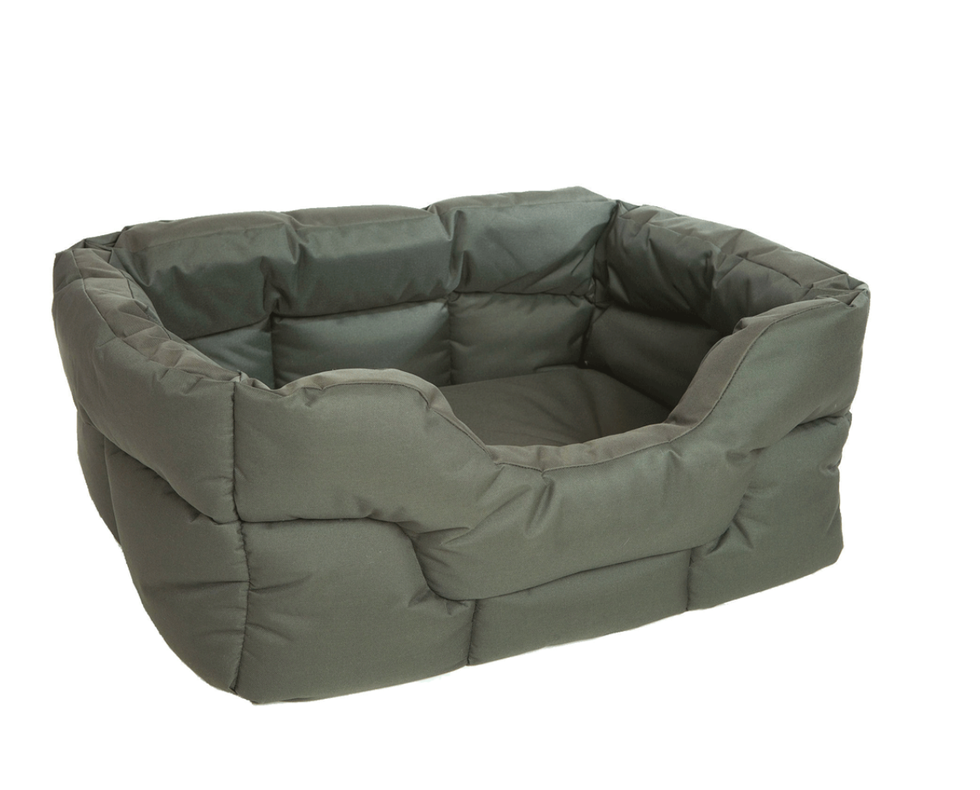
P&L Country Dog Tough Heavy Duty Rectangular High Sided Waterproof Dog Beds in 3 Sizes Medium, Large & XL/Jumbo
The ideal dog bed for country dogs who get wet and dirty on a regular basis. The tough, heavy duty, hard-wearing, 100% polyester, waterproof material is easy to keep clean. The thick base cushion is removable and the high walls of this bed are filled with bonded thermal polyester fibre to insulate your pet from the cold floor and keep it out of draughts.
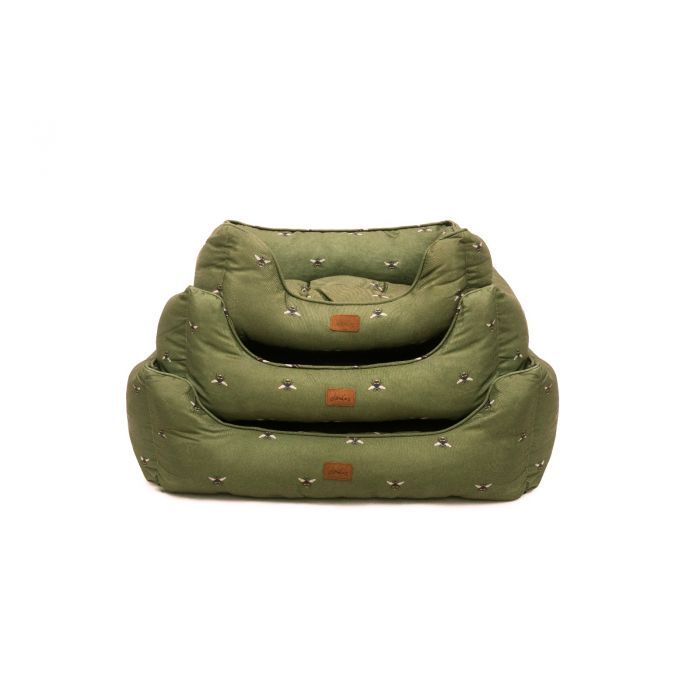
This dog bed is thickly padded on all sides to provide warmth and extra comfort with reversible cushions. It's also machine washable and has a non-slip base.
Like this article? Sign up to our newsletter to get more articles like this delivered straight to your inbox.SIGN UP
Lisa Joyner is the Deputy Daily Editor at House Beautiful UK and Country Living UK, where she's busy writing about home and interiors, gardening, dog breeds, pets, health and wellbeing, countryside news, small space inspiration, and the hottest properties on the market. Previously, she has written for Conde Nast Traveller, House & Garden and Marie Claire magazine. Lisa studied at University For The Creative Arts, where she completed a BA in Fashion Journalism.


